Harmful Social and Environmental Effects (Grade 10 NSC Matric Life Orientation): Revision Notes
📚Revision Notes
Harmful Social and Environmental Effects
Introduction
Understanding harmful social and environmental effects is crucial for creating a just and safe society. These issues affect everyone in South Africa, and recognising them helps us work towards solutions that protect our communities and environment.
Social and environmental justice
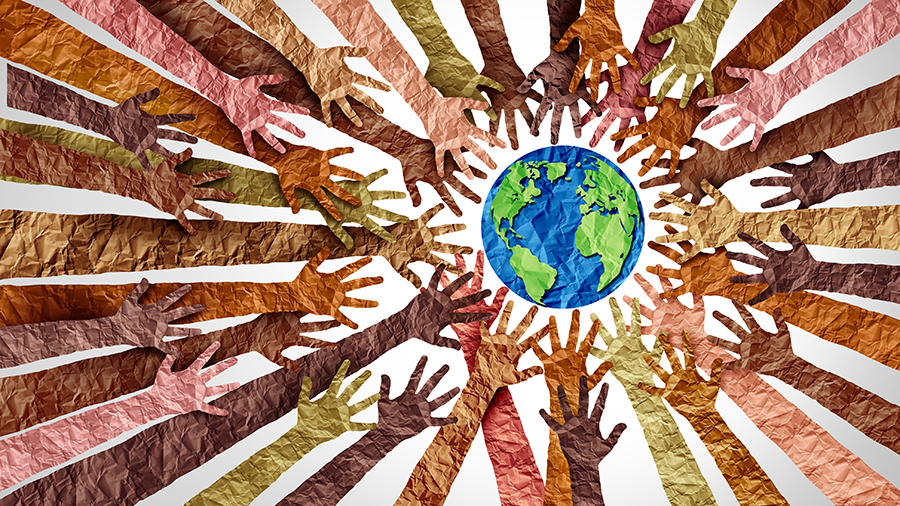
Understanding poverty and its connection to injustice
Poverty refers to the condition of having very little money or few possessions - essentially not having enough resources to meet basic human needs for proper living. When people experience poverty, they face a significant reduction in their freedom to make choices about their lives.
Note
Poverty creates a cycle of injustice because it limits people's options in fundamental ways. This limitation affects where people can live, what opportunities they can access, and how they can improve their circumstances.
Poverty creates a cycle of injustice because it limits people's options in fundamental ways:
- You cannot choose to live in a safe neighbourhood with clean air and beautiful surroundings
- You may be forced to live in areas without running water, gardens, or reliable electricity
- You might have to live near waste dumps or factories that release harmful chemicals into the air
- Breaking free from these circumstances becomes extremely difficult when you lack resources
Environmental justice explained
Environmental justice means ensuring everyone has the right to live in a safe, healthy, productive and sustainable environment. This concept recognises that environmental problems often affect the most vulnerable people in society the most severely.
Environmental injustice occurs when:
- People with fewer economic choices suffer the most from pollution and dangerous working conditions
- Communities lack access to basic resources like clean water and electricity
- There is depletion of natural resources such as fish stocks, trees, and firewood that communities depend on
- Poor people have unequal access to essential resources compared to wealthier communities
Social justice and human rights
Social justice involves addressing situations where disadvantaged people face the most discrimination and hardship. It means working to correct unfair treatment and ensuring everyone has equal opportunities.
Note
Social justice requires active effort to identify and address discrimination. It's not enough to simply avoid discriminating - we must work to correct existing inequalities and ensure fair treatment for all.
Social injustice happens when:
- People with fewer choices suffer discrimination based on their abilities, age, culture, gender, race, or religious beliefs
- Disadvantaged individuals lack knowledge about their human rights
- People cannot access essential services like healthcare, quality education, and decent housing
Both environmental and social justice require protecting vulnerable people from exploitation and ensuring fair treatment for all members of society.
Constitutional rights and protection
Important
South Africa's Constitution guarantees three fundamental rights that directly address social and environmental justice issues:
- Environmental rights: Everyone deserves an environment that does not harm their health and well-being
- Security rights: This includes freedom from poverty and basic needs like food, shelter, and protection
- Safety rights: Everyone should be safe from danger, risk, harm, or injury
Crime and violence
Understanding the widespread impact
Crime creates serious harmful effects that extend far beyond the immediate victims. When people lose their lives or possessions to criminal activities, it creates negative consequences that ripple through families and entire communities.
Violence leads to death and injury, causing immense suffering for families and loved ones. The economic impact is also severe - when many people cannot contribute to building the country due to crime-related deaths or injuries, the entire nation suffers.
Individual consequences of crime and violence
Crime and violence violate constitutional rights to safety and security, leading to various harmful effects:
Physical effects:
- Permanent injury, scarring, or disfigurement
- Death of victims
Emotional and psychological effects:
- Depression and persistent sadness
- Fear, anxiety, and constant worry
- Heart problems from stress
- Loneliness from avoiding social contact
- Obesity from comfort eating or overeating
Behavioural effects:
- Social isolation and withdrawal from others
Post-traumatic stress disorder
Important
Crime and violence can cause post-traumatic stress disorder (PTSD), a serious mental health condition that develops after experiencing or witnessing traumatic events like attacks, hijackings, muggings, or assaults.
PTSD symptoms include:
- Sleep difficulties and insomnia
- Flashbacks or vivid memories of the traumatic event
- Persistent worry and bad dreams
- Feelings of loneliness and isolation
- Lack of trust in others
- Forgetfulness and difficulty concentrating
- Inability to focus or pay attention properly
Youth involvement in violence
Statistics reveal concerning levels of youth involvement in violence and crime. Research shows that significant percentages of young people have considered committing crimes, with the 18-20 age group showing the highest rates of criminal thinking.
Note
Many high school learners report involvement in violence-related activities, including carrying weapons, physical fighting, and gang-related activities. This highlights the urgent need for intervention and prevention programmes specifically targeting young people before criminal behaviour becomes entrenched.
Corruption as a serious crime
Understanding corruption
Corruption represents a serious criminal offence involving dishonest behaviour for personal gain. It includes taking bribes or using positions of responsibility and trust for dishonest purposes. Corruption is essentially fraud that undermines fair systems and processes.
When people in positions of authority abuse their power for money or personal benefit, they engage in corruption. This crime damages communities by preventing fair access to services and resources that people deserve.
Real-world examples
Example
Example of Corruption in Practice
Government officials selling fake documents to people seeking grants or benefits represents a clear case of corruption.
How it works:
- Officials use their position of trust to create fraudulent documents
- They profit personally from selling these fake documents
- Deserving individuals are denied legitimate assistance
- The system designed to help vulnerable people is undermined
Impact: This type of corruption not only deprives deserving individuals of legitimate assistance but also enriches those who abuse their positions, creating unfair advantages while disadvantaging honest citizens.
The effects of corruption extend throughout communities, creating unfair advantages for some while disadvantaging others who follow proper procedures.
Taking responsible action
Crime prevention and reporting
Everyone can contribute to reducing crime and violence through responsible action and awareness. Several resources exist to help report crimes and seek assistance:
For general crime:
- Emergency services: 10111 for life-threatening emergencies
- Crime Stop hotline: 08600 10 111 for anonymous crime reporting
- SMS crime reporting: 32211
For specific types of crime:
- Anti-corruption hotline: 0800 701 701
- Grant fraud reporting: 0800 601 011
- Housing fraud: 0800 204401
Violence prevention resources
Note
Specific resources address different forms of violence, providing targeted support for various situations. Keep these numbers accessible and share them with others who might need help.
Specific resources address different forms of violence:
- Child abuse reporting: 0800 05 55 55
- Human trafficking: 0800 555 999
- Women abuse: 0800 150 150
- Police services: 0800 205 026
Substance abuse support
Since substance abuse often leads to crime and violence, various support services are available:
- Substance abuse helpline: 0800 121 314
- LifeLine counselling: 0861 322 322 (24-hour service)
- Alcoholics Anonymous and Narcotics Anonymous provide ongoing support
HIV and AIDS impact
How HIV affects everyone
HIV and AIDS represent social and environmental issues that impact entire communities, not just infected individuals. The disease affects everyone because:
- People can become infected with HIV, which weakens immune systems and makes them vulnerable to opportunistic infections like sexually transmitted infections, pneumonia, and tuberculosis
- The disease affects people we love, live with, and work with, making it everybody's concern and responsibility
- No one can simply ignore the problem as someone else's issue
Understanding transmission and treatment
HIV transmission occurs through contact with infected bodily fluids including semen, vaginal secretions, and blood. Unprotected sexual activity represents the most common transmission method.
Note
Treatment options:
- HIV and AIDS treatment varies depending on individual health and disease progression
- People can live long, healthy lives with proper medical care
- Antiretroviral drugs (ARVs) help manage the disease but do not cure it
- Treatment typically begins when CD4 cell counts drop to 200 or below
Prevention and social responsibility
Important
Key Prevention Methods:
- Abstaining from sexual activity
- Using condoms correctly during sexual intercourse
- Having sex only with committed, faithful partners in long-term relationships
- Never forcing anyone to have sex without consent
- Getting HIV testing every six months if sexually active
- Learning accurate information about HIV transmission
Social responsibilities:
- People who disclose HIV-positive status deserve care, understanding, respect, and support
- Never discriminate against people living with HIV and AIDS
- Remember that HIV cannot spread through casual contact like kissing, hugging, sharing food, holding hands, or living in the same house
- Support regular HIV counselling and testing programmes
- Promote accurate information and challenge misconceptions
Summary
Key Points to Remember:
- Poverty limits freedom and choices, leading to both environmental and social injustice that affects where people live and what opportunities they have
- Crime and violence violate constitutional rights and cause lasting physical, emotional, and psychological damage including post-traumatic stress disorder
- Corruption is fraud that involves using positions of trust for dishonest gain, undermining fair systems and harming communities
- Everyone can take responsible action by reporting crimes, supporting violence prevention, and using available resources to help build safer communities
- HIV and AIDS affect everyone in society, requiring collective responsibility for prevention, support, and eliminating discrimination against affected individuals