Five Kingdom System (Grade 10 NSC Matric Life Sciences): Revision Notes
📚Revision Notes
Five Kingdom System
Introduction to biological classification
Scientists have always tried to organise and group living organisms based on their similarities and differences. Originally, the famous scientist Linnaeus created a simple two-kingdom system that divided all life into just plants and animals. However, as scientists discovered more about different organisms, they realised this system was too simple.
Today, we use a five-kingdom system developed by Robert H. Whittaker in 1969. This system provides a much better way to classify the incredible diversity of life on Earth. As science continues to advance, classification systems are always being improved and updated based on new discoveries.
Note
The classification of living organisms has evolved significantly over time. What started as a simple two-kingdom system has developed into more complex systems as our understanding of life's diversity has grown.
Understanding cell types: prokaryotes and eukaryotes
Before we explore the five kingdoms, we need to understand the two main types of cells that exist. All living organisms can be divided into two major groups based on their cell structure.
Prokaryotes
Prokaryotes are organisms made up of cells that do not have a nucleus surrounded by a membrane. The word "prokaryote" means "before nucleus" (pro = before, karyon = nucleus). Their genetic material floats freely in the cell rather than being contained within a nucleus.
Eukaryotes
Eukaryotes are organisms made up of cells that have a membrane-bound nucleus that contains their genetic material. The word "eukaryote" means "true nucleus" (eu = true, karyon = nucleus). These cells also contain other membrane-bound structures called organelles.
Important
Understanding the difference between prokaryotes and eukaryotes is fundamental to biological classification. This distinction forms the basis for organising all life forms into different kingdoms.
Key differences between prokaryotes and eukaryotes
| Prokaryotes | Eukaryotes |
|---|---|
| Small cells | Large cells |
| Unicellular or multicellular | Often (but not always) multicellular |
| Genetic material not contained within a nucleus | Genetic material contained in a membrane-bound nucleus |
| Simple internal structure with no organelles | Complex internal structure with organelles like chloroplasts, mitochondria, and Golgi bodies |
The five kingdoms
Living organisms are classified into five major kingdoms based on their distinctive characteristics:
- Kingdom Monera (Bacteria)
- Kingdom Protista
- Kingdom Fungi
- Kingdom Plantae
- Kingdom Animalia
Let's explore each kingdom and learn about their unique features.
Note
A helpful mnemonic to remember the five kingdoms is: "My Pet Frog Plays Around" (Monera, Protista, Fungi, Plantae, Animalia)
Kingdom monera (bacteria)
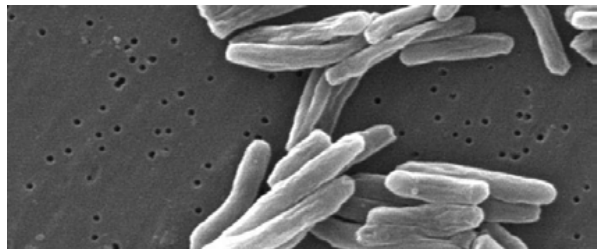
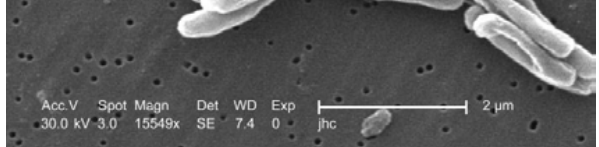
Kingdom Monera consists of prokaryotic organisms that are usually unicellular. These tiny organisms are found everywhere on Earth and are incredibly numerous - in just one gramme of soil, there can be about 40 million bacterial cells!
Key characteristics of monera:
- Cell type: Prokaryotic (no nucleus)
- Size: Very small cells
- Organisation: Mostly unicellular, some multicellular
- Cell wall: Made of protein plus a special compound (not cellulose)
- Reproduction: Mainly by binary fission (splitting in two)
- Organelles: No membrane-bound organelles
Example
Examples of Kingdom Monera:
- Mycobacterium: The bacteria that causes tuberculosis
- Cyanobacteria: Blue-green algae that can photosynthesise
- Archaea: Ancient bacteria that live in extreme conditions like hot springs and salt lakes
Kingdom protista
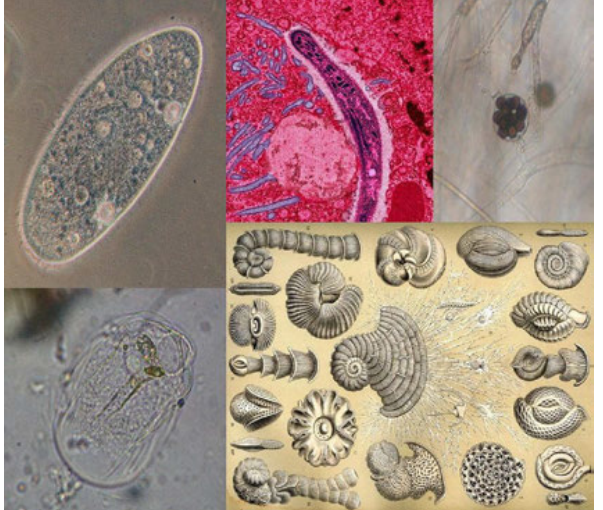
Protista are eukaryotic organisms that can be either unicellular or simple multicellular. They're often called the "odds and ends" kingdom because they include organisms that don't fit neatly into the other kingdoms.
Key characteristics of protista:
- Cell type: Eukaryotic (have a nucleus)
- Organisation: Unicellular or simple multicellular
- Reproduction: Both sexual and asexual reproduction
- Movement: Many can move using structures like flagella or cilia
- Nutrition: Some make their own food (like plants), others eat other organisms (like animals)
Two main groups of protists:
- Protozoans: Animal-like protists that don't have cell walls (similar to animal cells)
- Plant-like protists: Have cell walls and can photosynthesise (similar to algae)
Example
Examples of Kingdom Protista:
- Plasmodium: The protist that causes malaria in humans
- Amoeba: Changes shape as it moves and engulfs food particles
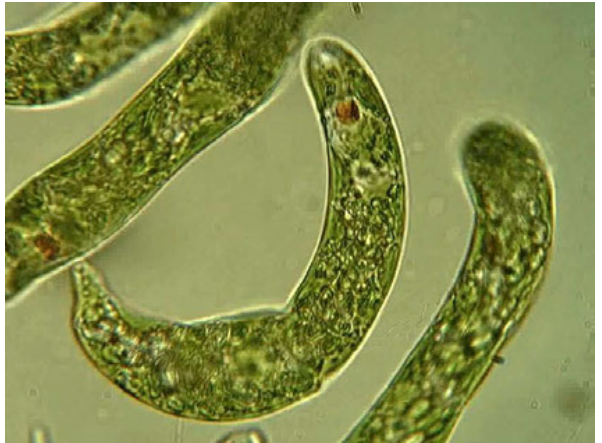
- Euglena: Has characteristics of both plants and animals - can photosynthesise but also moves around
- Paramecium: A slipper-shaped protist covered in tiny hairs called cilia
Kingdom fungi
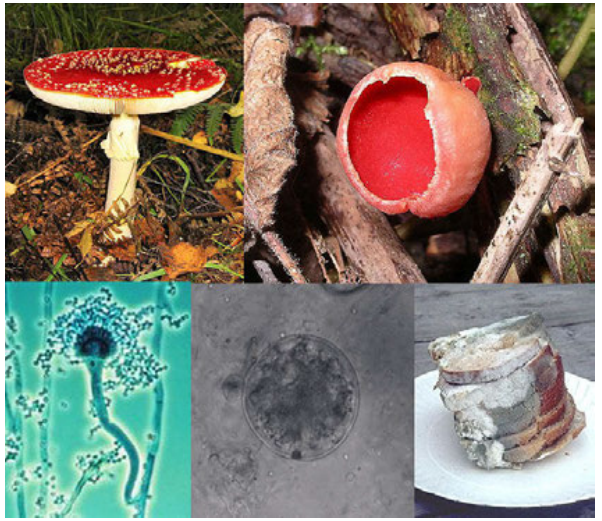
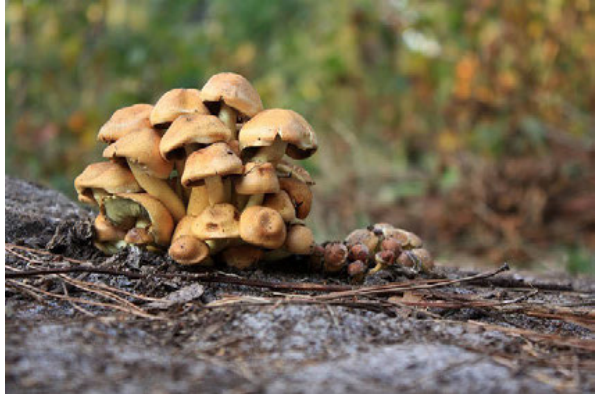
Fungi are fascinating eukaryotic organisms that play crucial roles in ecosystems as decomposers. They break down dead organic matter and recycle nutrients back into the environment.
Key characteristics of fungi:
- Cell type: Eukaryotic (have a nucleus)
- Organisation: Mostly multicellular (some unicellular like yeasts)
- Cell wall: Made of chitin (not cellulose like plants)
- Body structure: Made of thread-like structures called hyphae
- Nutrition: Heterotrophic - they absorb nutrients from other organisms
- Reproduction: Both sexual and asexual reproduction through spores
- Storage: Store energy as glycogen (not starch like plants)
Important
Don't confuse fungi with plants! Although they may look similar, fungi cannot make their own food and have cell walls made of chitin, not cellulose.
Example
Examples of Kingdom Fungi:
- Mushrooms: The familiar fruiting bodies we see above ground, while the main fungal body grows underground
- Penicillium: The mould that produces penicillin, one of the first life-saving antibiotics
- Bread mould: The fuzzy growth that appears on stale bread
- Yeasts: Single-celled fungi used in baking (to make bread rise) and brewing (to make alcohol)
Kingdom plantae
Plants are multicellular eukaryotic organisms that form the foundation of most food chains on Earth. They have the amazing ability to make their own food using sunlight through photosynthesis.
Key characteristics of plants:
- Cell type: Eukaryotic (have a nucleus)
- Organisation: Multicellular with specialised tissues
- Cell wall: Made of cellulose
- Nutrition: Autotrophic - make their own food through photosynthesis
- Movement: Non-motile (cannot move from place to place)
- Organelles: Contain chloroplasts with chlorophyll for photosynthesis
- Reproduction: Both sexual and asexual reproduction
- Storage: Store energy as starch
Note
Plants are the only organisms that can convert sunlight into chemical energy through photosynthesis, making them essential for almost all life on Earth.
Example
Examples of Kingdom Plantae:
- Mosses: Small, simple plants that grow in damp areas
- Ferns: Have leaves but reproduce by spores instead of seeds
- Conifers: Trees with cones like pine, fir, and spruce trees
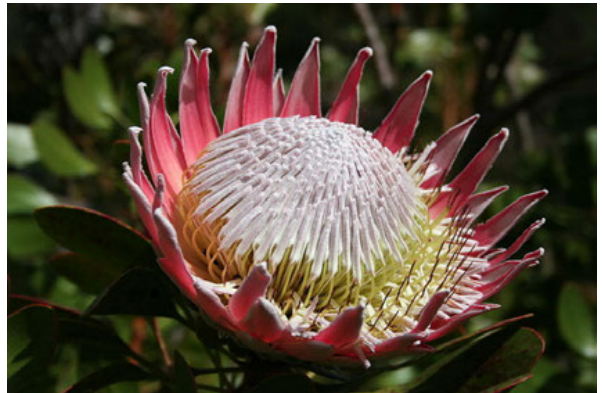
- Flowering plants: Most familiar plants including the King Protea (South Africa's national flower)
Kingdom animalia
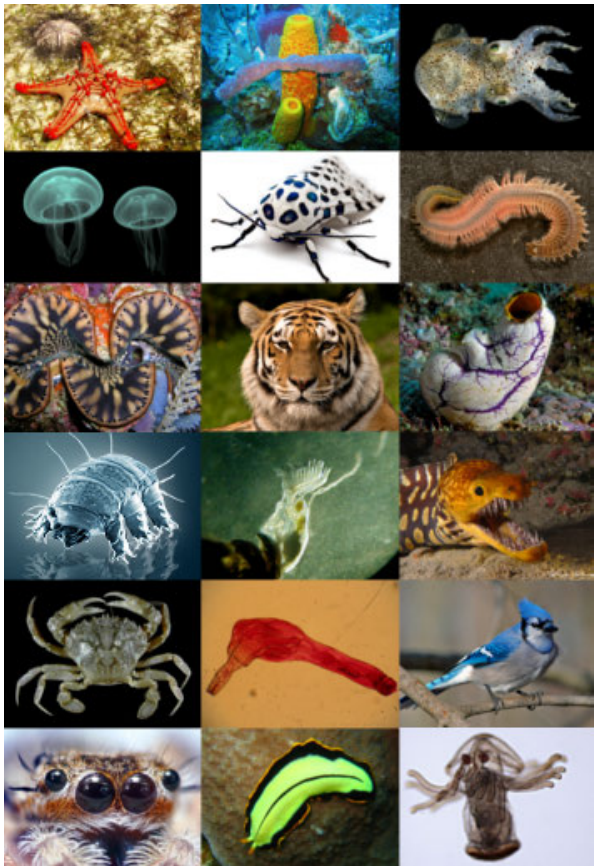
Animals are multicellular eukaryotic organisms that show incredible diversity in size, shape, and lifestyle. From tiny sponges to massive elephants, the animal kingdom includes an amazing variety of life forms.
Key characteristics of animals:
- Cell type: Eukaryotic (have a nucleus)
- Organisation: Multicellular with no cell walls
- Nutrition: Heterotrophic - must eat other organisms for energy
- Movement: Most are motile (can move around)
- Reproduction: Mainly sexual reproduction, some asexual
- Storage: Store energy as glycogen and fat
- Organisation: Have specialised tissues and organ systems
Example
Examples of Kingdom Animalia:
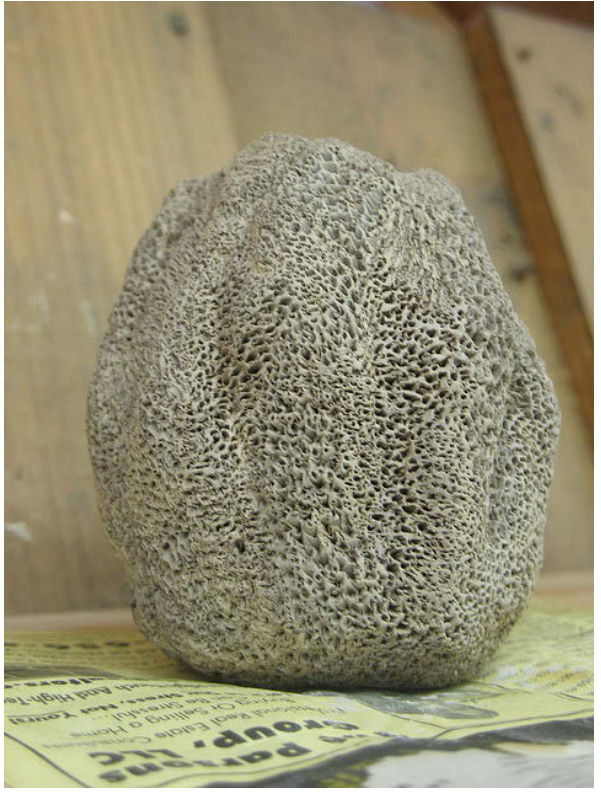
- Porifera: Sponges - the simplest animals with no tissues or organs
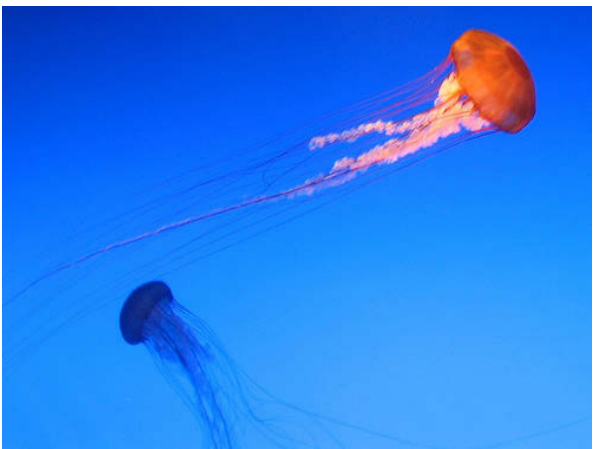
- Cnidaria: Jellyfish, corals, and sea anemones with stinging cells
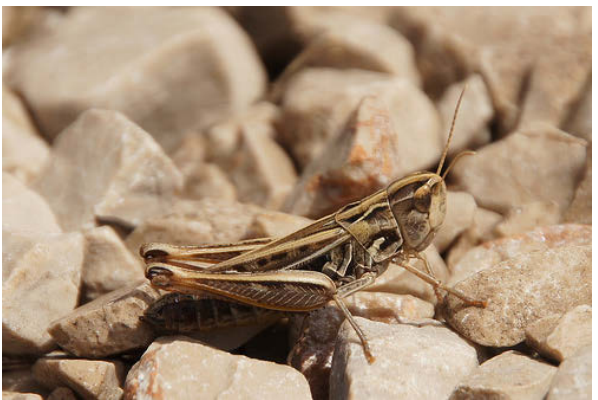
- Arthropods: Insects, spiders, crabs, and lobsters with jointed legs
- Molluscs: Snails, clams, squid, and octopus with soft bodies
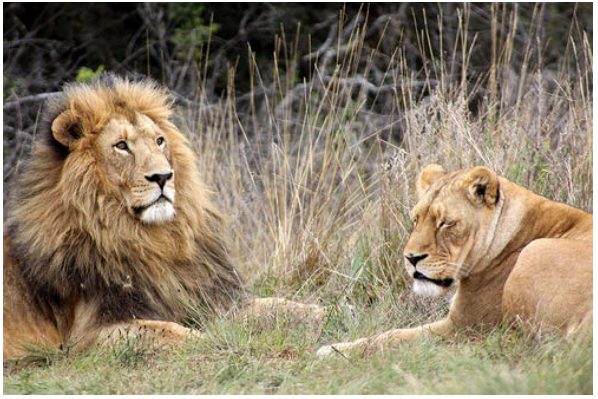
- Vertebrates: Fish, amphibians, reptiles, birds, and mammals like lions
Classification tools: dichotomous keys
Scientists use special tools called dichotomous keys to help identify and classify organisms correctly. A dichotomous key is like a series of questions that help you narrow down what type of organism you're looking at.
Note
The word "dichotomous" comes from Greek words meaning "divided into two parts" - this reflects how these keys always present exactly two choices at each step.
How dichotomous keys work:
- They present you with two choices at each step (dichotomous means "divided into two parts")
- You follow the choice that best describes your specimen
- Each choice leads you to another pair of choices
- Eventually, you reach the correct identification
Important principles:
- The two choices must be mutually exclusive (an organism can only fit one choice, not both)
- The two choices must be jointly exhaustive (they must cover all possibilities)
Example
Using a Dichotomous Key: Identifying Arthropods
Step 1: "Does the organism have 8 legs?"
- If yes → Go to Step 2 (arachnid questions)
- If no → Go to Step 5 (other arthropod questions)
Step 2: "Does it have a segmented body?"
- If yes → It's a spider
- If no → Go to Step 3
This process continues until you identify the specific organism.
Summary
Key Points to Remember:
-
The five-kingdom system was developed by Whittaker in 1969 and divides all life into: Monera, Protista, Fungi, Plantae, and Animalia
-
Prokaryotes (Kingdom Monera) have no nucleus, while eukaryotes (all other kingdoms) have a membrane-bound nucleus containing genetic material
-
Kingdom Monera includes all bacteria - tiny, mostly unicellular prokaryotes that reproduce by binary fission
-
Kingdom Protista contains diverse eukaryotic organisms that are unicellular or simple multicellular, including both plant-like and animal-like forms
-
Kingdom Fungi are decomposers with cell walls made of chitin, not cellulose
-
Kingdom Plantae are autotrophic organisms that make their own food through photosynthesis
-
Kingdom Animalia are heterotrophic, mostly motile organisms with no cell walls
-
Dichotomous keys are essential tools for identifying and classifying organisms using a series of two-choice questions
-
Classification systems continue to change as scientists make new discoveries about relationships between organisms