Mass Extinctions (Grade 10 NSC Matric Life Sciences): Revision Notes
📚Revision Notes
Mass Extinctions
What are mass extinctions?
A mass extinction occurs when there is a sharp decrease in the amount of plant and animal life on Earth. These events represent some of the most dramatic moments in our planet's history, when biodiversity plummets rapidly and ecosystems collapse on a global scale.
Throughout Earth's long history, there have been five major mass extinction events that fundamentally changed the course of life on our planet. Each extinction opened up new ecological opportunities and allowed different groups of organisms to diversify and flourish.
Note
Mass extinctions are different from background extinctions (the normal rate of species loss). During mass extinctions, the rate of species loss increases dramatically over a relatively short geological time period, fundamentally reshaping life on Earth.
The five major mass extinction events
Scientists have identified five major mass extinction events based on fossil evidence. These events occurred over hundreds of millions of years and each had devastating effects on life.
Important
These five events are collectively known as the "Big Five" mass extinctions. Understanding their timing and causes helps scientists recognise patterns and predict future extinction risks.
| Major mass extinction event | Date of occurrence | Major events |
|---|---|---|
| Ordovician-Silurian extinction event | 450-440 million years ago | Over 50% of all genera were eliminated during this period and is ranked as the second largest mass extinction in Earth's history |
| Late Devonian extinction | 375-360 million years ago | This was a prolonged period of extinction lasting up to 20 million years. During this period up to 70% of living species were eliminated |
| Permian-Triassic event | 250 million years ago | This was Earth's largest extinction event. Almost all marine life, 70% of land species and over 80% of all marine genera were eliminated. The event had great evolutionary significance because it allowed the vacant habitats and ecosystems to be filled by new species through natural selection |
| Triassic-Jurassic event | 205 million years ago | Most non-dinosaur species were eliminated, leaving land dinosaurs with no competition |
| Cretaceous-Paleogene extinction event | 65 million years ago | Approximately 75% of all species became extinct. Mammals and birds emerged as the dominant land vertebrates |
Key points about the Big Five:
- The Permian-Triassic extinction was the most severe, eliminating about 90% of marine species and 70% of terrestrial species
- The Cretaceous-Paleogene extinction is famous for ending the age of dinosaurs and allowing mammals to diversify
- The Late Devonian extinction lasted the longest, occurring over approximately 20 million years
- Each extinction created evolutionary opportunities for surviving organisms to adapt and fill empty ecological niches
The ongoing sixth mass extinction
Many scientists believe we are currently experiencing a sixth mass extinction event. This modern extinction has several distinctive characteristics:
Important
The Sixth Extinction is Unique
Unlike the previous five mass extinctions that were caused by natural disasters, the current extinction event is primarily driven by human activities. This makes it fundamentally different from all previous mass extinctions in Earth's history.
- Rate of extinction: The current rate is approximately 140,000 species per year since around 10,000 BC, continuing into the 21st century
- Duration: This extinction event has been ongoing and is accelerating rapidly
- Causes: Unlike previous extinctions caused by natural disasters, this one is primarily driven by human activities
- Affected organisms: Large mammals, such as the woolly mammoth, have already disappeared
The two major causes of the sixth extinction are:
- Human hunting and overharvesting of species
- Rapid rise in human population leading to habitat destruction and environmental changes
Note
The current extinction rate of 140,000 species per year is estimated to be 100 to 1,000 times higher than the natural background extinction rate. This acceleration suggests we may be in the early stages of a mass extinction comparable to the Big Five.
Causes of mass extinctions
Scientists continue to debate what caused the historical mass extinctions. To be considered a valid scientific theory, any explanation for mass extinctions must:
- Explain all species losses at a particular extinction event (not just specific groups like dinosaurs)
- Explain survival patterns - why some organisms died while others survived
- Be based on natural events that scientific evidence shows occurred around the time of extinction
Impact theory
The impact theory suggests that massive asteroid collisions with Earth caused some mass extinctions. Here's how this theory works:
Example
How Asteroid Impact Causes Mass Extinction
Step 1: Initial Impact Large asteroid strikes Earth, creating massive crater and shock waves
Step 2: Immediate Effects
- Mega-tsunamis devastate coastal areas
- Forest fires ignite across continents
- Toxic gases released into atmosphere
Step 3: Long-term Climate Change
- Dust and debris block sunlight globally
- Photosynthesis stops in plants and marine organisms
- Food chains collapse from bottom to top
Step 4: Mass Extinction
- Primary producers die first
- Herbivores starve without plant food
- Carnivores die as prey animals disappear
Scientists have found evidence supporting this theory, including a 600-kilometre crater in India that dates to around 65 million years ago, coinciding with the Cretaceous-Paleogene extinction that killed the dinosaurs.
Volcanic activity theory
The volcanic activity theory proposes that massive volcanic eruptions caused mass extinctions through climate change. Evidence for this theory includes:
- Dating evidence linking volcanic eruptions to extinction periods
- Chemical analysis of ancient rock layers showing volcanic particles
- Climate disruption from massive amounts of carbon dioxide and sulphur dioxide released into the atmosphere
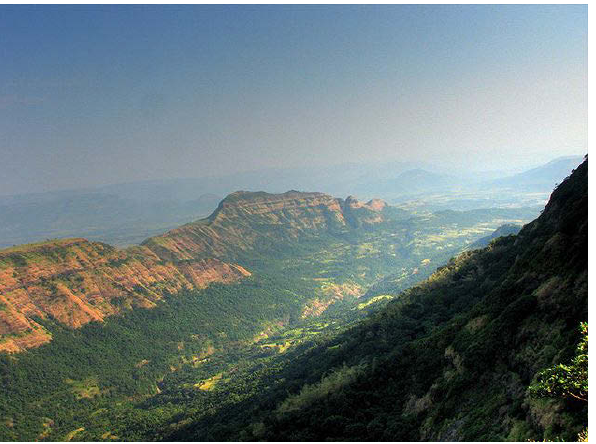
- The Deccan Traps in India provide evidence of enormous volcanic activity around the time of the Cretaceous extinction
Note
The Deccan Traps in India represent one of the largest volcanic features on Earth. These massive lava flows occurred around the same time as the Cretaceous-Paleogene extinction, providing strong evidence for the volcanic activity theory.
Volcanic eruptions can alter global climate by:
- Releasing greenhouse gases that change temperature patterns
- Creating acid rain that damages ecosystems
- Producing ash clouds that block sunlight
- Disrupting weather patterns worldwide
Summary
Key Points to Remember:
- Mass extinctions are dramatic decreases in plant and animal life that reshape Earth's biodiversity
- There have been five major mass extinction events throughout Earth's history, with the Permian-Triassic being the most severe
- We are currently experiencing a sixth mass extinction caused primarily by human activities at a rate of 140,000 species per year
- The two main theories for historical extinctions are asteroid impacts and massive volcanic activity
- Valid extinction theories must explain all species losses, survival patterns, and be based on evidence of natural events occurring at the time