Lymphatic Circulatory System (Grade 10 NSC Matric Life Sciences): Revision Notes
📚Revision Notes
Lymphatic Circulatory System
What is the lymphatic system?
The lymphatic system is a vital part of your body's transport network that works closely with the cardiovascular system. Think of it as a one-way drainage system that helps maintain fluid balance and protects you from disease. This system consists of a network of interconnected tubes called lymphatic vessels that carry a clear fluid called lymph towards your heart.
Note
Unlike blood, which circulates in a closed loop throughout your body, the lymphatic system is an open system - lymph only flows in one direction from tissues back to the bloodstream.
Unlike blood, which is pumped by your heart in a closed loop, lymph flows in only one direction - from your tissues back to your bloodstream. The lymphatic system plays a crucial role in your immune system by transporting white blood cells throughout your body to fight infections.
Components of the lymphatic system
The lymphatic system is made up of several important components that work together to keep you healthy.
Lymphatic vessels
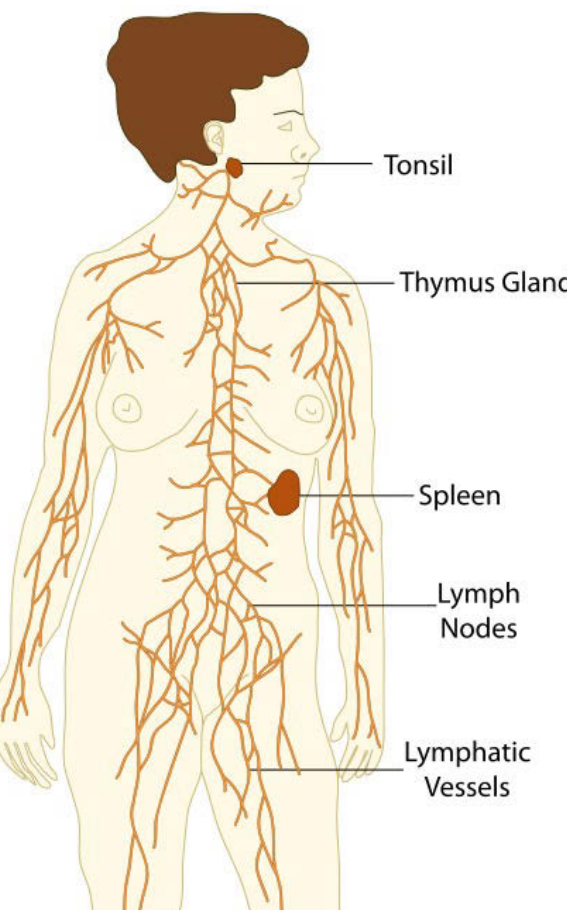
Lymphatic vessels form a network throughout all tissues in your body. These vessels help your circulatory system by removing waste products, germs, and excess water from tissue fluids. The lymph vessels collect fluid from the bottom of your body and transport it upwards towards your heart. They also drain fluid from your head, shoulders, and arms.
To help push the lymph fluid upwards against gravity, muscle contractions assist in moving the fluid, while valves prevent it from flowing backwards. This is similar to how veins work, but lymph vessels eventually merge into two large vessels called lymphatic ducts.
Note
The lymphatic system relies on your body's movements to help push lymph fluid through the vessels. This is why regular physical activity is important for maintaining a healthy lymphatic system.
Lymphatic ducts
The lymph vessels eventually combine to form two main drainage channels:
- The thoracic duct collects lymph from the left side of your body and the lower right side, then empties into the left subclavian vein in your neck
- The right thoracic duct collects lymph from your right arm, chest, neck, and head, draining into the right subclavian vein
Lymph nodes
Lymph nodes are small, irregularly-shaped masses found along the lymph vessels. Most of your body's disease-fighting function happens in these nodes. They act like tiny philtres that clean your lymph fluid as it flows through them.
Clusters of lymph nodes are found in your armpits, groyne, and neck. Cells from your immune system create channels through the nodes to attack bacteria and viruses travelling in the lymph.
Important
This is why your lymph nodes might swell when you're fighting an infection - they're working extra hard to philtre out harmful substances. Swollen lymph nodes are actually a sign that your immune system is actively defending your body.
Lymphatic organs
Several organs are part of your lymphatic system:
- Tonsils: Located in your throat area, these help philtre pathogens that enter through your mouth and nose
- Thymus gland: Found in your upper chest, this organ helps develop immune cells called T-lymphocytes
- Spleen: Located in your left abdomen, the spleen philtres your blood and helps destroy worn-out red blood cells. It also adds lymphocytes to your blood and acts as the boundary between your blood and lymphatic systems
Structure and organisation
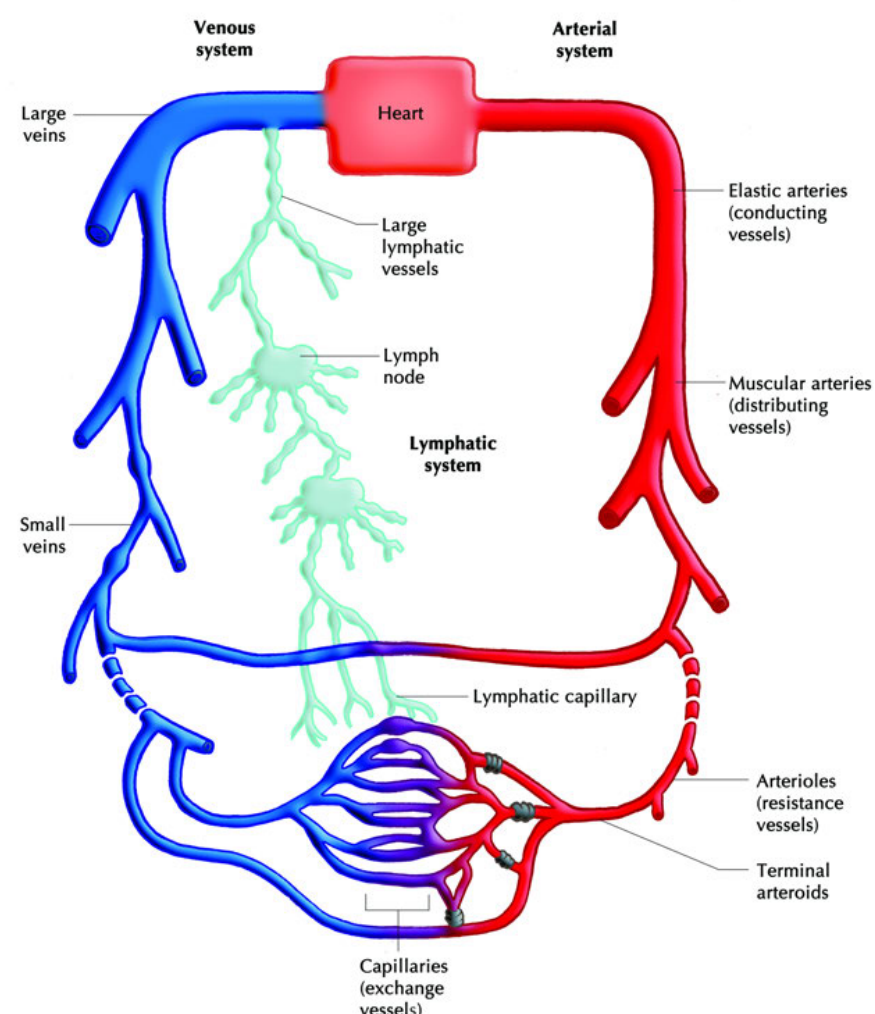
The lymphatic system is organised as an open circulatory system, meaning it has a beginning but no definite end - lymph eventually returns to your bloodstream rather than circulating in a closed loop like blood does.
The system works through passive transport - there's no central pump like your heart. Instead, lymph flows due to:
- Muscle contractions when you move
- Pressure from surrounding tissues
- One-way valves that prevent backflow
This creates a steady, one-way flow from your tissues towards your heart, where the lymph rejoins your blood circulation.
Note
Because the lymphatic system doesn't have a pump like the heart, it depends entirely on your body's movements and the squeezing action of surrounding muscles to move lymph fluid along.
Functions of the lymphatic system
Your lymphatic system performs several essential functions:
Fluid balance and waste removal
The main job of your lymphatic system is to collect and transport tissue fluids from the spaces between cells in all your body's tissues back to your bloodstream. This helps maintain proper fluid balance and removes waste products that cells produce.
Protein recovery
Lymph plays an important role in returning plasma proteins to your bloodstream. These proteins are essential for maintaining blood pressure and other vital functions.
Fat absorption and transport
Digested fats are absorbed from your small intestine and then transported through special lymph vessels called lacteals to your bloodstream. This is why lymph from your intestines often appears milky white after a fatty meal.
Immune system support
Your lymphatic system is crucial for immune defence:
- Lymphocytes are manufactured in your lymph nodes
- Antibodies produced in lymph nodes help your body build immunity against infectious diseases
- Lymph nodes philtre out harmful micro-organisms like bacteria and foreign substances such as toxins
Transport of large molecules
Your lymphatic system transports large molecules like enzymes and hormones from where they're made to your bloodstream, since these molecules are often too big to enter blood capillaries directly.
Relationship with the cardiovascular system
The lymphatic and cardiovascular systems work closely together, but they have important differences:
| Cardiovascular System | Lymphatic System |
|---|---|
| Blood transports oxygen, nutrients and hormones to tissues | Lymph collects and removes waste products left behind in tissues |
| Blood flows in arteries, capillaries, and veins in a closed circuit | Lymph flows in an open circuit from tissues into lymphatic vessels |
| Blood flows towards the heart and away from the heart | Lymph flows in one direction only (towards the heart) |
| Blood is pumped by the heart to all parts of the body | Lymph is not pumped - it flows passively from tissues into lymph capillaries |
| Blood consists of liquid plasma that transports red and white blood cells and platelets | Lymph that has been filtered and is ready to return to the cardiovascular system is a clear or milky white fluid |
| Blood is visible and damage to blood vessels causes obvious signs like bleeding or bruising | Lymph is colourless or translucent and damage to the lymphatic system is difficult to detect until swelling occurs |
| Blood is filtered by the kidneys | Lymph is filtered by lymph nodes located throughout the body |
Disease example: Elephantiasis
Example
Disease Example: Elephantiasis
When your lymphatic system doesn't work properly, serious health problems can occur. Elephantiasis is a disease that happens when parasitic infections damage your lymphatic system. This causes extreme swelling, especially in your legs and genital areas, because lymph fluid can't drain properly from your tissues.
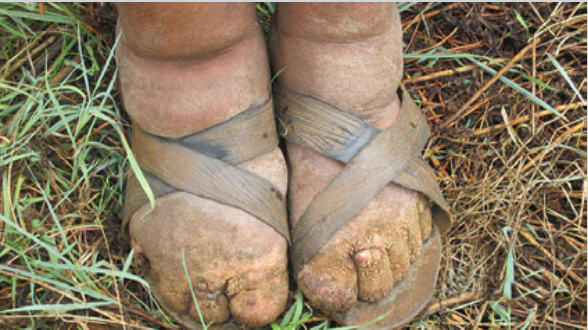
This example shows how important your lymphatic system is for maintaining normal tissue fluid levels.
Summary
Key Points to Remember:
- The lymphatic system is an open, one-way transport network that drains excess fluid from your tissues back to your bloodstream
- Key components include lymphatic vessels, lymph nodes, and organs like the tonsils, thymus, and spleen
- Main functions are fluid balance, immune defence, fat absorption, and protein recovery
- Lymph nodes act as philtres that remove harmful bacteria and viruses from your lymph fluid
- The system works passively using muscle contractions and valves rather than being pumped like blood