Case Study of Nuclear Energy (Grade 11 NSC Matric Geography): Revision Notes
📚Revision Notes
Case Study of Nuclear Energy
Understanding nuclear energy fundamentals
Nuclear power plants work similarly to coal-fired power stations by heating water to create steam that drives turbines to generate electricity. However, the key difference lies in the fuel source and the process used to create heat. While coal plants burn coal as fuel, nuclear power plants use uranium and depend on a process called nuclear fission.
Nuclear fission occurs when a uranium atom splits and releases energy. This process provides the heat and pressure needed to produce steam for electricity generation. The efficiency difference between these two energy sources is remarkable - just one tonne of uranium can generate the same amount of electricity as 120,000 tonnes of coal.
Note
Nuclear vs Coal Efficiency Comparison
The dramatic efficiency difference between nuclear and coal power demonstrates why many countries consider nuclear energy despite its challenges. This 1:120,000 ratio means nuclear fuel is extraordinarily energy-dense compared to fossil fuels.
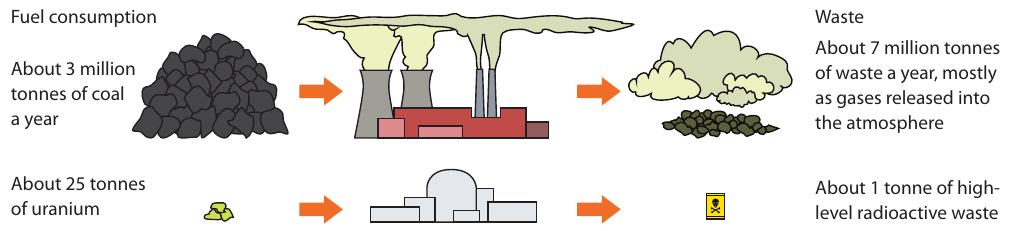
The comparison between coal and nuclear power reveals significant differences in fuel consumption and waste production. A coal power plant requires approximately 3 million tonnes of coal annually and produces about 7 million tonnes of waste, mostly released as gases into the atmosphere. In contrast, a nuclear power plant uses only about 25 tonnes of uranium fuel per year and generates approximately 1 tonne of high-level radioactive waste that must be carefully contained.
Advantages and disadvantages of nuclear power
Nuclear energy presents both significant benefits and serious challenges that must be carefully considered when evaluating its role in energy production.
The advantages of nuclear power include its exceptional energy efficiency, as large quantities of energy can be produced quickly from relatively small amounts of uranium. Nuclear plants also generate little direct pollution during operation and don't require large amounts of space compared to other energy sources. Additionally, countries without abundant fossil fuel resources like coal and oil can develop nuclear power using imported uranium, providing energy independence.
Important
Critical Nuclear Power Risks
Nuclear power presents substantial risks that cannot be ignored:
- Radiation dangers to both people and the environment
- Nuclear meltdown potential that can release massive amounts of radiation
- Nuclear waste disposal challenges - high-level radioactive waste remains dangerous for thousands of years
- Vulnerability to natural disasters like earthquakes and tsunamis
- High construction and operating costs for reactors
- Security concerns about terrorism and weapons proliferation
Nuclear waste management challenges
Nuclear waste represents one of the most significant challenges facing nuclear energy development. Any material that has been in contact with radioactive material becomes nuclear waste, and there are three distinct levels: low-level waste, intermediate-level waste, and high-level waste.
Important
High-Level Radioactive Waste Challenge
High-level radioactive waste poses the greatest concern as it can take thousands of years to become safe. Although nuclear reactors produce only small amounts of waste compared to other energy sources, the extremely hazardous nature of high-level nuclear waste makes governments very cautious about developing nuclear energy programs. The long-term storage and disposal of this waste remains an unsolved technical and political challenge.
Case study: Fukushima nuclear disaster
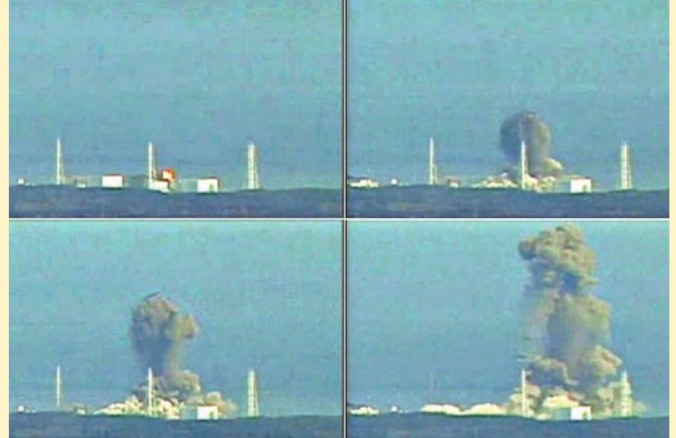
The Fukushima nuclear disaster of 2011 provides a crucial real-world example of the risks associated with nuclear power. In March 2011, Japan experienced its strongest earthquake ever recorded, followed by a devastating tsunami that severely damaged the Fukushima nuclear reactors on Japan's east coast.
Example
Timeline: Fukushima Nuclear Disaster (2011)
March 11: The earthquake occurred at 2:46 p.m., followed by a tsunami that caused extensive damage to the Fukushima nuclear power plant
March 12: The core of Reactor 1 suffered meltdown, and the first explosion took place at the plant, with the evacuation zone extended to 20 kilometers
March 19: Radioactivity above legal limits was detected in milk and vegetables in the Fukushima area
March 26: Radiation levels in seawater near the nuclear power plant increased significantly
April 22: Residents of villages in the Fukushima area were asked to evacuate due to high radiation levels
July 19: A ban was imposed on beef cattle from the area due to high radiation levels detected
August 22: The Japanese government announced that land around the nuclear plant might remain a "forbidden zone" for decades
September 29: Core temperature for all three damaged reactors dropped below 100°C for the first time
October 28: The damaged Fukushima plant was found to have released twice as much radioactivity into the atmosphere as authorities initially estimated
This disaster highlighted the vulnerability of nuclear facilities to natural disasters and the long-term consequences of nuclear accidents.
Global nuclear power distribution
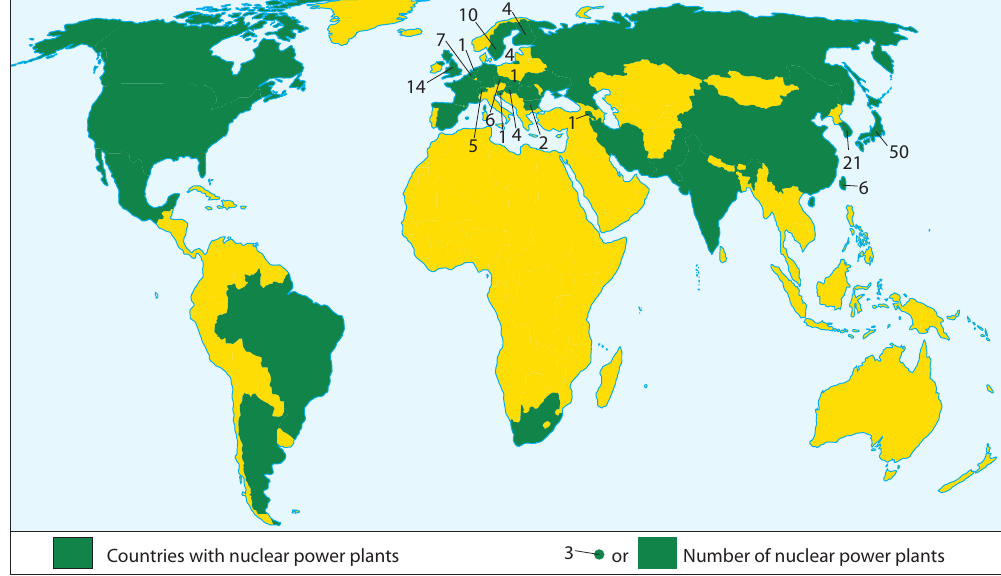
Nuclear energy plays varying roles in different countries' electricity generation strategies. Currently, there are 433 nuclear power stations worldwide, with this number potentially doubling by 2030.
Note
Global Nuclear Power Patterns
The global distribution of nuclear power plants shows clear geographical patterns. Countries with nuclear power facilities are concentrated in North America, Europe, and parts of Asia, while much of Africa, parts of South America, and Australia have no nuclear power infrastructure. The United States leads with the highest number of nuclear plants, followed by countries like Russia, France, China, and Japan.
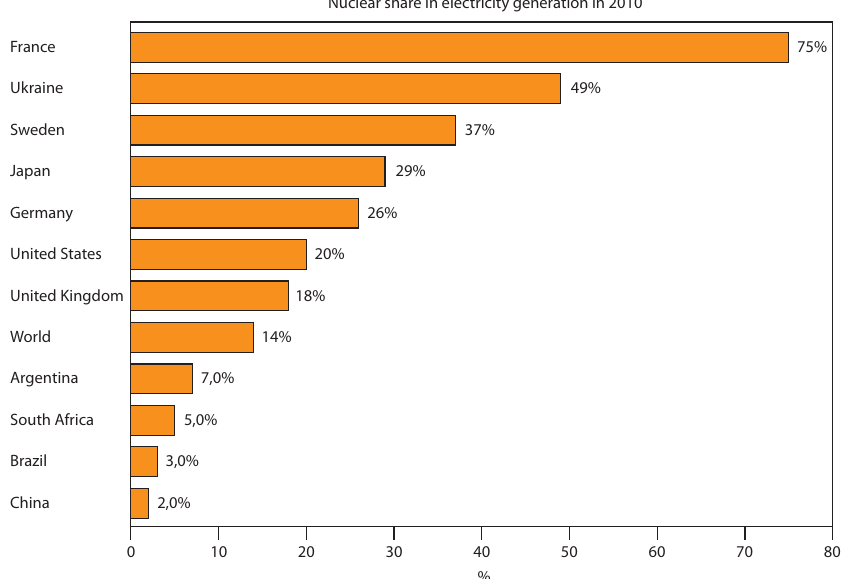
The percentage of electricity generated by nuclear power varies dramatically between countries. France leads significantly with 75% of its electricity coming from nuclear power, followed by Ukraine at 49% and Sweden at 37%. Other notable countries include Japan (29%), Germany (26%), United States (20%), and the United Kingdom (18%). The global average stands at 14%, with some developing countries like Argentina (7%), South Africa (5%), Brazil (3%), and China (2%) having much smaller nuclear shares.
South Africa's nuclear energy programme
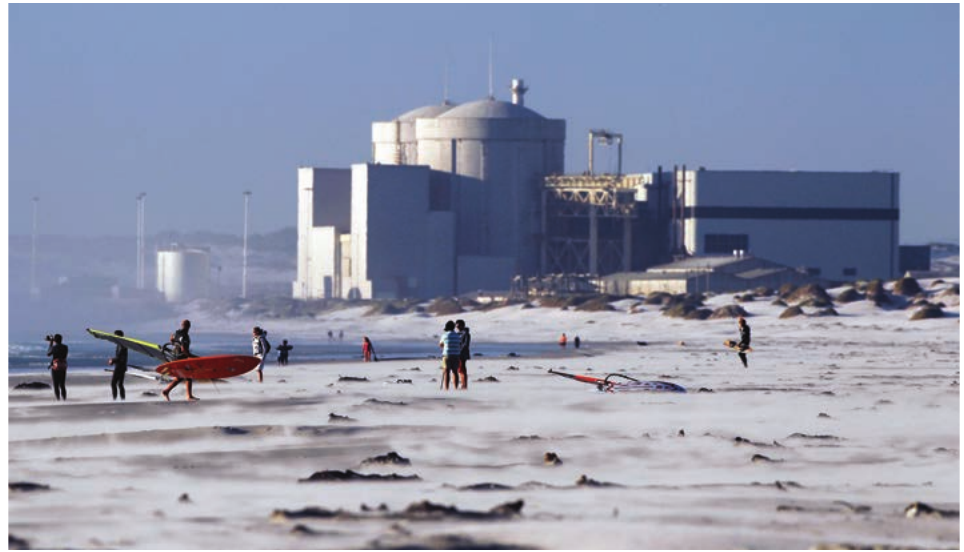
South Africa opened its first nuclear power plant in 1984 and currently operates two nuclear reactors, both located at Koeberg in the Western Cape. Nuclear energy provides approximately 5% of South Africa's electricity supply.
The government's energy plans have outlined proposals to build six additional nuclear reactors, with each new reactor designed to produce 1,600 MW of electricity. These expansion plans suggest that nuclear energy could potentially provide up to one-third of South Africa's electricity by 2030.
Note
Nuclear Expansion Debate in South Africa
There is significant debate about these nuclear expansion plans. Environmental groups express concerns about nuclear safety and waste disposal, particularly pointing out that Koeberg already produces about 20 tonnes of radioactive waste every 18 months. Currently, South Africa's nuclear power plants store their high-level waste on-site, which critics argue is not a long-term solution.
The country is also exploring new nuclear technology, supporting the development of pebble bed reactors (PBRs). These reactors claim to be safer and more efficient than conventional nuclear reactors, being gas-cooled rather than water-cooled and producing less radioactive waste. Both South Africa and China are developing this pebble bed nuclear technology.
Despite global trends toward reducing nuclear investment, South Africa has strengthened its commitment to nuclear power, even as European countries like Germany and Switzerland have announced plans to phase out their nuclear programs. Government officials emphasize the importance of nuclear and renewable energy in South Africa's future energy mix, arguing that nuclear power plants can operate safely and earn public trust.
Summary
Key Points to Remember:
- Nuclear power is extremely efficient - one tonne of uranium produces the same electricity as 120,000 tonnes of coal, but creates much less waste
- The main advantages of nuclear power include high energy efficiency, low pollution, and small space requirements, while disadvantages include radiation dangers, waste disposal challenges, and high costs
- Nuclear waste remains dangerous for thousands of years, making long-term storage one of the biggest challenges facing nuclear energy
- The 2011 Fukushima disaster demonstrated how natural disasters can trigger nuclear emergencies with long-lasting consequences for people and the environment
- Global nuclear power distribution is uneven, with some countries like France generating 75% of electricity from nuclear power while others have no nuclear facilities at all