Environmental Issues That Cause Ill Health (Grade 11 NSC Matric Life Orientation): Revision Notes
📚Revision Notes
Environmental Issues That Cause Ill Health
Environmental problems around us can seriously damage our health and wellbeing. In South Africa, we face many environmental challenges that can make people sick or even cause death. Understanding these issues helps us protect ourselves and our communities from harm.
Harmful substances in food production
The food we eat every day may contain dangerous chemicals and substances that harm our health. These substances are often added during farming, processing, and packaging to make food grow faster, last longer, or look more appealing. However, many of these chemicals can cause serious illness.
Important
The cumulative effect of consuming small amounts of these harmful substances over time can lead to serious health problems, including cancer, antibiotic resistance, and organ damage.
Common harmful substances in our food
Antibiotics are medicines given to farm animals to prevent disease and help them grow faster. When we eat meat or drink milk from these animals, we absorb small amounts of antibiotics. Over time, this makes antibiotics less effective when we actually need them to fight infections. This creates antibiotic resistance, making it harder to treat diseases.
Artificial hormones like rBST are injected into cows to increase milk production. These hormones can cause painful swelling in the cow's udder and may increase cancer risk in humans, particularly colon and breast cancer.
Note
Animal by-products and hormones are particularly concerning because they can bioaccumulate in human tissue, meaning their effects become stronger over time rather than being eliminated from the body.
Animal by-products include parts of animals not normally eaten by humans, such as bones, hooves, and blood. These are often processed into animal feed, but can spread diseases like foot-and-mouth disease and mad cow disease between animals and potentially to humans.
Pesticides are chemicals used to kill insects, weeds, and germs that damage crops. Some toxic pesticides can build up in our body fat and make us ill. They can also contaminate drinking water when they wash off farmland into rivers and dams.
Food additives are chemicals used to preserve food and make it look more attractive. These include artificial colours (like Blue 2, Green 3), flavour enhancers, and preservatives. Some people are allergic to these additives, while others may experience breathing difficulties or attention problems when consumed in large amounts.
Plastics used in food packaging can release harmful chemicals into food and drinks. When not recycled properly, these plastics pollute the environment and can damage human health through chemical exposure.
Inhumane farming methods
Factory farming, also known as intensive farming, involves keeping large numbers of animals like pigs and chickens in very small, enclosed spaces. This cruel practice prioritises profit over animal welfare, leading to serious health and environmental problems.
Effects on animals and health
Animals in factory farms experience terrible living conditions. They never see sunlight, breathe fresh air, or move freely. Instead, they live in discomfort and frustration every day of their lives. These stressed animals are often diseased and require regular injections of antibiotics and growth hormones to survive.
Important
The meat from these unhealthy animals poses significant health risks to consumers. The overuse of antibiotics in factory farming is a major contributor to antibiotic-resistant bacteria, creating "superbugs" that are extremely difficult to treat in humans.
The meat from these unhealthy animals poses health risks to consumers. The overuse of antibiotics in factory farming contributes to the development of antibiotic-resistant bacteria, making it harder to treat human infections.
Environmental and social impact
Factory farming causes significant environmental damage through the production of greenhouse gases that contribute to climate change. The large amounts of grain and soya fed to factory-farmed animals could instead feed many more people directly, helping address food security issues.
Additionally, factory farming can lead to rural unemployment as small-scale farmers cannot compete with large industrial operations, putting traditional farming communities out of business.
Environmental degradation and health hazards
Environmental degradation refers to the damage or destruction of our natural environment. Human activities create various environmental hazards that directly threaten our health and wellbeing.
Soil erosion
Soil erosion occurs when wind and water remove fertile topsoil faster than it can naturally form. Once destroyed, soil takes many years to regenerate, making this a serious long-term problem.
Causes of soil erosion include:
- Overgrazing by too many animals in one area
- Deep ploughing that destroys soil structure
- Planting crops on slopes instead of following contour lines
- Deforestation, which removes tree roots that hold soil together
Note
Soil formation is an extremely slow process - it can take 500 to 1,000 years to form just one inch of topsoil naturally. This makes soil conservation crucial for long-term food security.
Health impacts: Soil erosion reduces the land's ability to grow healthy food, leading to food insecurity and malnutrition. Eroded soil can also contaminate water sources, making them unsafe to drink, and contribute to flooding that damages communities.
Pollution
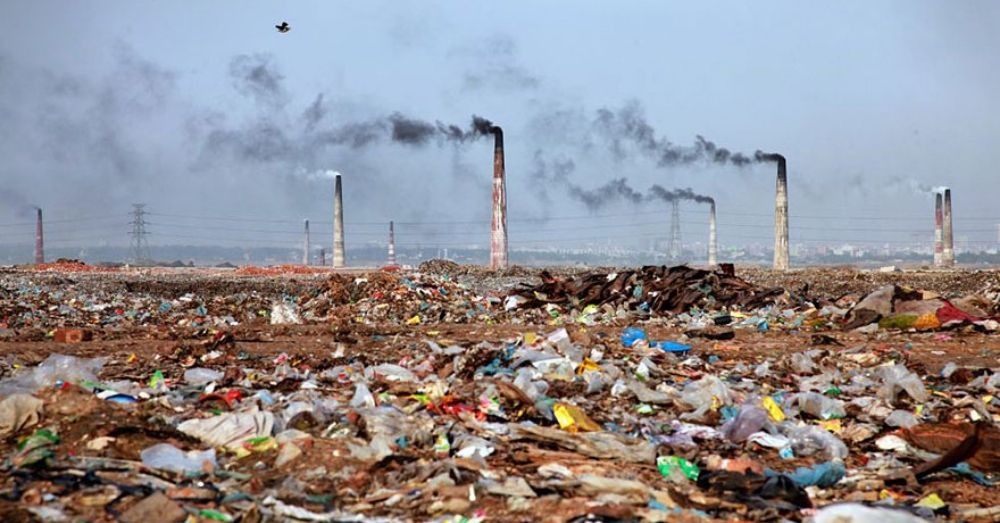
Pollution makes our air, water, and land dirty and unsafe for human use. Different types of pollution cause various health problems.
Water pollution
Water becomes polluted when harmful substances contaminate rivers, lakes, dams, and groundwater supplies.
Sources of water pollution:
- Soil runoff carrying bacteria and viruses into water sources
- Industrial chemicals and heavy metals from factories and mines
- Untreated sewage containing disease-causing organisms
- Agricultural fertilisers and pesticides washing into water systems
Important
Polluted water is one of the leading causes of illness and death worldwide. Even small amounts of contamination can cause serious diseases, particularly in children and people with weakened immune systems.
Health effects: Polluted water can cause diarrhoea, cholera, typhoid fever, and other waterborne diseases. Heavy metals like lead and mercury are toxic and can cause serious health problems, especially in children.
Air pollution
Air pollution affects our breathing and can cause serious respiratory diseases like asthma and bronchitis. Children, elderly people, and those with existing heart and lung problems are particularly vulnerable.
Outdoor air pollution sources:
- Burning coal for energy, producing harmful gases
- Vehicle exhaust fumes containing carbon monoxide and other toxic substances
- Industrial processes releasing dangerous chemicals
- Smoke from fires and burning waste
Note
Indoor air pollution can be even more dangerous than outdoor pollution because people spend approximately 90% of their time indoors, where pollutant concentrations can be 2-5 times higher than outdoors.
Indoor air pollution can be even more dangerous than outdoor pollution because people spend most of their time inside. Burning coal indoors or working with harmful chemicals creates concentrated pollution that can cause lung cancer, heart disease, and respiratory infections.
Land pollution
Land pollution damages the Earth's surface through improper waste disposal and harmful activities.
Causes include:
- Rubbish dumps that attract disease-carrying pests
- Mining operations that destroy landscapes and poison soil
- Urban development that reduces green spaces
- Poor sewage management leading to contaminated land
Other environmental hazards
Radiation: While most natural radiation is harmless, excessive exposure to ultraviolet radiation from the sun can cause skin cancer. Damage to the ozone layer allows more harmful radiation to reach Earth, increasing health risks.
Floods are common environmental disasters that can destroy homes, contaminate water supplies, damage infrastructure, and spread waterborne diseases. Climate change is making floods more frequent and severe.
Important
Climate change is intensifying many environmental hazards, making floods, droughts, and extreme weather events more frequent and severe. This multiplies the health risks to communities across South Africa.
Fires can be caused by lightning, accidents, or human activities. They destroy homes and crops, kill people and animals, damage power supplies, and create dangerous smoke that affects air quality and visibility.
Wind damage from storms and hurricanes can cause severe property damage, uproot trees that may injure people, and disrupt essential services like electricity and transportation.
Loss of open space occurs when growing populations require more land for housing and development. This reduces green spaces needed for recreation and environmental health, while inadequate infrastructure leads to poor sanitation, pollution, and health problems.
Resource depletion and health impacts
Resource depletion happens when we use natural resources faster than they can be replaced naturally. This creates serious problems for human health and environmental sustainability.
Overfishing
Many communities depend on fishing for food security and income. However, overfishing removes so many adult fish from the ocean that not enough remain to breed and maintain fish populations.
Consequences of overfishing:
- Entire fish species can disappear permanently
- Marine ecosystems become damaged when fishing methods destroy coral reefs and sea plants
- Fishing communities lose their source of income and food
- People who rely on fish for protein may suffer from malnutrition
Note
Fish provide essential nutrients, particularly omega-3 fatty acids and high-quality protein. When fish populations collapse, entire communities can face serious nutritional deficiencies and economic hardship.
Deforestation for firewood
Many people depend on firewood for cooking and heating, especially in rural areas. However, cutting down too many trees creates multiple problems.
Effects of excessive tree cutting:
- Some tree species may become extinct
- Soil erosion increases without tree roots to hold soil in place
- People must travel further to find firewood, using valuable time and energy
- Animals and birds lose their natural habitats
- Climate change worsens because trees normally absorb carbon dioxide from the atmosphere
- Invasive alien plants may take over cleared land, increasing fire and erosion risks
Land depletion
Poor farming practices can exhaust the land's ability to grow healthy crops.
Harmful practices include:
- Growing the same crops repeatedly without giving soil time to recover
- Allowing cattle to overgraze, removing protective plant cover
- Using excessive pesticides and fertilisers that poison the soil
- Converting farmland to buildings and industrial use
Important
Once fertile land becomes depleted, it can take decades to restore its productivity. This threatens long-term food security and forces communities to rely on expensive, imported food.
Solutions and alternatives
Despite these serious challenges, there are practical solutions that can help protect both human health and the environment. Communities across South Africa are developing innovative approaches to environmental problems.
Example
Successful Community Solutions
For example, some communities have discovered cleaner ways to burn coal that produce less harmful smoke, reducing indoor air pollution. Others are exploring alternative energy sources like marula nuts, which can burn more efficiently than traditional firewood while providing sustainable income for local people.
Supporting sustainable farming practices, reducing waste, conserving water, and choosing environmentally friendly products are all ways individuals can help address these environmental health challenges.
Summary
Key Points to Remember:
- Environmental issues like pollution, resource depletion, and habitat destruction directly threaten human health and wellbeing
- Harmful substances in food production, including pesticides, antibiotics, and artificial hormones, can cause serious health problems over time
- Factory farming creates both animal welfare concerns and human health risks through antibiotic resistance and environmental pollution
- Environmental hazards such as soil erosion, water pollution, and air pollution affect entire communities and require collective action to address
- Resource depletion, particularly overfishing and deforestation, threatens food security and sustainable livelihoods for many South African communities