Biodiversity and Classification of Micro-Organisms (Grade 11 NSC Matric Life Sciences): Revision Notes
📚Revision Notes
Immunity and Antibiotics
What is immunity?
Immunity is the body's natural ability to defend itself against infections and diseases caused by harmful microorganisms like bacteria, viruses, fungi, and parasites. Think of it as your body's personal security system that works around the clock to keep you healthy.
Note
Your immune system is like a sophisticated security network that never sleeps, constantly patrolling your body to identify and eliminate threats before they can cause harm.
Key terminology
Understanding the language of immunity is essential for grasping how your body protects itself. Here are the most important terms you need to know:
Lymphocyte: These are special white blood cells that serve as your body's elite soldiers in the fight against infection. They can recognise specific threats and mount targeted attacks.
Antigen: This is any foreign substance or molecule that your immune system recognises as potentially dangerous. Antigens act like "danger signals" that trigger your body's defensive responses.
Antibody: These are Y-shaped proteins that your immune system produces to target specific antigens. Think of them as guided missiles that lock onto their targets and neutralise them.
Phagocytosis: This is the process where certain immune cells literally "eat" harmful particles by surrounding and engulfing them. The word comes from Greek terms meaning "to eat cells."
Lysosome: These are tiny structures inside cells that contain powerful digestive enzymes. They act like cellular recycling centres, breaking down harmful materials that have been engulfed.
Vaccine: A specially prepared mixture containing weakened or dead disease-causing organisms. When introduced into your body, it trains your immune system to recognise and fight specific diseases without making you seriously ill.
Antibiotic: These are medicines derived from living organisms (like fungi or bacteria) that can kill or stop the growth of harmful bacteria and fungi. They're like biological weapons that target specific types of germs.
How plants defend against infections
Plants might seem defenceless, but they have sophisticated ways of protecting themselves from disease-causing microorganisms.
First line of defence in plants
Plants rely primarily on physical barriers to prevent pathogens from entering their tissues. The waxy cuticle on leaves and bark on stems create tough outer layers that most microorganisms cannot penetrate easily. The tightly packed cells in the epidermis provide an additional barrier.
Note
When a plant does get injured, it doesn't just sit there helplessly. It can produce sticky substances like gums and resins that seal wounds quickly, preventing pathogens from entering through damaged areas.
Second line of defence in plants
If pathogens do manage to get inside, plants activate their internal defence system. When infected, plants release chemical alarm signals like salicylic acid through their transport system (phloem) to warn uninfected parts of the plant.
These unaffected areas respond by producing various chemical compounds that can kill or inhibit the growth of pathogens. It's like the plant sending out a chemical emergency broadcast that helps other parts prepare their defences.
How animals defend against infections
Animals, including humans, have much more complex immune systems than plants because they face more diverse threats and need more sophisticated responses.
Types of immunity in animals
There are two main types of immunity that animals possess:
Natural immunity: This is the immunity you're born with. It includes general defences that work against many different types of pathogens, like your skin barrier and certain white blood cells.
Acquired immunity: This develops throughout your life as you're exposed to different pathogens. Your body "learns" to recognise specific threats and creates targeted defences against them.
First line of defence in animals
Your body has multiple barriers designed to stop pathogens from entering in the first place:
- Multi-layered skin: Acts as a physical barrier that most pathogens cannot cross
- Antiseptic tears: Contain enzymes that can kill bacteria before they reach your eyes
- Mucus-lined airways: Trap pathogens in sticky mucus that can be coughed or sneezed out
- Saliva enzymes: Destroy many harmful microorganisms in your mouth
- Ear wax: Traps pathogens and prevents them from entering the ear canal
- Stomach acid: Creates an extremely acidic environment that kills most pathogens that enter through food or drink
Second line of defence in animals
If pathogens break through the first line of defence, your body activates two types of responses:
Note
Primary response: This is your body's immediate reaction to invasion. It includes inflammation (swelling and redness) around infected areas and fever, which raises your body temperature to create conditions that are hostile to many pathogens.
Secondary response: This involves activating your adaptive immune system, which can specifically target the invading pathogens and create a "memory" of them to prevent future infections.
Your immune system involves two main groups of white blood cells: lymphocytes and phagocytes, each with specialised roles in defending your body.
Lymphocytes
Lymphocytes are found throughout your body in tissues like the tonsils, lymph nodes, spleen, and circulating in your bloodstream. There are two main types: B-lymphocytes and T-lymphocytes.
B-lymphocytes and antibodies
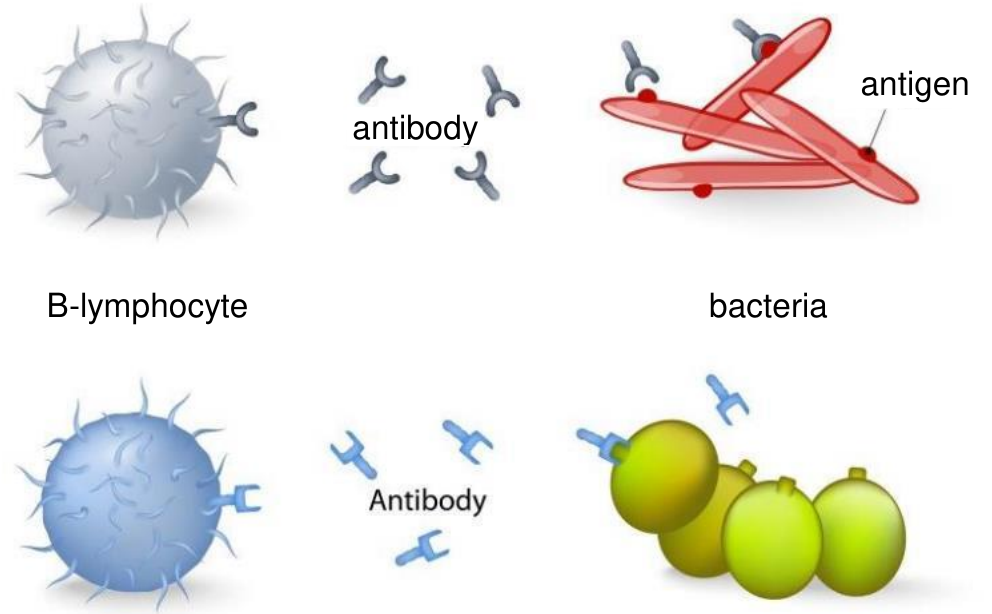
B-lymphocytes are like your body's weapons manufacturers. They recognise foreign antigens on the surface of pathogens and respond by producing specific proteins called antibodies.
Important
The relationship between antigens and antibodies works like a lock and key system. Each antibody is specifically designed to bind to one particular antigen, making it highly effective at targeting specific threats.
Antibodies destroy harmful microorganisms through several mechanisms:
- Causing bacterial cells to burst: They can weaken cell walls until the bacteria explode
- Labelling pathogens: They mark germs for destruction by other immune cells like phagocytes
- Clumping pathogens together: This makes them easier for other immune cells to recognise and destroy
- Neutralising toxins: They can bind to and neutralise poisonous substances produced by bacteria
When B-lymphocytes encounter the same pathogen again, they respond much more quickly. This rapid response is the basis of natural immunity and explains why you usually don't get the same disease twice.
T-lymphocytes
T-lymphocytes are mainly found in lymph glands and have two important subtypes:
CD4 cells (also called helper cells): These coordinate the immune response by signalling other immune cells to spring into action. They're like the generals directing the battle against infection.
Killer T-cells: These directly attack and destroy body cells that have already been infected with viruses or parasites. They act like special forces units that eliminate compromised cells before the infection can spread.
Phagocytes
Phagocytes are immune cells that specialise in engulfing and destroying pathogens. The most important type are macrophages, which are large cells capable of identifying and consuming bacteria.
Example
How Phagocytosis Works:
Step 1: Macrophages use extensions called pseudopodia (meaning "false feet") to surround and engulf bacteria
Step 2: The captured bacteria are contained in structures called vacuoles inside the macrophage
Step 3: These vacuoles fuse with lysosomes, which are filled with powerful digestive enzymes
Step 4: The enzymes break down and destroy the captured bacteria, effectively eliminating the threat
Vaccinations
Vaccination is one of medicine's greatest achievements, providing artificial immunity against dangerous diseases.

Important
A vaccine contains dead, weakened, or fragmented microorganisms (or their toxins) that can stimulate antibody production by lymphocytes without causing serious disease. When you receive a vaccination, your immune system learns to recognise these antigens and produces antibodies against them.
The process of vaccination creates what's called "artificially acquired active immunity". The antibodies remain in your bloodstream and provide long-lasting protection against the disease. If you're ever exposed to the actual pathogen, your immune system can respond quickly and effectively.
Common childhood vaccinations protect against diseases like measles, mumps, and rubella. These vaccines have dramatically reduced the incidence of these once-common and dangerous diseases.
Antibiotics
Antibiotics are powerful medicines that specifically target bacterial and fungal infections. However, it's crucial to understand that antibiotics cannot fight viral infections because viruses operate differently from bacteria and fungi.
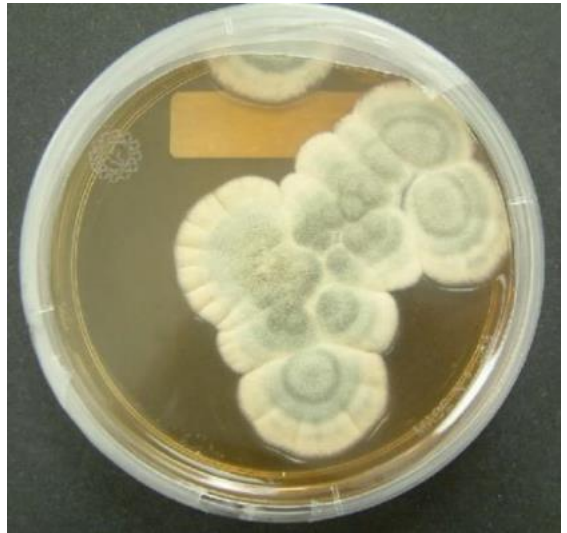
The most famous antibiotic is penicillin, which is produced by a fungus called Penicillium. This groundbreaking medicine was discovered by Alexander Fleming in 1929, revolutionising the treatment of bacterial infections.
How antibiotics work
Antibiotics target specific parts of bacterial cells to kill them or stop their growth:
- Preventing cell wall formation: Without proper cell walls, bacteria cannot survive
- Damaging cell membranes: This causes the bacterial cell contents to leak out
- Stopping protein synthesis: Bacteria need proteins to function and reproduce
Antibiotic resistance
Important
One of the biggest challenges in modern medicine is antibiotic resistance. Bacteria can evolve to become resistant to antibiotics, which is why it's absolutely critical to complete the full course of any prescribed antibiotics.
When you don't finish your antibiotic treatment, you kill the weaker bacteria but leave the stronger, more resistant ones alive. These surviving bacteria can multiply and create populations that are much harder to treat.
This is why doctors always emphasise taking all your antibiotics, even if you feel better before finishing the course.
Summary
Key Points to Remember:
- Immunity is your body's defence system - it involves multiple layers of protection from physical barriers to specialised immune cells
- B-lymphocytes make antibodies - these Y-shaped proteins specifically target and neutralise antigens on pathogens
- T-lymphocytes destroy infected cells - CD4 cells coordinate responses while Killer T-cells eliminate compromised cells
- Vaccines create artificial immunity - by exposing your immune system to weakened pathogens so it can learn to fight them
- Antibiotics only work against bacteria and fungi - they cannot treat viral infections and must always be completed as prescribed to prevent resistance