Social Organisation (Grade 11 NSC Matric Life Sciences): Revision Notes
📚Revision Notes
Social Organisation
Social organisation is a fascinating aspect of population ecology that helps animals survive and thrive in their environments. When animals work together through organised behaviours, they significantly improve their chances of survival and reproductive success.
Note
Understanding social organisation is crucial for comprehending how species have evolved cooperative strategies that benefit entire populations, not just individuals.
What is social organisation?
Social organisation refers to interactions between individuals that increase survival chances through shared efforts. These cooperative behaviours benefit all members of the population by providing protection, improving hunting success, and ensuring the continuation of the species.
Key terminology
| Term | Definition |
|---|---|
| Social organisation | Interactions that increase the chances of survival through shared efforts of individuals benefiting the members of the population |
| Herding behaviour | Individuals in a group which act collectively without centralised direction |
| Pack hunting | Cooperative coordinated, purposeful movements in the catching and killing of prey |
Types of social organisation
Animals demonstrate several different types of social organisation, each providing specific survival advantages. The main types include herding, pack hunting, dominance hierarchies, and division of tasks.
Herding as a protective strategy
The saying "safety exists in numbers" perfectly describes herding behaviour. Many herbivorous species like wildebeest, buffalo and zebra form large herds as a survival strategy.
Note
Key benefits of herding:
- Multiple lookouts: With many animals in the group, there are always eyes watching for predators
- Protection of young: Vulnerable offspring are kept in the middle of the herd, surrounded by adults
- Reduced individual risk: Each animal has a lower chance of being caught by predators when part of a large group

Large migratory herds, like those seen during the Great Migration in Africa, demonstrate how effective this strategy can be for species survival.
Packs as a hunting strategy
Pack hunting represents a sophisticated form of social organisation where carnivores work together to catch prey. This strategy is particularly important for smaller to medium-sized predators that need to hunt animals larger than themselves.
Note
Advantages of pack hunting:
- Coordinated attacks: Pack members use strategic positioning and timing
- Taking down larger prey: Groups can successfully hunt animals much bigger than individual pack members
- Higher success rate: Cooperative hunting is more efficient than solo attempts
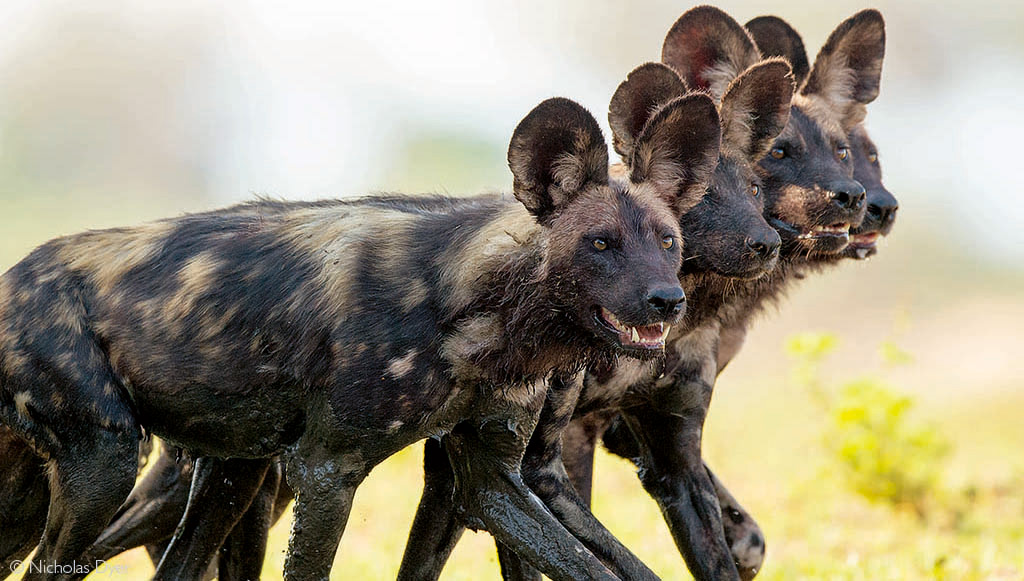
Example
Real-World Example: African Wild Dogs
African wild dogs are excellent examples of pack hunters. These highly social animals live in organised packs and demonstrate remarkable cooperation when hunting, caring for young, and protecting their territory. Their hunting success rate can reach up to 80% when working as a coordinated pack.
Dominance as a protective and reproductive strategy
In many animal groups, individuals naturally compete until a hierarchy forms with dominant leaders called alpha members. This dominance system serves multiple important functions in animal societies.
Important
How dominance hierarchies work:
- Stronger individuals compete for leadership positions
- The group establishes a clear hierarchy that reduces ongoing conflict
- Alpha members can be either male or female, depending on the species
- Leadership often alternates between sexes in different species
Benefits of dominance systems:
- Reduced conflict: Once hierarchy is established, fighting decreases
- Reproductive quality: Strong parents produce offspring more likely to survive
- Group organisation: Clear leadership helps coordinate group activities
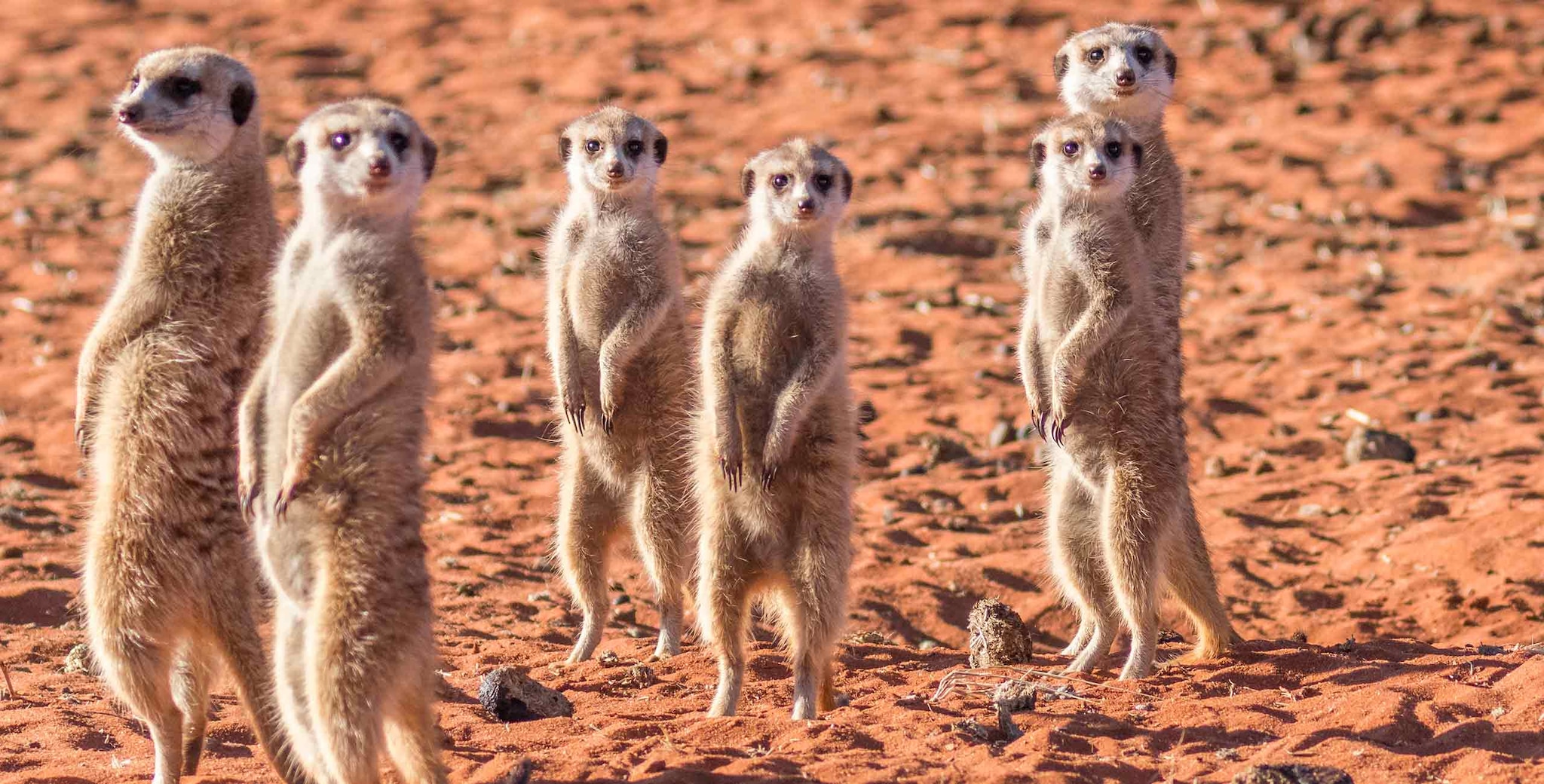
Meerkats provide a perfect example of dominance hierarchies, where groups are led by a dominant breeding pair that coordinates the mob's activities and reproductive behaviour.
Division of tasks (castes)
The most complex form of social organisation occurs in colonial insects like bees, wasps, termites and ants. These societies feature a sophisticated division of labour where each individual has a specific role.
Note
The three main castes are:
- Reproductive caste: Usually consists of one queen and male drones whose primary role is reproduction
- Soldier caste: Larger, more robust individuals responsible for defending the colony from attacks
- Worker caste: The majority of the colony, responsible for foraging, building, and caring for the queen and young
Why caste systems work:
- Each caste specialises in specific tasks, making the colony highly efficient
- All castes are interdependent - none can survive alone
- The collective effort ensures species survival through specialisation
Important
The remarkable thing about caste systems is that individual insects sacrifice their own reproductive potential for the good of the entire colony, demonstrating one of nature's most advanced forms of cooperation.
Summary
Key Points to Remember:
- Social organisation improves survival through cooperative behaviours that benefit all group members
- Herding provides safety in numbers - many eyes watch for danger and protect vulnerable young
- Pack hunting allows coordination - smaller predators can take down larger prey through teamwork
- Dominance hierarchies reduce conflict while ensuring the strongest individuals lead reproduction
- Division of tasks creates efficiency - specialised roles in insect colonies maximise survival success