Educational and Intervention Programmes (Grade 12 NSC Matric Life Orientation): Revision Notes
📚Revision Notes
Educational and Intervention Programmes
What are educational and intervention programmes?
Educational and intervention programmes play a crucial role in promoting safe and healthy living in South African communities. These programmes are designed to address various health, social, and environmental challenges that affect people's wellbeing.
Important
Understanding the difference between educational and intervention programmes is essential for recognising how communities address various challenges.
Educational programmes focus on teaching people and raising awareness about important issues that impact their lives. They aim to inform communities and help them understand problems they may face.
Intervention programmes take a more direct approach by addressing specific and urgent problems with practical solutions. These programmes actively work to improve situations and solve existing challenges.
Who runs these programmes?
A wide range of organisations work together to deliver these important programmes across South Africa. This collaborative approach ensures comprehensive coverage of community needs.
Note
The diversity of organisations involved in programme delivery means that different sectors bring their unique expertise and resources to address community challenges effectively.
- Non-governmental organisations (NGOs) - Independent groups focused on community development
- Government departments - Particularly the Department of Health and municipalities
- Educational institutions - Schools and universities that implement community programmes
- Businesses - Private companies contributing to social responsibility
- Community centres - Local hubs that serve their neighbourhoods
- Religious institutions - Faith-based organisations supporting their communities
This variety ensures that programmes can reach different communities and address diverse needs across South Africa.
Examples of successful programmes
iThembaLethu NGO
Example
Programme Example: iThembaLethu HIV Prevention
Location: Cato Manor, Durban Focus: HIV prevention and support Target: School-aged youth and community members
Key Activities:
- School-based intervention programmes to reduce HIV infection rates
- Support for adoption of babies orphaned by HIV and AIDS
- Community education about HIV prevention methods
- Ongoing support services for affected families
Community Health Intervention Programmes (CHIPs)
These programmes promote healthier lifestyles in Cape Town through structured physical activity programmes designed to address rising health concerns.
Example
Programme Example: CHIPs OptiFit Programme
Target audience: People aged 18-55 years
Activities: Walking, running, aerobics, and indoor circuit training
Purpose: Address the growing number of people with hypertension and diabetes
Location: Community centres across Cape Town
Special feature: Structured OptiFit programme for comprehensive fitness activities
Sports intervention programmes
Municipal and NGO-run programmes use sport as a tool to address multiple community issues simultaneously:
- Encourage youth participation in healthy exercise
- Reduce crime, racism, and substance abuse
- Raise HIV and AIDS awareness through sport activities
- Include indigenous games, development programmes, and holiday camps
- Operate at community centres and sports fields nationwide
NICRO Safety Ambassadors
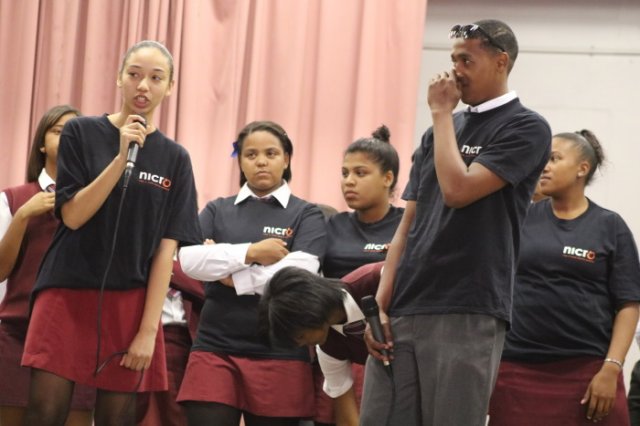
This intervention programme targets school-going youth aged 15-18 years to address critical social issues:
- Promote gender-based violence awareness
- Encourage community engagement among young people
- Provide life skills training through workshops
- Teach youth to take charge of their environment
- Address crime-related issues in schools and communities
Recycling Day initiatives
Usually held in September during Cleanup SA Week, these programmes combine environmental education with community action:
- Educate communities about recycling benefits
- Promote environmental responsibility
- Contribute to a cleaner, greener, and healthier South Africa
- Highlight social, environmental, and economic advantages of recycling
Youth Substance Abuse Prevention Programmes
Note
SANCA (South African National Council on Alcoholism and Drug Dependence) operates one of the most comprehensive substance abuse prevention networks in the country.
Run by SANCA across multiple locations in South Africa:
- Promote healthy lifestyles among young people
- Provide drug education in schools
- Develop leadership and life skills
- Operate through SANCA offices across South Africa
Understanding impact studies
Impact studies are essential tools for measuring whether programmes are working effectively. They help organisations understand if their interventions are making a real difference in communities.
Important
Impact studies are crucial for programme success because they provide evidence-based feedback that helps organisations improve their interventions and ensure resources are used effectively.
Impact studies involve several key processes:
- Measuring changes - Comparing situations before and after programme implementation
- Monitoring progress - Tracking improvements over time
- Evaluation methods - Using data collection to assess effectiveness
- Evidence-based decisions - Making programme improvements based on results
These studies are also known as audits or assessments and help ensure that resources are used effectively to create positive change.
Case study analysis: Sanitation intervention
Example
Case Study: Mobile Sanitation Intervention Programme
The Problem:
An informal settlement lacked proper sanitation facilities. Residents used shared 100-litre bucket toilets that were not maintained properly, leading to frequent illness and poor living conditions.
The Intervention:
Mobile toilet facilities were installed with comprehensive improvements:
- Separate toilets for men, women, and children
- Better toilet-to-person ratio (from 1:23 to 1:20)
- Trained community caretakers employed to maintain facilities
- Hand-washing facilities with water and soap provided
- Municipality-supplied toilet paper
- Proper waste separation system
Measuring Success - Impact Study Results:
The before and after comparison showed significant improvements:
- Reduced episodes of diarrhoea in all age groups
- Eliminated groundwater pollution
- Improved community satisfaction ratings
- Reduced vandalism of facilities
- Better overall hygiene and health outcomes
This case study demonstrates how well-planned intervention programmes can address urgent community needs while creating employment opportunities and improving quality of life.
Summary
Key Points to Remember:
- Educational programmes teach and create awareness, while intervention programmes solve urgent problems with practical solutions
- Many different organisations work together to deliver programmes, from NGOs to government departments
- Impact studies are crucial for measuring whether programmes are actually working and making a difference
- Successful programmes like iThembaLethu, CHIPs, and NICRO show how targeted interventions can address specific community challenges
- Before and after comparisons help demonstrate the real impact of intervention programmes on people's lives