Key Developments That Allowed Modernisation to Take Place in Japan (HSC SSCE Modern History): Revision Notes
📚Revision Notes
Key Developments That Allowed Modernisation to Take Place in Japan
Introduction
Japan's modernisation in the nineteenth century was not inevitable but resulted from specific internal weaknesses and external pressures. Understanding these key developments is essential for grasping how feudal Japan transformed into a modern nation-state during the Meiji period.
Note
The transformation of Japan from an isolated feudal society to a modern nation-state represents one of the most remarkable examples of rapid modernisation in world history. This process was driven by a complex interplay of domestic pressures and foreign intervention.
Tokugawa Japan: the foundation of isolation
In 1543, European explorers first arrived in Japan. Throughout the 1500s, Portuguese and Spanish traders and Christian missionaries visited the isolated nation. Japanese rulers grew increasingly concerned about foreign influence, particularly Christianity's challenge to traditional Buddhism and Shinto beliefs.
Key terms:
- Shinto: a Japanese religion involving worship of ancestors and gods representing natural forces
- Edicts: official orders or decrees
In the late 1500s, ruler Toyotomi Hideyoshi issued edicts forbidding Christianity and trade with foreigners. After his death in 1598, the powerful Tokugawa Shogunate took control.
The Tokugawa Shogunate (1600-1868)
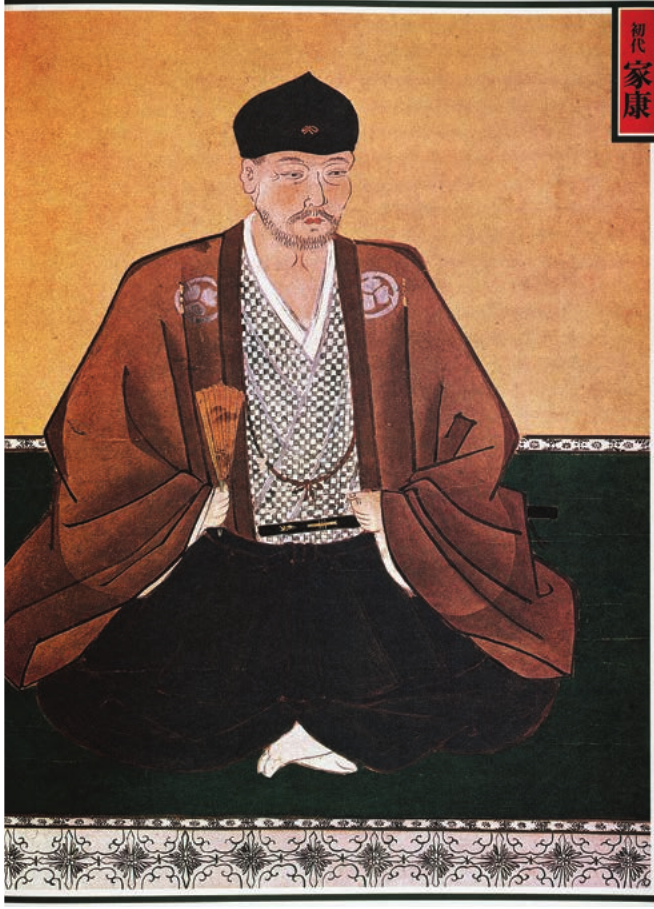
From 1600 onwards, Tokugawa Ieyasu (the Shogun) united warring factions and established autocratic control. The Shogun:
- Regulated all aspects of daily life
- Controlled trade, currency, and religion
- Rejected Western contact and Christian teachings
- Imposed the Seclusion Edicts in 1635, almost completely excluding Westerners from Japan
Important
The Seclusion Edicts of 1635 marked the beginning of Japan's sakoku (closed country) policy, which would last for over two centuries. This period of almost complete isolation from the outside world profoundly shaped Japanese society and created the conditions that would make modernisation both necessary and challenging.
Key terms:
- Shogun: the military dictator of Japan during the feudal period (1603-1868)
- Autocratic: a political system where the ruler has complete power, not limited by constitution or parliament
- Seclusion Edicts: official orders of 1635 isolating Japan from the rest of the world
The decline of the bakufu
Understanding the feudal structure
The Emperor of Japan existed as a weak figurehead, subject to the dominance of the bakufu government controlled by the Shogun. This feudal system maintained strict control over society through a rigid hierarchy.
Key terms:
- Bakufu: the system of military government that operated in Japan from 1192 to 1868, with powers extending to all matters of feudal life under the Tokugawa Shogunate
- Feudalism: a system regulating life during the Tokugawa period, where daimyo (lords) provided land to peasants in exchange for taxes, and protected them with samurai warriors
- Daimyo: powerful landholding nobles in Japan from the tenth century until the late nineteenth century
- Samurai: members of a military class of high social rank (eleventh to nineteenth centuries)
The feudal hierarchy
Japanese feudal society consisted of distinct classes arranged in a rigid social structure:
- Emperor - figurehead with no real power
- Shogun - political leader with actual control
- Daimyo - noble lords of different clans
- Samurai - highly skilled warriors
- Ronin - paid soldiers without masters
- Peasants - farmers and fishermen (90% of the population)
- Artisans - craftspeople
- Merchants - salespeople (lowest class)
Note
The placement of merchants at the bottom of the social hierarchy, despite their growing economic power, created a fundamental contradiction in Tokugawa society. This tension between social status and economic reality would become increasingly destabilising as Japan commercialised.
The samurai were highly skilled warriors trained in bushido (the way of the warrior), comparable to European chivalry. They were literate, capable fighters who served their daimyo lords.
The sankin kotai system
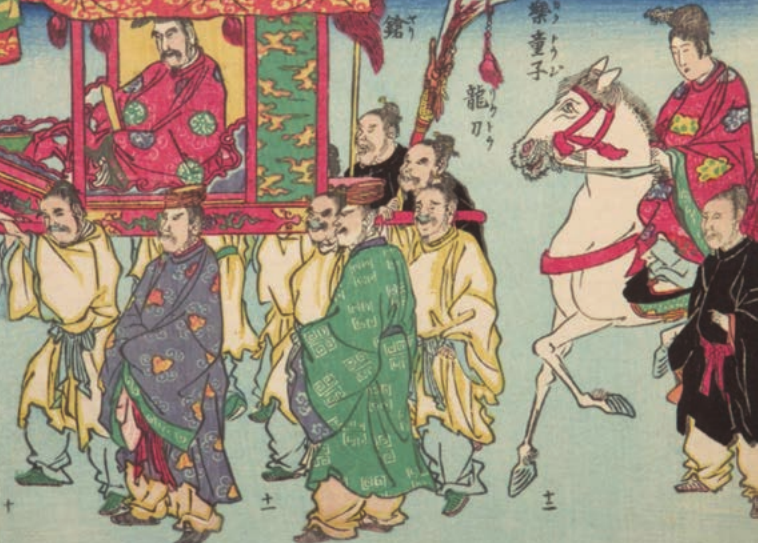
The Shogun implemented a control mechanism called sankin kotai (alternate attendance):
- Daimyo were required to spend one full year at the Shogun's court in Edo
- Families and children remained in the provinces as hostages
- This system deliberately reduced the financial and military power of the daimyo
- It prevented clans from uniting against the Shogunate
Important
The sankin kotai system was a double-edged sword:
While it successfully prevented daimyo rebellion by draining their resources and keeping their families as hostages, it also created the very conditions that would undermine Shogunate authority. The financial strain on daimyo led to widespread discontent and made them receptive to alternative power structures.
Consequences of sankin kotai:
- Daimyo had to fund their own court residences
- Financial resources were stretched, meaning samurai were often poorly paid or given limited rice rations
- This created conflict and tension within the feudal structure
- Peasants were heavily taxed to increase daimyo resources
Feudalism in decline and the changed role of the samurai
Growing discontent among social classes
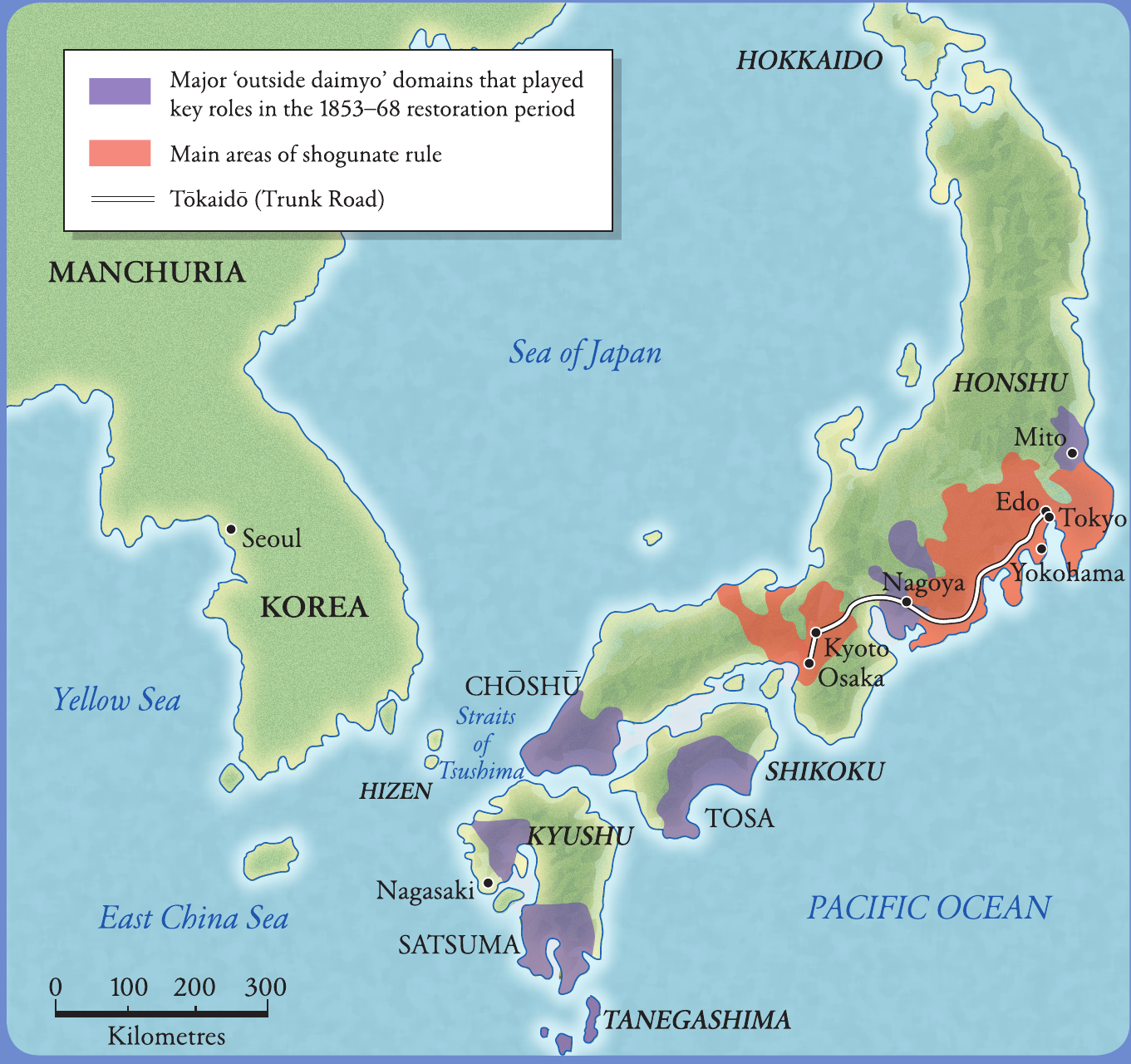
Several daimyo clans opposed the Tokugawa Shogun, particularly those from:
- Hizen
- Tosa
- Satsuma
- Choshu
These clans resented the bakufu government and the sankin kotai system, which made it difficult to maintain their domains and pay stipends (monthly living allowances, usually paid in rice) to the samurai class.
Note
The four clans of Hizen, Tosa, Satsuma, and Choshu would later become known as the rebellious southwestern domains. Their geographic distance from Edo and their historical resentment of Tokugawa control made them natural leaders in the movement to restore imperial power.
Key term:
- Stipend: a monthly living allowance paid in kind, usually in rice
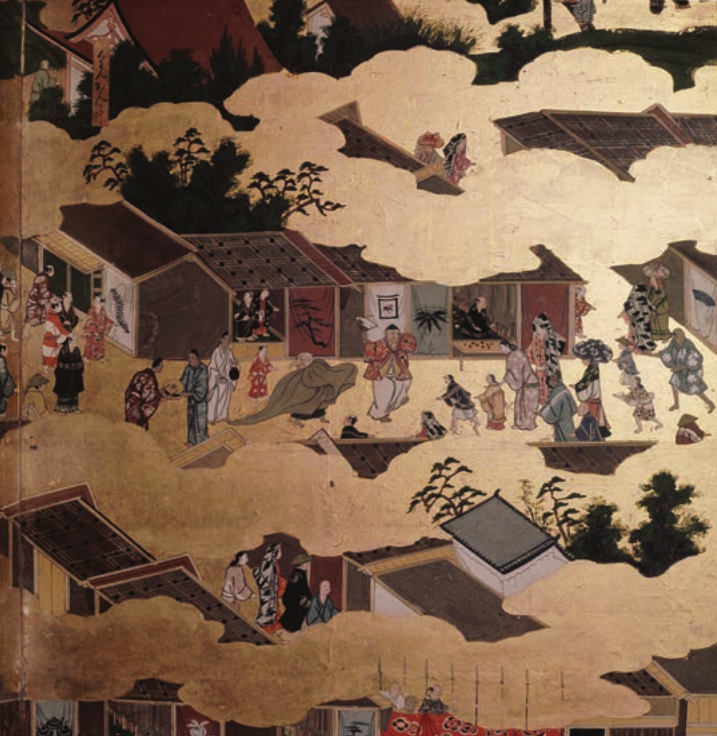
The rise of the merchant class
As Japan became increasingly commercialised and moved from an agricultural system, significant changes occurred:
- Rice payments were replaced with money as the main currency
- Discontent samurai, impoverished by the system, borrowed money from the chonin (merchant class)
- The wealth of the chonin eventually exceeded that of the daimyo and samurai
- However, the chonin lacked social acceptance and status in Tokugawa society
Key term:
- Chonin: merchants and shopkeepers of the Tokugawa period
Problems facing the merchant class
The Shogun's policies created grievances among the chonin:
- From 1831 to 1843, the Shogun abolished guilds that controlled production and exchange of goods
- This removed the chonin's ability to increase prices to cover debts
- The bakufu government frequently borrowed capital from the chonin and then refused to honour debts
- These practices incited the chonin to support the eventual overthrow of the Shogun
Important
The merchant class found themselves in a paradoxical position: they possessed economic power but lacked social legitimacy. This contradiction created a powerful force for change, as the chonin sought political influence commensurate with their wealth.
Peasant revolts
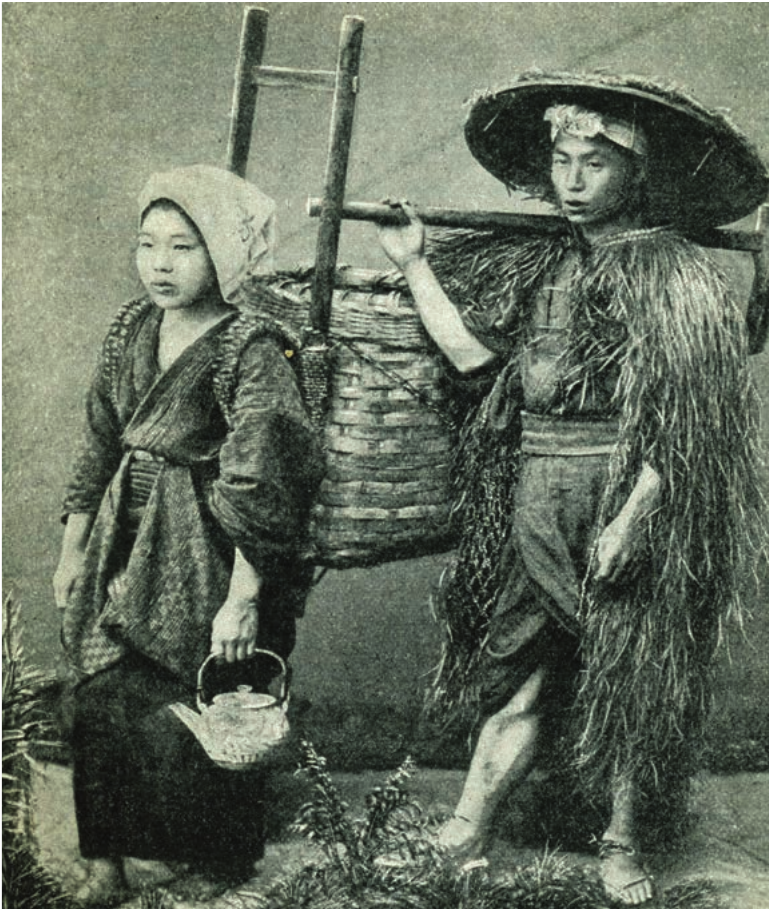
In the nineteenth century, peasants led revolts against:
- Corruption of local officials
- Food shortages
- Exorbitant increases in rice prices
- Heavy taxation on rice yields (sometimes 40-50% of the harvest)
Many peasants were forced to:
- Borrow at high rates from the chonin class to pay taxes
- Risk losing their land tenancy
- Many actually lost their land due to these practices
Note
Peasant revolts increased in frequency and intensity during the late Tokugawa period. These uprisings, known as ikki, demonstrated that discontent was not limited to the elite classes but extended throughout Japanese society.
Resistance to the Shogun
Economic and political decline
Throughout late Tokugawa Japan, economic and political decline became apparent. The Shogun's responses provided only temporary relief:
- Cancelling all samurai debt
- Devaluing the currency
- Extracting loans from the chonin class
These measures could not prevent the financial and political demise of the feudal system.
Ideological challenges
New ideologies questioned the Shogun's legitimacy:
Revival of imperial authority:
- Japan's historical connections to the Empire's founder, Jimmu Tenno, were re-established
- Jimmu Tenno and his ancestors were believed to be divine
- The Emperor was considered to hold divine right
- These ideas reasserted the Emperor's power and portrayed the Shogun as corrupt and illegitimate
Important
The ideological challenge to Shogunate authority
The revival of imperial ideology was not merely nostalgic but represented a fundamental challenge to the legitimacy of military rule. By emphasising the Emperor's divine ancestry and traditional authority, opponents of the Shogunate could argue that the current system was both illegal and impious.
Nationalism and xenophobia:
- Shintoism was revived, emphasising worship of ancient ancestors and traditions
- This resonated with new Japanese nationalism and reverence for the Emperor
- Nationalism manifested in xenophobic attitudes towards foreigners and Western learning (rangaku)
Key terms:
- Ideology: a set of beliefs or principles, especially those on which a political system is based
- Rangaku: a term used to describe Western scientific learning in general
Weak leadership
The decline of the bakufu was worsened by weak and vacillating Shoguns in the mid-nineteenth century. Their corruption and extravagance was despised by those impoverished and disempowered by the Tokugawa Shogunate.
The weaknesses of the Shogunate were fully exposed with the arrival of Commodore Perry from the United States in 1853.
Gunboat diplomacy: the arrival of the 'Black Ships' and Commodore Perry
Background to Perry's expedition
Prior to 1853, Japan had successfully excluded Western learning, ideas, trade, and technology. Western powers had attempted to open trade and diplomatic relations since the 1600s but had been forcibly excluded.
Note
The timing of Perry's expedition was not coincidental. The United States, having recently acquired California and expanded to the Pacific coast, sought Pacific trade routes and coaling stations for its growing merchant and whaling fleets. Japan's strategic location made it an ideal target for American expansion.
The 1853 expedition
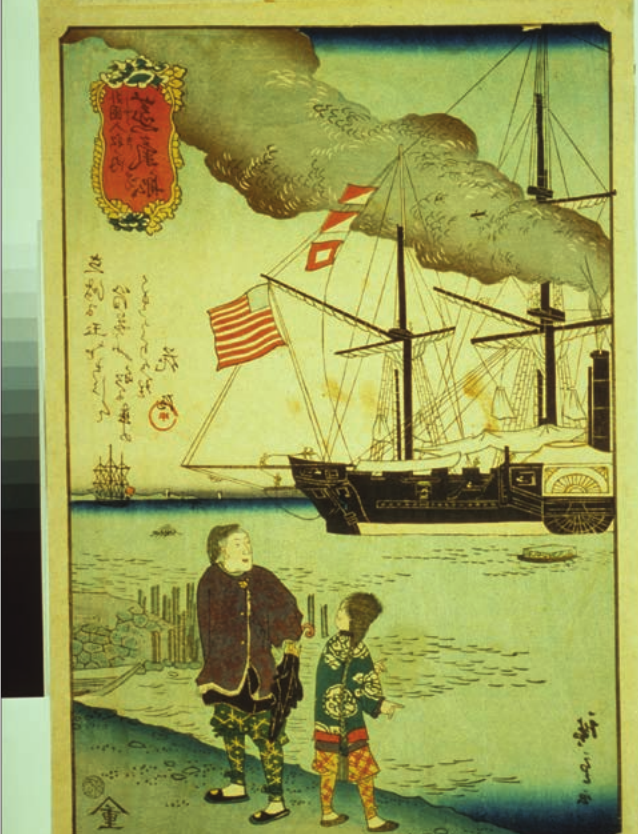
In 1852-1853, the Americans led a naval expedition into Edo Bay:
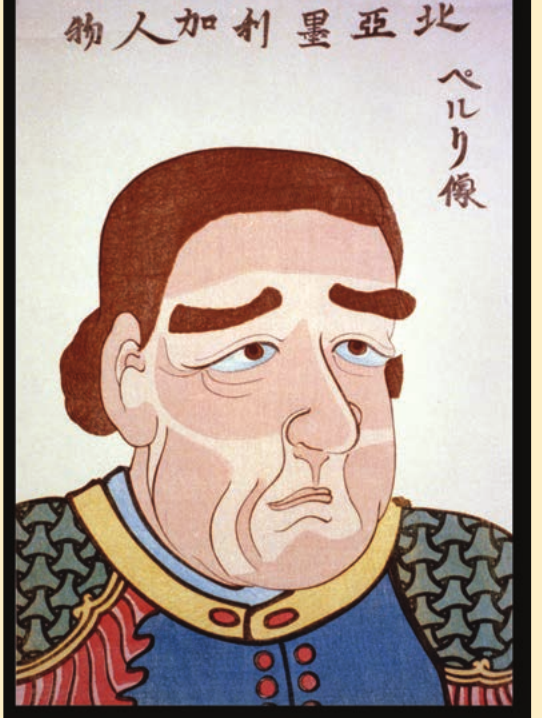
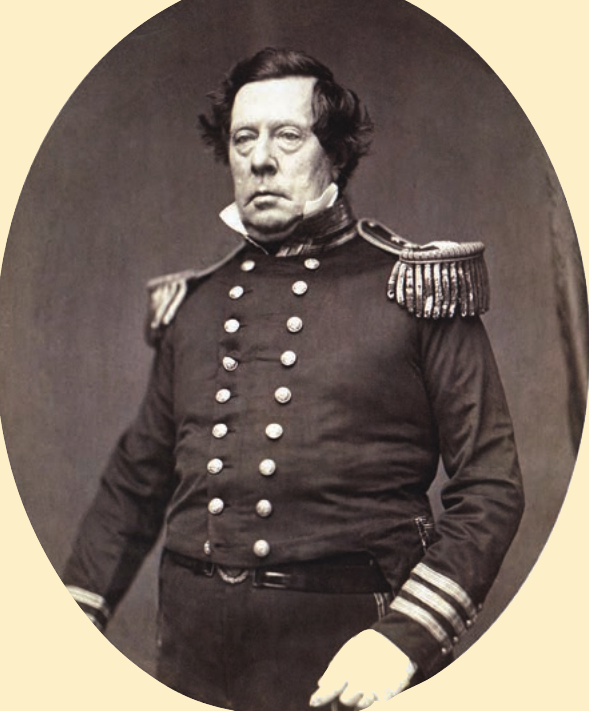
- Commodore Matthew Perry commanded eight 'black' steamships
- The fleet stationed at Uraga in Edo Bay
- Perry claimed to be rescuing American sailors shipwrecked on Japanese islands
- He demanded:
- Opening of Japanese ports to supply coal for American ships
- Normalisation of foreign relationships with the West
- Perry was authorised to use gunboat diplomacy (force) to achieve his objectives
Important
Key exam tip: Gunboat diplomacy refers to the pursuit of foreign policy objectives with the aid of conspicuous displays of naval power, implying or constituting a direct threat of warfare.
Japanese reaction
The arrival of the black steamships caused uproar in Edo:
- The Shogun initially refused to respond
- Under mounting pressure, he appointed two commissioners to negotiate with Perry
- Perry came ashore with 300 men to deliver an ultimatum from US President Millard Fillmore
- The commissioners negotiated for additional time
- Perry agreed to wait until the following year for their response
President Fillmore's demands
The letter from President Fillmore to the Emperor of Japan requested:
- Friendship and commercial intercourse between the United States and Japan
- Permission for US ships to stop in Japan for coal, provisions, and water
- Protection for shipwrecked American sailors
- Opening of a convenient port in the southern empire for US vessels
Note
The tone of Fillmore's letter was ostensibly friendly but contained implicit threats through references to America's powerful squadron and wealth. This combination of diplomatic courtesy and veiled menace was characteristic of Western imperialism in the nineteenth century.
Internal debate in Japan
The Shogunate faced an increasingly difficult position:
- Foreign powers pressed for unequal treaties and trade
- Despite precarious financial and diplomatic circumstances, the Shogun embarked on military strengthening
- Dutch ships and guns were imported
- Daimyo and samurai were ordered to reinforce coastal defences
- President Fillmore's demands were sent to all high-ranking scholars, officials, and daimyo clans for debate
Example
The Shogun's Dilemma: A Case Study in Political Weakness
In an unprecedented move, the Shogun consulted the daimyo about how to respond to Perry's demands. This consultation, intended to build consensus, actually demonstrated weakness:
Step 1: The Shogun distributed President Fillmore's letter to all major daimyo and officials
Step 2: Divided responses emerged:
- Some advocated accepting demands to avoid military conflict
- Others demanded maintaining seclusion at any cost
- Many worried about potential blockades and food shortages
Step 3: The consultation undermined Shogunate authority by:
- Revealing the Shogun's inability to make independent decisions
- Exposing divisions within the ruling class
- Encouraging daimyo to question Shogunate leadership
This decision-making process revealed how far the Shogun's authority had eroded and emboldened those who sought to restore power to the Emperor.
Divided opinions emerged:
- Some daimyo recognised the extreme threat to Japanese sovereignty and advocated acceding to demands
- Officials surrounding the Shogun were incensed by the 'barbarians' demands and wanted to maintain seclusion
- Many worried about potential naval blockades cutting off vital food supplies
'Expel the foreigner and revere the Emperor'
This slogan (sonnō jōi) captured the growing nationalist sentiment that:
- Challenged the Shogun's weakness in face of foreign pressure
- Advocated for restoring power to the Emperor
- Rejected foreign influence and demanded maintenance of isolation
Important
The slogan "Expel the foreigner and revere the Emperor" (sonnō jōi) became the rallying cry for opponents of the Shogunate. It cleverly combined xenophobia with imperial loyalty, creating a powerful ideological weapon against Tokugawa rule. Ironically, those who later led the Meiji Restoration would abandon the "expel the foreigner" part while embracing wholesale Westernisation.
The Treaty of Kanagawa 1854
Perry's return
On 12 February 1854, Commodore Perry sailed back into Edo Bay with even more steamships. The Shogun faced mounting pressure to grant concessions to avoid an attack on Edo.
An agreement between the US and Japan was reached by 31 March 1854. Known informally as the Perry Treaty, this Treaty of Kanagawa provided for:
- Opening of specific ports to American ships
- Provisions for supplying coal and other necessities
- Protection of shipwrecked American sailors
- Most-favoured-nation treatment (any privileges granted to other nations would also apply to the US)
Important
Significance: This treaty marked the end of Japanese isolation and the beginning of Western influence that would contribute to internal pressures for the Meiji Restoration. The most-favoured-nation clause was particularly significant, as it meant that any concessions Japan made to other Western powers would automatically apply to the United States, creating a cascading effect of foreign access.
Timeline of key events
Note
The following timeline illustrates the rapid pace of change following the Treaty of Kanagawa, showing how Japan transformed from an isolated feudal state to a modern nation in less than half a century.
| Year | Event |
|---|---|
| 1858 | Unequal Treaty with Tokugawa and the USA; failure of the Seclusion Policy |
| 1865 | Allied naval demonstration forces the Emperor to agree to further concessions |
| 1867 | Shogun Keiki and Emperor Meiji come to power; 7 November: Shogun Keiki relinquishes power |
| 1868 | Full power restored to Emperor Meiji; end of 700 years of Shogunate rule; Charter Oath declared to modernise Japan |
| 1871 | Emperor Meiji abolishes feudalism |
| 1877 | Resistance from samurai and dispersion of the samurai class |
| 1878 | Restoration consolidated; Tokyo declared the national capital; education and economy codified; conscript army created |
| 1886 | Post and telegraph systems established and unified throughout Japan |
| 1899 | Revocation of all unequal treaties with the West |
| 1902 | Japan allied to Great Britain; alarmed at Russia's growing interest in the region |
| 1905 | Shipbuilding programs supplement military expansion; defeat of Russia in the Russo-Japanese War |
Remember!
Summary
Key Points to Remember:
-
The Tokugawa Shogunate maintained power through the sankin kotai system, which weakened daimyo financially and prevented unified opposition, but this system also created internal tensions that would contribute to its downfall.
-
Feudalism declined due to commercialisation, the rise of the merchant class (chonin), impoverishment of samurai, and heavy taxation of peasants, creating discontent across all social classes.
-
Ideological challenges emerged through revival of imperial authority, Shintoism, and nationalism, which questioned the Shogun's legitimacy and promoted reverence for the Emperor.
-
Commodore Perry's arrival in 1853 with 'Black Ships' exposed the military and political weakness of the Shogunate, forcing Japan to end its isolation through the Treaty of Kanagawa (1854).
-
The combination of internal weaknesses (economic decline, social tensions, weak leadership) and external pressures (Western gunboat diplomacy) created conditions that made modernisation possible and ultimately led to the Meiji Restoration in 1868.