The Bolshevik Consolidation of Power (HSC SSCE Modern History): Revision Notes
📚Revision Notes
The Bolshevik Consolidation of Power
Introduction
Following the February Revolution of 1917, Russia experienced a period of dual power. The Provisional Government attempted to maintain order while the Petrograd Soviet represented workers and soldiers. This unstable situation allowed the Bolsheviks, led by Vladimir Lenin, to seize power in October 1917 and establish a one-party communist state. However, the new regime faced enormous challenges in consolidating its authority.
Note
The period between February and October 1917 saw Russia struggling with two competing centers of power - the Provisional Government's formal authority and the Petrograd Soviet's grassroots legitimacy. This unique situation created the political vacuum the Bolsheviks would exploit.
Bolshevik ideology
The ideological foundations of Bolshevism originated from Karl Marx's theories about class struggle and revolution. Marx argued that the working class (proletariat) was being exploited by the owners of capital (bourgeoisie) and would eventually rise up in violent revolution. After victory, workers would control the means of production and wealth would be shared equally. Eventually, the state itself would disappear.
Key terms:
- Proletariat: The working class who do not own any means of production in the economy
- Bourgeoisie: The middle class who control the means of production in the economy
Lenin's adaptation of Marxism
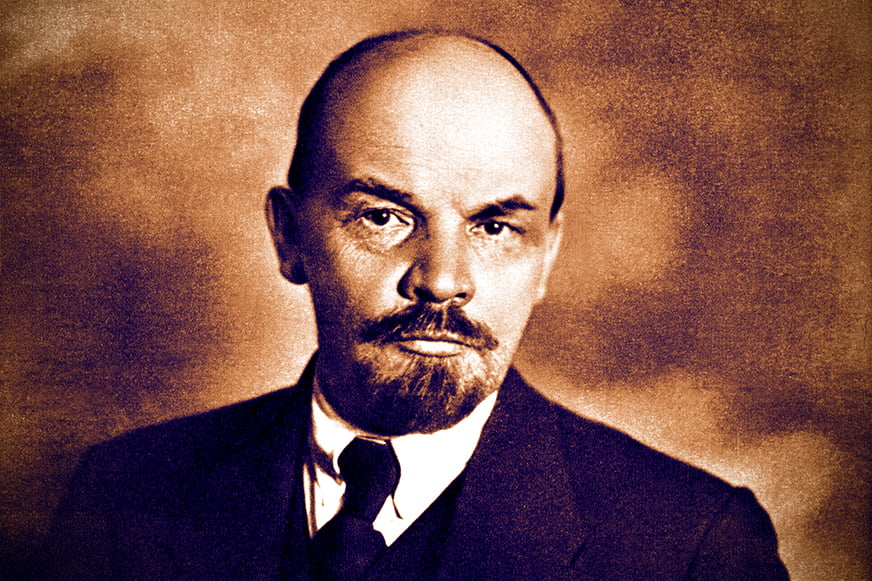
Lenin modified Marx's theories to fit Russian conditions. Unlike Marx, who believed revolution would occur in industrialized nations like England or Germany, Lenin was convinced that revolution could succeed in Russia despite its peasant majority (80% of the population).
Important
Lenin's Critical Departure from Marx
Marx believed socialist revolution would naturally emerge in advanced industrial societies where the working class was large and organized. Lenin's radical innovation was arguing that a disciplined revolutionary party could lead a revolution even in a predominantly peasant society like Russia. This required a "vanguard party" to guide the masses rather than waiting for spontaneous revolution.
In his 1917 work State and Revolution, written while hiding in Finland, Lenin outlined key Bolshevik tactics:
- Eliminating the old bureaucracy and state institutions
- Destroying bourgeois parliamentarianism
- Using state repression during the transitional period
- Eventually replacing the party-state with the 'dictatorship of the proletariat'
- Recognizing the need for cooperation between workers and peasants
Lenin's approach was pragmatic. He believed that once a disciplined revolutionary party had been formed to lead the masses, parliamentary democracy would become unnecessary. The state would be needed temporarily to maintain order and discipline before eventually withering away.
Core principles of Bolshevik consolidation
The Bolsheviks pursued three main aims when consolidating power:
- Internationalism of communism: Spreading communist revolution globally to protect the new Soviet government
- Economic transformation: Placing all businesses in the hands of industrial workers, with the state directing labour and production
- Coercive apparatus: Using force and violence against internal enemies and external powers who threatened the revolution
Important
The Fundamental Tension in Bolshevik Ideology
These principles reflected an ongoing tension within Bolshevik thought between libertarian ideals (creativity, freedom, popular power) and authoritarian methods (control, discipline, dictatorship, coercion). This tension would shape every major decision the Bolsheviks made and ultimately determine the character of the Soviet state. Understanding this contradiction is essential for analyzing Bolshevik consolidation of power.
The October Coup 1917
Russian historians call this event the October Revolution, though Western calendars record it as occurring in early November. The Bolshevik Central Committee, under Lenin's leadership, voted on 23 October 1917 to seize power. The detailed planning was carried out by Leon Trotsky and the Military Revolutionary Committee of the Petrograd Soviet.
Key terms:
- October Revolution: The Bolshevik seizure of power from the Provisional Government in 1917
- Red Guards: Armed Bolshevik soldiers who carried out the revolution
- Provisional Government: The democratic parliamentary body that governed Russia from March 1917 after the Tsar's abdication
- Petrograd Soviet: A council representing the city's workers and soldiers, established after the February Revolution
Timeline of the October Coup
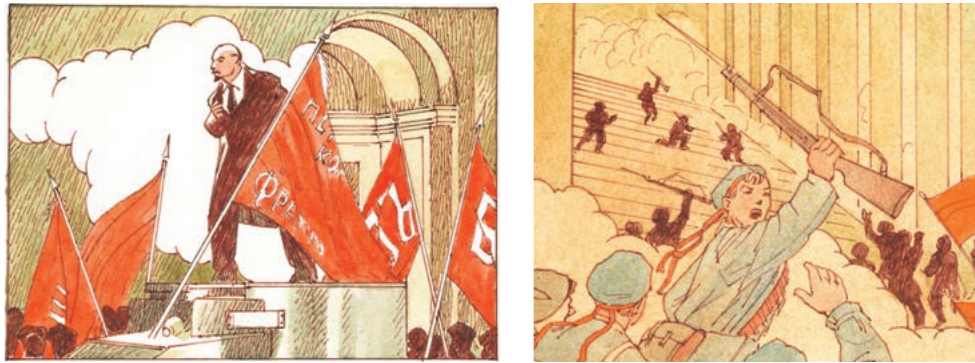
24 October (6 November): During the night, Red Guards began occupying key positions throughout Petrograd, including the telephone exchange, railway stations and government buildings.
25 October (7 November):
- Alexander Kerensky, head of the Provisional Government, fled the city to raise loyal troops
- By evening, when the All-Russian Congress of Soviets met, Red Guards controlled most of Petrograd
- Lenin returned from exile
26 October (8 November):
- Early morning: Red Guards entered the Winter Palace and arrested the Provisional Government
- Eighteen hours after seizing power, Lenin issued two crucial decrees:
- Decree on Peace: Called for immediate ceasefire and peace treaty
- Decree on Land: Abolished private land ownership
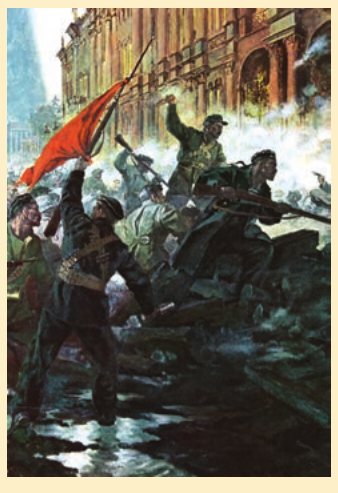
27 October (9 November): The Second All-Russian Congress of Soviets debated the legitimacy of the Bolshevik seizure of power. Despite condemnation from Mensheviks and Social Revolutionaries, the Bolsheviks were outnumbered and Lenin received enthusiastic support.
3 November (16 November): Bolsheviks gained control of Moscow after fierce fighting.
Note
Understanding the Calendar Confusion
Remember that Russia used the Julian calendar until January 1918, which was 13 days behind the Western Gregorian calendar. This is why the "October Revolution" occurred in November by Western dates. When reading primary sources or different historical accounts, always check which calendar system is being used.
Key figures in the October Coup
Vladimir Ilyich Lenin (1870-1924)
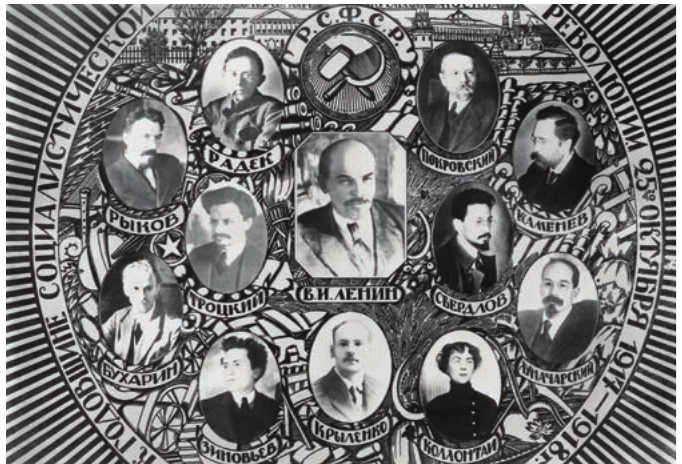
Lenin (born Vladimir Ulyanov) became a revolutionary after his older brother was executed for attempting to assassinate Tsar Alexander III. He spent most of his adult life in exile, developing revolutionary theory. After the February Revolution, Germany allowed him to travel through their territory in a sealed train to return to Russia. He led the Bolsheviks to power and served as Chairman of the Council of People's Commissars (Sovnarkom) from 1917 until his death in 1924.
Leon Trotsky
Trotsky joined the Bolsheviks in 1917 and became President of the Petrograd Soviet. While Lenin was in hiding, Trotsky organized the practical details of the October Coup. He persuaded the garrison of the Peter and Paul Fortress to hand over weapons to the Red Guards and coordinated the seizure of government buildings from his headquarters in the Smolny Institute.
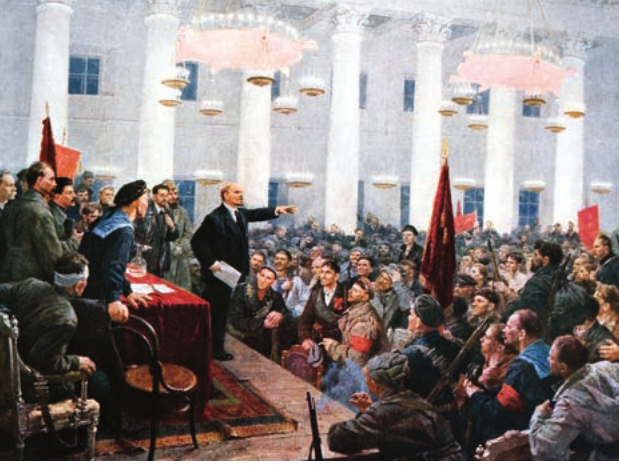
The early Soviet Government
Few expected the Bolsheviks to remain in power long, given the challenges they faced. By the end of 1917, they controlled only a small portion of Russia, including Petrograd and Moscow. They had established a government structure with:
- Sovnarkom (Council of People's Commissars): The cabinet, led by Lenin
- Commissars: Government ministers (e.g., Trotsky was Commissar of Foreign Affairs)
- Coalition: Initially included left-wing Socialist Revolutionaries (though Lenin planned to eliminate them)
Key term:
- Sovnarkom: The Council of People's Commissars, which served as the cabinet of the USSR
Contradictory approaches to governance
The Bolsheviks faced two seemingly contradictory responses to concerns about their survival:
- They promoted the idea that their actions would inspire a global socialist revolution bringing Western support
- They maintained faith in the heroic power of individuals to create change
Note
The Ideological Tension at the Heart of Bolshevism
This reflected deeper tensions within Bolshevik ideology between two competing strains:
Libertarian approach:
- Emphasized creativity and popular power
- Favored democratic principles
Authoritarian approach:
- Stressed control, discipline and dictatorship
- Justified coercive violence
Different Bolsheviks held different views, though most individuals (including Lenin) felt pulled between both approaches. This tension would define the early years of Soviet power.
Early libertarian measures
The first acts of the Soviet Government reflected democratic, libertarian ideals:
Decree on Peace (26 October 1917)
- Proclaimed a new approach to international affairs
- Rejected private diplomacy
- Called for peace without annexations or indemnities
Decree on Land (26 October 1917)
- Removed all land from the gentry without compensation
- Transferred land to peasant committees and the Soviet state
Decree on Workers' Control (November 1917)
- Allowed workers to supervise their own managers
- Gave industrial workers direct participation in factory management
Additional democratic reforms:
- National minorities received the right to complete self-determination
- All existing courts were dismissed and new judges were to be elected
- Administrative system was democratized by recruiting thousands of soldiers and workers into the bureaucracy
Early authoritarian measures
However, authoritarian policies quickly appeared alongside these libertarian reforms:
Press Law (27 October 1917)
- Closed most 'bourgeois' newspapers
- Even shut down some socialist papers
- Severely restricted freedom of the press
CHEKA established (5 December 1917)
- Public commission to fight counter-revolution and sabotage
- Controlled internal dissent
- Suppressed economic crime
- Crushed any opposition to Soviet power
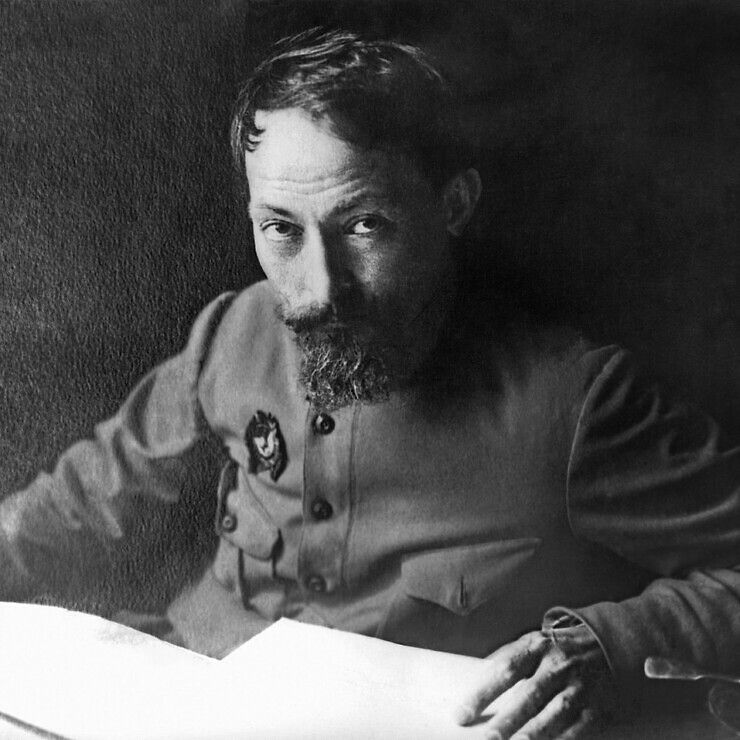
- Headed by Felix Dzerzhinsky
Key term:
- CHEKA: The original name of the Communist Secret Police in Russia
Imprisonment and threats
- Opponents of the regime were arrested
- Trotsky and other leaders warned of increasing threats against enemies
- Violence against dissent became normalized
Centralization of economic control
- Dramatic moves to centralize industrial control
- Greater discipline imposed on industry and labour
- State direction of the declining economy
Disbanding of Constituent Assembly (5 January 1918)
- The democratically elected parliament was shut down
- Bolsheviks refused to relinquish power
- Ended hopes for multi-party democracy
Key term:
- Constituent Assembly: Democratically elected parliament whose job was to draft a new republican constitution for Russia after the Tsar's abdication
Important
The Rapid Shift to Authoritarianism
The tension between libertarian promises and authoritarian reality is a key theme when analyzing Bolshevik consolidation of power. Within weeks of taking power, the Bolsheviks moved from promising democracy and freedom to establishing a secret police force and shutting down opposition. Consider how circumstances (Civil War, economic crisis) versus ideology shaped Bolshevik policies. Was this transformation inevitable, or a choice?
Felix Dzerzhinsky (1877-1926)
Dzerzhinsky was a fanatical Polish communist who spent 15 years in Tsarist prisons. Lenin appointed him to head the CHEKA. He was completely ruthless, stating: "We don't want justice, we want to settle accounts."
In his first address as Chief of the Secret Police in 1917, Dzerzhinsky declared:
This is no time for speechmaking. Our revolution is in serious danger... Do not think that I am on the lookout for forms of revolutionary justice. We have no need for justice now. Now we have need of a battle to the death!
The Treaty of Brest-Litovsk
One of the Bolsheviks' main promises was ending Russia's involvement in World War I. The Decree on Peace in 1917 started this process, but the formal peace treaty with Germany wasn't signed until March 1918.
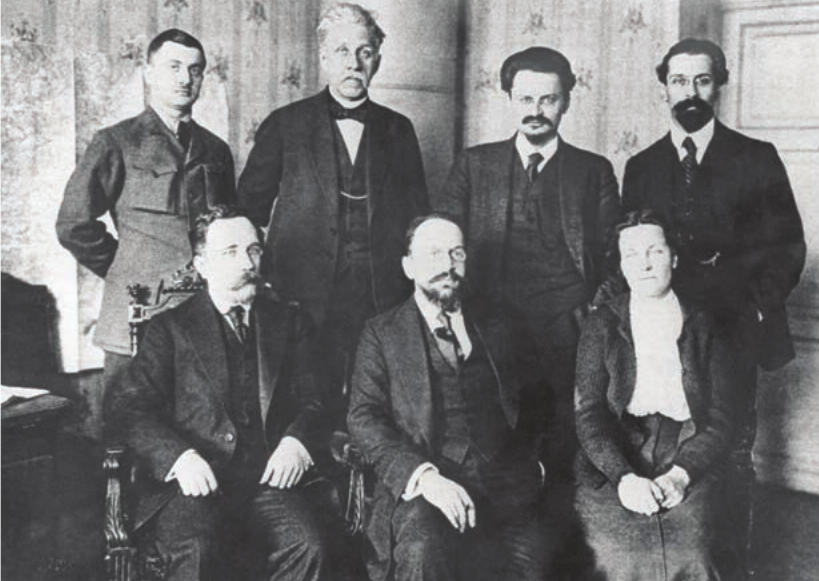
Terms of the treaty
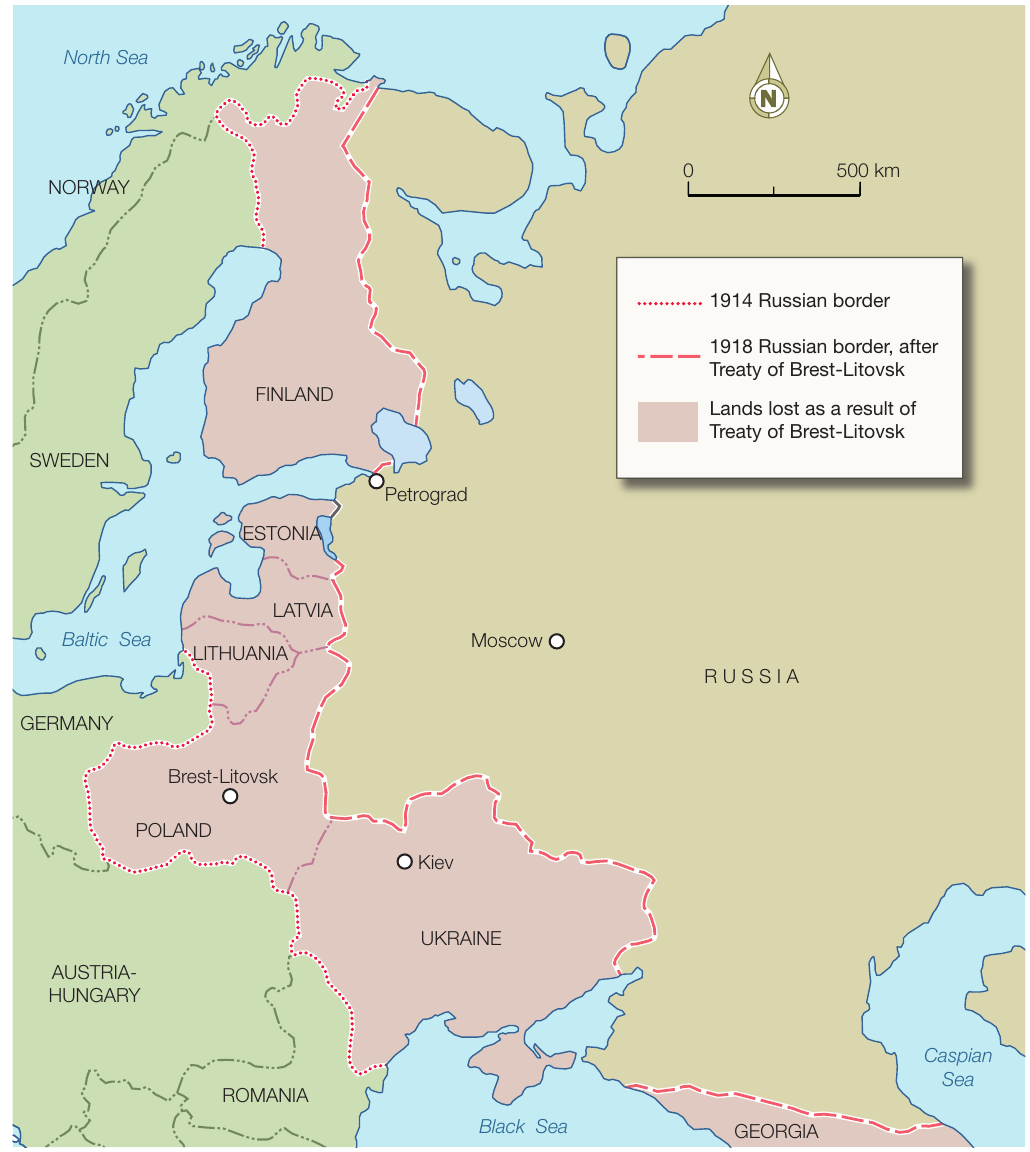
The Treaty of Brest-Litovsk imposed harsh conditions on Russia:
Territorial losses:
- Russia surrendered Poland, Finland, Lithuania, Estonia, Latvia and Bessarabia
- Lost 62 million people (significant portion of population)
- Lost 32% of arable land
- Lost 25% of industry
- Lost 90% of coal mines
Economic obligations:
- Soviet Government had to honour economic debts to the Central Powers
- Plus interest on those debts
Key term:
- Treaty of Brest-Litovsk: The peace treaty signed with Germany on 3 March 1918. The terms were even harsher than those Germany had offered before, but the treaty needed to be signed to ensure the Bolsheviks' promise of peace.
Important
The Devastating Scale of Russia's Losses
The figures from Brest-Litovsk reveal the catastrophic price Russia paid for peace:
- Nearly one-third of its agricultural land was lost
- A quarter of its industrial capacity disappeared
- Almost all of its coal reserves were surrendered
- 62 million people - a massive portion of the empire's population - were no longer under Russian control
These losses would cripple Russia's economy and provide ammunition for the Bolsheviks' enemies during the Civil War.
Significance of the treaty
The Treaty of Brest-Litovsk had profound consequences:
Destroyed Bolshevik-Socialist Revolutionary relationship
- The treaty broke the coalition between Bolsheviks and left-wing Socialist Revolutionaries
- Became a catalyst for civil war in Russia
- Counter-revolutionary forces believed Russia's sovereignty was threatened
Sparked criticism of Bolsheviks
- The treaty removed the German threat
- However, Bolsheviks were criticized for handing vast territories and millions of people to the enemy
- Anti-German and anti-Bolshevik feeling ran high
Led to Allied intervention
- Western Allies were still fighting World War I against Germany
- They viewed the Bolshevik peace as betrayal
- This prompted Allied military intervention against the Bolsheviks
Violence against Bolsheviks
- In July 1918, the German Ambassador to Russia was assassinated by left-wing Social Revolutionaries
- Street fighting broke out between disgruntled workers and Red Army squads
- The treaty's legacy haunted the Bolsheviks for years
As historian J. Bradley noted: "It was impossible to forget the terrible losses inflicted on Russia in the war and at Brest-Litovsk."
The Russian Civil War
The Civil War began in spring 1918 and lasted until the end of 1920. This was a multi-sided conflict that nearly destroyed the Bolshevik regime.
Key term:
- Red Army: The military force of the Soviet Union formed in 1918 to defend the new regime, especially against White Armies during the Civil War
Who were the White Armies?
The Bolsheviks faced opposition from various forces, most notably the White Armies organized by former Tsarist military officers:
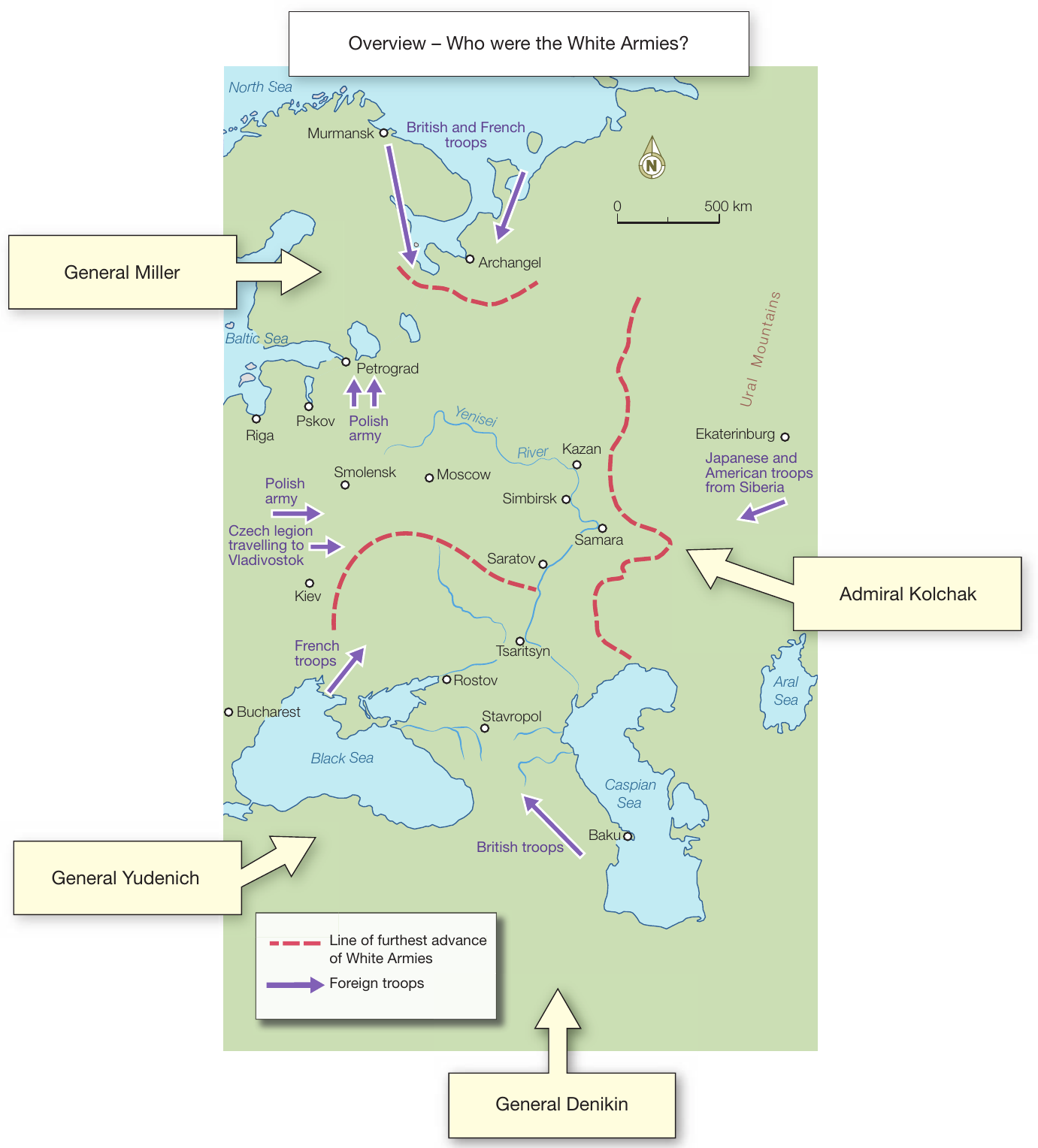
Major White Army forces:
- The Volunteer Army (South)
- Led by General Anton Denikin
- Also briefly commanded by General Kornilov
- Admiral Alexander Kolchak's Army (Siberia)
- Formed in November 1918
- Based in eastern Russia
- General Nikolai Yudenich's Force (Estonia)
- Created fighting force from Baltic region
- General Miller's Army (North-west Russia)
- Led forces from the Arctic region
By autumn 1919, a White victory seemed possible.
Key term:
- White Armies: Forces that fought against the Bolshevik Red Army during the Civil War
Other opposition forces
Beyond the White Armies, the Bolsheviks faced:
Political opposition:
- Mensheviks
- Liberal Cadets
- Left Socialist Revolutionaries (who rebelled in spring 1918)
- These groups formed anti-Communist governments in various cities
Regional forces:
- Local Cossacks established anti-communist governments in southern Russia
- Sometimes these forces also opposed White Armies
Independence movements:
- Various regions sought independence from Russian control
- Large parts of the former Russian Empire were lost
Foreign intervention:
- Dozens of nations sent troops and money to oppose the Bolsheviks
- German troops occupied western territory under the Treaty of Brest-Litovsk
Key term:
- Cossacks: A group of people in Russia with a history of fighting and bravery from the region on the Don River (near the Black Sea)
Note
The Complexity of the Civil War
The Russian Civil War was not a simple two-sided conflict. The Bolsheviks faced a bewildering array of enemies: White Armies led by Tsarist officers, democratic socialists, regional independence movements, Cossack forces, and foreign intervention from over a dozen nations. This complexity made coordination among anti-Bolshevik forces nearly impossible, which ultimately worked in the Bolsheviks' favor.
How the Bolsheviks won the Civil War
Despite facing overwhelming opposition, the Bolsheviks emerged victorious. Several factors explain their success:
1. Divided opposition
The White forces failed to form a coordinated, united opposition. They were:
- Politically divided (ranging from moderate socialists to ardent monarchists)
- Militarily fragmented (no central command structure)
- Unable to cooperate effectively with each other
- Former Tsarist officers often alienated potential supporters
2. Logistical advantages
The Communists controlled the Russian heartland, which provided:
- Control of railways throughout the war
- Shorter supply lines
- Central position (interior lines of communication)
- Access to major population centers
The White forces were scattered around the peripheries, making coordination difficult.
3. Superior organization
The Soviet Government proved more efficient at organizing resources through War Communism:
- Nationalized all industries
- Instituted forced labour
- Applied strict labour discipline
- Systematically requisitioned grain to feed soldiers and urban workers
- Created a functioning state apparatus
4. Effective military leadership
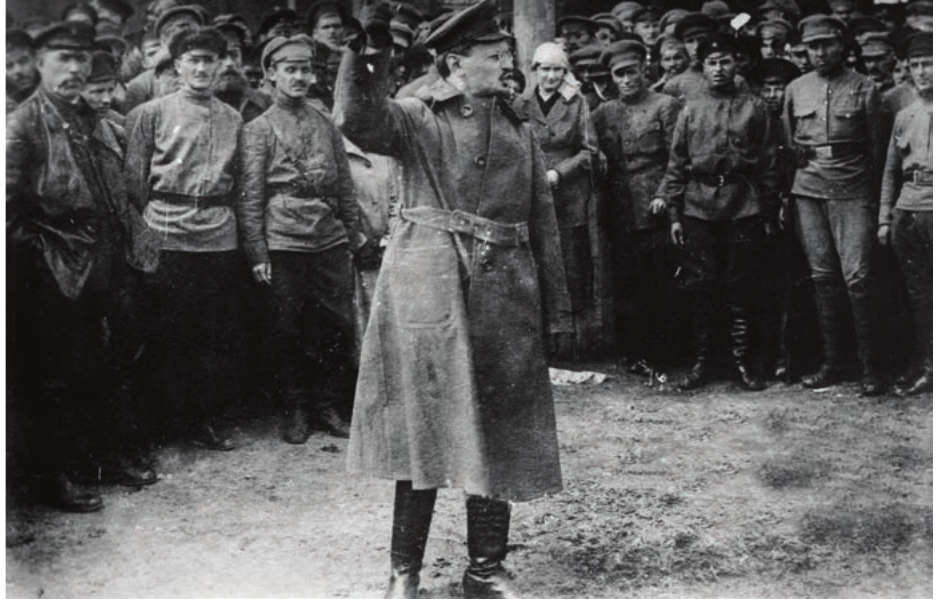
Leon Trotsky transformed the Red Army into an effective fighting force. Traveling on his personal armoured train, he appeared everywhere, inspiring troops and coordinating strategy.
5. Better propaganda
The Bolsheviks effectively communicated their message:
- Warned that White victory would restore capitalists and landlords
- This message resonated with the majority of the population
- The Whites inadvertently supported this narrative (their leaders were former Tsarist officers and landowners)
- White forces sometimes returned expropriated land to previous owners after victories
6. More popular support
The dominant historical view is that the Bolsheviks had greater support among the Russian population. They did a better job presenting their vision and explaining what Bolshevik power could represent for ordinary people.
Note
Organizing Your Analysis
When discussing why the Bolsheviks won, organize your answer around themes: military factors (leadership, logistics, central position), economic factors (War Communism, resource mobilization), political factors (propaganda, popular support, clear message), and weaknesses of the opposition (division, lack of coordination, unpopular leaders).
War Communism
To ensure factories produced sufficient war materials, Lenin adopted a tough practical policy known as War Communism. This paved the way for bureaucratization of the nation and the Party.
Key features of War Communism:
Military discipline in factories
- Death penalty for workers who went on strike
- Execution for persistent absenteeism
- Industrial production prioritized above all else
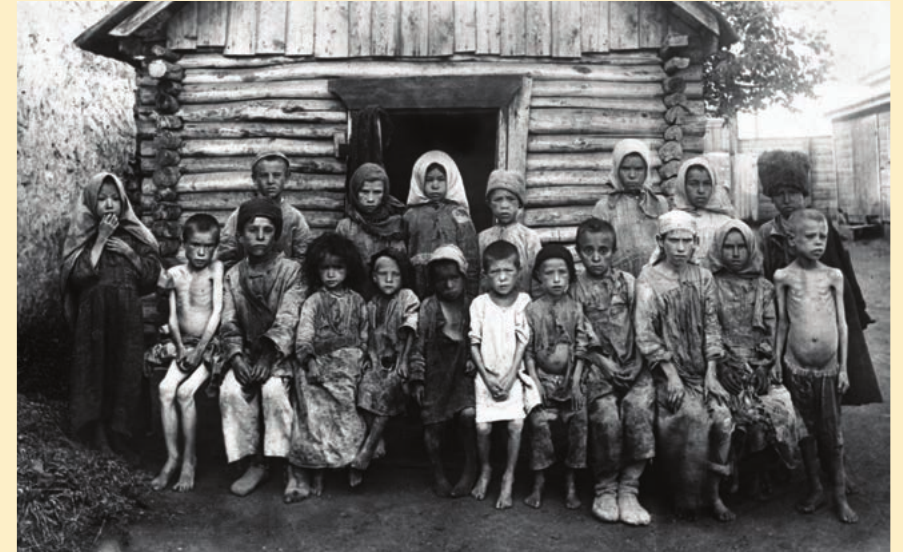
Ruthless treatment of peasants
- Red Army forcibly seized grain and resources for soldiers and urban workers
- Those who refused were shot
- Resulted in acute food shortage in 1920
- Terrible famine in 1921
Abandonment of currency
- Old inflation-ridden currency was discarded
- Wages paid in food and fuel
- Trade conducted through barter system
- Money effectively eliminated
Forced requisitioning
- Systematic confiscation of grain and supplies
- Established adequate food supplies for industrial workers and the Army
- Used extreme force and violence
Key term:
- Requisitioning: The confiscation of goods, often foodstuffs such as grain, usually with a high degree of force
Important
War Communism: Military Necessity or Ideological Choice?
War Communism represented both a practical response to Civil War conditions and a reflection of authoritarian tendencies within Bolshevism. While the policies successfully mobilized resources for the war effort, they also:
- Created a highly centralized, coercive state
- Normalized violence as a tool of governance
- Caused economic catastrophe and famine
- Alienated peasants and workers alike
This raises a crucial question: Was War Communism forced on the Bolsheviks by circumstances, or did it reveal their true authoritarian nature?
Red Terror
The Soviet state used brutal tactics to control dissent and stifle opposition. The Red Terror campaign began in September 1918.
Key features:
- Anyone suspected of links to the Whites was captured and executed by the CHEKA
- Deserters from the Red Army were killed
- Between 100,000 and 200,000 people were executed
- Created atmosphere of fear and intimidation
- Suppressed any opposition effectively
Key term:
- Red Terror: Early in the Civil War, the Bolsheviks carried out a deadly campaign of political repression
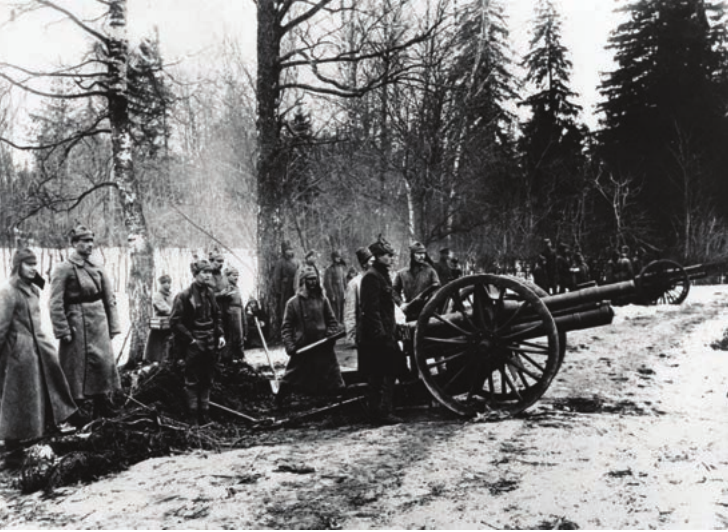
However, the Whites were scarcely less ruthless:
- They also requisitioned grain by force (though less systematically)
- They used terror and even torture against enemies
- Their brutality prevented them from gaining moral advantage
Impact of the Civil War on Bolshevism
While the Bolsheviks emerged victorious, the Civil War profoundly changed Bolshevik ideology:
Militarization of Bolshevik thought:
- Using force and violence became commonplace
- Summary justice became a normal method of Soviet power
- Coercion was normalized as a tool of governance
Changes to the Red Army:
- Originally opposed to the idea of a traditional standing army
- Transformed into a conventional army of working-class and peasant draftees
- Democratic principles were increasingly set aside
Centralization of the state:
- State became highly centralized to mobilize population
- Developed wartime economy
- Bureaucracy expanded dramatically
Radical social campaigns:
- Laws mandating unconditional equal rights for women
- Creation of Zhenotdel (special branch to empower women)
- Campaigns opposing religious beliefs
- Nation-wide literacy campaign
- Campaigns against drinking, swearing and fighting
- Efforts to "civilize" peasant habits
Note
The Lasting Legacy of the Civil War
The Civil War experiences created a mode of governance that emphasized control, discipline and force over the earlier libertarian ideals. The militarization of Bolshevik thought, normalization of violence, and centralization of state power would define Soviet governance for decades. The question remains whether these changes were temporary wartime measures or revealed the inevitable trajectory of Bolshevik rule.
The New Economic Policy
The close of the Civil War brought a severe crisis for the Bolsheviks:
- Economy was collapsing
- Widespread famine
- Trade and industry at a standstill
- Peasants and workers expressed anger about economic conditions
- Growing resentment of Bolshevik authoritarianism
Growing unrest
Peasant rebellions
- Widespread uprisings across Soviet Russia
- Peasants resisted grain requisitioning
- Rural areas became ungovernable
Worker protests
- Years 1920-21 saw intense political activism in urban areas
- Protest meetings and public demonstrations
- Strikes disrupted production
- Workers in Petrograd called for economic policy changes
- Demands for freedom of political debate and discussion
War Communism and coercion had clearly failed to meet people's needs. As striking Petrograd workers proclaimed in 1921:
A complete change is necessary in the policies of the Government. First of all, the workers and peasants need freedom. They don't want to live by the decrees of Bolsheviks; they want to control their own destinies.
The Kronstadt rebellion
A critical event was the rebellion at the Kronstadt naval base near Petrograd in March 1921.
Significance of Kronstadt:
- The sailors and workers had been strong Bolshevik supporters in 1917
- Trotsky had called them 'the heroes of the Revolution'
- Now they opposed the Bolshevik regime
- Thousands of Petrograd workers joined the demonstration
Demands of Kronstadt rebels:
- Liberation of arrested socialists and working people
- Abolition of martial law
- Freedom of speech, press and assembly for workers
- Wanted the Bolsheviks to finally fulfill promises of the October Revolution
Bolshevik response:
- Lenin had the mutiny brutally crushed
- 60,000 Red Army and CHEKA forces attacked
- Violent suppression of former supporters
- Afterwards, Lenin admitted drastic policy changes were needed
- He said Kronstadt had 'lit up reality like a lightning flash'
Important
The Kronstadt Rebellion: A Turning Point
The Kronstadt rebellion is significant because it showed even the Bolsheviks' strongest supporters had turned against them, forcing policy change. The sailors who had been hailed as "heroes of the Revolution" were now demanding the very freedoms the Bolsheviks had promised in 1917. Their brutal suppression revealed how far the regime had moved from its original ideals, yet their demands also forced Lenin to recognize that War Communism had failed catastrophically.
Features of the New Economic Policy
In March 1921, the Party introduced the New Economic Policy (NEP), a major program of concessions to popular discontent.
Key term:
- New Economic Policy (NEP): The Bolshevik economic policy that represented a significant shift away from War Communism, representing a temporary move to capitalism that allowed business to flourish and stabilize the Russian economy
Main features of NEP:
1. End of forced grain requisitioning
- Free market in grain introduced
- Peasants could grow what they wanted
- Peasants could sell what they wanted
- Grain would reach cities through market mechanisms, not force
2. Denationalization of industry
- Mostly small-scale private industry was re-allowed
- Private businesses could operate legally
- State retained control of "commanding heights":
- Big factories
- Banking system
- Foreign trade
3. Legalization of private trade
- Private trading became legal
- Essential to get goods from producers to consumers
- Small-scale private businesses could operate
4. Return to market economy
- Significant retreat from full communism
- Temporary move towards capitalism
- Lenin argued Russia needed "breathing space" to recover
Results of NEP
The NEP produced impressive results:
Economic recovery:
- By mid-1920s, major cities were well-provided with grain and food
- People moved back to cities as famine ended
- Shops appeared everywhere
- Cafes and consumer goods returned
- By 1926, economy reached pre-war levels of 1913
- Dramatic recovery from 1921 when economy was only one-fifth of 1913 level
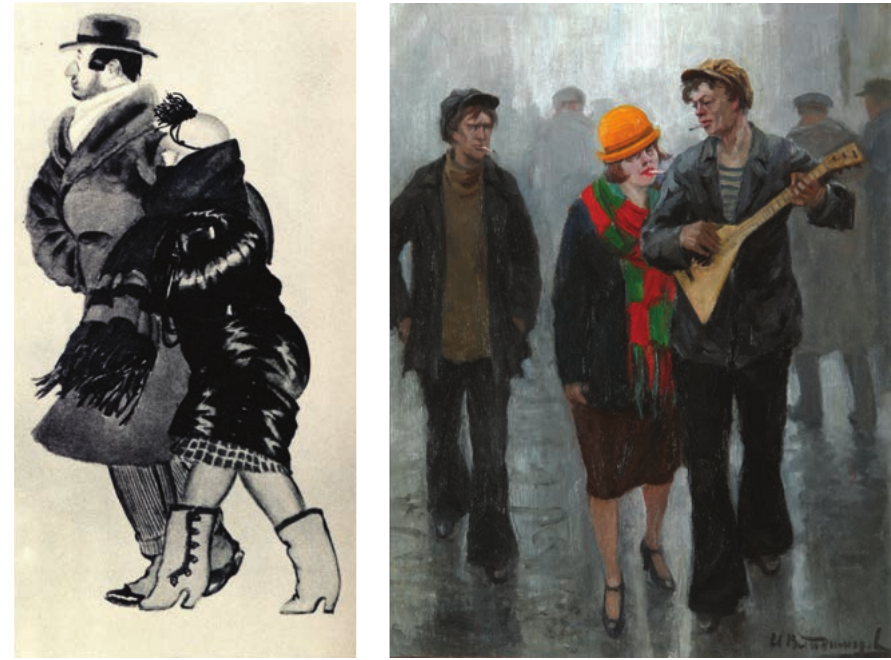
Social changes:
- Major restoration of pre-revolutionary life
- Consumer culture returned
- Some people became wealthy (known as "NEPmen")
- Created visible inequality
Note
The Dramatic Success of NEP
The NEP's economic success was remarkable. Within just five years, the economy recovered from one-fifth of 1913 levels to match pre-war production. Cities that had been starving and depopulated came back to life. Consumer goods reappeared. The question was whether this success vindicated or undermined communist ideology.
Controversies surrounding NEP
The NEP created serious ideological problems:
Communist concerns:
- Many communists felt the NEP betrayed the revolution
- Appeared the Bolsheviks were moving back toward capitalism
- Created class of wealthy private traders and businessmen
- Went against communist principles of equality
Lenin's response:
- Russia badly needed breathing space to recover from Civil War
- Bolsheviks didn't have enough troops or officials to run the whole country themselves
- NEP was presented as temporary measure
- Necessary compromise to save the revolution
Long-term tensions:
- The feeling that NEP should soon be ended persisted
- Created ongoing debates within the Party
- Would become major issue in power struggles after Lenin's death
Important
The Ideological Dilemma of NEP
The NEP represented a fundamental contradiction: a communist party implementing capitalist policies. While economically successful, it created deep ideological tensions:
- Could communists justify allowing private enterprise and profit?
- Was NEP a tactical retreat or ideological betrayal?
- How long could "temporary" capitalist measures continue?
- What happened to the goal of building a socialist society?
These questions would dominate Soviet politics in the 1920s and ultimately contribute to Stalin's rise to power.
Remember!
Summary
Key Takeaways: The Bolshevik Consolidation of Power
-
The Bolsheviks consolidated power through a combination of ideological flexibility and ruthless action. While they promised democracy and liberation, they quickly adopted authoritarian methods including the CHEKA secret police, press censorship, and violent suppression of opposition.
-
The Treaty of Brest-Litovsk secured peace with Germany but at enormous cost, losing vast territories, resources and population (62 million people, 32% of arable land, 25% of industry). This humiliating treaty sparked widespread opposition and contributed directly to the outbreak of Civil War.
-
The Bolsheviks won the Civil War despite facing multiple enemies because they controlled the Russian heartland, had superior organization under Trotsky's leadership, used War Communism effectively to mobilize resources, and faced a divided opposition that couldn't coordinate strategy.
-
War Communism and the Red Terror showed how far the Bolsheviks would go to maintain power. These brutal policies militarized Bolshevik ideology and normalized violence, but created economic collapse and popular resistance that threatened the regime's survival.
-
The New Economic Policy represented a major ideological retreat forced by the Kronstadt rebellion and economic crisis. By allowing free markets and private enterprise, the NEP successfully restored the economy but created tensions with communist principles that would shape future Soviet politics.