The Spread of the Conflict to Cambodia and Laos (HSC SSCE Modern History): Revision Notes
📚Revision Notes
The Spread of the Conflict to Cambodia and Laos
Cambodia and the path to conflict
Sihanouk's neutrality policy (1950s-1960s)
During the 1950s and 1960s, Cambodia managed to avoid direct involvement in the conflict between the Viet Minh and the Americans. Under the leadership of Prince Norodom Sihanouk, Cambodia carefully balanced a position of neutrality between rising communist forces and American influence. The United States closely monitored Cambodia, viewing it as a potential domino in Eisenhower's Domino Theory - the idea that if one country fell to communism, neighbouring nations would inevitably follow.
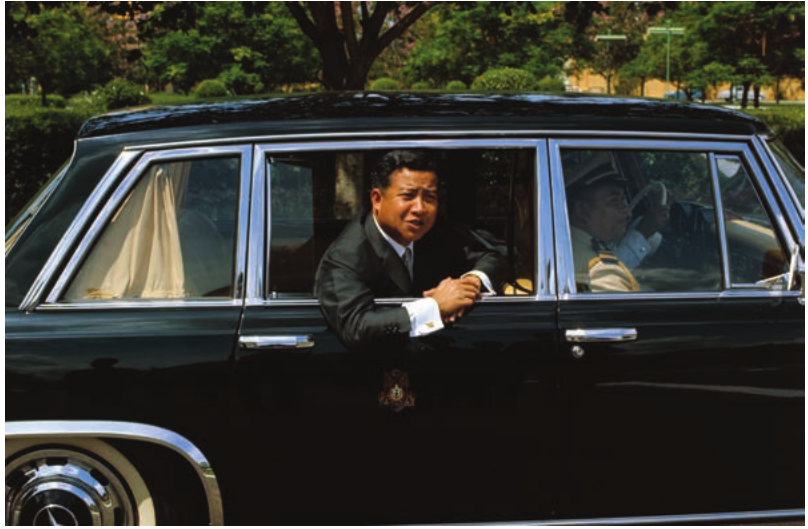
Sihanouk accepted American aid for several years, but he was primarily a Cambodian nationalist. As the conflict in Vietnam intensified, Sihanouk recognised which way the tide was turning. In 1965, he publicly denounced the United States as 'imperialists'. His strategy for keeping Cambodia out of the war involved appeasing both sides. He was aware that North Vietnam used Cambodian territory for the Ho Chi Minh Trail supply route. Remarkably, Sihanouk authorised American bombing of the Trail whilst simultaneously allowing communists to use Cambodian ports to ship supplies to that same trail.
Note
Sihanouk's delicate balancing act demonstrates the complexity of maintaining neutrality during the Cold War. By allowing both sides limited access to Cambodian territory, he hoped to keep his nation out of the broader conflict - a strategy that ultimately proved unsustainable.
The 1970 coup and Lon Nol regime
In March 1970, everything changed. A pro-American military coup removed Sihanouk from power whilst he was travelling outside the country. General Lon Nol of the Cambodian Army took control with significant CIA and American backing. Ironically, despite this support, Lon Nol only learned about the planned American invasion of Cambodia after President Nixon announced it on national television.
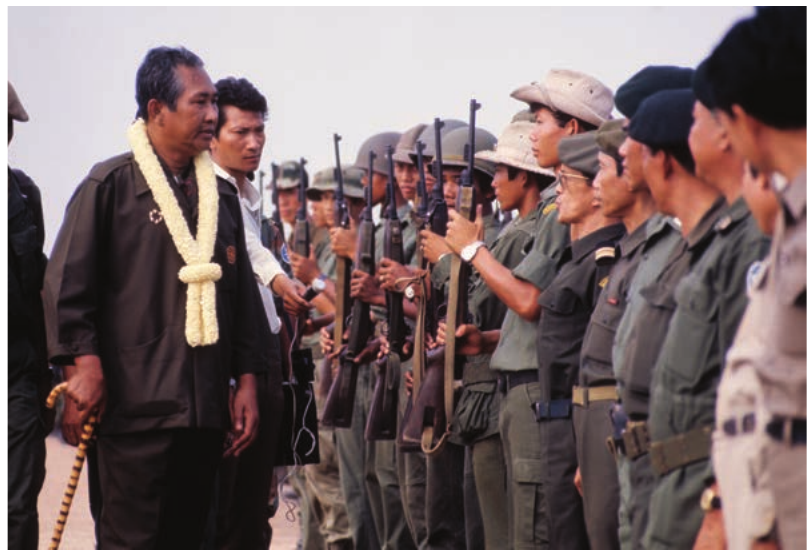
Lon Nol's administration proved disastrous for Cambodia. In October 1970, he abolished the monarchy and proclaimed a republic, but in reality became a dictator. Historian James Stuart Olson noted that his government was marked by extraordinary corruption and incompetence. This corruption would have serious consequences, as it drove ordinary Cambodians toward the communist opposition.
Important
The corruption and incompetence of Lon Nol's regime inadvertently strengthened the very communist forces the United States sought to defeat. This pattern of US-backed governments alienating their own populations through poor governance would repeat throughout the Indochina conflicts.
The rise of the Khmer Rouge
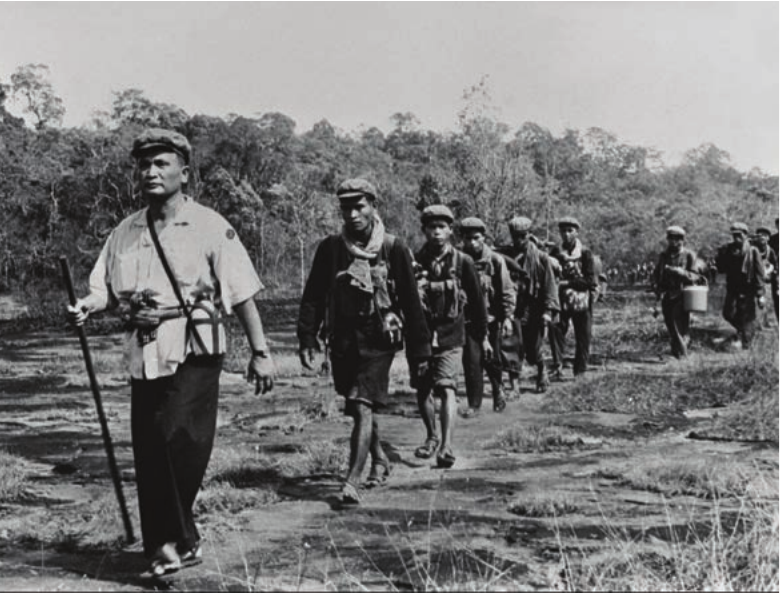
The Khmer Rouge (French for 'Red Cambodians') emerged as a communist opposition group backed by the Chinese government. For most of the 1950s and 1960s, this group posed no serious threat to Sihanouk - it consisted of only a few thousand guerrilla fighters. Everything changed when Operation Menu began carpet bombing eastern Cambodia in search of Vietnamese communists.
Note
Key term: Khmer Rouge - The name given to Cambodian communists. The group later became the armed wing of the Communist Party of Kampuchea.
Impact of American bombing on Cambodia
Operation Menu bombing campaign
The US Air Force conducted massive bombing raids over Cambodia, dropping over 380,000 tons of bombs. These attacks were usually indiscriminate, killing thousands of civilians and creating ideal conditions for Khmer Rouge recruitment. Rural peasants who lost their homes to the bombing joined the communist cause in large numbers.
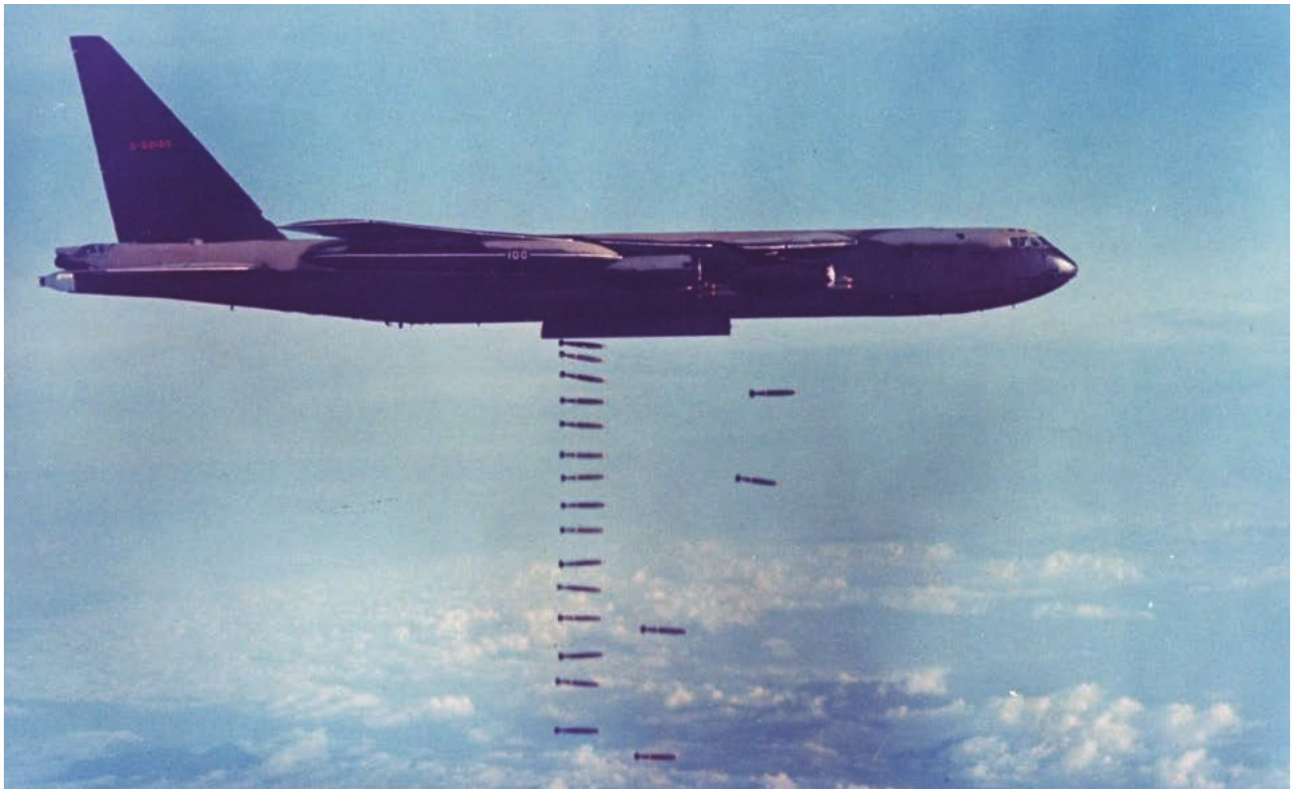
On 9 August 1973, a catastrophic error occurred. A lone American B-52 accidentally bombed Neak Luong, a town friendly to the United States, creating around 400 casualties. American journalist Sydney Schanberg reported that the atmosphere in Neak Luong was silent and sad, with everyone having lost either relatives or friends. In some cases, entire large families were wiped out.
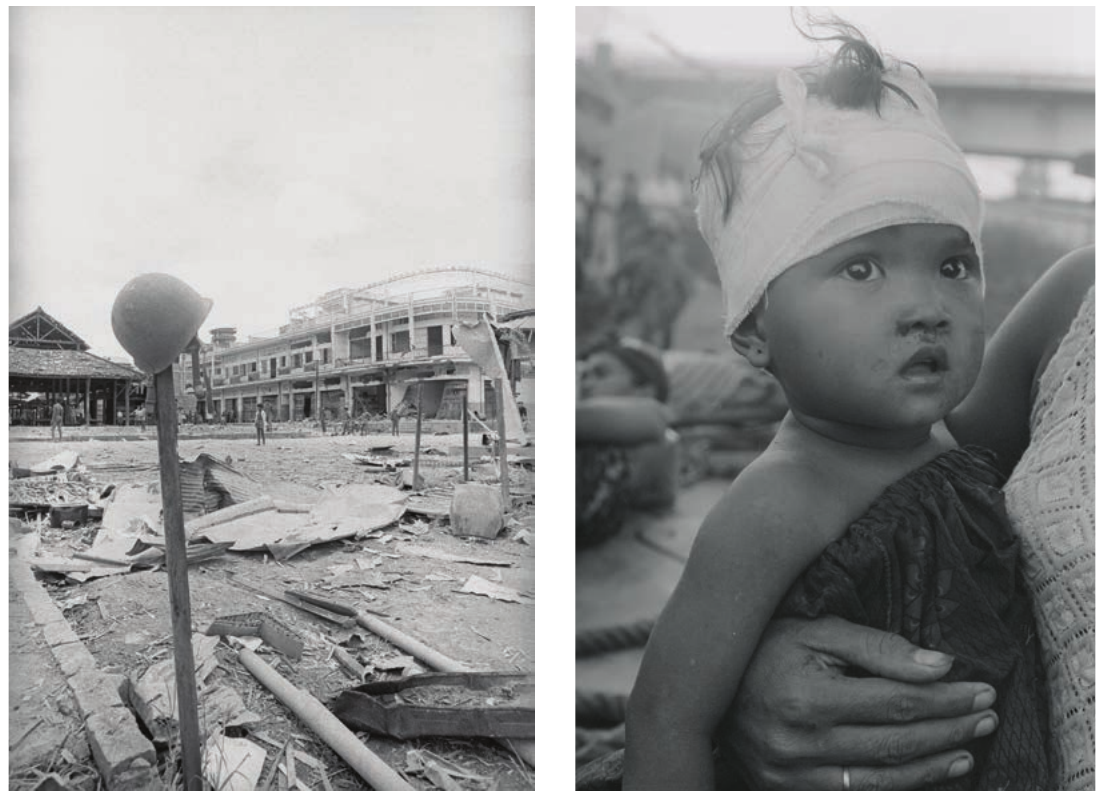
The bombing fundamentally changed Cambodian attitudes. One 21-year-old soldier, Chea Salan, who lost relatives and army friends, expressed bewilderment: "I do not understand why it happened. Before, every time we saw the planes coming we were happy because we knew the planes came to help us. Now I have lost heart."
Important
The Paradox of American Bombing
The combination of American bombing and corruption in Lon Nol's government caused Khmer Rouge numbers to swell dramatically - from a few thousand to over 100,000 fighters between 1970 and 1973. These new recruits were mostly peasant farmers, many of them children, who had been angered and displaced by the Vietnamese conflict and civil war with Lon Nol's government.
The very bombing campaigns intended to destroy communist forces instead fuelled their growth by creating a vast pool of displaced, angry civilians ready to join the opposition.
Pol Pot's Democratic Kampuchea
The Khmer Rouge victory (1975)
The Khmer Rouge, led by the mysterious Pol Pot (known as 'Brother Number One'), initially aimed simply to overthrow the American-backed regime. By 1975, they marched into the capital Phnom Penh, which was swelling with over 2 million refugees from the war.
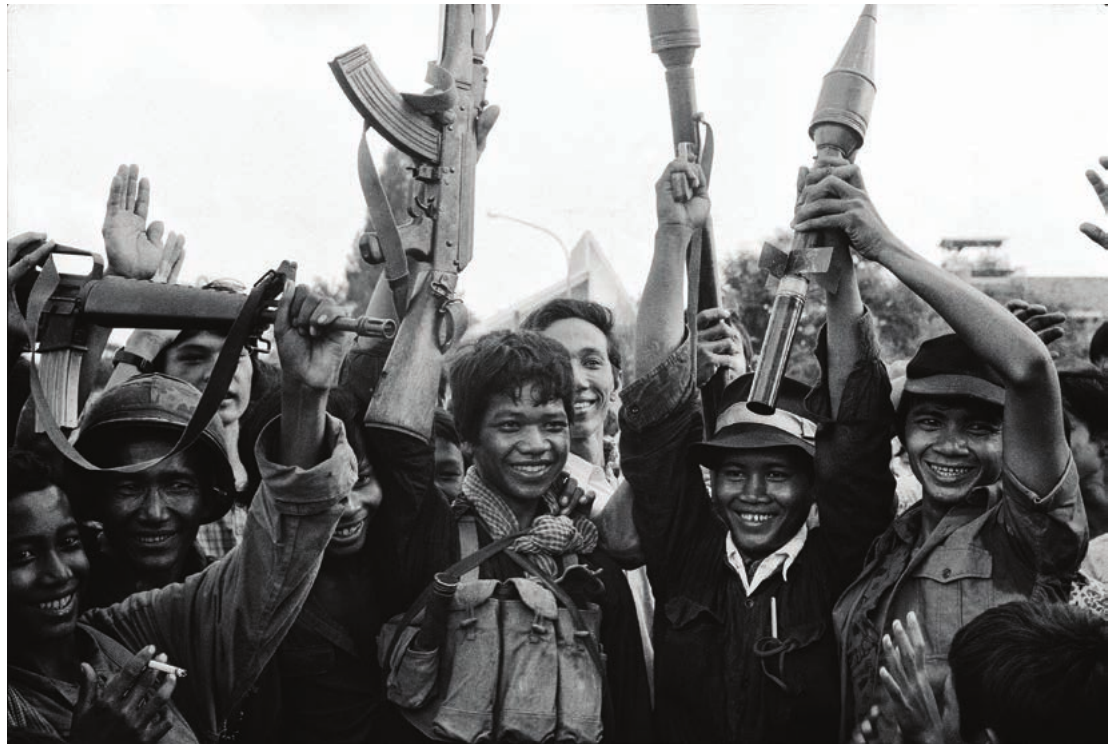
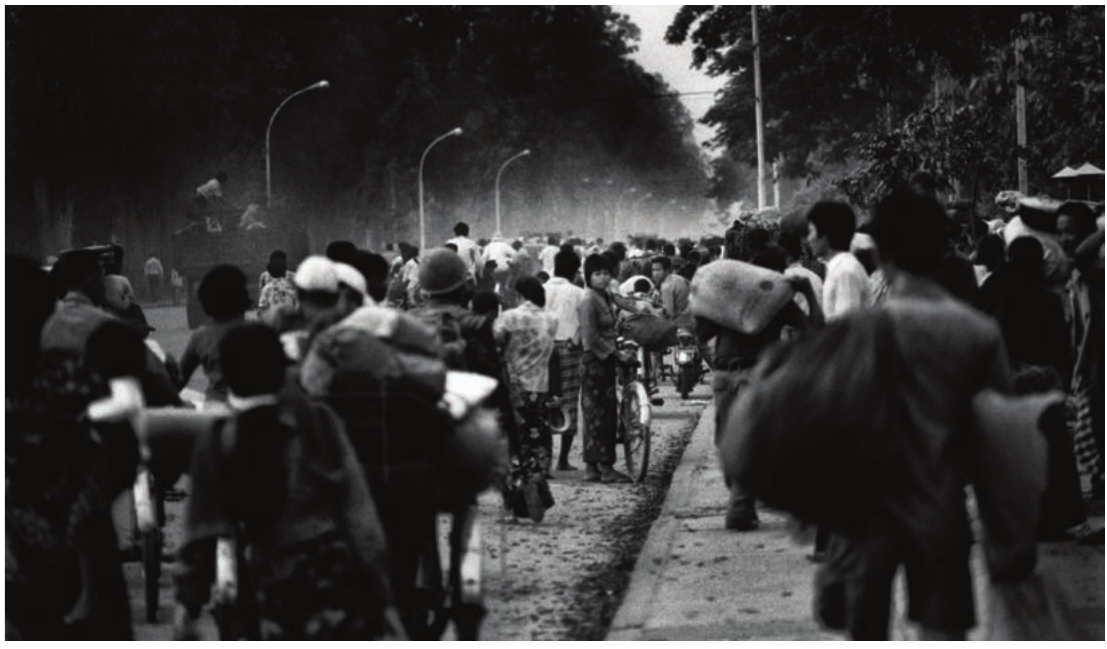
What followed became one of the most bizarre and brutal social experiments in human history. Convinced of the need to turn Cambodia back to 'Year Zero', Pol Pot's Khmer Rouge ordered the entire city to be emptied immediately.
Year Zero ideology and implementation
Pol Pot embraced an extreme version of Marxist thought. His vision was to transform Cambodia into a completely self-sufficient agrarian (farming-based) society. To achieve this, all Western thought and influence had to be eliminated. The entire country would be wound back to its beginning and restarted from scratch.
Note
Key term: Year Zero - Pol Pot's policy that Cambodia should reset its society completely, eliminating all Western influence and modern practices to create a pure agrarian communist state.
This meant anyone linked with the old regime faced execution or imprisonment. People with education, private wealth, or even Western haircuts were considered enemies of the state. They were marched to killing fields or re-education camps. The goal was creating a truly classless society that demolished old village traditions and even family structures.
Australian journalist John Pilger observed the initial emptying of Phnom Penh. The Khmer Rouge fighters wore black and were mostly teenagers. The people cheered them nervously, but the horror began almost immediately. Phnom Penh was forcibly emptied within hours. All civilians were marched at gunpoint into the countryside to start a totally new society.
Important
The Scope of Year Zero
The new rulers called 1975 'Year Zero' - the dawn of an age with:
- No families
- No sentiment
- No expressions of love or grief
- No medicines or hospitals
- No schools, books, or learning
- No holidays
- No music or song
- No post
- No money
There would be only work and death.
Cambodian teenager Someth May described what civilians encountered. After two hours of marching, they reached a marketplace where two piles of bodies lay in civilian clothes - entire families killed, including babies. Pieces of hardboard stuck out of the pile with charcoal messages reading "For refusing to leave as they were told". From that point forward, both sides of the road were covered with dead bodies.
Life under the Khmer Rouge
In her book First They Killed My Father, Luong Ung described being separated from her family as a child and forced to work with hundreds of other children. She explained that everyone lived together in silence because they were all hiding secrets. Her secret was their former life in Phnom Penh. For another child, the secret might be having a handicapped brother, stealing food, owning red pants, being near-sighted and having worn glasses, or having tasted chocolate. Discovery meant punishment.
Note
The paranoia instilled by the Khmer Rouge created a society where even children lived in constant fear. Any marker of individuality, education, or connection to the previous society could be fatal. This atmosphere of terror was essential to maintaining control over the population.
The Killing Fields
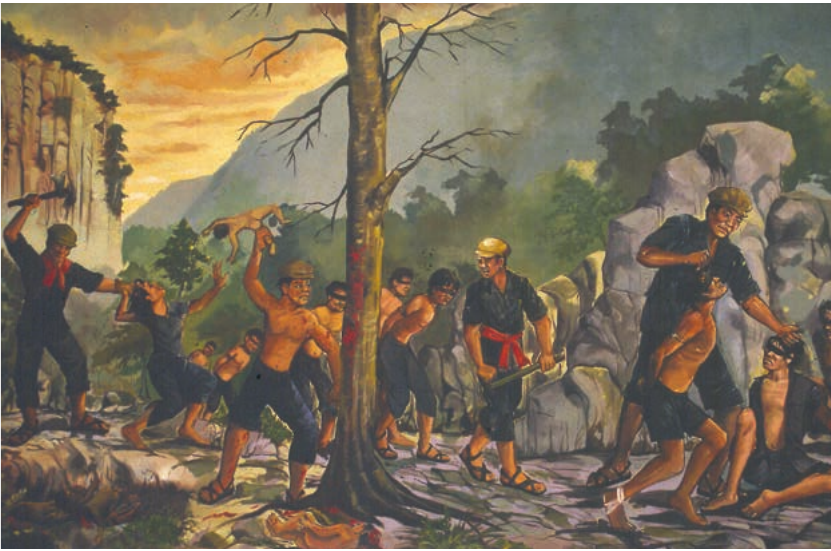
Millions of Cambodians were forced to work on Khmer Rouge farms and undergo 're-education'. Anyone suspected of having pro-Western tendencies faced brutal torture and execution, usually carried out by hand rather than bullets to save ammunition.
In an effort to gain legitimacy with his only ally, China, Pol Pot sent the bulk of Cambodia's harvest to China. This policy led to the deaths of 2 million people from starvation and famine. Regional differences alone were enough to attract death squads. An unknown number of eastern Khmer Rouge were killed by their western comrades because they were suspected of having links with the hated Vietnamese.
Note
Key term: Killing fields - Sites in Cambodia where the Khmer Rouge killed thousands of people and buried them in mass graves.
Almost 1 million people were taken to sites known as 'killing fields', murdered, and dumped in mass graves. The Khmer Rouge used primitive methods to execute victims - poison, spades, or sharpened bamboo sticks to save ammunition. In horrifying cases, children and infants of adult victims had their heads bashed against tree trunks before being thrown into pits alongside their parents.
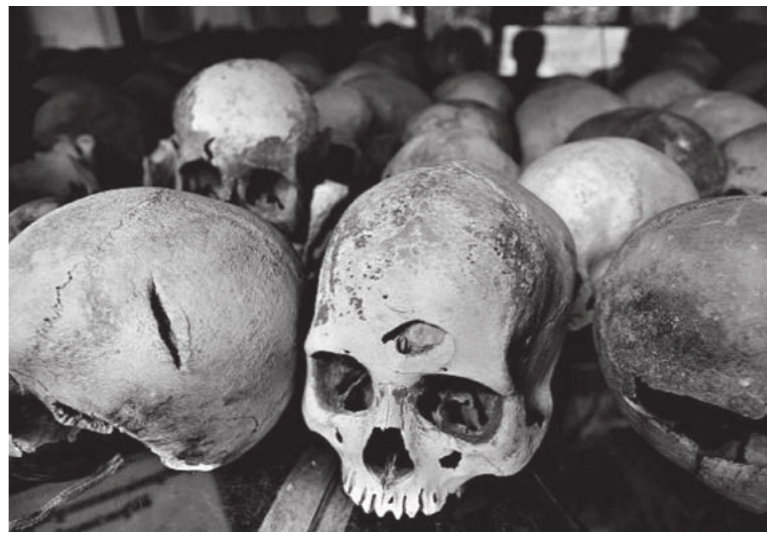
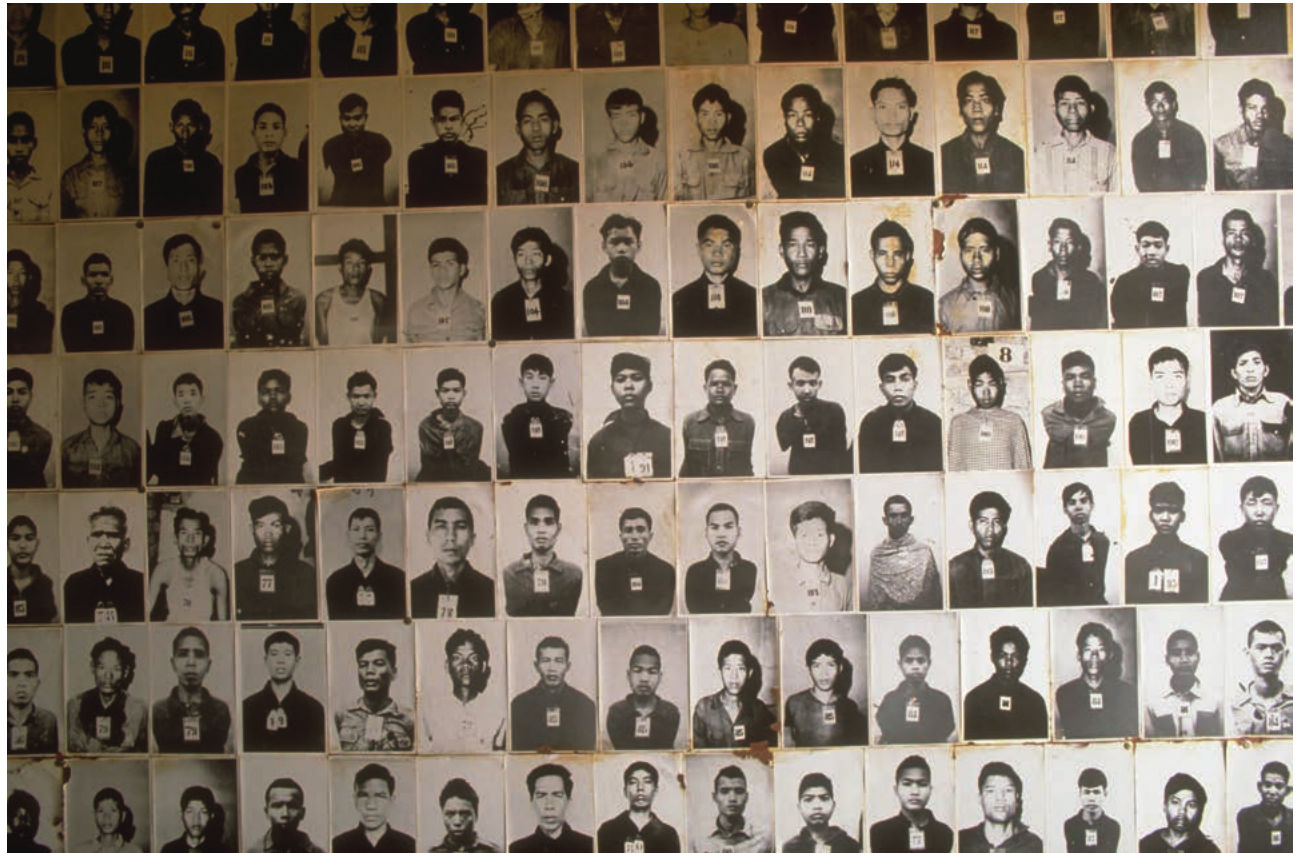
The regime kept meticulous records of citizens captured and tortured. A Phnom Penh high school was repurposed as Prison S-21, where systematic documentation of victims occurred before their execution.
End of the regime (1979)
The systematic murder only ended when Vietnamese forces invaded in 1979 and forced Pol Pot's regime into the jungles. The Khmer Rouge remained there for two decades before their eventual decline. During this period, they surrounded themselves with millions of landmines that continue to plague rural Cambodian populations to this day.
Important
The Legacy of the Khmer Rouge
The Khmer Rouge genocide represents one of the twentieth century's worst atrocities:
- Approximately 2 million deaths (one-quarter of Cambodia's population)
- Nearly 1 million murdered at killing fields
- The regime lasted only four years (1975-1979)
- Millions of landmines left behind continue to kill and injure civilians decades later
The conflict in Laos
Background and geography
The small nation of Laos played a quiet but vital role in the Indochinese conflict. Despite the catastrophic impact on thousands of peasant farmers and ethnic tribes, comparatively little was acknowledged or written about Laos by the outside world. To Laotian people, it was devastating. To American actors in Laos, it has often been called 'the secret war'.
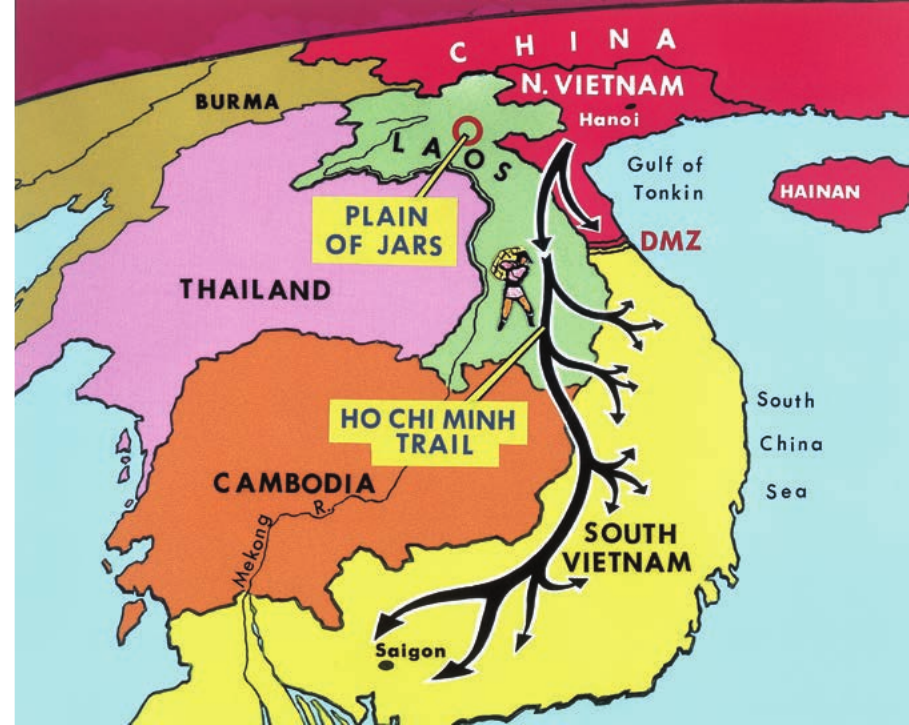
Geographically sandwiched between China, Thailand, Vietnam and Cambodia, Laos was an often-neglected member of French Indochina. The landlocked, mountainous nation lacked the natural resources of Vietnam and Cambodia. Despite the apparent lack of French interest, Laotians also gravitated toward ideas of nationalism and communism.
Civil war factions (1953-1975)
Before the First Indochinese War ended, two factions competed for control of Laos in a civil war lasting from 1953 to 1975. One side, led by Souvanna Phouma, focused on royal and nationalist goals. The other side consisted of communist players known as the Pathet Lao (meaning 'Lao Nation').
Note
Key term: Pathet Lao - The communist faction in Laos, meaning 'Lao Nation'. Led by Prince Souphanouvong, they worked with the Viet Minh to expel the French.
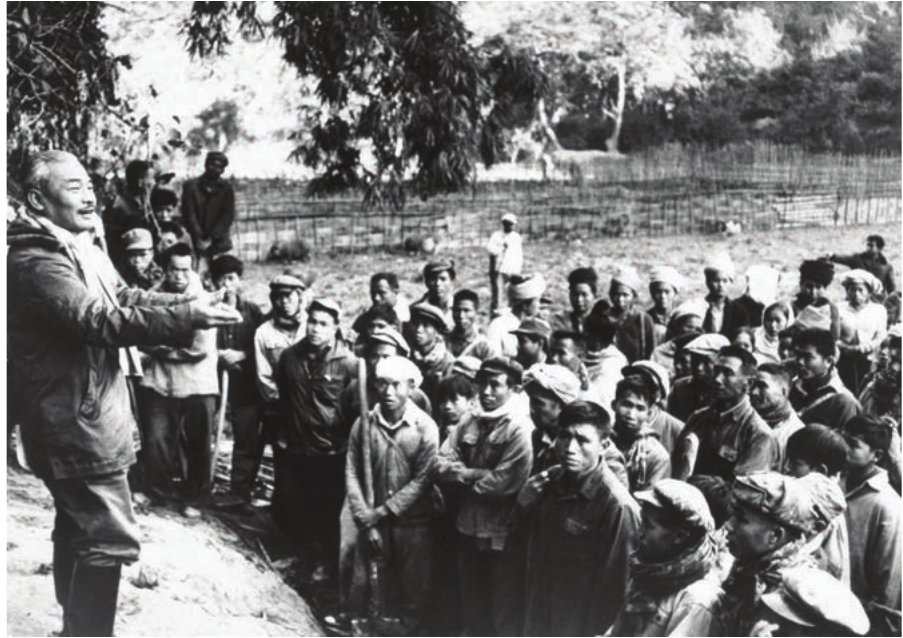
Led by Phouma's half-brother, Prince Souphanouvong, the Pathet Lao worked alongside the Viet Minh to evict the French. They were forced into a coalition government with the nationalists in 1954. However, this power-sharing arrangement only increased conflict between the two sides.
American involvement and the secret war
The French exit meant increased American influence in the region. The CIA's entry to Laos in 1954 marked the beginning of America's first covert war. Over the following six years, the United States spent $300 million on weapons supply, training, and support for anti-communist forces and Hmong tribal fighters in efforts to remove the communist Pathet Lao.
Note
Key term: Hmong - An ethnic minority group living in China, Vietnam, Laos and Thailand. In Laos, they became key allies of the CIA against the Pathet Lao.
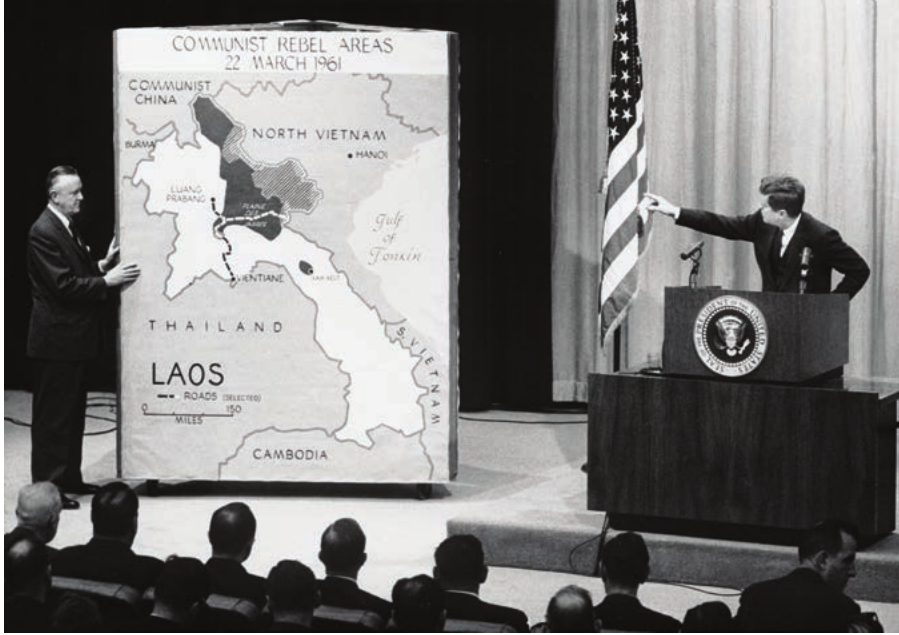
Departing US President Dwight D Eisenhower considered the situation in Laos extremely important. He pressed his replacement, John F Kennedy, to focus on Laos before Vietnam. In Eisenhower's view, Laos was the next domino to fall in his Domino Theory, as it shared a border with the world's most populous communist nation, China. If Laos could be stopped, he argued to Kennedy, communism itself could be halted in Indochina.
Note
Key term: Domino Theory - Eisenhower's principle that a communist government in one nation would inevitably lead to communist takeovers in neighbouring countries, much like toppling a row of dominoes.
Important
Eisenhower's Priorities
The day before Kennedy's inauguration, Eisenhower organised a foreign policy briefing where Laos came first. Only after discussing Laos did they address the US-Soviet standoff in Berlin, Cuba, and the global strategic arms race. This demonstrates how seriously Eisenhower viewed the Laotian situation - he considered it more urgent than the Cold War's other major flashpoints.
Operation Momentum
In 1960, the Hmong tribes proved to be the most determined group willing to fight the Pathet Lao and their North Vietnamese allies. The CIA launched Operation Momentum to arm, train, and fight alongside Hmong tribes to undermine communist efforts. Ironically, the Hmong and CIA employed guerrilla tactics to destabilise the communists.
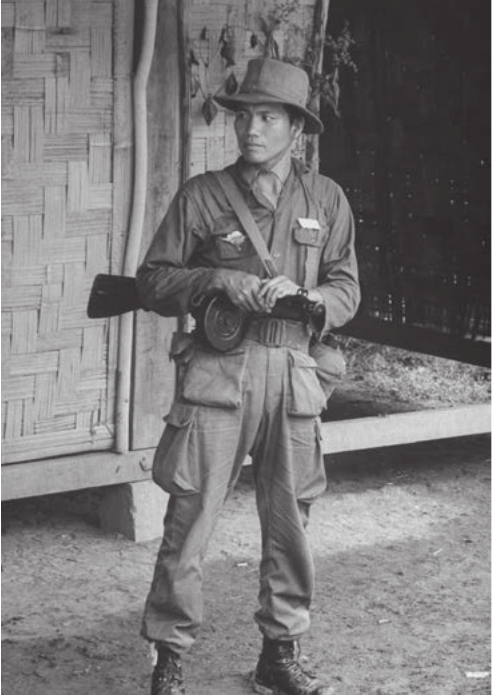
The entire operation remained mostly secret to avoid aggravating China and to prevent telling the American public that the CIA was waging war on a nation neutral to the Vietnam conflict. Remote Laos provided the newly-formed CIA its first opportunity to wage a proxy war in such secrecy that the Deputy Directory of the CIA, Robert Armory, stated "Laos was a great place to have a war".
Note
The secrecy surrounding the Laotian conflict meant that American citizens remained largely unaware that their government was conducting a full-scale war. This covert operation set precedents for future CIA activities and raised serious questions about democratic oversight of military operations.
Operation Momentum eventually cost $500 million annually by 1970. CIA agents worked in the jungles with Hmong tribes, fighting a war faithful to Eisenhower's Domino Theory. The focus of Operation Momentum changed with American fortunes in Vietnam. The Hmong tribes hated both the communist ideals of the Pathet Lao and the Vietnamese themselves. Consequently, Operation Momentum increasingly focused on attacking the Ho Chi Minh Trail supply route.
Impact of bombing on Laos
Operation Rolling Thunder
Operation Rolling Thunder had the most devastating effect on Laos. As in Cambodia, this campaign indiscriminately bombed Laos searching for Vietnamese Communist supply lines. The scale exceeded the bombing campaigns unleashed on Germany and Japan during World War II.
Operation Rolling Thunder became a central element of CIA operations in Laos, with one attack every eight minutes for an entire decade. This relentless campaign killed more Laotian civilians than actual combatants. The human cost was staggering:
- Over 200,000 fighters and civilians died (one-tenth of the population)
- 750,000 refugees were created
- The Plain of Jars strategic plateau region saw its population collapse from 150,000 in 1960 to only 9,000 by 1975
Important
The Unexploded Ordnance Crisis
Perhaps even more catastrophically, one-third of the bombs dropped by the United States remained unexploded. These continued to kill and wound Laotians long after the war ended, and remain a danger today.
This means millions of bombs still litter the Laotian countryside, making farming and daily life deadly even decades after the conflict ended.
Communist victory in Laos (1975)
The victory of communist forces in 1975 mirrored patterns established in South Vietnam and Cambodia. For the most part, the outside world remained in the dark about the conflict's scale in Laos. When it became clear that Vietnam could not be won and bombing missions stopped, the Pathet Lao overwhelmed the nationalist forces and took control.
US President Nixon sought peace negotiations with Vietnam, which prompted many Hmong who had fought with the CIA to attempt fleeing to Thailand and seeking asylum in the United States. For many, their pleas were ignored, and their fate was sealed.
At least 400,000 Hmong remained in Laos in 1976. The new regime treated them horrifically, singling them out severely for imprisonment, summary execution, and other abuses. Some specialists on Laos have called this post-war policy genocide - the systematic targeting and destruction of an ethnic group for their political allegiance.
Important
The Betrayal of the Hmong Allies
The Hmong people, who had fought loyally alongside the CIA for over a decade, faced abandonment when the United States withdrew from the region. Those who remained in Laos were subjected to brutal persecution by the victorious communist forces, constituting what many experts classify as genocide. This represents one of the most tragic outcomes of America's secret war in Laos.
Remember!
Summary
Key Points to Remember:
-
Cambodia maintained neutrality under Sihanouk until a 1970 pro-American coup brought Lon Nol to power. His corrupt and incompetent government inadvertently strengthened the Khmer Rouge.
-
American bombing campaigns in both Cambodia and Laos paradoxically fuelled communist recruitment. In Cambodia, 380,000 tons of bombs drove peasants to join the Khmer Rouge. In Laos, Operation Rolling Thunder exceeded World War II bombing levels.
-
Pol Pot's Year Zero policy created one of history's worst genocides. The Khmer Rouge forcibly evacuated cities, abolished all modern institutions, and murdered approximately 2 million people through execution and starvation between 1975-1979.
-
The CIA conducted a 'secret war' in Laos from 1954-1975, spending $500 million annually by 1970 to support Hmong tribes against the Pathet Lao. This covert operation remained largely hidden from the American public.
-
Both conflicts ended in 1975 with communist victories. The legacy included millions of deaths, displaced populations, and in Laos, millions of unexploded bombs that continue to kill and injure civilians decades later. The Hmong allies faced genocide after being abandoned by the United States.