The Shaping of the Modern World: An Overview (HSC SSCE Modern History): Revision Notes
📚Revision Notes
From the Enlightenment to the End of Empire
Introduction to the modern world
The modern world refers to the period from approximately 1750 to the present day. This era witnessed revolutionary changes that transformed Western societies and eventually the entire globe. Between the mid-eighteenth century and World War I, powerful new forces emerged that challenged traditional structures and created the foundations of contemporary society.
During this period, several interconnected developments reshaped the world:
- New political ideologies challenged absolute monarchies
- Revolutionary movements overthrew established orders
- Economic transformations created industrial societies
- Social reforms advanced concepts of justice and equality
- Imperial expansion created global networks of power
Note
These forces did not develop in isolation. Instead, they influenced and reinforced each other, creating a complex web of change that ultimately led to World War I and the reshaping of global power structures. Understanding how these movements connected helps explain why this period was so transformative.
The Enlightenment
The Enlightenment was a transformative period spanning from the 1650s to the 1800s. It represented a fundamental shift in how people understood politics, science, and culture across Western societies.
The challenge to traditional authority
For centuries, European societies had been organized around absolute monarchies, where kings claimed divine authority to rule. The Catholic Church and noble classes enjoyed extensive privileges, and most people accepted rigid social hierarchies as natural and unchangeable.
The Enlightenment challenged these assumptions. Building on scientific discoveries of the early 1600s that contradicted religious teachings, educated thinkers began questioning all forms of traditional authority. This "Age of Reason" promoted the idea that human reasoning, rather than tradition or faith alone, should guide how societies were organized.
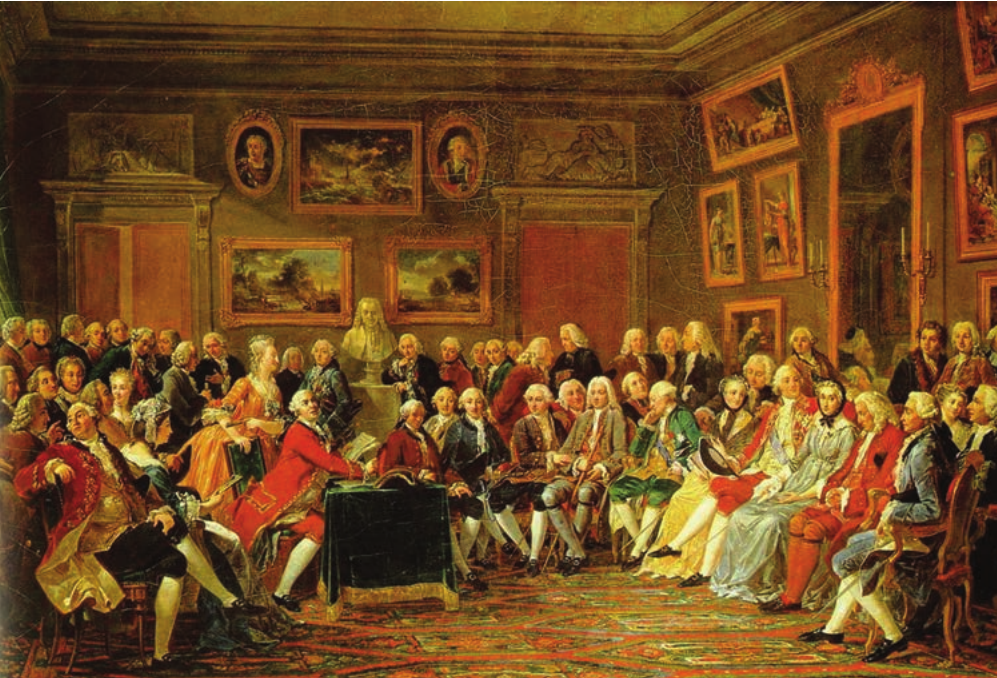
Key Enlightenment ideas and thinkers
Social contract theory emerged as one of the most influential Enlightenment concepts. The social contract is an agreement among members of a society, or between a society and its rulers, about the rights and duties of each party.
Note
Understanding the Social Contract
The social contract concept revolutionized political thinking by suggesting that governmental authority comes from the consent of the governed, not from divine right or inherited power. This idea would become the philosophical foundation for democratic revolutions across the Western world.
English philosopher John Locke argued that governments existed to serve the people, not the other way around. If rulers failed to provide social justice and good governance, Locke claimed the social contract was broken. This made it legitimate for people to overthrow their government through revolution.
In France, philosophers expanded on these ideas:
- Voltaire championed religious tolerance and freedom of expression
- Montesquieu advocated for limitations on royal power and the separation of governmental powers
- Both attacked the concept of absolute despotism, where monarchs wielded unlimited authority
Impact on society and politics
Enlightenment thinking promoted several revolutionary concepts:
- Liberalism: belief in individual freedoms and rights
- Religious freedom and tolerance: acceptance of different faiths
- Universal franchise and representation: the right for all citizens to vote and be represented in government
- Natural justice: the idea that all people deserve fair treatment based on reason, not social class
- Humanistic art: cultural works focused on human experience and reason
These ideas spread rapidly through salons (intellectual gatherings in private homes) and coffee houses, where educated people discussed the theories of famous authors and debated how to reform society.
Connection to the French Revolution
Important
The Enlightenment's Revolutionary Impact
Enlightenment philosophy directly fuelled the French Revolution of 1789. The ideas of natural rights, social contract, and legitimate resistance to tyranny provided intellectual justification for overthrowing King Louis XVI. Revolutionaries believed they were not just rebels, but rational people acting on universal principles of justice.
The concept that Louis XVI had broken the social contract by failing to govern justly became central to revolutionary arguments. This challenged his claim to rule by "divine right" – the traditional belief that God had chosen him to be king.
The French Revolution
The French Revolution arguably marks the beginning of modern political history. It violently destroyed the old social order and established new principles that would shape the nineteenth and twentieth centuries.
The Ancien Régime
On the eve of the Revolution, France lived under the Ancien Régime (the Old Order). This system centered on the absolute power of King Louis XVI, who ruled as a despot with little concern for the welfare of ordinary people.
Note
The Three Estates System
French society was rigidly divided into three Estates, an unequal system that concentrated wealth and power in the hands of a tiny minority while the vast majority bore all the burdens:
First Estate - The Catholic Church
- Wielded enormous influence over French life
- Collected tithes (land taxes) from peasants
- Owned vast properties
- Exempt from most taxation
Second Estate - The Noblesse (Nobility)
- Wealthy aristocrats with inherited titles, lands, and privileges
- Committed to maintaining the existing social order
- Paid little taxation despite their wealth
- Held most important government and military positions
Third Estate - Everyone Else
- Comprised over 97% of the population
- Included peasants, merchants, artisans, shopkeepers, and non-aristocratic landowners
- Bore the overwhelming tax burden
- Had minimal political representation despite being the vast majority
Causes of the Revolution
Multiple factors combined to create revolutionary conditions:
Financial crisis: France had supported the American War of Independence to promote liberalism and challenge British power. This military intervention left France financially overstretched and facing economic disaster.
Taxation disputes: King Louis XVI attempted to solve the crisis by increasing taxes on the wealthy First and Second Estates. These privileged groups resisted and instead tried to deflect the tax burden onto the already-struggling Third Estate.
Growing anger: The Third Estate became increasingly outraged by:
- The outlandish extravagance of the royal court
- The refusal of nobles to pay their fair share
- The ongoing exploitation of ordinary people
- The gap between Enlightenment ideals and the reality of French society
The revolutionary crisis of 1789
When Louis XVI ordered the National Assembly (the renamed Third Estate) to disband, its members refused. On 20 June 1789, they met on a tennis court and took a historic oath: they would not disperse until they had created a new constitution for France.
Important
The Tennis Court Oath - A Defining Moment
This Tennis Court Oath represented a direct challenge to royal authority. For the first time, representatives of ordinary people claimed the right to remake their government. This moment marked the point of no return – the Revolution had truly begun.
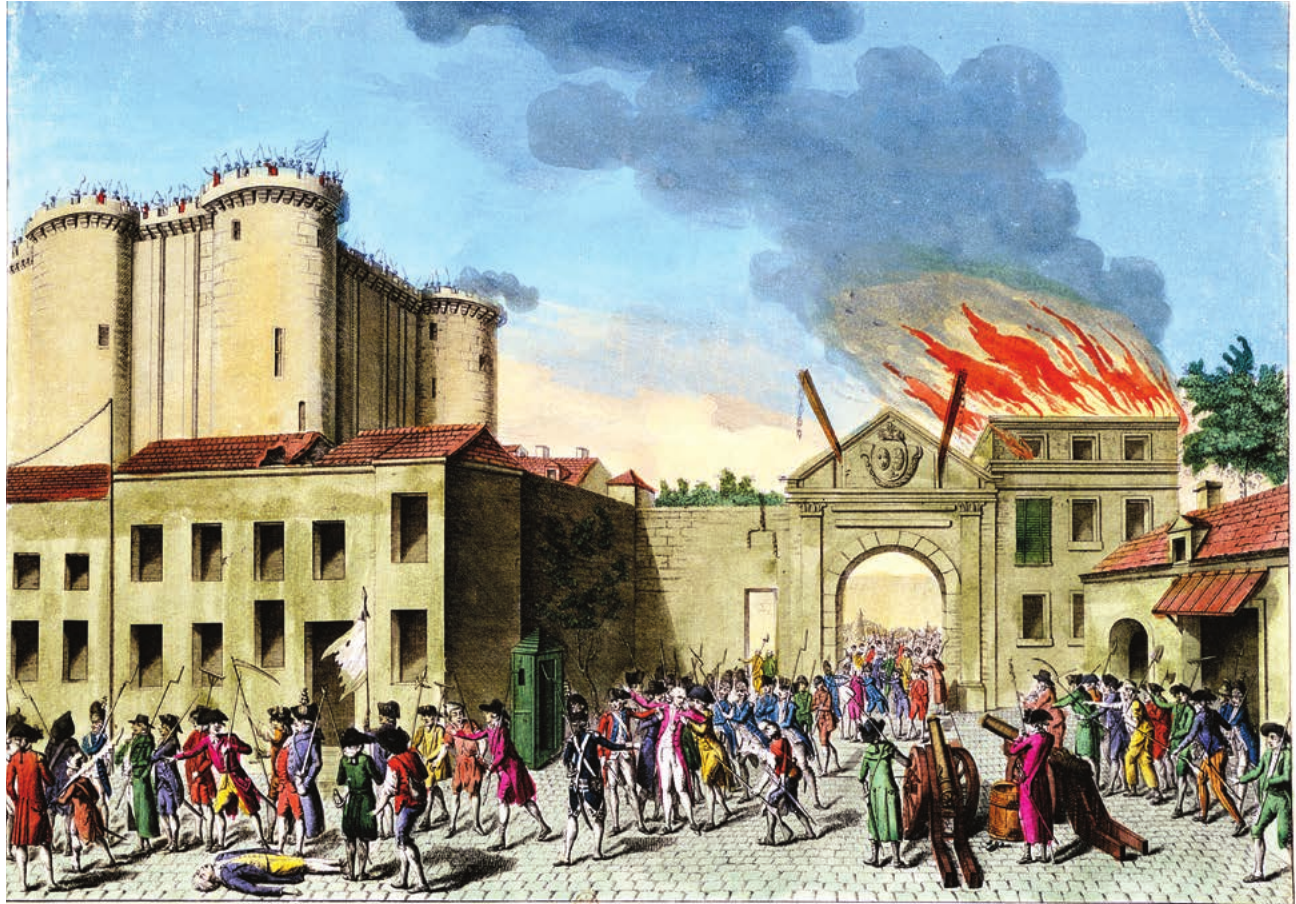
Meanwhile, the sans-culottes (meaning "those without pants") – impoverished urban workers – suffered from severe food shortages and rising bread prices. Their desperation added urgency to the political crisis.
On 14 July 1789, a crowd advanced on the Bastille, a fortress prison that symbolized royal tyranny. When the governor refused to release prisoners and weapons, the people stormed the building. This dramatic event became the most celebrated episode of the French Revolution and is now commemorated as France's national holiday.
The revolutionary transformation
Events moved rapidly after the storming of the Bastille:
August 1789: Feudalism was abolished, ending centuries of inherited privilege and obligations.
August 1789: The Declaration of the Rights of Man asserted:
- Freedom of the press
- Freedom of speech
- Right to political representation
- The inviolable right to own property
January 1793: The Revolution reached its most radical phase when King Louis XVI was executed by guillotine.
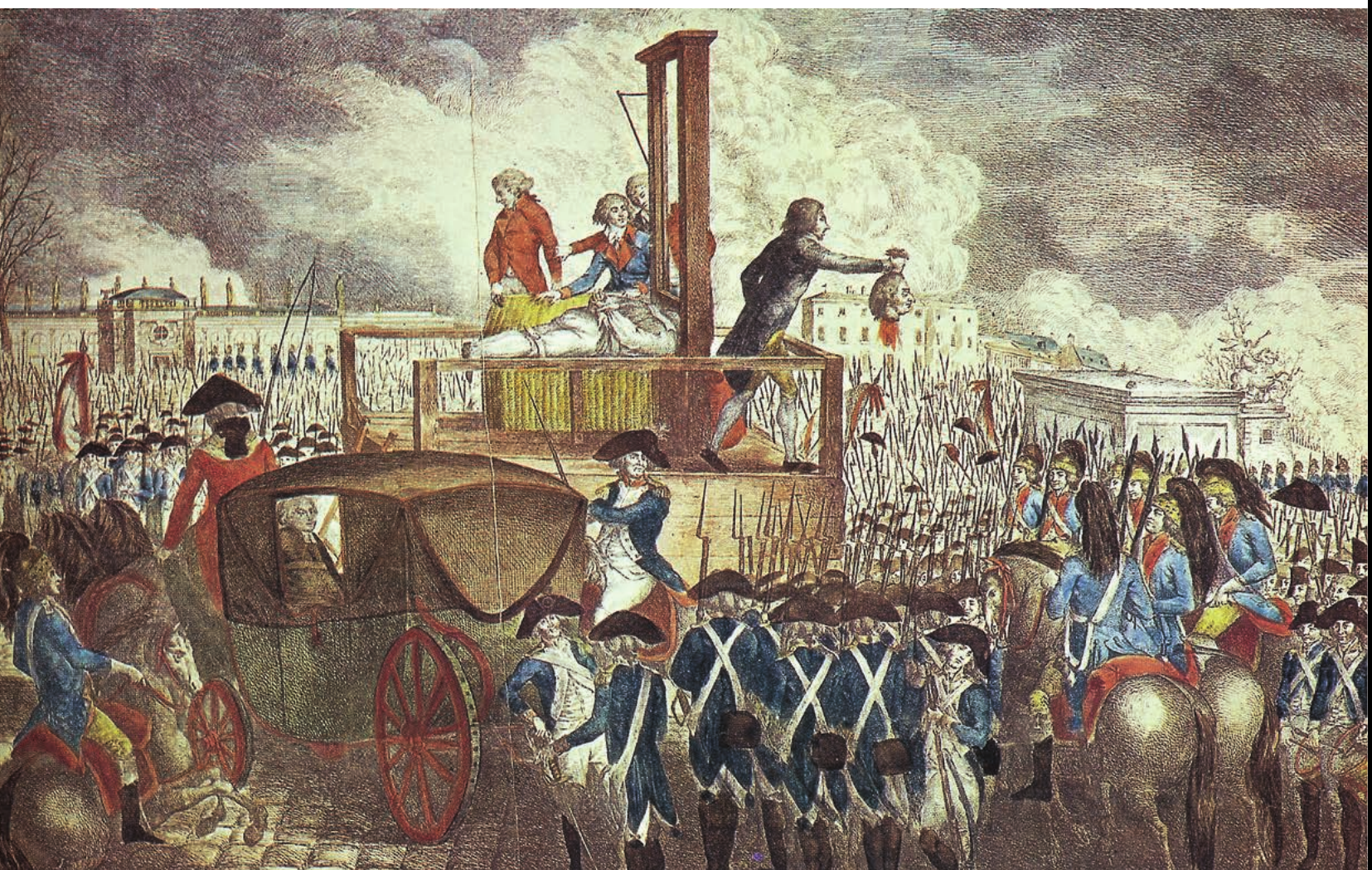
The Reign of Terror
The Revolution's most violent phase, known as the Reign of Terror, was led by the Jacobins – a radical political club. Key figures included Robespierre, Marat, Danton, and Roux.
The Terror emerged from two main concerns:
- Fear of foreign powers invading France to restore the monarchy
- Determination to eliminate domestic counter-revolutionaries
Measures implemented during the Terror:
- Mass executions by guillotine of suspected counter-revolutionaries
- Brutal suppression of uprisings in regions like Vendée and Toulon
- Levée en Masse: compulsory conscription to defend France
- Complete abolition of noble rights and privileges
- Forced sale of land to peasants at low prices
- Law of Maximum: price controls on all goods
- Committee of Public Safety: centralized control that suspended local elections
- Revolutionary Tribunal: special court to prosecute political crimes
Important
The Human Cost of the Terror
By 1794, the Terror had caused over 20,000 deaths through mass executions. Additionally:
- Over 2,000 people were convicted and killed without trial
- 1,600 more were condemned and executed for political crimes
- Prisoners of war were drowned or executed by mass cannon fire
This extreme violence reveals the dark side of revolutionary change – the Terror demonstrated how idealistic movements can descend into brutality when fear and ideology override justice and reason.
Three key legacies of the French Revolution
Despite its violence, the French Revolution fundamentally changed European politics and society. Three major ideas emerged that continue to shape the modern world:
Liberalism
The Revolution put Enlightenment ideals of individual rights into practice. Liberalism champions:
- Personal liberty and freedom from arbitrary authority
- Freedom of speech and expression
- Freedom of association and assembly
- Natural justice applied to all people, regardless of social class
- The right to pursue happiness and prosperity
With feudalism abolished, people from all backgrounds wanted these freedoms. The Revolution demonstrated that traditional hierarchies were not natural or inevitable, but human constructions that could be challenged.
Democracy
The Jacobins, despite their brutality, established important democratic precedents:
- A constitution that enabled broader political representation
- Price controls and economic relief for the poor
- Attempts to create greater equality among social classes
- Abolition of slavery and serfdom
While the Jacobins limited representation to those who agreed with their views, they still advanced the principle that government should serve all people, not just the wealthy and privileged.
Nationalism
A new sense of nationalism emerged during the Revolution. As foreign powers attempted to crush the revolutionary government by invading France's borders, the French people united around common values and purposes.
Note
The Birth of Modern Nationalism
This nationalism represented something fundamentally new:
- Loyalty shifted from the king to the nation itself
- People identified with the secular state rather than the divine monarchy
- Shared revolutionary ideals created a sense of common identity
- Defending France meant defending the Revolution's principles
This nationalist sentiment would spread across Europe in the nineteenth century, often combining with demands for self-determination and challenges to imperial rule.
Summary
Three Key Legacies - Remember LDN:
- Liberalism - Individual rights, freedoms, and natural justice for all people
- Democracy - Political representation and government serving all citizens
- Nationalism - Loyalty to the nation-state and shared national identity
These three principles transformed European politics and continue to shape modern political systems worldwide.
The Industrial Age
The Industrial Age transformed how people worked, where they lived, and how wealth was distributed in society. Combined with the end of feudalism and new scientific knowledge, industrialization created the modern economic system.
The transformation of work and society
From agriculture to factories: Traditional agricultural production and domestic (home-based) labor gave way to large-scale factory production. Key industries included:
- Coal mining
- Iron manufacturing
- Textile production
- Mechanized crop harvesting
- Mass production of goods
The end of serfdom: When feudalism was abolished, people gained the freedom to move in search of work. This freedom drove:
- Technological innovation as workers and entrepreneurs experimented with new methods
- Mass migration from rural areas to urban centers
- Development of dense housing in cities to accommodate workers
- Growth of industrial towns around factories and mines
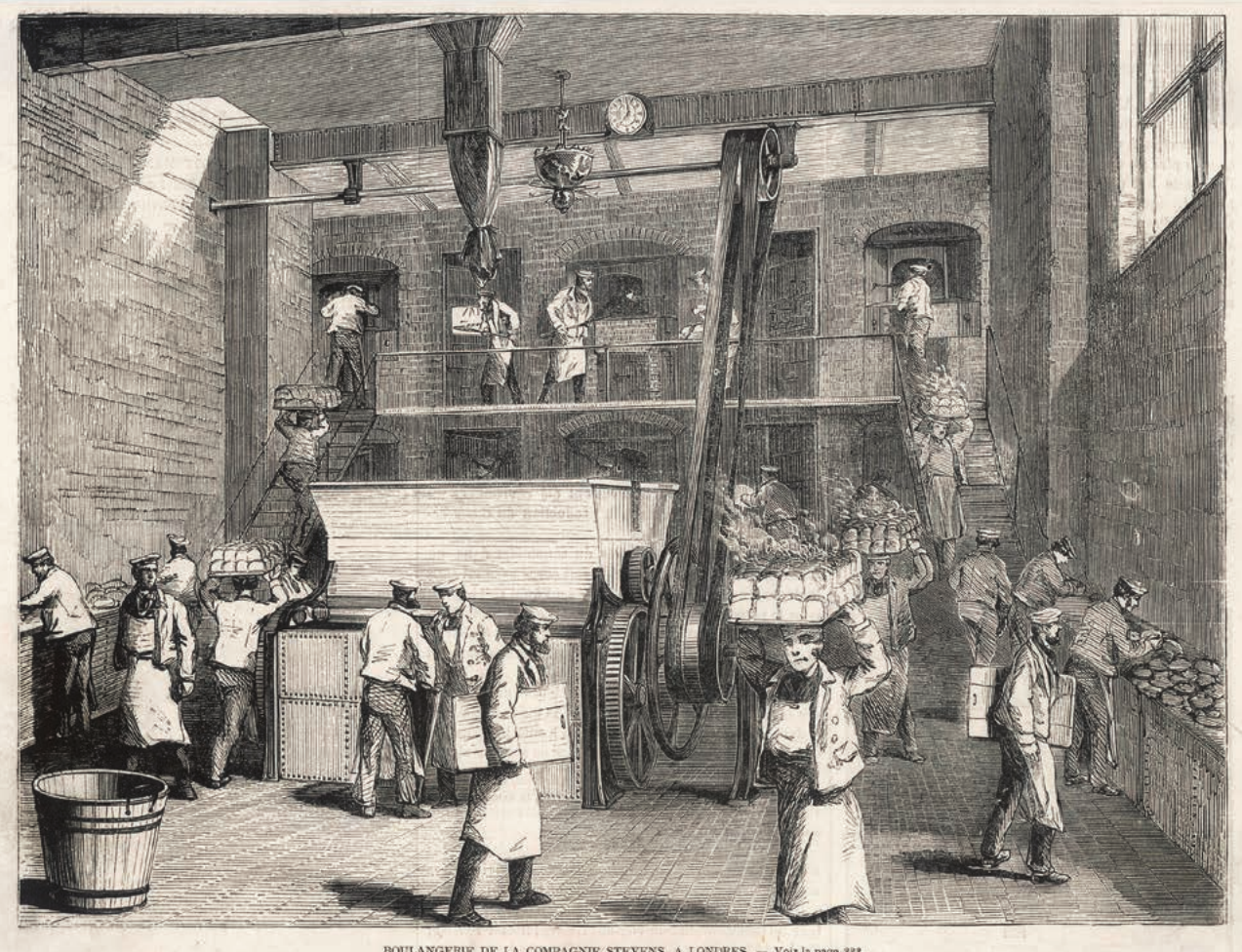
The reality of industrial life
The ideals of equality from the French Revolution were not realized during industrialization. Instead, stark divisions emerged between social classes.
Note
The Dark Side of Industrial Progress
While industrialization brought economic growth and technological advancement, it came at a tremendous human cost:
Exploitation of workers:
- Factory workers labored long hours in harsh conditions
- Families lived in squalid, overcrowded housing
- Child labor became common in coal mines and textile mills
- Entire families, including children, had to work to afford rent
- Dangerous working conditions caused injuries and early death
New class divisions: A clear division emerged between:
- The proletariat (working class) who provided labor
- The bourgeoisie (middle class) who owned factories, land, and housing (the "means of production")
Landlords and factory owners demanded rent and long working hours while accumulating wealth. Meanwhile, workers struggled to survive despite working exhausting hours.
Marxist analysis of industrial capitalism
German philosopher Karl Marx analyzed these class divisions and predicted their consequences.
Marx's key arguments:
- The bourgeoisie exploited the proletariat by controlling the means of production
- Workers created value through their labor but received only minimal wages
- Owners accumulated wealth by paying workers less than the value they produced
- This exploitation was inherently unfair and unstable
Important
Marx's Revolutionary Predictions
Marx predicted that:
- The working class would grow in numbers and awareness
- Workers would eventually recognize their collective power
- A class-based revolution would overthrow the bourgeoisie
- Resources and capital should be distributed equally among those who produced them
These ideas influenced the development of socialism and Marxism – ideologies advocating for collective ownership of the means of production, equal distribution of resources and wealth, worker control over economic decision-making, and elimination of class-based exploitation.
The Age of Imperialism
During the late nineteenth century, European nations engaged in aggressive colonial expansion. This Age of Imperialism saw major powers using military force and diplomatic pressure to control territories worldwide.
Imperialism means exerting power over a sovereign entity (independent nation or people) through military and diplomatic means. Imperial powers sought:
- Raw materials for their industries
- New markets for manufactured goods
- Political influence over strategic regions
- Economic connections and trading networks
- National prestige and global power
The great imperial powers
Britain - The world's greatest superpower by 1914:
- Controlled over 25% of all countries worldwide
- Governed approximately 390 million people
- Held territories including Australia, Canada, India, New Zealand, West Indies, South-east Asia, and British Guiana
France - Britain's main rival:
- Controlled 11 million square kilometers of territory
- Governed over 58 million people
- Held colonies in Indochina (South-east Asia), Africa, and French Guiana (South America)
Austria-Hungary:
- Extended borders into the Balkan region
- Ruled 50 million people
- Governed 11 different cultural and linguistic groups
Russia:
- Controlled 132 million people
- Extended influence over Eastern Europe and northern China
Declining empires:
- The Ottoman (Turkish) Empire was crumbling
- Former Ottoman territories in Iraq, Lebanon, Syria, and the Balkans fell under new spheres of influence
Emerging imperial powers:
- United States acquired colonies in the Pacific and South America
- Japan industrialized rapidly and acquired colonies in China and the Philippines
The Scramble for Africa
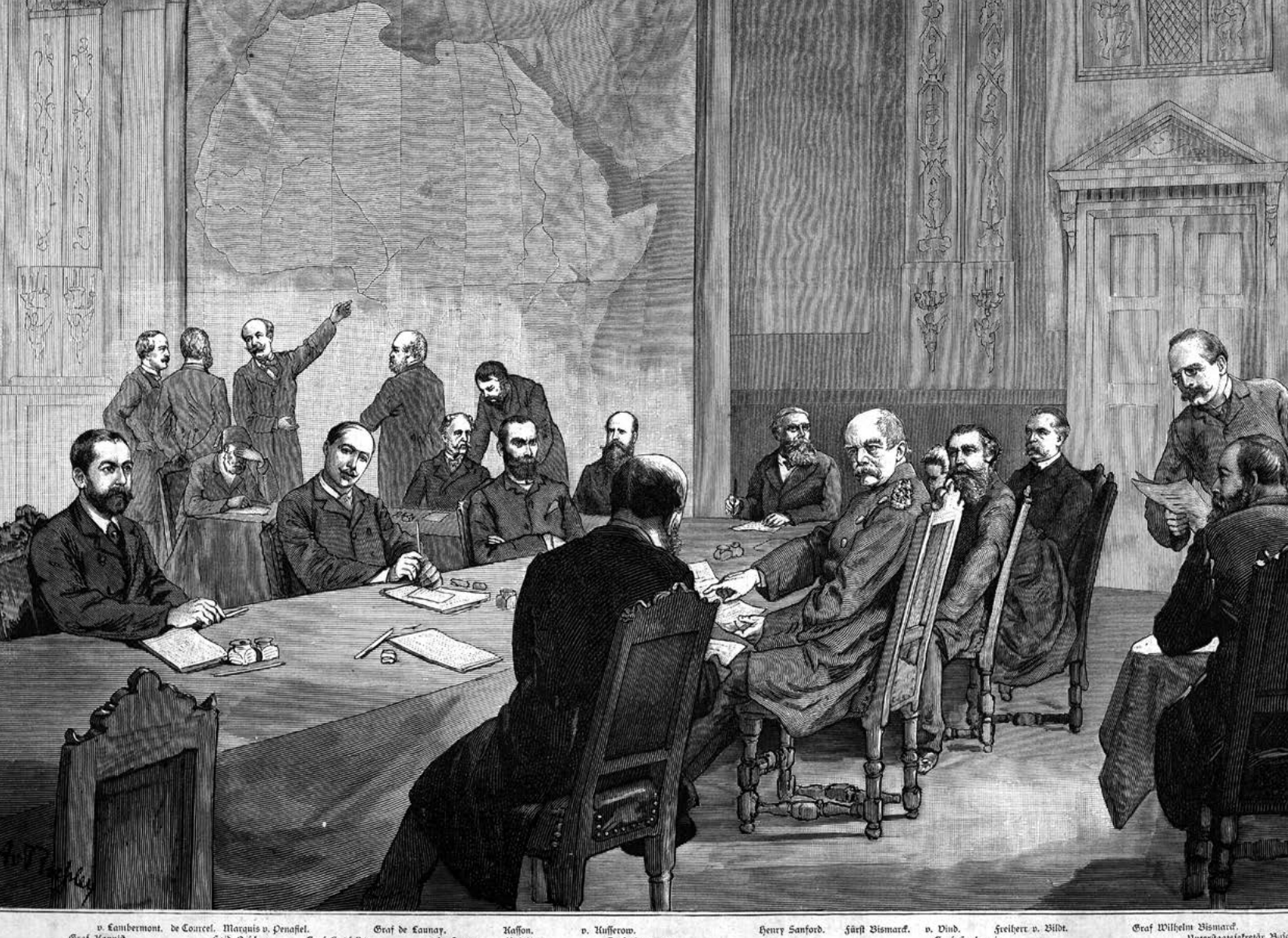
European powers competed fiercely to colonize Africa. The Berlin Conference of 1884 saw major European nations literally divide the African continent among themselves on a map, with no consideration for existing African societies, cultures, or political structures.
Note
The Racist Ideology of Imperialism
European powers claimed they were "civilizing" indigenous peoples. This racist ideology argued that:
- Indigenous peoples were "savages" who needed Western guidance
- Christianity should replace traditional religions
- European culture was superior to all others
- Colonial rule was a burden the "advanced" nations had to bear
In reality, imperialism was driven by economic greed, national rivalry, and desires for power.
Imperial rivalries and diplomatic tensions
Competition for colonies created frequent crises that nearly triggered wars:
Fashoda Incident (1898): France and Britain reached a flashpoint in Sudan when France claimed Fashoda. Britain advanced its forces to challenge French control. Rather than fight, the two historic enemies decided to cooperate.
Entente Cordiale (1904): France and Britain formed an alliance to divide colonial territories:
- France could assert control over Morocco
- Britain could continue expansion through northern Africa and Egypt
- Both agreed not to interfere with each other's colonial ambitions
First Morocco Crisis (1905): Germany tried to challenge French control of Morocco. The German Kaiser provocatively visited Tangier and delivered a speech questioning French authority. Britain backed France, forcing Germany to back down. This crisis strengthened Franco-British relations.
Second Morocco Crisis (1911): When France sent troops to Morocco to suppress an uprising, Germany sent a gunboat to Agadir. Germany demanded France cede territory in the Congo in exchange for accepting French rule in Morocco.
Impact of imperialism
Creation of new inequalities:
- Colonial exploitation created wealth for European nations
- Indigenous peoples lost control of their land and resources
- Labor and commodities were extracted from colonies
- Local populations were forced to accept foreign rule and cultural practices
Subjugation and resistance:
- Many colonized peoples resisted imperial rule through revolts
- Nationalist movements emerged demanding self-determination
- People united around common language, culture, and history
- New forms of nationalism developed in colonized territories
Important
The Path to World War I
Imperial competition and rivalry were instrumental in causing World War I:
- Colonial rivalries created tension between empires
- Complex alliance systems developed to protect imperial interests
- Arms races accelerated as nations built up military forces
- Nationalist sentiments made populations willing to fight for their empires
These tensions and rivalries created the explosive conditions that would ignite into global conflict.
The End of Empire
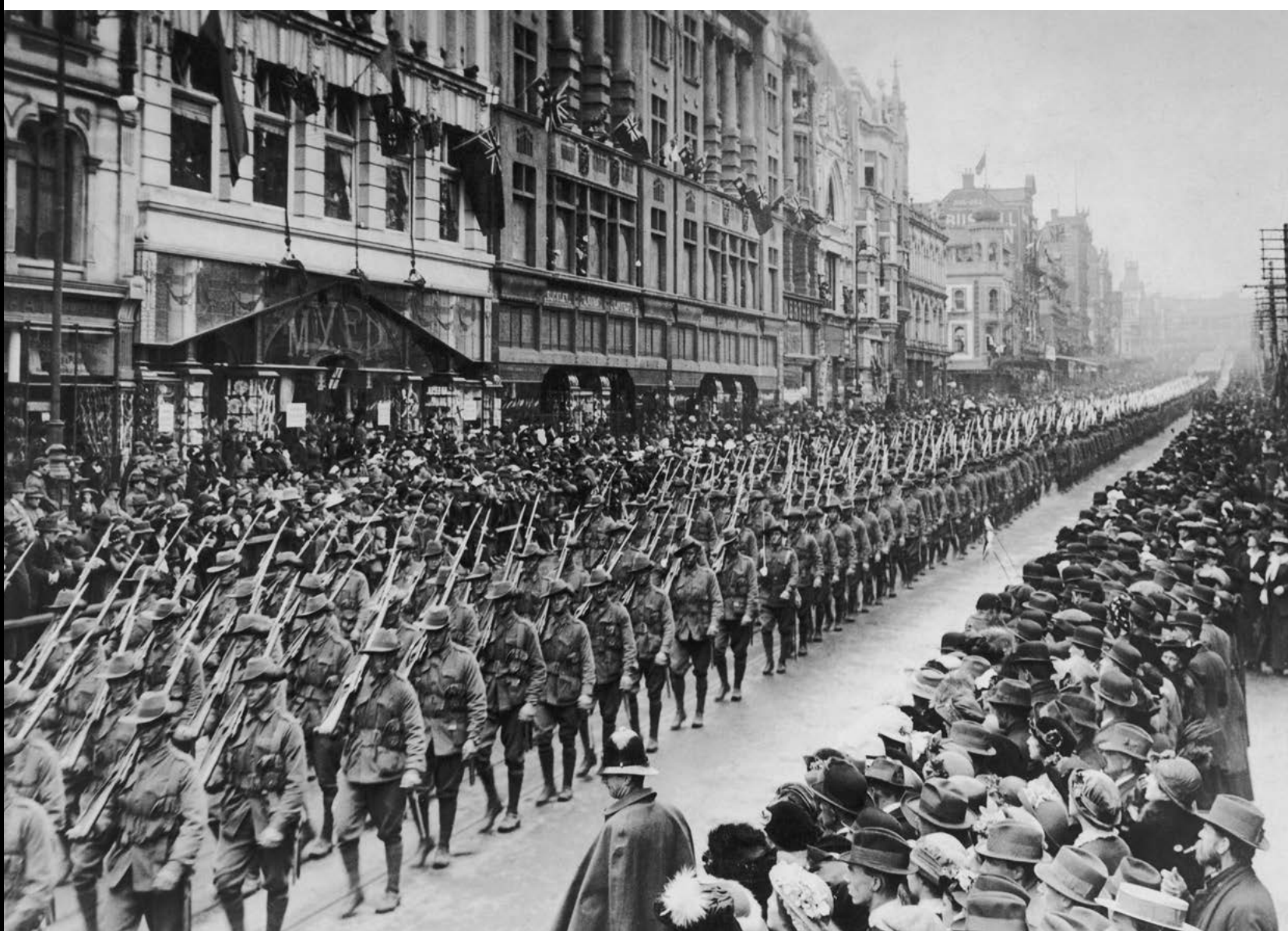
The End of Empire traces the collapse of colonial empires from World War I onwards, resulting in the decolonization of many territories between 1945 and the 1960s.
Characteristics of decolonization
The end of colonial rule followed World War I, which exhausted European powers and weakened their ability to maintain distant colonies. The Treaty of Versailles and subsequent peace settlements carved up former territories:
- Some colonies were divided among the victorious powers
- Other territories were granted to groups seeking self-governance (for example, Yugoslavia was created for Slavic peoples)
The End of Empire was characterized by:
- Political instability and conflict in former colonies
- Popular movements for self-determination by indigenous peoples
- Struggles against oppression and exploitation by former colonial powers
- Emergence of new independent nations
- Debates over post-colonial government structures (democratic vs. socialist)
Varied paths to independence
Note
Different Routes to Freedom
Different colonies experienced decolonization in different ways:
Transitional arrangements: Some territories negotiated gradual handover of power with their colonizers.
Mass political struggles: Others engaged in sustained resistance involving brutal conflicts and foreign intervention.
Political vacuums: In some cases, rapid decolonization left power vacuums where rival factions and ideologies competed for control.
Case study: Ghana's path to independence
The decolonization of Africa reveals the complexities of the End of Empire. Ghana (formerly known as the Gold Coast) provides an important example.
Colonial approaches: French vs. British
French approach - Francophile assimilation:
- Attempted to make indigenous peoples culturally French
- Encouraged adoption of French language and customs
- Aimed to create French-speaking African elites
British approach - Indirect rule:
- Allowed indigenous peoples to maintain their own languages and customs
- Governed through local traditional authorities
- Provided Western education while preserving cultural identity
- This approach paradoxically created leaders who could organize resistance
Rise of Ghanaian nationalism
Education and class consciousness: After both World Wars, the British education system had created professional and middle classes in West Africa. These educated Africans:
- Understood the exploitation occurring in their countries
- Had acquired Western concepts of rights and justice
- Could articulate arguments against colonial rule
- Had organizational skills to lead resistance movements
Economic grievances: Ghana possessed valuable natural resources (palm oil and cocoa). Colonial governments exported these resources while local populations remained poor. Educated Ghanaians argued against this exploitation and demanded control over their own resources and labor.
Kwame Nkrumah and independence
Example
Ghana's Journey to Independence
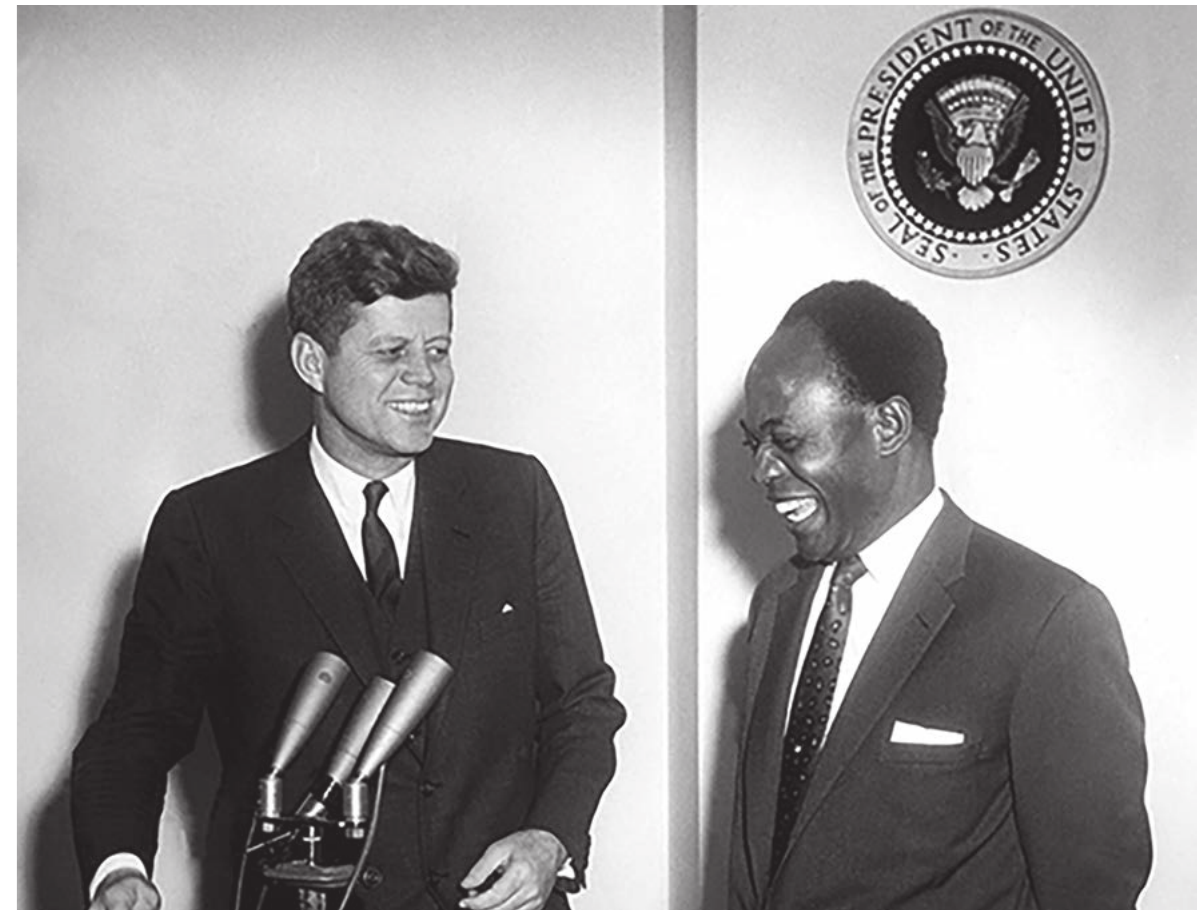
Kwame Nkrumah emerged as Ghana's most important nationalist leader:
1947: Nkrumah helped establish the United Gold Coast Convention (UGCC) to voice opposition to British rule.
Creation of the CPP: Nkrumah founded the Convention People's Party (CPP) to create an alternative vision for Ghana's future.
Tactics: The CPP used non-violent methods to build support:
- Organized schools to educate people about their rights
- Built youth community groups
- Used newspapers and media to spread nationalist ideas
- Argued for legislative representation and eventually full self-determination
Success: On 6 May 1957, Ghana became independent, the first sub-Saharan African colony to achieve independence. Nkrumah became the first President in 1960 as Ghana adopted a republican constitution.
Forces shaping the End of Empire
The decolonization process was driven by:
Nationalism: Indigenous peoples developed strong identities based on common language, culture, and history.
Self-determination: The principle that peoples should control their own political destiny became widely accepted.
Colonial exhaustion: European powers, weakened by two World Wars, lacked resources to maintain control over distant territories.
Changed ideologies: Enlightenment ideas of liberalism and equality, once used to justify European dominance, were now used by colonized peoples to demand independence.
International pressure: New international organizations and Cold War competition made maintaining empires more difficult.
Legacy and impact
The End of Empire created the modern international system:
- Dozens of new independent nations emerged
- Former colonies struggled to build stable governments and economies
- Colonial borders, often drawn arbitrarily by European powers, created ongoing conflicts
- Questions of economic justice and global inequality remained unresolved
- Nationalism continued to shape global politics
Note
The Continuing Influence of History
The ideas of liberalism and equality that emerged during the Enlightenment have combined with cultural and regional nationalism. These forces continue to shape our contemporary world and influence the balance of power among nations. Understanding this historical progression helps explain many current global challenges and conflicts.
Summary
Key Points to Remember:
-
The Enlightenment (1650s-1800s) challenged absolute monarchy through reason and philosophy, promoting ideas of natural rights, social contract, and legitimate resistance to tyranny.
-
The French Revolution (1789-1794) violently overthrew the Ancien Régime and established three key principles that shaped the modern world: liberalism (individual rights and freedoms), democracy (representation and political participation), and nationalism (loyalty to the nation-state rather than monarchy).
-
The Industrial Age transformed society through mechanization and urbanization, but created stark class divisions between the bourgeoisie (who owned the means of production) and the proletariat (working class), leading to Marxist critiques and socialist movements.
-
Imperialism in the late nineteenth century saw European powers compete aggressively for colonies worldwide, creating diplomatic tensions, alliance systems, and nationalist sentiments that contributed to the outbreak of World War I.
-
The End of Empire following World War I saw the gradual decolonization of former colonies, with varying processes ranging from peaceful transitions to violent struggles, exemplified by Ghana's independence under Kwame Nkrumah in 1957.