Aid Programs Addressing SDG 4: Quality Education (VCE SSCE Health and Human Development): Revision Notes
📚Revision Notes
Aid Programs Addressing SDG 4: Quality Education
Overview of SDG 4 programs
Sustainable Development Goal 4 focuses on ensuring inclusive and equitable quality education for all people. Two key aid programs have been implemented to address this goal in different African contexts. The first program uses technology to improve literacy in Zambia, whilst the second strengthens education and health services in refugee-hosting communities in Ethiopia. Both programs demonstrate how targeted educational interventions can improve learning outcomes and promote broader development goals.
Note
Understanding SDG 4
SDG 4 (Sustainable Development Goal 4) is one of the 17 global goals established by the United Nations to achieve a better and more sustainable future for all. It specifically targets quality education, aiming to ensure inclusive and equitable access to learning opportunities at all levels.
Using radio and mobile phones to improve children's literacy in Zambia — 'The way we live' program
Background and purpose
Zambia faces significant challenges in providing quality education to its children. Many students lack access to trained teachers and diverse reading materials in their primary schools. The situation is further complicated by the fact that less than 50 per cent of Zambian children begin primary school at the expected age of seven. This delayed start means many children miss crucial early learning opportunities.
In 2014, Zambia's Ministry of General Education introduced a new policy requiring children to begin learning all subjects in their local language. This approach allows students to develop strong literacy skills in their mother tongue before transitioning to English instruction. However, a critical shortage of published books in local languages has hindered children's ability to practice and improve their reading skills.
Important
The Technology-Literacy Gap
Despite low literacy rates across Africa, mobile phone access is remarkably high, with 93 per cent of people able to use mobile phone services. This presents a unique opportunity to leverage existing technology infrastructure to address educational challenges.
Recognising this opportunity, 'The way we live' program (known as Makhalidwe Athu in the local language) was developed to bridge the gap between technology access and literacy development. The program uses mobile phones to deliver reading materials in local languages to children and their families in Eastern Province, Zambia.
The program has two main objectives. First, it creates mother-tongue reading materials that are culturally relevant and age-appropriate for primary school children. Second, it encourages parents to actively participate in their children's reading development by providing stories and comprehension questions through mobile technology.
Implementation
'The way we live' program operates through a partnership between Creative Associates International, local communities, and Breeze FM radio station. Financial support comes from USAID, World Vision, and the Australian government as part of the broader All Children Reading: A Grand Challenge for Development initiative.
The program follows a systematic weekly cycle. Community members contribute local stories that reflect their culture and experiences. Literacy specialists then review and adapt these stories to ensure they are suitable for children's reading levels and age groups. Once adapted, the stories are delivered to parents' mobile phones through Short Message Service (SMS) technology.

Note
Radio's Role in Building Community Engagement
Breeze FM, a popular local radio station, plays a crucial role in the program's success. The station broadcasts stories submitted by community members and runs contests where listeners vote for their favourite stories. This creates excitement around the program and encourages more people to contribute stories. Community members can submit their stories through multiple channels: online, via text message, or by physically dropping them off at the radio station. This radio component builds community interest and creates a sense of shared ownership in developing children's literature.
Families receive each story in three separate segments via SMS. As children receive each segment on a mobile device, they write the text in their exercise books, which reinforces their reading and writing skills. After each segment, parents receive comprehension questions through SMS that they can ask their children to check understanding. To support parents who cannot read, an Interactive Voice Response (IVR) system provides recorded audio versions of the stories. Research shows that 68 per cent of participating families listen to these voice recordings with their children.
The program creates a collaborative learning environment where children and their caregivers gather together to read stories from mobile phones. This shared reading experience strengthens family bonds whilst developing literacy skills. Parents, grandparents, and other extended family members actively participate in reading activities, making literacy development a whole-family endeavour.
Outcomes
The University of Chicago conducted a comprehensive evaluation of the program using several assessment tools: the Early Grade Reading Assessment (EGRA), household surveys, and learner questionnaires. These evaluation methods provided detailed information about the program's effectiveness and reach.
Example
Program Participation and Engagement Results
Approximately 1200 students across 40 school communities participated in the program. The results from the first 12 months showed remarkable engagement levels:
- All participating households reported reading the mobile stories with their children at least once weekly
- 78 per cent of families read every SMS message when received three times per week
- 68 per cent of families listened to voice recordings with their children
- Over 200 stories were collected and distributed during the pilot phase
- Every caregiver surveyed reported that the project improved their children's learning
The program's impact extends beyond simple literacy improvement. By providing reading tools and resources, the program empowers children to achieve academic success. When students develop strong reading skills, they are better equipped to continue their education and avoid dropping out of school. This educational foundation helps children and their families break cycles of poverty, as educated individuals typically have access to better employment opportunities and higher incomes.
The program has also helped preserve local culture by collecting and sharing traditional stories. This cultural preservation strengthens spiritual health and wellbeing by connecting children to their heritage and building community identity.
How the Zambia program promotes health and wellbeing and human development
Impact on health and wellbeing
Education programs like the Zambia literacy initiative create far-reaching effects on multiple dimensions of health and wellbeing. Understanding these connections helps explain why quality education is recognised as a sustainable development goal.
Physical health and wellbeing
Literacy skills enable individuals to access better employment opportunities, particularly in higher-paid positions. Increased income allows families to afford better quality and quantity of food, which directly improves physical health and wellbeing. Good nutrition strengthens the immune system and reduces susceptibility to diseases. Higher income also enables families to access clean water supplies and healthcare services, both essential for preventing illness and treating diseases when they occur. The ability to afford and access healthcare means families can address health problems before they become severe.
Mental health and wellbeing
Educated individuals can read and understand health-related information, which reduces anxiety and stress associated with caring for ill family members. When people understand medical instructions, they can ensure medications are taken in correct dosages, improving treatment effectiveness. This knowledge and understanding promotes mental health and wellbeing by giving people confidence in managing their own health and their family's health needs. The ability to seek appropriate medical assistance when needed reduces the mental burden of uncertainty about health problems.
Social health and wellbeing
Attending schools or participating in education programs creates opportunities for social connection. Students and their families interact with others in their community through educational activities, which strengthens social bonds and relationships. The Zambia literacy program specifically encouraged this through family reading sessions and community story-sharing activities. These interactions promote social health and wellbeing by reducing isolation and creating support networks.
Spiritual health and wellbeing
The literacy program built a strong sense of community belonging by involving all community members in collecting and sharing local stories. This collective effort created shared purpose and strengthened cultural identity. The program helped preserve traditional stories and culture, connecting children to their heritage and community values. These connections promote spiritual health and wellbeing by giving individuals a sense of meaning, purpose, and belonging within their community.
Note
The Four Dimensions of Health and Wellbeing
Education programs impact all four dimensions of health:
- Physical: Better income enables improved nutrition, clean water access, and healthcare services
- Mental: Health literacy reduces anxiety and improves confidence in managing health
- Social: Educational activities create community connections and support networks
- Spiritual: Cultural preservation strengthens identity and sense of belonging
Impact on human development
Health and wellbeing improvements directly contribute to human development at both individual and national levels. This bidirectional relationship means that improvements in one area support progress in the other.
At the individual level, healthy people can work productively and earn income. They are more likely to actively participate in their communities, which strengthens social connections and civic engagement. The Zambia program demonstrated this by building literacy skills, preserving culture, bringing families together, and encouraging participation from all community members. These outcomes reflect key aspects of human development: people developing their capabilities, making choices about their lives, and participating in their communities.
Education expands people's choices and opportunities. Literate individuals can access knowledge, secure decent standards of living, and participate more fully in community decisions that affect their lives. When parents become educated, they are more likely to ensure their own children receive education, creating intergenerational improvements in human development.
At the national level, educating individuals creates a more skilled workforce. This skilled workforce increases productivity and contributes to economic growth, raising the country's overall income level. Countries with higher incomes can invest more resources in programs and infrastructure that further promote health, wellbeing, and human development. This creates a positive cycle where education drives development, which enables further investment in education.
Important
Education as Human Development
Quality education enables people to develop their full potential and lead creative, productive lives aligned with their needs and interests. This aligns with the core concept of human development: expanding people's freedoms and capabilities so they can pursue lives they value.
Improving health and education services in refugee-hosting communities in Ethiopia
Background and context
The Horn of Africa region has experienced decades of political conflict, instability, and climate-related challenges. These prolonged crises have caused massive displacement of populations. Current estimates show that 4 million people have been internally displaced within their own countries, whilst 9 million people have crossed international borders seeking refuge in neighbouring nations.
Countries in the Horn of Africa face enormous challenges managing this extended refugee crisis. People fleeing from South Sudan, Somalia, and the Democratic Republic of Congo have sought safety in neighbouring countries. According to UNHCR data, Uganda hosts 1.38 million refugees, Sudan hosts 1.1 million, and Ethiopia provides refuge to 735,204 people who have fled violence and instability in their home countries.
Important
The Strain on Host Communities
Ethiopia's refugee camps house desperate populations from South Sudan, Sudan, and Eritrea. These large refugee populations place significant strain on local communities, particularly on health and educational services that must serve both refugees and host community members. Infrastructure and resources that were designed for smaller populations become overwhelmed, reducing service quality for everyone.
The World Bank recognised these challenges and financed the Ethiopia Development Response to Displacement Impacts Project (DRDIP). This program specifically targets communities hosting large refugee populations, aiming to improve social services and create economic opportunities. The project acknowledges that supporting host communities is essential for managing refugee situations effectively and sustainably.
Program design and implementation
DRDIP focuses on two main areas: increasing capacity and improving accessibility to education and health services. The program pays particular attention to women and girls, who face especially severe challenges when displacement disrupts their access to education and healthcare. Women-led households and young people are particularly vulnerable during forced displacement, making them priority groups for program support.
Note
Rigorous Assessment Methodology
The implementation team used a rigorous assessment approach to measure program effectiveness:
- Comparison group: Communities that would not receive program support
- Treatment group: Communities receiving program support
- This design allows evaluators to measure the program's impact by comparing outcomes between the two groups
Initial assessment gathered detailed information about both groups, including average household sizes, ages and education levels of household heads, and land ownership patterns. This baseline data showed that treatment and comparison groups were similar, which strengthens the validity of comparing them later. A concerning finding revealed that at least 60 per cent of household heads had never attended any formal or informal schooling. However, smaller households tended to have heads with higher education levels, suggesting that education influences family size decisions.
The assessment found that one quarter of school-age children had never attended school. Enrolment patterns showed that as children grew older, they became less likely to attend school. The proportion of children in higher grades declined significantly in both treatment and comparison households, indicating that dropout rates increased with age.
Regarding health services, 87 per cent of comparison communities had small healthcare facilities (health posts), compared to 77 per cent of treatment communities. This baseline information established the starting point for measuring improvements.
Results and outcomes
A mid-term review examined progress at 86 schools and 31 health centres supported by the program. The results demonstrate significant improvements in both education and health services.
Education improvements
Field observations documented dramatic transformations in school facilities. Schools that previously operated in dilapidated sheds with thatched roofs—exposing students to wind and dust—now have large, well-ventilated classrooms with appropriate furniture. These improved facilities create better learning environments that help students concentrate and participate effectively in lessons.
Staffing improvements have been equally important. Schools now have headmasters and regular teachers, whereas many previously relied on temporary or unqualified staff. This professional staffing has led to increased enrolment as more families feel confident sending their children to properly managed schools. Attendance rates have also improved because students and parents value the enhanced learning environment and teaching quality.
Health service improvements
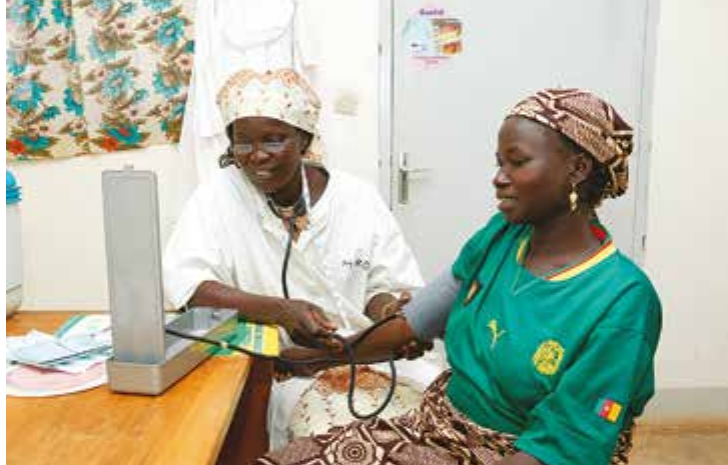
More conveniently located health facilities have made healthcare more accessible to women and children. As a result, more women now receive prenatal and postnatal care, which reduces maternal and infant health risks. Increased numbers of women are choosing to give birth in health facilities rather than at home, where complications are harder to manage safely.
Example
Measurable Health Improvements
The program has achieved significant health outcomes:
- Children's access to immunisations has improved significantly
- Increased vaccination coverage protects children from preventable diseases
- Better overall child health outcomes in both refugee and host communities
- Infrastructure upgrades have transformed run-down health buildings into functional facilities
Health centres now have doctors and health workers who are properly assigned and supplied with essential equipment. Power supply and refrigeration systems have been installed, which is critical for storing vaccines at appropriate temperatures. These improvements enable health facilities to provide reliable, quality services that meet community needs.
The program demonstrates how targeted investments in education and health infrastructure can create substantial improvements in service delivery. By supporting communities hosting refugees, DRDIP helps ensure that both refugee and host populations can access quality education and healthcare services.
Remember!
Summary
Key Points to Remember:
-
SDG 4 focuses on achieving quality education for all, with aid programs using innovative approaches to overcome barriers to learning in developing countries.
-
The Zambia literacy program uses mobile phone technology (SMS and IVR) and radio broadcasting to deliver local language stories to families, achieving 78 per cent participation rates and creating over 200 culturally relevant stories.
-
Education programs promote health and wellbeing across all dimensions: physical (through better income and nutrition), mental (through reduced stress and health knowledge), social (through community connection), and spiritual (through cultural preservation and community belonging).
-
Quality education drives human development by expanding people's choices, creating skilled workforces, enabling economic growth, and creating intergenerational benefits as educated parents prioritise their children's education.
-
The Ethiopia DRDIP program supports refugee-hosting communities by improving education and health infrastructure, using comparison and treatment groups to rigorously evaluate impact, resulting in better school facilities, increased enrolment, improved maternal and child health services, and better access to immunisations.