Aid Programs Addressing SDG 5: Gender Equality (VCE SSCE Health and Human Development): Revision Notes
📚Revision Notes
Aid Programs Addressing SDG 5: Gender Equality
Gender equality is a fundamental human right and essential for achieving sustainable development. Sustainable Development Goal 5 focuses on achieving gender equality and empowering all women and girls. Various aid programs have been implemented globally to address this goal by providing education, employment opportunities, and economic empowerment to women in low-income countries.
Overview of SDG 5 programs
Several international aid programs target gender equality through different approaches. Two significant examples include India's Barefoot College solar engineering program and the Sahel Women Entrepreneurs program. These initiatives share a common goal of empowering women through skills training and income-generating opportunities, particularly focusing on women who face traditional barriers to education and employment.
Note
These programs recognise that achieving gender equality requires practical interventions that provide women with knowledge, skills, and economic independence. By targeting women in remote and disadvantaged communities, these programs address multiple aspects of inequality simultaneously.
India's Barefoot College solar engineering program
Background and purpose
Many remote villages in low-income countries lack access to electricity, forcing women to purchase expensive fuels like kerosene, wax candles, or batteries for lighting. This creates several interconnected problems that affect health, safety, and development. Without electricity, evenings become dangerous for women and children, who face increased risk of violence in the darkness. The lack of lighting also restricts income-generating activities and prevents children from reading or studying at night.
Important
The use of kerosene and candles creates additional hazards. These traditional lighting sources can cause fires, and burning kerosene for lighting and cooking produces indoor air pollution. This pollution contributes to respiratory infections, particularly affecting children who are more vulnerable to these pollutants.

The Barefoot College began in Tilonia, India, in 1972, founded by a farmer and a social worker who shared a vision for improving conditions in poor rural areas. They believed that empowering rural women, especially those who were illiterate or semi-literate, was key to community development. This focus on women was deliberate, recognising that in many countries, women face systematic barriers including discouragement from education, prohibition from community participation, and lack of access to financial resources or assets.
In 1990, Barefoot College launched its solar program with the purpose of bringing solar-powered electricity to remote and isolated parts of India. The innovative approach involved training young people and illiterate or semi-literate women to become solar engineers. Rather than requiring literacy, the training method used visual and practical learning. Trainees learned to identify parts by shape and colour, developed skills through verbal instruction, and acquired technical knowledge by watching and following experienced trainers.
Note
An important discovery was that middle-aged women, particularly grandmothers, made the most successful participants. These women were easier to teach and showed strong commitment to improving village life. Unlike younger participants who might seek opportunities elsewhere after training, grandmothers had no desire to leave their villages. Their established community connections meant they could play a major role in community development, bringing sustainable electricity to remote areas.
The program's success led to expansion into low-income countries across Africa, the Middle East, Asia, and South America.
Implementation
The Barefoot College works in partnership with local and national organisations, alongside the Village Energy and Environment Committee (VEEC). Together, they identify rural communities where solar energy would make a substantial difference. When a suitable community is identified, teams travel to establish relationships with village elders, who help ensure community support for the program.
A fundamental principle of the program is community ownership. The program operates on the belief that village communities must manage, control, and own the solar generators, as well as repair and maintain them. This approach builds genuine ownership of the program. Therefore, implementation only proceeds in villages that commit to these responsibilities.
When the VEEC team visits a village, all members gather to learn about the benefits of solar power and how the program operates. An important aspect is the financial arrangement. Once women engineers complete training, the community pays for the ongoing maintenance costs. The community decides collectively how much they can contribute monthly for equipment maintenance and repairs. Typically, this amount equals what households currently spend on kerosene, batteries, or candles, making it affordable.
Note
The community then selects two women in their mid to late 40s who will travel to Tilonia, India, for six to nine months of intensive training to become solar engineers. Various donor organisations fund the program, including the United Nations Development Program, the Indian government, international aid agencies, and private and corporate foundations. Training and travel costs are provided free to participants, ensuring that financial barriers do not prevent participation.
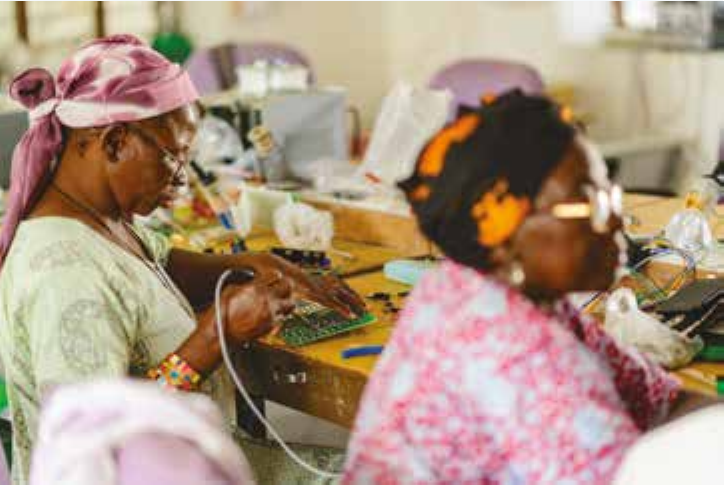
During their six to nine months of training, women learn through listening, memorising, and demonstration. The curriculum covers several technical skills:
- Handling sophisticated charge controllers and inverters, which convert the direct current produced by solar cells into standard alternating current
- Installing solar panels and connecting them to batteries
- Building solar lanterns
- Establishing local electronic workshops where they can perform major and minor repairs to solar power systems independently
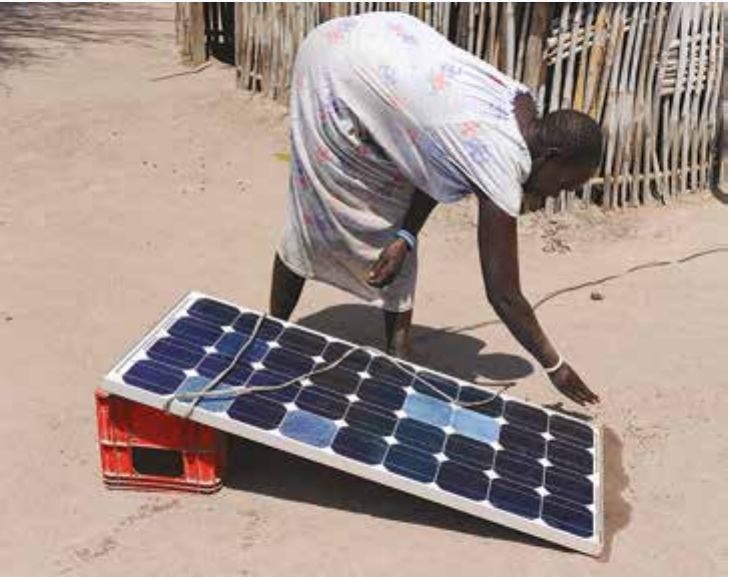
The Barefoot College provides each participating village with up to $50,000 worth of solar equipment, sufficient for 120 households. After completing the course, women return home to install solar lamp kits. They receive monthly salaries for repairing and maintaining the equipment. A village committee, comprising four women and three men, oversees the equipment and program operations.
Outcomes
The Barefoot College has achieved remarkable outcomes by training hundreds of semi-literate and illiterate women, many of them grandmothers from the poorest countries, to become solar engineers. All graduates have returned to their villages to install solar panels and batteries, maintain and repair equipment, and transform village life. Approximately 10,000 women have completed training at the college. Additionally, graduates operate more than 800 night schools across India, further extending educational opportunities.
Example
Real Impact: Changed Attitudes
The program's impact on empowering women is profound. One engineer whose husband and family initially opposed her training explained how attitudes changed: her husband now trusts her to maintain his accounts, and whilst he may not openly acknowledge it, she knows he feels proud. Another woman reflected on childhood dreams of contributing to society that her mother dismissed. Today, her family, neighbours, and village elders respect and value her contribution, bringing her immense satisfaction.
Beyond individual empowerment, solar power delivers environmental benefits. It reduces carbon dioxide emissions, slows deforestation impacts, and decreases air pollution from burning firewood and kerosene. These environmental improvements translate into better health and wellbeing outcomes for entire communities.
How the program promotes health and wellbeing
The Barefoot College program promotes health and wellbeing across multiple dimensions. Understanding these connections helps explain why addressing gender equality has far-reaching positive effects.
Physical health and wellbeing improves significantly because the program provides communities with clean energy for lighting. Solar energy replaces kerosene and wax candles that previously produced indoor air pollution. This pollution contributed to lower respiratory diseases affecting all family members, with children particularly vulnerable due to their developing lungs and increased susceptibility to pollutants. By eliminating these pollution sources, the program directly protects respiratory health.
Emotional health and wellbeing benefits from increased safety and security. With reliable lighting, women and children feel safer at night and less vulnerable to violence. This sense of security provides emotional comfort and stability. Additionally, participating women experience pride and increased self-esteem from gaining valuable skills and contributing meaningfully to their communities. This emotional benefit extends throughout their lives.
Mental health and wellbeing improves as stress and anxiety decrease. Women no longer worry about safety in darkness or struggle with the daily challenge of affording lighting. The reduced violence risk and improved safety contribute to lower anxiety levels. The sense of accomplishment and recognised value also supports positive mental health.
Social health and wellbeing develops through multiple pathways. Women attending Barefoot College form new relationships during their training period. These connections provide social support and friendship. Back in their villages, women's new roles create different social dynamics and opportunities for interaction within their communities.
Spiritual health and wellbeing strengthens through the program's community focus. Women develop strong connections to their community and experience pride in contributing something valuable. This sense of purpose and ability to give back promotes spiritual wellbeing, as women feel their lives have meaning and positive impact.
Important
The program particularly promotes gender equality, which is central to SDG 5. Women who traditionally faced discouragement from education and employment barriers receive knowledge and skills enabling community contribution and income earning. This addresses fundamental inequalities and creates lasting change in how communities value women's capabilities.
How the program promotes human development
Human development extends beyond health and wellbeing to encompass quality of life, freedom, opportunities, and capabilities. The Barefoot College program promotes human development comprehensively.
The program improves quality of life for participating women and entire communities. Women gain freedom and opportunities to control and make choices affecting their lives. This autonomy represents a fundamental aspect of human development, enabling people to shape their own futures rather than having circumstances dictate their options.
Improved health and wellbeing outcomes contribute to improved standard of living and opportunities to live long, healthy lives. When people are healthier, they can participate more fully in their communities and pursue their goals more effectively.
The program develops knowledge through comprehensive technical training. This knowledge is practical and valuable, enabling women to maintain equipment and solve problems independently. The program also addresses the basic human right of gender equality, challenging traditional barriers that prevented women from education and meaningful participation.
Women develop stronger connections to their communities and can now participate in political and social life. This participation is crucial for human development, as it enables people to influence decisions affecting their lives and communities. The program assists women in developing to their full potential, enabling them to lead productive and creative lives that extend beyond traditional roles.
Case study: Sahel women entrepreneurs program
Background and context
The Sahel region of Africa faces unique challenges related to climate, security, and population pressures that threaten traditional pastoral livelihoods. In Mauritania, women from Bouteydouma, a village in the southwestern desert region, have participated in a transformative program addressing these challenges whilst promoting gender equality.
Historically, the village's main occupation was raising livestock, but animal hides had no value and were simply discarded as waste. Women spent their days drinking tea, with limited opportunities for productive engagement or income generation. This changed when Fatimetou Mint Mohamed and four other village women received training at the Technical and Vocational Training Institute in Boghe, more than 200 kilometres from their village.
Note
The training formed part of the Regional Sahel Pastoralism Support Project (PRAPS), which operates across six Sahel countries: Burkina Faso, Chad, Mali, Mauritania, Niger, and Senegal. These communities face severe challenges from climate change, with 40% of 20 million livestock herders living in extreme poverty, unable to earn decent livings from traditional livestock activities. Many more live precarious existences, and providing opportunities and knowledge to diversify incomes helps preserve and improve their way of life.
Implementation of PRAPS
PRAPS began by surveying households to understand what income-generating activities they wanted to develop and what skills would be required. This participatory approach ensured the program responded to actual community needs and interests rather than imposing external solutions.
The program specifically targets young people and women, supporting them until they produce high-quality products and achieve independence. Income-generating activities include leather and hide tanning, animal fattening operations, milk processing, and manufacturing milk products. These activities build on existing resources and knowledge whilst adding new skills and techniques.
For two months, five women from Bouteydouma received comprehensive training with full room and board provided. Some women brought babies, and the program accommodated these family responsibilities. The training introduced a less toxic, more environmentally friendly technique for tanning hides. Their teacher, Hassan, demonstrated how to create new products including special gourds that keep water cool, and continues providing support through WhatsApp messaging.
Beyond technical skills, women completed a management course preparing them for business operations. They received equipment, money to purchase hides, and initial capital to establish their business. This comprehensive support addressed multiple barriers to success.
Note
The World Bank provided $248 million in financing through the International Development Association. Implementation involves the Ministries of Livestock and Employment and Professional Training, coordinated by the Permanent Inter-State Committee for Drought Control in the Sahel (CILSS). This multi-level coordination ensures program sustainability and integration with broader development efforts.
Results and outcomes
PRAPS has achieved significant results across the Sahel region:
- Supporting more than 2 million people across six countries
- Providing activities protecting natural resources, promoting animal health, and facilitating livestock marketing
- Delivering 517 skills-training courses for rural populations
- Providing equipment and seed capital to more than 20,000 individuals, with 88% being women
In Bouteydouma specifically, the five trained women established a business now involving 17 people, mostly other women they trained themselves. This multiplier effect extends the program's impact beyond initial participants. The business offers valued freedom, allowing women to work at home on schedules accommodating family obligations.
Example
Improved Efficiency
The improved processing method is much quicker and easier to integrate with home life. Processing a hide now takes just three days instead of the previous ten days. When women work together, they can complete processing in one day. This efficiency makes the business more viable whilst respecting women's multiple responsibilities.
The business generates genuine profits. Women purchase raw hides for 26 Mauritanian ouguiya (MRU) from the village butcher, then transform and sell them for MRU 350. The business operates systematically, with tanned hides numbered so each worker knows her sales targets. Profits are pooled to maintain everyone's motivation and ensure fair distribution.
Beyond financial gains, women have achieved new social status. Many women report that husbands who initially objected now have no complaints seeing money entering the household. This changed attitude reflects broader shifts in how families and communities value women's contributions.
The business continues expanding, developing new products including calabash holders, prayer rugs, small decorative objects, and key rings. Their gourds, which keep water cool effectively, have become a flagship product sold beyond Mauritania in Senegalese market stalls. International recognition has grown, with Bouteydouma leather reaching markets as far as Turkey.
As a cooperative, profits are reinvested to improve daily life and support families. Women send children to school and afford small luxuries like new veils, jewellery, or mobile phones for younger members to connect with the wider world. The women even dream of purchasing a car someday, showing their expanding aspirations.
Note
The business success gives women hope and confidence in surviving climate change challenges and uncertainties in their region. Fatimetou and her associates are already considering expansion possibilities, including establishing a factory to build their business for the future.
How the program promotes health, wellbeing and human development
The Sahel Women Entrepreneurs program promotes multiple dimensions of health and wellbeing whilst advancing human development comprehensively.
Physical health and wellbeing improves through reduced poverty and better nutrition. When women earn income, families can afford better food and healthcare. The improved processing method reduces exposure to toxic chemicals, protecting workers' physical health.
Emotional health and wellbeing benefits significantly from the pride and satisfaction women experience. They express genuine happiness about contributing to household finances and being busy with meaningful work. The respect they receive from families and communities enhances emotional wellbeing. Self-esteem increases as women see their capabilities recognised and valued.
Mental health and wellbeing improves through reduced stress about poverty and financial insecurity. Having reliable income and business success provides mental comfort and confidence. The hope and optimism women express about the future, including surviving climate change challenges, reflects improved mental wellbeing.
Social health and wellbeing develops through cooperative working relationships. Women work together, supporting one another and sharing knowledge. The training period and ongoing business operations create social connections and friendships. Social status changes as husbands and community members develop respect for women's economic contributions.
Spiritual health and wellbeing strengthens through women's sense of purpose and community contribution. They feel they are improving not only their own lives but their families' and community's wellbeing. This sense of meaningful contribution promotes spiritual health.
Regarding human development, the program creates multiple improvements:
- Quality of life improves substantially. Women have money for necessities and small luxuries. Children attend school. Families experience reduced poverty and increased opportunities.
- Freedom and choices expand dramatically. Women make decisions about their work schedules, business operations, and how to use their income. This autonomy represents fundamental human development.
- Knowledge and skills develop through technical training and business management education. Women learn not only hide tanning but also business operations, product development, and marketing.
- Standard of living rises as income increases and economic stability improves. Families can afford better housing, nutrition, education, and healthcare.
- Community participation increases as women take active roles in economic life. They train others, make business decisions collectively, and contribute visibly to community wellbeing.
- Potential and creativity develop as women create new products, explore markets, and plan business expansion. They are leading productive, creative lives rather than being limited to traditional roles.
Important
The program addresses gender equality directly by providing women with skills, income, and recognition in societies where they previously faced significant barriers. This transformation enables women to develop their full potential and participate fully in their communities' social, economic, and potentially political life.
Summary
Key Points to Remember:
-
SDG 5 focuses on achieving gender equality and empowering all women and girls through programs providing education, employment opportunities, and economic independence.
-
India's Barefoot College trains illiterate and semi-literate women to become solar engineers, bringing clean electricity to remote villages whilst empowering women and reducing indoor air pollution from kerosene and candles.
-
The program promotes all dimensions of health and wellbeing: physical health through cleaner air, emotional and mental health through pride and reduced anxiety, social health through new relationships, and spiritual health through community contribution.
-
The Sahel Women Entrepreneurs program teaches women hide tanning and business skills, enabling them to create income-generating businesses that support their families whilst preserving pastoral livelihoods threatened by climate change.
-
Both programs demonstrate that gender equality initiatives promote comprehensive human development by improving quality of life, expanding freedom and choices, developing knowledge and skills, and enabling women to reach their full potential and lead productive, creative lives.