Features of Effective Aid Programs (VCE SSCE Health and Human Development): Revision Notes
📚Revision Notes
Features of Effective Aid Programs
Introduction to effective aid programs
Health and wellbeing outcomes vary significantly between low-, middle-, and high-income countries, but all nations face challenges that need addressing. The Sustainable Development Goals (SDGs) provide a global framework for tackling inequalities, reducing poverty, and achieving sustainable development. Through development assistance, numerous programs have been implemented worldwide, particularly in low- and middle-income countries.
The delivery of international aid has become increasingly complex over time. Today, it involves many different players including multilateral organisations, financial institutions, non-government organisations (NGOs), the private sector, and civil society. Without proper coordination and partnerships, there are significant risks. Some countries may receive no aid at all, others may receive aid that fails to meet their actual needs, or programs may unnecessarily duplicate work already being done by other organisations.
Note
Civil society refers to individuals and organisations in a society that are independent of the government. This includes NGOs, community groups, religious organizations, and other voluntary associations that play a crucial role in implementing and monitoring aid programs.
Development of shared principles
Recognising these challenges, representatives from 160 countries and 50 other organisations came together at an international forum in 2011. This forum developed a set of shared, interconnected principles that are now recognised as the essential features of effective aid programs. At this forum, participants agreed to collaborate to ensure that aid programs being implemented worldwide would be truly effective in meeting their goals.
Important
Four key features were identified as necessary for aid programs to be effective:
- Ownership of the programs being implemented
- Focused on results that address the underlying causes of poverty, inequality, and improved health and wellbeing
- Partnerships and collaboration for development
- Transparency and accountability
The effectiveness of aid is closely tied to both why it is given and how it interacts with other policies. Other policies may reduce or even reverse the positive impact of aid. The desired outcomes of effective aid are to reduce poverty and inequality in low- and middle-income countries, promote human rights, and move towards a more equal and stable global system. How aid is delivered to low- and middle-income countries is just as important as why it is given.
The four key features of effective aid
Ownership
For aid to be effective and sustainable, recipient countries (those receiving the aid) must have ownership of the program. This means they must be involved in deciding what type of aid will best meet their needs. This involvement ensures that the program fits with the longer-term needs and plans of the recipient country.
It is not effective for aid organisations or governments of donor countries (those giving the aid) to simply arrive and make decisions about what they think a country needs and how a program should be implemented.
Example
Example: Community-Led Malaria Prevention
If a community has high child mortality rates from malaria and wants to implement a program aimed at improving access to insecticide-treated bed nets and anti-malarial medication, this should be supported by the donor country and any other aid organisations already working in the country. The community knows best what interventions will work in their local context.
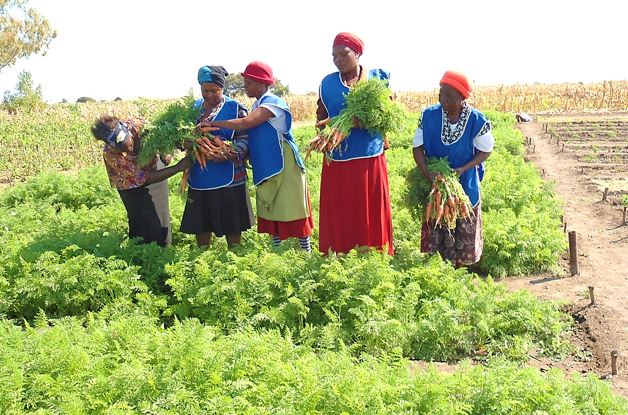
Programs must consider the sociocultural and political aspects of the community and be implemented in a socioculturally sensitive way. For example, before implementing an education program, it might be important to consider that males are more likely to attend school than females in some communities. Therefore, any program would also need to focus on encouraging families to send their daughters to school. The provision of separate male and female classes and separate toilet facilities could be possible solutions.
Delivering messages in local languages and using visual aids for those who are illiterate demonstrates an understanding of the community. It may also be appropriate to focus on developing the skills and knowledge of women, as they are responsible for the majority of domestic and agricultural work. This approach ensures that the program is socially sustainable.
Summary
The Three Components of Ownership:
- Meets the needs of the local community: Programs are designed to address actual local priorities rather than what outsiders think is needed
- Considers relevant sociocultural and political factors in the planning process: Understanding the cultural context, social structures, and political environment ensures programs are appropriate and acceptable
- Implemented in a socioculturally sensitive way: The way programs are delivered respects local customs, languages, and social norms
Partnerships and collaboration
An effective program relies upon the participation and collaboration of all stakeholders. Stakeholders are people, groups and organisations who are involved in, or affected by, a course of action.
By forming partnerships, the differing strengths of governments, non-government organisations (NGOs), and local communities can be used to implement effective programs. This approach makes efficient use of the resources available and avoids duplicating other programs with the same objective. Partnerships could include the government of the recipient country, the government of the donor country, a multilateral aid agency such as the World Bank, an NGO, and the leaders in the local community.
Note
Local communities need to have input into the design and implementation of a program. Having people in the local community implement the program helps ensure it is socioculturally appropriate. It also builds the capacity of the community by training locals to develop the necessary knowledge and skills needed to ensure the program is socially and economically sustainable once outside assistance finishes. In this way, available resources are used efficiently.
Summary
Key Benefits of Partnerships and Collaboration:
- Resources are used effectively: By working together, different organisations avoid duplication and make better use of limited resources
- Combines different strengths and expertise: Each partner brings unique skills, knowledge, and experience to the program
- Ensures community involvement and ownership: Local people have a voice in decisions affecting their community
- Develops knowledge and skills of local communities: Training and capacity building ensure programs can continue after external support ends
Focused on results
Making a difference and having a lasting impact on reducing poverty and inequality and promoting health and wellbeing and human development should be the main purpose for implementing an aid program. A program should be focused on addressing patterns of disease and illness within a country or individual community.
Important
The Problem with "Tied Aid"
In the past, aid has been criticised as being "tied" aid. This means that aid given must be spent on goods or services provided by the donor country. This reduces the effectiveness of aid and does not always meet the needs of the recipient country or reach those who most need it. It can also impact a country's ability to become self-sufficient as its people are not building up their own resources.
When aid workers leave the community in which they are working, an effective aid program should continue to have a positive impact and is therefore sustainable. One way to achieve this is to focus on involving and educating women.
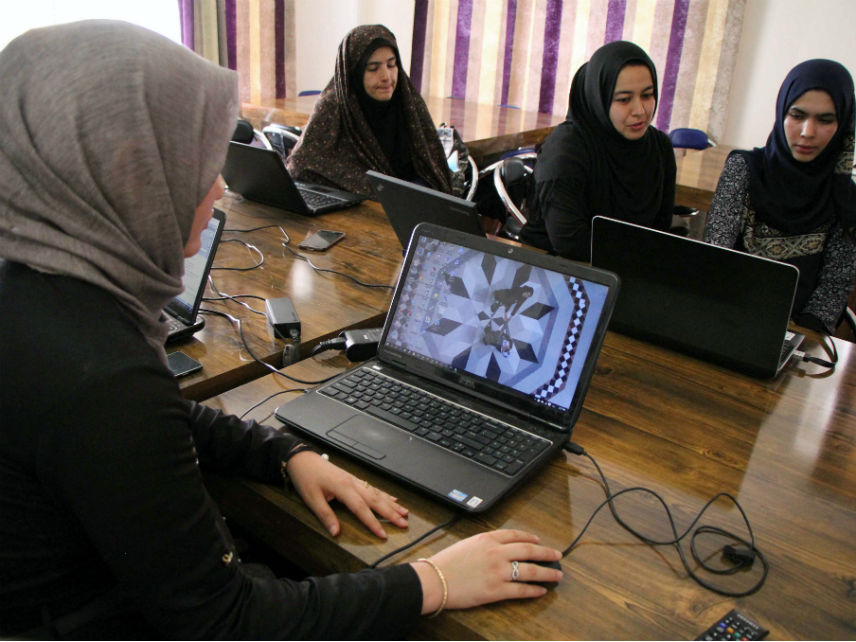
Gender inequality continues to be an issue for many low- and middle-income countries, with women often having low social status, low levels of education, less access to health services, and less opportunity for well-paid employment. Women are responsible for most of the agricultural and domestic work, including the care of children. When women are educated and empowered, they are better able to care for their children, secure well-paid employment, or set up a business that provides a regular income. This helps reduce the level of poverty and improves the health and wellbeing of all community members.
Summary
The Four Elements of Results-Focused Programs:
- Addresses patterns of disease and illness: Programs target the specific health problems affecting the community
- Seeks to reduce poverty and inequality: Programs work towards eliminating the root causes of poor health and wellbeing
- Aid reaches those who need it: Resources go directly to the people and communities most in need, not diverted elsewhere
- Focuses on women: Recognising that empowering women has multiplier effects throughout families and communities
Being focused on results also means that changes in the patterns of disease, levels of poverty, and other relevant health and wellbeing indicators can be monitored to ensure the program is having the intended effects of improving health and wellbeing and resources are being used effectively.
Transparency and accountability
Transparency means that all necessary information is made available to those involved in developing and implementing a program. Transparency and openness ensures that funding provided to implement a program is used for its intended purpose and is not diverted to serve the needs of other stakeholders.
Example
Example: Misuse of Agricultural Program Funding
Funding provided to the government of a recipient country to run an agricultural program for women should not be used by the government to provide luxury items to government officials instead. Transparency also ensures that funding is not used for commercial gain. An example of this could be where a pharmaceutical company provides funding for a program but requires the country to buy its drugs, which are much more expensive than other brands.
Accountability involves regular monitoring and assessment of progress against the aims and objectives of the program. This information is then published and made available to the national and international community.
Summary
The Three Components of Transparency and Accountability:
- Information is published and openly available: Details about the program's goals, funding, and activities are accessible to all interested parties
- Funding is used for its intended purpose: Money is spent on what it was designated for, not diverted to other uses
- Regular monitoring of progress against program aims: Ongoing evaluation ensures the program is achieving its objectives and allows for adjustments if needed
Summary of the key features
All four features work together to create effective aid programs. The features are interconnected and mutually reinforcing.
An effective aid program demonstrates:
- Ownership by ensuring the recipient country and local communities are involved in decision-making, that sociocultural and political factors are considered, and that implementation is culturally sensitive
- Partnerships and collaboration by bringing together different stakeholders, combining their strengths and expertise, ensuring community involvement, and building local capacity
- Focus on results by addressing disease patterns, reducing poverty and inequality, reaching those most in need, and focusing on women as key agents of change
- Transparency and accountability by making information openly available, using funding appropriately, and regularly monitoring progress
These features ensure that aid programs are not only well-intentioned but also effective in achieving sustainable improvements in health, wellbeing, and human development.
Summary
Remember! Key Takeaways:
- Effective aid programs have four key features: ownership, partnerships and collaboration, focus on results, and transparency and accountability
- Recipient countries must have ownership of aid programs, meaning they are involved in decisions about what type of aid is needed and how it will be implemented
- Partnerships bring together different stakeholders to combine their strengths, avoid duplication, and build local capacity for sustainability
- Results-focused programs address actual patterns of disease and poverty, reach those most in need, and focus on empowering women for long-term impact
- Transparency and accountability ensure funding is used appropriately and progress is regularly monitored and publicly reported