Taking Social Action (VCE SSCE Health and Human Development): Revision Notes
📚Revision Notes
Taking Social Action
Social action is about doing something to create positive change in society. People can take action individually or join organised groups to advocate for change. When people come together to address issues, they can achieve significant social transformations.
Understanding social action
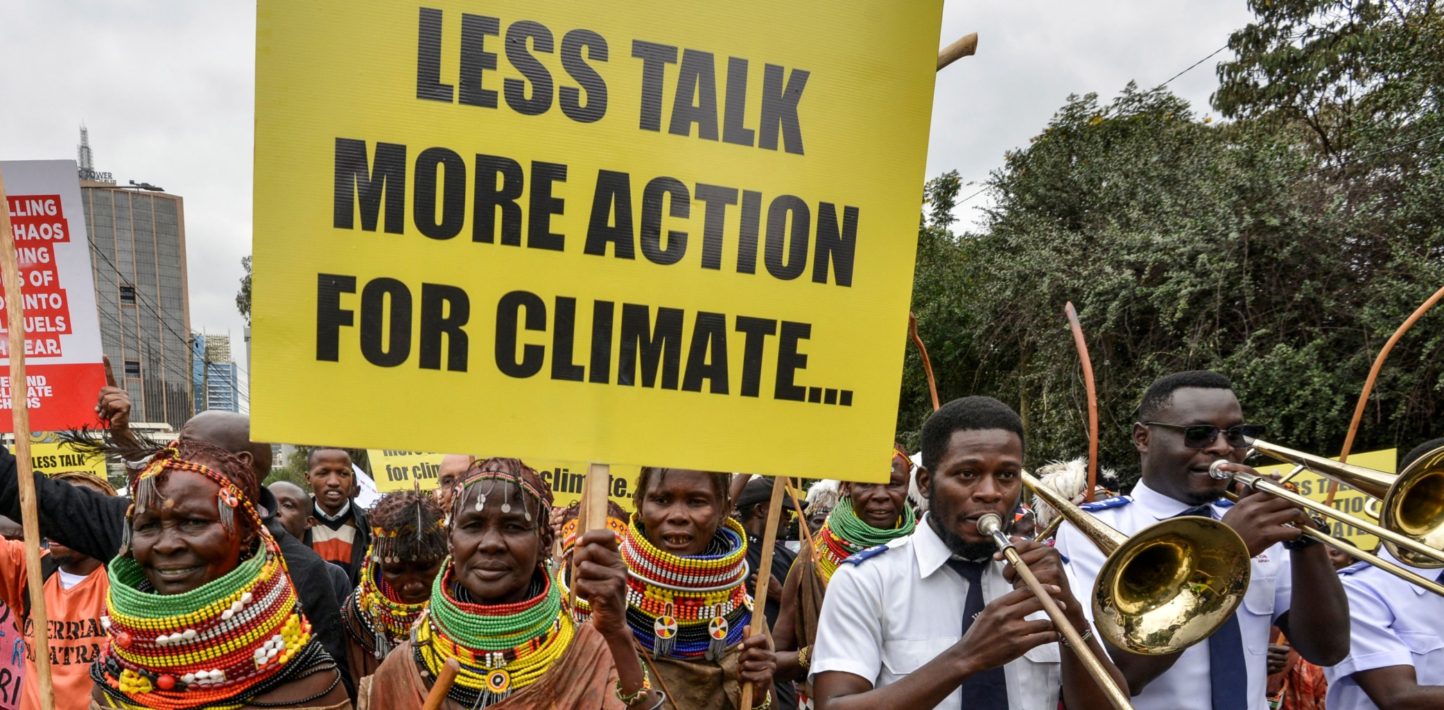
Social action can influence decision-makers or directly address problems. People use various tools including purchasing power, media, voting, boycotts, and social, political, and economic pressure to convince governments and organisations to rethink their decisions or take action to help those who are disadvantaged.
Note
While many people associate social action with demonstrations, rallies, and marches, these are just some of the ways people can create change. Social action takes many forms, from individual consumer choices to large-scale collective movements.
Historical examples of social action
Large-scale social action has successfully brought about major social changes:
- Suffragette movement (late 19th-early 20th centuries): This movement fought for women's right to vote and take on leadership roles in government. It is often referred to as the women's rights movement.
- Civil rights campaign in Australia (from late 1950s): Activists united to fight for equal civil rights for Aboriginal and Torres Strait Islander peoples.
By working together, groups can exercise greater power because of their numbers. Collective action amplifies individual voices and creates momentum for change.

Why people take social action
People engage in social action for several important reasons:
- To help those less fortunate: Social action raises awareness about the situation of disadvantaged people and creates opportunities to assist them.
- To ensure representation: Social action helps ensure that the needs of all people are represented, particularly those who are often ignored, such as minority groups, people with low income, or those with disabilities.
- To eliminate discrimination: Social action challenges unfair treatment and promotes equality.
- To prevent harm: People take action to protect their community and the environment. For example, advocating against large-scale development of fragile environmental areas.
- To preserve value: Social action can protect things of historical or social value.
Important
Social action has been proven effective in bringing about change. When people unite and advocate together, they can make a real difference. History demonstrates that organized collective action has successfully achieved major social transformations, from voting rights to environmental protection.
Ways of taking social action
There are many different methods people can use to take social action. These range from individual actions to collective efforts.
Volunteering
People can volunteer their time to assist in raising funds or participate in volunteer programs designed to improve the lives of others and their communities. For example, volunteering to collect money as part of the Red Shield Appeal for the Red Cross, which helps disadvantaged people in local communities.
Donating money
People can donate money to non-government organisations such as World Vision, Oxfam, and Red Cross to help them continue their work in low- and middle-income countries. Through these organisations, people can:
- Fund development programs
- Provide emergency assistance
- Sponsor a child
- Provide microfinance to help families start small businesses
Fundraising events
Conducting fundraising events in schools or communities to support social change projects is an accessible way to make a difference.
Signing petitions
People can show support for social change campaigns by signing online petitions, participating in online competitions, and engaging in social media activities. Community support from around the world can powerfully demonstrate to leaders that people are watching and that issues cannot remain hidden.
Awareness campaigns
Finding out more about social issues and implementing awareness campaigns locally or through social media outlets helps educate others and build momentum for change.
Purchasing power
People can use their purchasing power to buy products that support actions to promote social change. Many non-government organisations provide online shopping where profits from selling goods are given back to communities or used to bring about social change.
Lobbying governments
Organising groups of people to write letters to newspapers, send emails to politicians, and invite politicians to attend community gatherings to answer questions can pressure decision-makers to act.
Boycotts
A boycott means refusing to buy or use the goods or services of a certain company or country as a protest. People collectively decide not to buy particular products because of how they are made, how workers are treated, or the environmental impact.
Social enterprises
Starting a social enterprise activity involves identifying and researching a problem, planning a solution, developing an action plan, and then taking action to solve the problem.
Case study: Citizens of the Great Barrier Reef
This case study demonstrates how modern approaches to community engagement can foster environmental stewardship on a global scale.
The changing nature of environmental protection
Traditional approaches to community engagement focused only on local people. However, in today's globalised world, maintaining treasures like the Great Barrier Reef requires participation from both local and distant communities.
Environmental and social connections
Environmental connections: The Great Barrier Reef faces global threats including:
- Poor water quality from port dredging driven by international mining
- Reef fisheries influenced by national and international markets
- Coral bleaching caused by climate change
Social and political action beyond the local level is needed to combat these threats.
Social connections: People can now form and maintain attachments to special places through:
- Ease of travel
- Social media and virtual communication
Note
Research involving over 5000 people from more than 40 countries shows that people living far from the Great Barrier Reef can have strong emotional bonds comparable to locals' attachments. These bonds can motivate them to take action, demonstrating that environmental stewardship is no longer limited by geography.
Harnessing social media
Social media provides new ways to foster a sense of community among people globally. Individuals with common interests can share a sense of community, which is essential for collective action.
An example is activist Miranda Gibson's 451-day tree sit in Tasmania, 60 metres above the forest floor. She coordinated an online action campaign, engaging a global audience through blogging, live streaming, and posting videos and photos.
Avoiding slacktivism
Slacktivism refers to people taking online actions that require little effort, such as joining a Facebook group. While these actions make people feel good about contributing, they can prevent further action that has real on-the-ground impacts.
Important
More meaningful options available to people in remote places include:
- Lobbying national governments
- Engaging with international organisations (such as the World Heritage Committee)
- Pressuring transnational corporations to prioritise corporate social responsibility
- Supporting relevant NGOs
- Reducing individual consumption
The key is to move beyond low-effort online actions to activities that create real, measurable change.
Real action approach
The Citizens for the Reef initiative emphasises they are 'not looking for Facebook likes' but seek real action. Six promoted actions include:
- Reducing consumption of four disposable products
- Eliminating food wastage
- Financially supporting crown-of-thorns starfish control
Signed-up citizens receive an impact score based on undertaking these actions and recruiting others, and can compare their progress to others worldwide.
Social action and the Sustainable Development Goals
Taking social action is crucial for achieving the Sustainable Development Goals (SDGs). If people are unaware of the problems and the extent and causes of poverty, inequality, and climate change, governments and decision-makers may not consider action a priority.
The importance of public pressure
Public pressure builds political will. When communities demand change and it is driven by people, positive change becomes possible.
SDGs in Action app
The SDGs in Action app can be easily downloaded onto any mobile device. It provides:
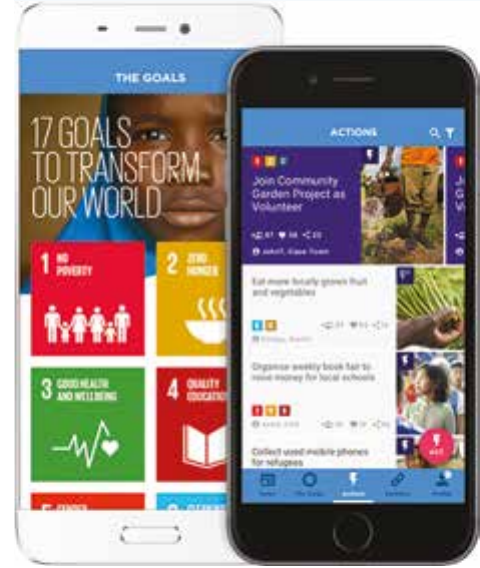
- Information on each goal and its targets
- Videos explaining each goal
- Facts and figures
- News items
- Ideas for achieving the goals
- Opportunities to create actions and invite others to participate
Note
People can choose goals important to them and automatically receive notifications about them. They can also find actions and events to join in support of the goals, making it easy to stay engaged with issues they care about.
Social enterprises and purchasing power
Social enterprises have developed from a sense of needing to change existing practices. They aim to raise awareness of global injustices and harness social action to make changes. Two important examples are Who Gives a Crap and Fairtrade.
Who Gives a Crap
Who Gives a Crap is a social enterprise implemented in 2012 to address a global problem.
The problem identified:
- 2.3 billion people worldwide don't have access to a toilet
- Diarrhoea-related diseases accounted for over half of sub-Saharan African hospital beds
- These diseases killed 900 children under five every day
The solution:
Three university graduates developed a plan to sell environmentally friendly toilet paper in a financially sustainable way that helped address water and sanitation issues.
The crowdfunding campaign:
A crowdfunding campaign involves funding a project by raising many small amounts of money from large numbers of people, usually via the internet. To generate awareness and raise necessary funds, one creator sat on a toilet and refused to move until they had raised enough pre-orders to start production. Within 50 hours, they raised over $50,000.

Example
How Who Gives a Crap Works:
For every roll of toilet paper sold, Who Gives a Crap donates 50 per cent of profits to non-profit organisations working to deliver sanitation and hygiene projects in developing countries, including:
- WaterAid (delivering projects in East Timor and Papua New Guinea)
- Sanergy (building sustainable public toilet infrastructure in Nairobi, Kenya)
This model demonstrates how businesses can be financially sustainable while creating significant social impact.
Impact achieved:
Since 2012, Who Gives a Crap has:
- Donated $8.3 million to fund hygiene and sanitation projects
- Saved thousands of trees by using forest-friendly paper products
- Saved millions of litres of water through eco-friendly materials
- Avoided thousands of tonnes of greenhouse gases by using environmentally cleaner manufacturing processes
This enterprise focused on changing people's purchasing habits rather than their behaviour, using purchasing power to bring about change.
Fairtrade
Fairtrade is an example of social action addressing poverty and related problems. It helps producers in low- and middle-income countries achieve better trading conditions and promotes sustainable farming.
Problems Fairtrade addresses:
Important
Existing trade arrangements disadvantage small farmers who:
- Lack resources to compete against large multinational corporations
- Are often excluded from world markets, product processing, and distribution
- Face greater poverty risk as they cannot receive income for their produce
- Must accept prices dictated by large corporations when they can sell
- Experience unstable markets due to price fluctuations (when products are plentiful, prices decrease)
Additionally, many low- and middle-income countries face exploitation issues:
- Children and women working for very low wages
- Unregulated and unsafe working environments
- Children unable to attend school
- Abuse and exploitation
Fairtrade directly addresses these injustices through fair pricing and protection standards.
How Fairtrade works:
Fairtrade is an independent certification system that offers farmers and workers a better deal. It provides an alternative approach to international trade, aimed at achieving sustainable development for excluded and disadvantaged producers.
Example
The Fairtrade System in Action:
- Small producers are organised into cooperatives or groups
- Buyers and sellers establish long-term, stable relationships
- Buyers must pay producers the minimum Fairtrade price or more
- When market prices are higher, buyers must pay the market price
- Buyers must also pay a social premium
This structure ensures farmers receive fair compensation regardless of market fluctuations, providing stability and protection.
The social premium:
This extra payment helps improve standards of living by providing funds for:
- Community healthcare
- Education and training
- Farm and business investments (trucks, machinery)
- Organic farming education
Farmers and workers are guaranteed a fair price for their produce, protecting them from world market price changes. Fairtrade also helps farmers produce in more sustainable and ecological ways.
Products covered by Fairtrade:
In Australia, main Fairtrade Certified products include:
- Chocolate
- Coffee
- Tea
- Cotton
- Sports balls
- Rice
- Quinoa
- Roses
Fairtrade Certified chocolate, tea, and coffee products are available in most supermarkets and independent grocers.
Consumer power:
By purchasing Fairtrade Certified products, people:
- Help reduce poverty through everyday shopping
- Help end child labour (prohibited under Fairtrade Certification standards)
- Influence retailers to stock more Fairtrade products
Note
Some larger supermarket chains began carrying Fairtrade products after individual consumers exercised their power by writing postcards requesting these products. This demonstrates the power of individuals taking social action through simple, everyday choices.
Other actions to support Fairtrade:
- Organising awareness-raising activities in communities, schools, or workplaces
- Writing to local food outlets asking them to stock Fairtrade products
Case study: Valentine's Day Fair Trade campaign
This case study demonstrates how campaigns can engage people in multiple ways to support social change.
The problem:
The global cocoa market is valued at almost $10 billion, but under conventional, non-Fair Trade production:
- Many cocoa farmers still live in poverty
- Child labour is often widespread
The solution:
With Fair Trade cocoa:
- Farmers are paid fair wages
- Additional funds are routed back to farmers to invest in their communities
- Child labour is prohibited
Example
Valentine's Day 2020 Campaign:
Fair Trade initiated a campaign encouraging people to show support in four ways:
1. Send valentines to cocoa farmers in Ecuador: People could send notes of thanks and gratitude directly to farmers through the Fair Trade website by:
- Printing valentine templates or making custom cards
- Hosting events where people write messages of support
- Sending valentines to Fair Trade for forwarding
2. Give Fair Trade chocolate and fundraise: Supporting farmers and artisans through ethical purchasing
3. Send virtual valentines: Showing support on social networks and sharing digital thank-you messages
4. Educate others: Using resources to educate friends, family, and peers about the benefits of choosing Fair Trade products
This campaign demonstrates multiple levels of engagement, from simple actions (sharing on social media) to more involved activities (hosting events and fundraising).
Remember!
Summary
Key Points to Remember:
-
Social action creates positive change through individual or collective efforts to address issues like poverty, inequality, and environmental damage.
-
Multiple pathways exist for taking social action, including volunteering, donating, fundraising, signing petitions, awareness campaigns, ethical purchasing, lobbying, boycotts, and social enterprises.
-
Public pressure builds political will – when communities demand change, governments and decision-makers are more likely to act, making social action essential for achieving the Sustainable Development Goals.
-
Purchasing power drives change – social enterprises like Who Gives a Crap and certification systems like Fairtrade demonstrate how everyday consumer choices can address global problems and improve lives.
-
Meaningful action matters – avoiding 'slacktivism' by taking real actions (lobbying, reducing consumption, supporting NGOs) creates genuine on-the-ground impact rather than just online engagement.