The Economic Dimension of Sustainability (VCE SSCE Health and Human Development): Revision Notes
📚Revision Notes
The Economic Dimension of Sustainability
Improving health and wellbeing is a key goal for governments, non-government organisations and individuals around the world. Making sure these improvements last into the future is essential. This is where the concept of sustainability becomes important.
Understanding sustainability
Sustainability means meeting the needs of the present without compromising the ability of future generations to meet their own needs. This involves carefully balancing what we need today with planning for long-term growth, while avoiding creating problems or using up resources that future generations will need.
The three dimensions of sustainability
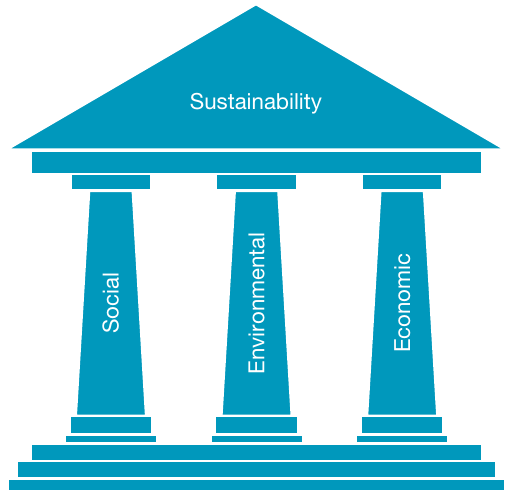
The United Nations recognises three dimensions of sustainability, which work together and influence each other. These dimensions are:
- Social - relating to equality, access to services, and human rights
- Environmental - relating to protecting natural resources and ecosystems
- Economic - relating to income generation and resource use
Note
These three dimensions are often called the three pillars of sustainability because they all support overall sustainability, much like pillars holding up a structure. Just as a building needs all its pillars to remain standing, true sustainability requires all three dimensions working together.
How the dimensions connect
The three dimensions of sustainability are interconnected and influence each other. Understanding these connections is important because improvements in one area can create positive effects in others.
Example
Practical Example: The Water-Education-Economy Connection
When communities gain sustainable access to clean water (environmental sustainability), girls no longer need to spend hours collecting water. This means they can attend school and receive an education (social sustainability). A better-educated population becomes more innovative and can develop new industries (economic sustainability).
This demonstrates how addressing one dimension creates positive ripple effects across all three pillars.
What is economic sustainability?
Economic sustainability means ensuring that average incomes in all countries are adequate to sustain a decent standard of living and continue to rise in line with inflation and living costs in the future. It relates to the capacity of future generations to earn an income and the efficient use of resources to allow economic growth over time.
Note
This dimension is particularly important for low- and middle-income countries, which often experience challenges in achieving economic sustainability. However, all countries must consider how to maintain and improve economic conditions for future generations.
When people can earn adequate incomes, governments also benefit by receiving more funds through taxation. These funds can then be used to provide public services that promote the health and wellbeing of citizens.
How economic sustainability promotes health and wellbeing
Economic sustainability can promote health and wellbeing in multiple ways. Let's explore three key examples:
Ensuring people can earn a decent income
When economic sustainability is achieved, all people have the opportunity to earn adequate incomes. This has several benefits for health and wellbeing:
- People can purchase health-promoting resources including food, shelter, education and basic healthcare
- Physical health and wellbeing improves because people have energy and can prevent and treat common conditions
- Mental health and wellbeing improves as individuals feel confident they can provide for their families
Increasing government capacity to provide services and infrastructure
Economic sustainability increases the funds available to governments through taxation. This enables governments to invest in important services and infrastructure:
- Infrastructure for clean water and sanitation reduces the risk of infectious diseases, promoting physical health and wellbeing
- Public education systems give people skills to earn incomes in the future
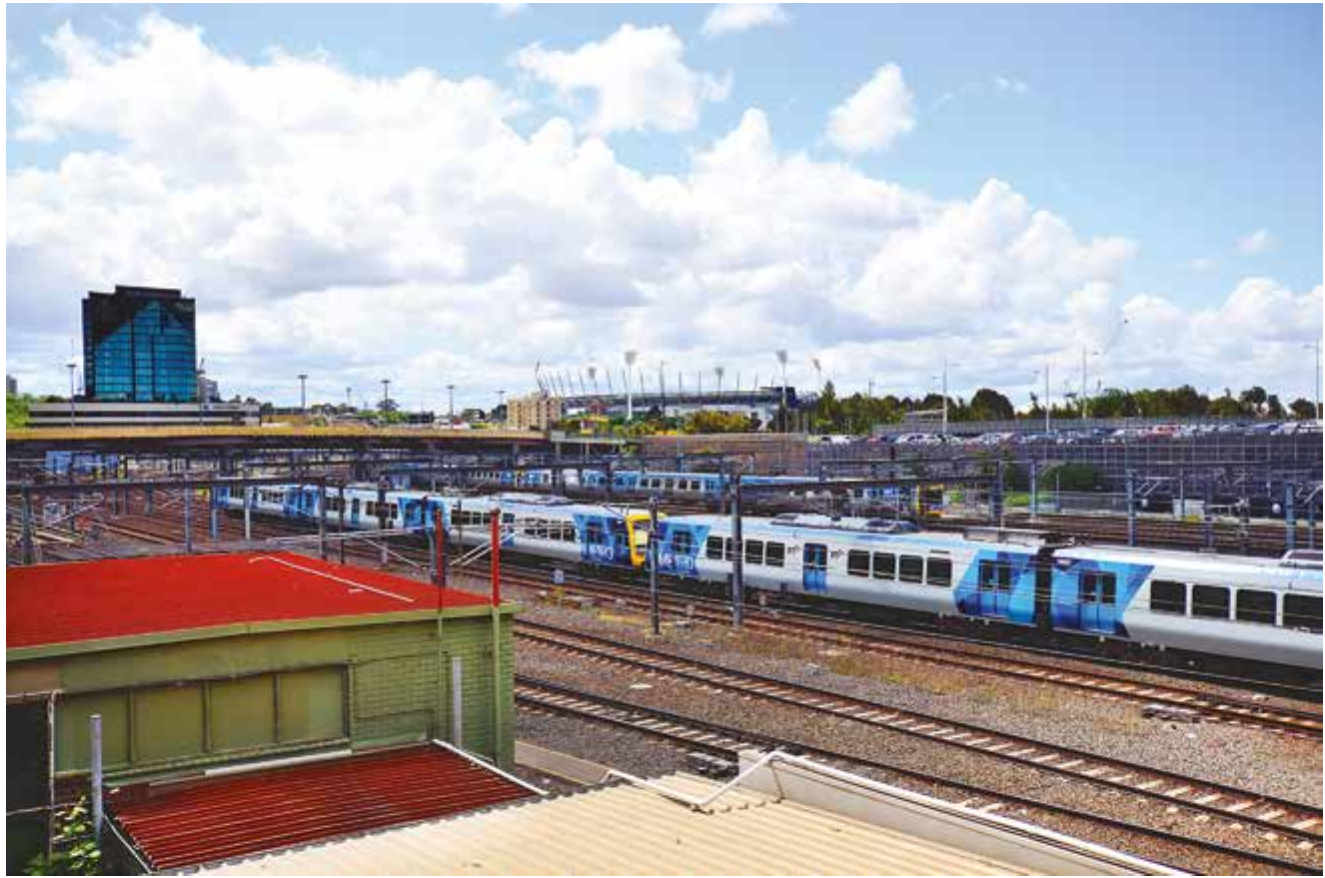
- Transport systems help people access employment opportunities
These developments contribute to positive thought patterns and promote mental health and wellbeing by giving people confidence in their future.
Ensuring children can stay in school
Economic sustainability means children are not forced into labour due to family poverty. Instead, they can remain in school, which provides several benefits:
- School attendance promotes social interaction, supporting social health and wellbeing
- Education provides a sense of meaning and purpose in life, promoting spiritual health and wellbeing
- Better education leads to improved employment prospects in the future
Important
Exam tip: Each dimension of sustainability can promote health and wellbeing in many different ways. When answering exam questions, focus on making logical connections between sustainability and the five dimensions of health and wellbeing. As long as your explanation makes sense and is well-reasoned, it will be eligible for marks.
Key factors for economic sustainability
Achieving economic sustainability requires attention to four key factors. These factors work together to ensure that both current and future generations can maintain adequate incomes and living standards.
Innovation and diversity of industries
Countries need a range of different industries to promote economic growth and stability. Relying on just one or two industries creates significant risks.
Why diversity matters:
Many low- and middle-income countries depend heavily on agriculture as their main industry. This creates problems because agriculture depends on unpredictable factors like weather patterns and global market prices. When these factors change negatively (such as during a drought), the entire economy can suffer.
Note
Having a range of industries means that if one industry experiences difficulties, others can continue to support the economy. This prevents economic catastrophe and maintains stability.
The importance of research and development:
Establishing new industries requires investment in research and development. This helps countries identify opportunities for growth and create industries that can provide long-term sustainability.
Challenges for high-income countries:
Diversity of industry is important for all countries, not just low- and middle-income nations. Many established industries in high-income countries are changing dramatically due to technological advancements.

Technologies like robotics and automation are replacing traditional jobs in manufacturing and other sectors. This means high-income countries must continuously develop new and innovative industries to ensure that average incomes can be maintained and improved for the next generation.
Job creation
Creating adequate employment opportunities is essential for economic sustainability. When people have jobs, they can:
- Earn wages to support themselves and their families
- Avoid poverty
- Contribute to their country's economy through spending and taxation
Growing population needs:
As the world's population continues to grow, more jobs are required so that all people of working age have the opportunity to work. This makes job creation an ongoing challenge rather than a one-time goal.
Note
Connection to innovation: Job creation links closely with innovation and industry diversity. As old industries decline or change, new industries must emerge to create employment opportunities. Ensuring that industries continue to evolve is an important part of creating jobs for both current and future generations.
While job creation is a particular concern in low- and middle-income countries, all countries experience the negative impacts of unemployment. Therefore, this factor matters globally.
Economic growth
Economic growth means increasing the total economic output and income of a country over time. For economic sustainability, this growth must be:
- Sustained - continuing over the long term, not just temporary increases
- Inclusive - benefiting all members of society, not just a wealthy few
- Responsible - achieved without harming the environment or depleting resources needed by future generations
Measuring economic growth:
Countries often measure economic growth using Gross National Income (GNI) per capita. This represents the average income per person in a country. For economic sustainability, GNI per capita needs to grow faster than inflation to ensure people's real purchasing power increases over time.
Why governments need growth:
Sustained economic growth enables governments to continue providing services, building infrastructure and supporting industry development. Without growth, governments struggle to maintain existing services, let alone improve them.
Note
The challenge of equitable distribution: Although GNI per capita is growing in most countries, not everyone benefits equally. For economic sustainability, a more equitable (fair) distribution of income is required so that all people can share in the benefits of a growing economy.
Thinking about future generations:
The current generation must consider how economic growth is achieved. Using up natural resources (like coal or forests) might provide economic growth today, but it depletes resources that future generations need for their own economic growth.
Important
True economic sustainability means achieving growth today in ways that don't reduce the ability of future generations to sustain their own economic growth and enjoy the health and wellbeing benefits that come with it.
Trade
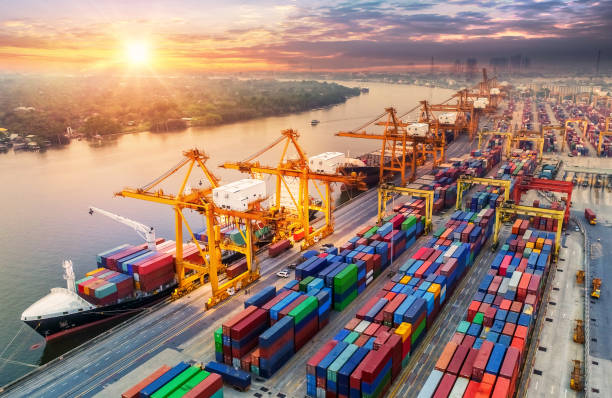
Trade allows countries to sell their products on the global market, which is essential for economic sustainability. However, the fairness of trade relationships significantly affects whether trade promotes economic sustainability.
The challenge of unfair trade:
Historically, producers in low- and middle-income countries have been paid less than their products are worth. This happens because high-income countries want to keep prices low for their consumers. This unfair trading model makes it difficult for lower-income countries to grow their economies and reduce poverty.
The problem of adding value:
Unfair trade prevents poor countries from adding value to their exports. Many low- and middle-income countries lack the processing capabilities to turn raw products into more valuable finished goods.
Example
Practical Example: Coffee Production and Value-Adding
Consider the coffee production chain:
- Raw coffee beans from a low-income country might sell for a small amount
- A jar of processed, roasted, and packaged coffee costs much more
- The difference in price comes from the production processes like roasting and packaging
- If low- and middle-income countries could process the beans themselves, they could make much greater profits
Unfortunately, the prices that coffee producers receive for raw beans are often too low to invest in building processing facilities. This creates a cycle where poor countries remain poor because they can't add value to their products.
Fair trade as a solution:
Fair trade aims to reverse unfair trading patterns. It focuses on achieving:
- Greater opportunities for international trade
- Decent working conditions for producers
- Fair prices for producers in low- and middle-income countries
With fair trade practices, producers in low- and middle-income countries have better opportunities to receive fair prices for their products. This helps reduce poverty and achieves a more equal spread of wealth around the world.
Connection to health and wellbeing:
Poverty reduction through fair trade is an essential component in promoting health and wellbeing globally. When producers earn fair incomes, they can afford better food, healthcare, education and housing - all of which promote health and wellbeing across all five dimensions.
Summary
Remember!
- Sustainability means meeting present needs without compromising the ability of future generations to meet their own needs
- Economic sustainability ensures adequate incomes that sustain decent living standards and rise in line with inflation for both current and future generations
- The three pillars of sustainability (social, environmental, economic) work together and influence each other
- Four key factors support economic sustainability: innovation and diversity of industries, job creation, economic growth, and trade
- Fair trade practices help producers in low- and middle-income countries receive fair prices, which reduces poverty and promotes health and wellbeing globally