The Environmental Dimension of Sustainability (VCE SSCE Health and Human Development): Revision Notes
📚Revision Notes
The Environmental Dimension of Sustainability
What is environmental sustainability?
Environmental sustainability means making sure the natural environment is used in ways that will protect resources for the future. The key idea is that human activities should only use natural resources at a rate that allows them to replenish themselves for future generations.
This presents a particular challenge for low- and middle-income countries. Many of these countries rely heavily on their natural environment to generate income and support trade. However, this can lead to overuse of environmental resources, which threatens long-term sustainability.
Important
Environmental sustainability has four main components that work together: biodiversity, use of natural resources, waste removal and pollution, and climate change.
Biodiversity
Biodiversity refers to the variety of all forms of life on Earth. This includes the different plants, animals and micro-organisms, the genes they contain, and the ecosystems they form part of.
An ecosystem is a community of living things and the non-living components of the environment they inhabit. Ecosystems can include plants, animals, micro-organisms, water, air, soil and rocks all working together.

Why biodiversity matters for health and wellbeing
The world's ecosystems provide many essential processes and resources that support human health and wellbeing:
- Provision of oxygen and removal of carbon dioxide from the atmosphere
- Protection of water resources
- Soil formation, including nutrient storage and recycling
- Nourishment of plants and animals used for food
- Wood products for building, heating and cooking
- Fibres used for clothing
- Resources used for medicine
- Opportunities for recreation and tourism
The importance of species balance
Every species within an ecosystem plays a vital role in maintaining balance. When a species is removed from an ecosystem, the ecosystem can become unbalanced and may struggle to carry out its processes effectively. This can have direct impacts on human health and wellbeing.
Example
Worked Example: The role of bees
Bees play a crucial role in pollinating many of the world's plants, including canola, sunflower, almonds, apples and stone fruits. According to the CSIRO, one third of our food comes from insect-pollinated crops, with bees playing a major role in this process.
Bee numbers have been declining globally. If this trend continues, growing some crops could become increasingly difficult, potentially decreasing the world food supply by an estimated 5 to 8 per cent. Increased food insecurity could lead to decreased immune system function, particularly for vulnerable groups. This could contribute to disease and negatively impact physical health and wellbeing.
Use of natural resources
The way we use natural resources must be carefully managed to ensure sustainable biodiversity. Natural resources can be classified into two categories: renewable and non-renewable.
Renewable resources
Renewable resources are those that are replenished naturally over a relatively short period of time. Examples include crops, water, oxygen, forests and fish stocks.
When managed carefully, renewable resources can be used by humans with minimal impact on the ecosystem. For example, fishing provides both food and income in many countries. When fishing is managed sustainably, fish can breed and replenish at the same rate they are being caught.
Important
Problems arise when people attempt to break the cycle of poverty by catching more fish to increase profits. This can lead to overfishing, where fish populations cannot regenerate at a sustainable rate, causing devastating effects on fish populations.
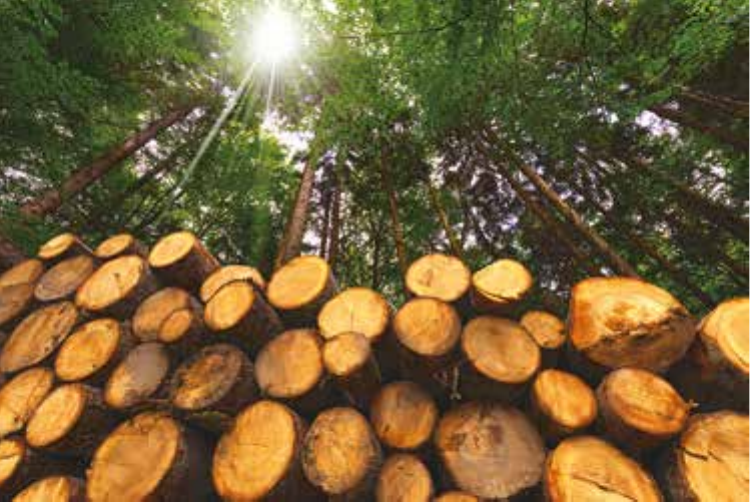
The timber industry presents another area of concern. Many forests are being harvested at a rate much faster than trees can regenerate. This damages delicate ecosystems and affects the ability of future generations to use these resources for their health and wellbeing.
Note
Benefits of sustainable use of renewable resources:
- Allows future generations to earn income by utilizing natural resources, which helps provide goods and services needed for optimal health and wellbeing, such as food, shelter and healthcare
- Preserves natural environments that many people value for cultural reasons, promoting spiritual health and wellbeing
- Maintains natural environments for socializing and relaxation, promoting social and mental health and wellbeing
Non-renewable resources
Non-renewable resources are those that are not replenished over a short period of time. Once these resources are used, they are not available for future generations. Non-renewable resources include coal, natural gas, petroleum and nuclear substances.
According to the International Energy Agency, in 2020 more than 70 per cent of global electricity supply was generated using non-renewable fossil fuels. Electricity generated using fossil fuels is not sustainable because fossil fuels will eventually run out.
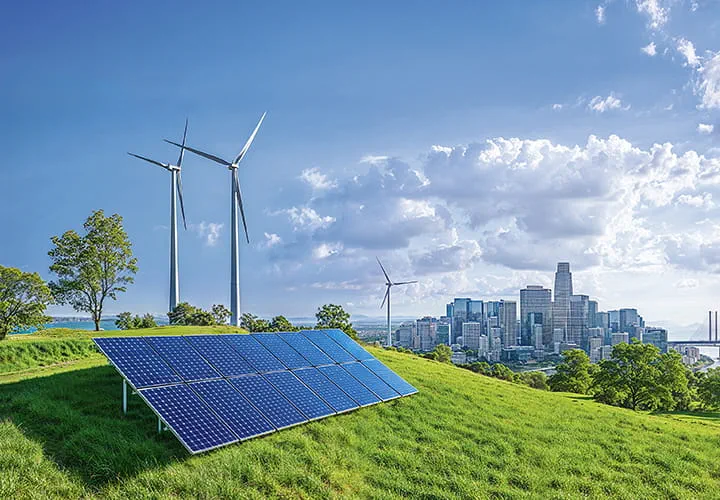
To ensure environmental sustainability, there must be a shift towards energy production from renewable sources such as the sun, tides, waves, wind and rain.
Note
Benefits of sustainable energy production:
- Future generations of children will be able to complete studies under artificial light, increasing their ability to escape poverty and improve all dimensions of health and wellbeing
- Hospitals will function more effectively with reliable electricity supply, enabling people to receive treatment for many conditions, which promotes physical health and wellbeing
- Future generations can access transport systems, helping maintain social connections and promoting social health and wellbeing
- Less reliance on fossil fuels will reduce smoke and fumes, decreasing the risk of respiratory conditions and improving physical health and wellbeing
Waste removal and pollution
Maintaining clean ecosystems is crucial for environmental sustainability. As mentioned earlier, ecosystems are responsible for producing clean water and air. Industry, agriculture and human waste can degrade the quality of these resources by contaminating the ecosystems that produce them.

Environmental sustainability requires humans to minimize waste wherever possible and appropriately treat waste products to reduce environmental impact.
Note
Benefits of adequate waste removal and environmental purity:
Ensuring sustainable access to clean water
- Prevents infectious diseases and promotes physical health and wellbeing
- Individuals don't have to spend hours collecting water each day, so they can pursue employment instead
- This can promote feelings of satisfaction and achievement, which supports emotional health and wellbeing
Reducing the risk of disease
- Pollution can provide breeding grounds for disease-causing pathogens
- Reducing pollution decreases this threat
- Reducing air pollution can lessen the impact of respiratory diseases such as asthma, improving physical health and wellbeing
Providing nutrient-rich soil
- Crops fit for human consumption can be grown
- This promotes the functioning of body systems and supports physical health and wellbeing
- Food security can reduce stress levels and promote mental health and wellbeing
Climate change
According to the Intergovernmental Panel on Climate Change (2007), the global average surface temperature has increased by approximately 0.65 degrees Celsius over the past 50 years and is expected to increase even more rapidly over the next century. The rate of sea level rise has also increased in recent decades and is expected to continue over the coming century.
These climate changes will affect weather patterns, including rainfall, drought, wind patterns and heat waves.
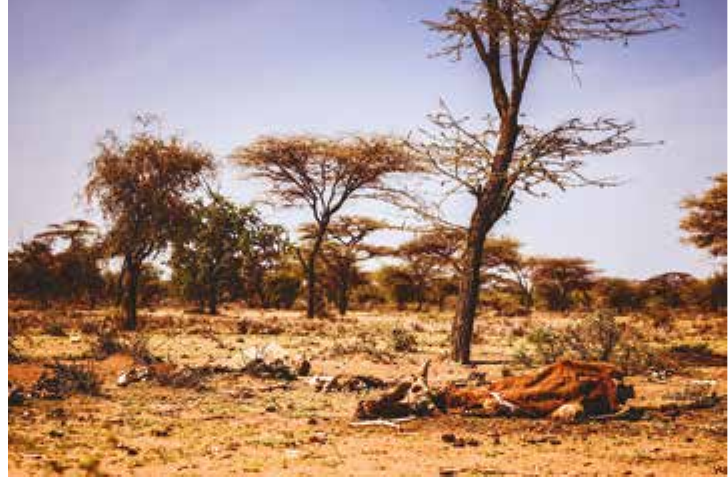
Why minimizing climate change is vital for health and wellbeing
Important
Stabilizing weather and rainfall patterns
- May reduce the rate and severity of natural disasters
- Will reduce injuries and deaths from these events, promoting physical health and wellbeing
- Helps maintain infrastructure needed for social, emotional, mental and spiritual health and wellbeing
- Predictable rainfall allows crops to be grown and promotes food security, supporting physical health and wellbeing
Preventing sea level rise
- Ensures people in low-lying areas won't be displaced
- Can reduce anxiety levels and promote mental health and wellbeing
- Fresh water sources will be preserved, promoting physical health and wellbeing
Decreasing communicable disease rates
- Improves physical health and wellbeing
- Preventing further climate change stops disease-carrying organisms from spreading to new areas, as environmental conditions won't support their migration
Maintaining ecosystems
- If temperatures don't continue to rise, ecosystems can be maintained
- This helps provide essential resources such as clean water, air and nutrient-rich soil
- These resources are all required for overall health and wellbeing
Interrelationships between the three dimensions of sustainability
The three dimensions of sustainability (environmental, social and economic) are interrelated, meaning they have an impact on each other. As a result, some examples of resources or conditions required for sustainability can fit into more than one dimension.
Note
For example:
- Poverty reduction is part of social sustainability, but achieving it relies on economic sustainability
- Equal access to safe water is an aspect of social sustainability, but depends heavily on environmental sustainability to ensure clean water is available
Important
Because the dimensions are interrelated, failing to consider one dimension will affect the others. For instance, a country might have high income from mining oil reserves. However, when oil reserves deplete (reduced environmental sustainability), this income source will shrink (reduced economic sustainability). Reduced income could mean fewer economic resources available for public education, impacting social sustainability.
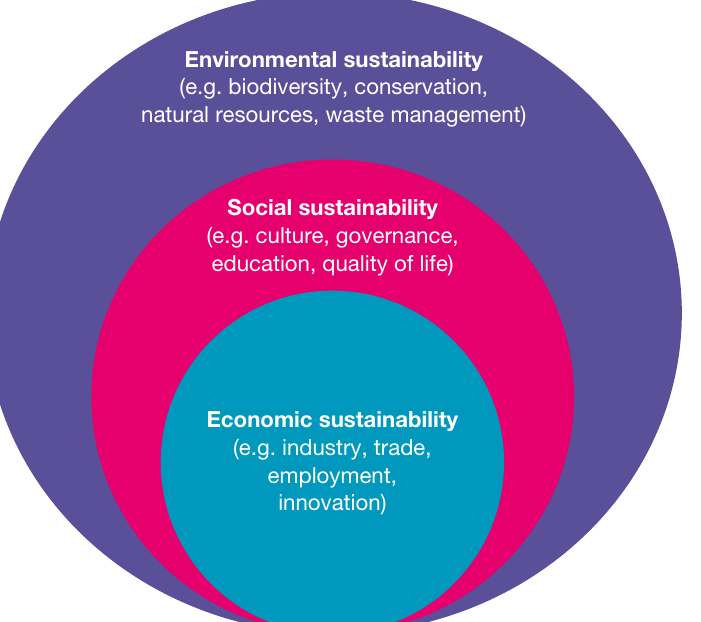
In many ways, environmental sustainability is considered the largest dimension of sustainability because social and economic sustainability depend on it. Without access to natural resources, humans cannot survive, let alone earn an income. The diagram above shows how environmental sustainability forms the foundation that supports both social and economic sustainability.
Remember!
Summary
Key Points to Remember:
- Environmental sustainability means using the natural environment in ways that preserve resources for future generations
- The four key components are: biodiversity, use of natural resources, waste removal and pollution, and climate change
- Renewable resources (like forests and fish) can replenish naturally if managed sustainably, while non-renewable resources (like fossil fuels) cannot
- Biodiversity is essential because every species plays a role in maintaining ecosystem balance, which provides vital services for human health and wellbeing
- The three dimensions of sustainability are interconnected - environmental sustainability forms the foundation for both social and economic sustainability