Applying the Biopsychosocial Model to Gustatory Perception (VCE SSCE Psychology): Revision Notes
📚Revision Notes
Applying the Biopsychosocial Model to Gustatory Perception
Introduction to gustatory perception
Gustatory perception, or taste perception, differs from visual perception in several important ways. Unlike vision, where biological factors affecting perception are relatively consistent across individuals (except for those with vision impairments), taste perception varies considerably between people due to diverse biological, psychological and social influences.
Note
A key distinction is that gustation is a multisensorial process. Whilst vision relies primarily on one sensory organ (the eyes), taste perception depends on information from both taste buds in the mouth and throat, and our sense of smell. This integration of multiple sensory inputs means that factors affecting either system can alter our overall perception of flavour.
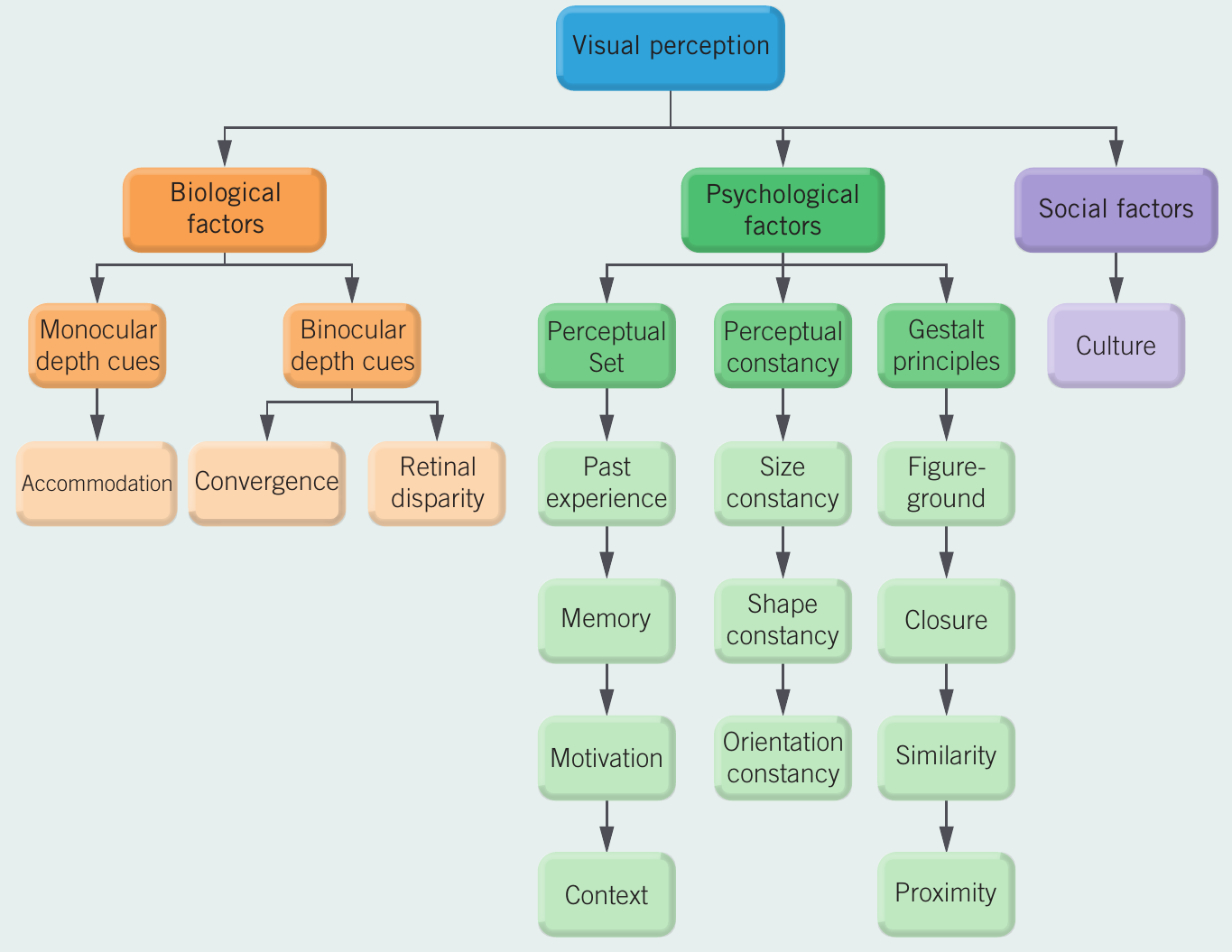
The biopsychosocial model helps us understand how biological, psychological and social factors interact to shape our experience of taste. Each category contributes uniquely to the wide variation in how different people perceive the same food.
Biological factors influencing gustatory perception
Age and genetics
The number and functionality of taste buds changes significantly throughout our lifespan. Each taste bud lasts approximately 10 days before being regenerated. However, the rate of this regeneration varies with age.
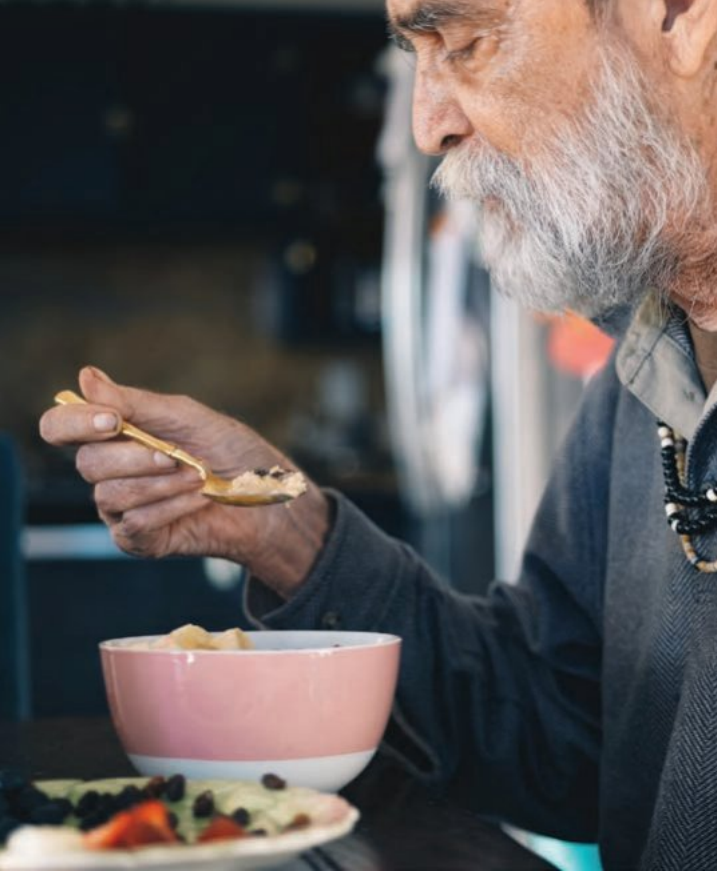
In early life, regeneration occurs rapidly, meaning children possess a larger number of functional taste buds compared to adults. As we age, this regeneration process slows down. By the time someone reaches old age, taste buds do not regenerate quickly enough to replace those that are lost.
Example
Worked Example: Age-Related Taste Perception
Consider the experience of elderly people who often report that food tastes bland:
- The food itself has not changed in composition
- However, they lack sufficient taste buds to perceive the full depth of flavour
- This demonstrates how biological changes directly affect perception, independent of the stimulus itself
Genetics also plays a role in taste perception. Research indicates that approximately 25% of people are born with more taste buds than average, whilst another 25% are born with fewer. The number of taste buds we possess affects how intensely we perceive certain tastes, particularly bitter and sweet flavours. This genetic variation accounts for much of the diversity in how individuals experience the same food.
Important
Because both age and genetics influence taste bud numbers, each person is likely to have a different quantity of taste buds compared to others, and this number will continue to change throughout their life. Since taste buds are essential for detecting gustatory sensations, these variations have a substantial impact on taste perception.
Illness
When you are unwell, you may notice that food tastes unusual or has no flavour at all. Loss of taste is a common symptom of viral infections such as colds, flu or COVID-19. However, the problem typically lies not with the taste buds themselves, but with the sense of smell.

Important
When your sense of smell is reduced, such as from a blocked nose, your brain does not receive the complete range of sensations that normally combine to create a food's flavour. Consequently, food may taste bland or completely different from usual. This demonstrates the crucial role that smell plays in our perception of taste.
In some cases, changes in taste can serve as diagnostic indicators for medical conditions. Altered taste perception may signal issues ranging from gingivitis and vitamin B₁₂ deficiency to chemical exposure or autoimmune conditions.
Pregnancy
Pregnancy represents another condition that affects taste perception. Pregnant people typically become highly sensitive to both smells and tastes, and may experience sudden cravings for unusual flavour combinations or strong aversions to previously enjoyed foods.

Research has identified biological changes in taste during pregnancy, including increased sensitivity to bitter tastes and decreased sensitivity to sweet tastes. However, the specific patterns vary considerably between individuals. For instance, some pregnant people report losing their enjoyment of meat, whilst others crave the flavour of chalk.
Note
Whilst these changes are generally attributed to pregnancy-related hormones, the situation may be more complex. Pregnancy involves numerous biological changes including alterations in weight and immune system function. Therefore, the exact mechanisms underlying taste changes during pregnancy require further research.
Psychological factors influencing gustatory perception
Psychological factors play a substantial role in shaping how we perceive gustatory sensations. Our perceptual set – the combined influence of past experience, motivation, memory and context – affects taste perception in ways that can be as powerful as biological factors. These psychological influences are learned mental processes that vary between individuals, contributing to the significant differences we observe in gustatory perception.
Past experience
Our previous experiences with a food stimulus shape how we perceive that food or similar foods in the future. This occurs through the mechanism of perceptual set, which influences top-down processing of gustatory information.

Example
Worked Example: Past Experience and Spaghetti Bolognaise
Consider how childhood experiences shape current taste perception:
- If you grew up eating spaghetti bolognaise prepared in a particular way, you will likely use that experience as a reference point when encountering other versions of the same dish
- If your family's recipe was very enjoyable, you might be less likely to perceive differently prepared bolognaise favourably, and vice versa
- Your established schema for "bolognaise" sets expectations that influence your perception of new examples
This demonstrates how top-down processing based on past experience affects gustatory perception.
Emotion
Our emotional responses to tastes are closely linked to past experiences. When we eat a dish that was a childhood favourite, it may evoke nostalgic feelings of happiness. Each time we consume that dish, the associated positive emotion can enhance our taste perception, making it more enjoyable. Conversely, strong negative emotions associated with a food – perhaps from being forced to eat it as a child or experiencing food poisoning – can make our gustatory perception of that food negative.
Emotions can also drive cravings for certain tastes. Consider how your mood affects your food choices: after exercise, when feeling energised and hungry, you might crave something fresh and crunchy like a carrot or salad. However, on a rainy day when feeling tired, you might desire comfort food like leftover spaghetti.
Note
The concept of "comfort food" illustrates this emotional influence. When experiencing a tired or dreary mood, we often crave these foods, and no other type seems satisfying. Comfort foods are typically high in fat or sugar, and eating them triggers the release of dopamine – often called the pleasure hormone. Additionally, we tend to associate the taste of comfort foods with positive experiences such as family gatherings, a grandmother's care, or feelings of safety and love.
Product packaging
The packaging of food products can influence our perception of their taste. This area has been extensively researched due to its commercial importance for food and beverage manufacturers. Studies have demonstrated that branding and packaging can activate our perceptual sets and emotions, thereby affecting how we perceive a product's taste.
Example
Research Example: Yoghurt Container Weight
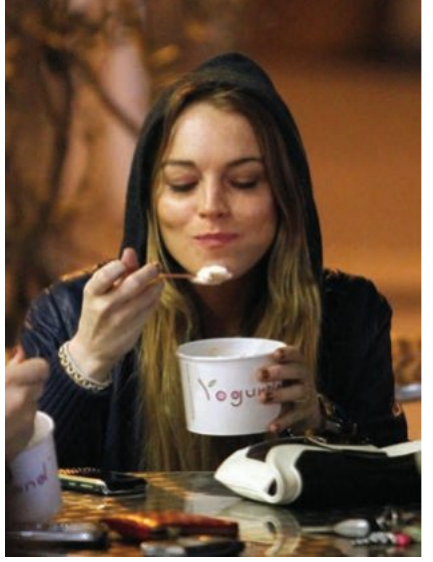
One study found that when yoghurt containers were heavier, people perceived the yoghurt as more filling.
Psychological explanation: Whilst the researchers did not explicitly explain this in terms of psychological factors, perceptual set likely plays a role. Our memories associate heavier weight with greater quantity, which may create an expectation of fullness that influences perception.
Example
Research Example: Cartoon Characters and Children's Taste Perception
Research shows that children have more positive experiences with foods that feature cartoon characters on the packaging.
Application: Many companies use this finding by placing various cartoon characters on products marketed to children. The strong positive emotions and experiences that children associate with these characters influence them towards a favourable perception of the product's taste.
Social factors influencing gustatory perception
Social factors, particularly cultural influences, play a substantial role in shaping taste preferences. Research indicates that taste preferences develop early in life and are influenced by learned experiences and cultural factors at both family and societal levels. We tend to prefer flavours and tastes we encountered whilst growing up, and our perceptual set for any given food is influenced by how that food is regarded within our culture. Therefore, culture emerges as a key social factor affecting taste perception.
Food culture
Food culture encompasses the attitudes, behaviours, customs and values around food that are transmitted from one generation to the next. Even if you think you have not grown up in a particular food culture, you almost certainly have – culture is simply the characteristics of a group of people that are passed down through generations.
Example
Cultural Example: Meat Pies versus Honey Crickets
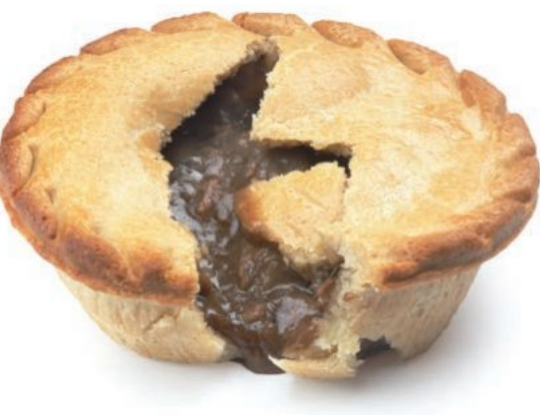
Consider the Australian meat pie, often ranked as one of Australia's national foods. Whether you enjoy meat pies and what the flavour reminds you of are influenced by your food culture.
Now imagine a different scenario: Arun and his friends are walking down a busy street after playing football, looking for a quick lunch. They purchase their familiar favourite snack and happily eat – a delicious bowl of giant honey crickets.
Analysis: Both the meat pie and honey crickets are protein-rich, convenient foods. However, would you eat a cricket? If you did not grow up in a country where insects are commonly eaten, such as Cambodia (Arun's home country), you would probably feel disgusted by the idea. Your schema for "crickets" does not include them as a delicious snack, and you might expect an unpleasant taste.
This demonstrates the powerful effect of culture on gustatory perception.
Historical experiences
A country's food culture is largely shaped by its history. In Cambodia, crickets have been consumed for over a thousand years and have historically provided an important protein source for poor, rural communities. This practice does not exist in the European countries that initially shaped Australian culture after colonisation, which explains why insect consumption is not part of mainstream Australian food culture.
Example
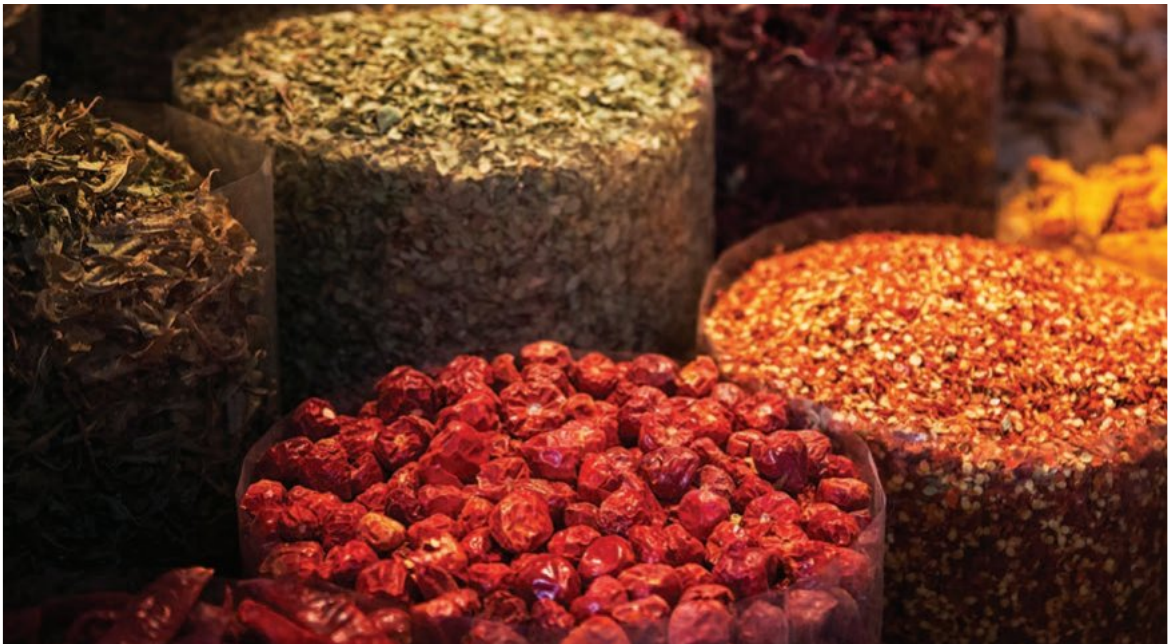
Historical Example: Thai Cuisine and Chili Use
Thailand offers a clear example of how history shapes food culture:
Historical context:
- Before refrigeration, food spoilage was a major problem, particularly in tropical climates like Thailand
- Chilis, which grow readily in Thailand, can preserve unstable ingredients and kill bacteria in food that has started to deteriorate
- This is why Thai food is characteristically spicy
Modern implications: Thai food culture developed as a practical solution to everyday problems, using available ingredients. Even though refrigeration now prevents spoilage, people growing up in Thailand are regularly exposed to high levels of chili and other spices.
Result: Someone raised with these intense flavours might find an Australian meat pie quite bland, demonstrating how historical experiences continue to influence contemporary taste perception.
Songlines and Indigenous knowledge
The connection between food and culture is particularly evident in the cultures of Aboriginal and Torres Strait Islander peoples. Songlines provide a powerful example of this relationship. Songlines contain the memories and knowledge of Aboriginal peoples, with some marking walking routes connecting important sites across distances of thousands of kilometres. Amongst other purposes, songlines helped travellers navigate safely, including knowing where to find food and which foods to eat.
Important
Aboriginal and Torres Strait Islander peoples' connection with Country means their perceptual sets, including their schemas for foods and thus perception of flavours, may differ markedly from non-Indigenous people without the same knowledge.
Example
Cultural Comparison: Perception of Native Ginger
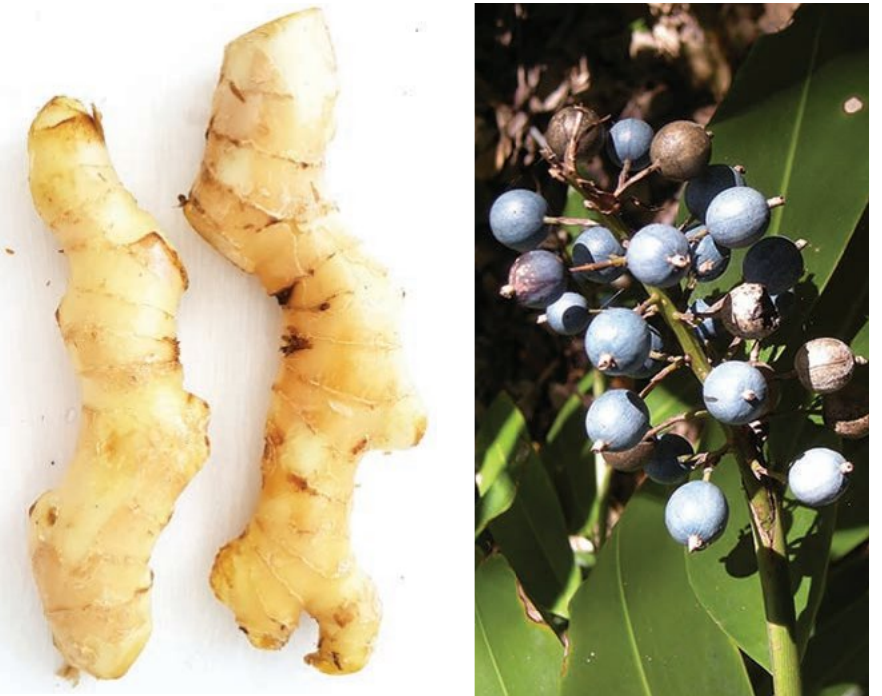
Consider two people tasting native ginger (blue berries that grow wild in Australia, with a taste similar to ginger root):
Non-Indigenous person without cultural knowledge:
- Might bring a perceptual set that includes knowledge of ginger root
- Much of their perception would be based on bottom-up processing of gustatory sensations
- Might perceive the native ginger as only mildly spicy and blander than ginger root
Aboriginal person from that Country with relevant cultural knowledge:
- Might perceive the bitterness of the ginger that marks it as useful for fighting infection
- Might recall a time when they consumed native ginger to help with an infection and feel thankfulness for the relief the plant provided
- This could be only a small part of their perception of the taste, which might be associated with a range of memories, emotions and past experiences tied to culture, spirituality and Country
This comparison demonstrates how cultural knowledge and connection to Country fundamentally shape gustatory perception.
Summary
Key Points to Remember:
-
Gustatory perception is a multisensorial process that relies on both taste buds and smell, making it more variable between individuals than visual perception
-
Biological factors such as age, genetics, illness and pregnancy significantly affect the number and functionality of taste buds, thereby influencing taste perception
-
Psychological factors including past experiences, emotions and product packaging shape taste perception through perceptual set and learned associations
-
Social factors, particularly food culture and historical experiences, create substantial differences in how people from different cultural backgrounds perceive the same foods
-
The biopsychosocial model demonstrates that gustatory perception results from the complex interaction of biological, psychological and social factors, accounting for the wide variation in taste preferences between individuals