Acquired Brain Injuries (VCE SSCE Psychology): Revision Notes
📚Revision Notes
Acquired Brain Injuries
Introduction to acquired brain injuries
An acquired brain injury (ABI) refers to damage to the brain that occurs after birth, at any point during a person's life. These injuries can happen suddenly or develop gradually over time. The impact of an ABI varies depending on which areas of the brain are affected and the extent of the damage.
Note
To understand the severity of ABIs, consider locked-in syndrome—a rare but real condition caused by damage to the brainstem. People with this syndrome remain fully conscious and aware of their surroundings but experience complete muscle paralysis. They cannot speak, move, or control any facial muscles, making communication nearly impossible. In some cases, patients retain the ability to blink and move their eyes vertically, which becomes their only means of communication. This condition was first named by Plum and Posner in 1966 and is sometimes misdiagnosed as a coma because patients appear completely unresponsive despite being fully conscious.
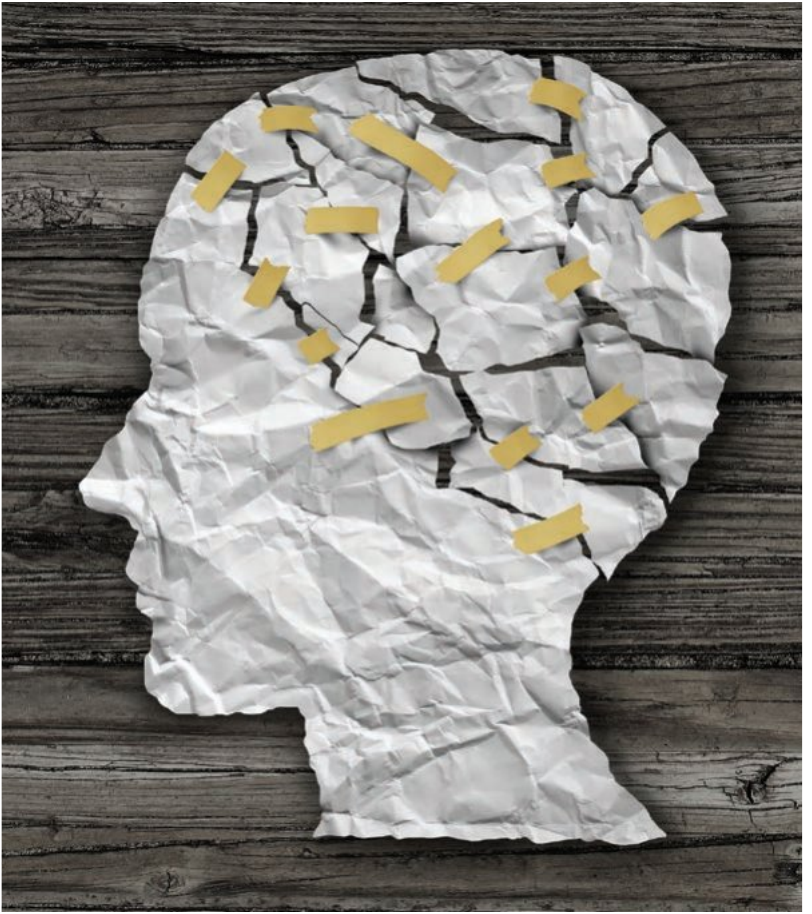
Understanding acquired brain injuries
What causes acquired brain injuries?
ABIs result from various causes that damage brain tissue after birth. The main causes include:
- Physical injury or trauma: Impact to the head from falls, fights, or sporting accidents can damage brain tissue
- Disease or infection: Conditions such as meningitis, Parkinson's disease, or Alzheimer's disease can progressively damage the brain
- Oxygen deprivation: Near-drowning incidents, heart attacks, or strokes can prevent oxygen from reaching the brain
- Poisoning or substance abuse: Toxic substances, excessive alcohol consumption, or drug abuse can harm brain cells
- Brain tumours: Abnormal growths in the brain can damage surrounding tissue and disrupt normal functioning
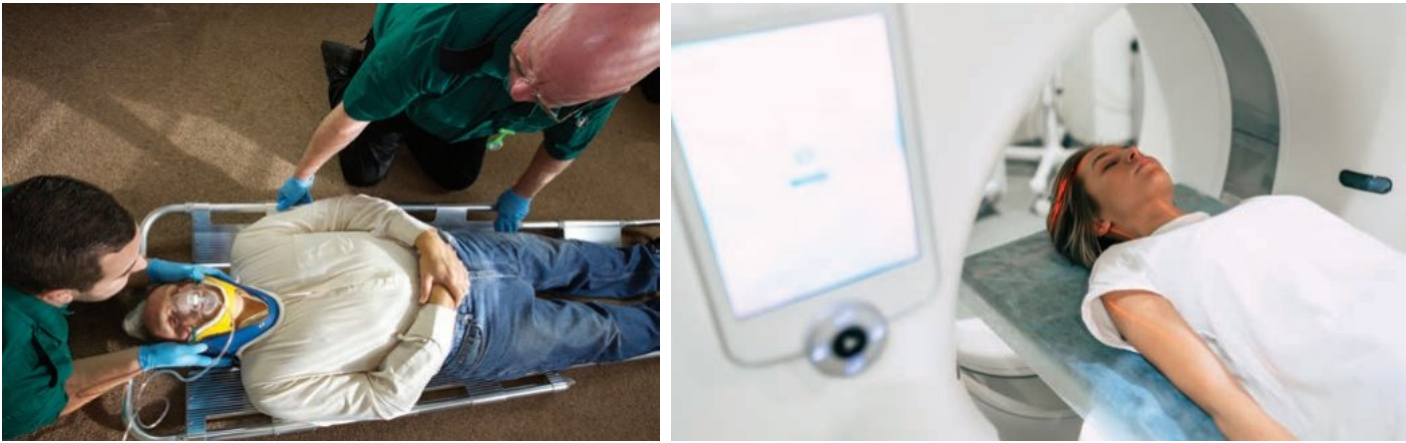
Prevalence and statistics
Calculating the exact number of people living with ABIs is difficult, but Australian data provides important insights. In 2007, the Australian Institute of Health and Welfare estimated that over 430,000 Australians had a brain injury that limited their daily activities and participation in life.
Note
Key Statistics:
The data reveals important patterns about who is most affected:
- Three-quarters of people with brain injuries are male
- Three-quarters are under 65 years old
- Two-thirds acquired their injury before age 25
These figures highlight that brain injuries predominantly affect younger people, particularly young males, which has lasting implications for their lives, families, and communities.
Impact on functioning
When the brain sustains damage, its structure changes, which directly affects how it functions. These changes produce effects across three interconnected areas: biological, psychological, and social functioning. The specific symptoms depend on which brain regions are damaged and how extensive the injury is. Brain imaging techniques such as CT or MRI scans help medical professionals identify the damaged areas and predict potential functional losses.
The severity of ABIs ranges considerably. Some people experience mild impairments where they need occasional assistance or equipment to complete daily tasks. Others face profound disabilities requiring constant support from caregivers to perform basic activities and cannot live independently.
Important
Sometimes the effects are not immediately visible to others, leading these injuries to be called "hidden disabilities." This can make it difficult for others to understand the challenges faced by people with ABIs, potentially affecting access to support and services.
Biological effects involve the body's physical systems and sensory functions. People with ABIs may experience:
- Impaired sensory functioning, including vision or hearing problems
- Muscle weakness and poor balance
- Tremors or involuntary movements
- Chronic headaches and pain
- Fatigue and sleep disturbances
- Slurred or slowed speech
- Hormonal imbalances
- Seizures
Psychological effects affect mental processes, emotions, and cognitive abilities. These include:
- Memory loss and difficulty retaining new information
- Slowed thinking and confusion
- Poor attention span and concentration problems
- Reduced ability to plan, organise, and solve problems
- Inflexible thinking and poor judgement
- Lack of motivation or initiative
- Anxiety, depression, and emotional instability
- Irritability and short-temperedness
- Personality changes
- Impaired self-awareness and self-centred behaviour
- Negative self-talk
Social effects impact relationships and interactions with others. People may struggle with:
- Impaired social skills and communication difficulties
- Socially inappropriate behaviour
- Difficulty following social rules and conventions (interrupting, asking personal questions, inability to take turns)
- Aggressive verbal or physical behaviour
- Difficulty relating to others
- Loss of confidence and self-esteem
- Impulsivity
- Changed or lost friendships
- Social isolation
- Trouble understanding others or feeling misunderstood
- Poor conflict management skills
Secondary effects
Beyond the direct impacts, ABIs create additional challenges that affect quality of life:
- Grief and difficulty coming to terms with the injury and its permanence
- Struggles managing and maintaining relationships with family and friends
- Difficulty coping with everyday challenges and changes
- Changes in personal identity and self-perception
- Need to adapt to different educational approaches
- Loss of employment and career prospects
- Financial hardship from medical costs and lost income
- Accessibility challenges within homes and communities
- Limited opportunities for suitable work and recreation
- Increased dependence on others for assistance
- Potential need for supported accommodation
Important
People with ABIs face higher risks of homelessness due to discrimination and lack of affordable, suitable housing. This vulnerability increases their likelihood of involvement with the criminal justice system, which explains the high prevalence of ABIs among people in custody.
Recovery and rehabilitation
Recovery from an ABI depends on multiple factors: the cause of the injury, the extent and location of brain damage, the person's age, and their overall health. At the time of injury, predicting the eventual level of recovery is impossible. However, immediate action matters—timely and appropriate first aid can prevent additional complications and limit the severity of damage.
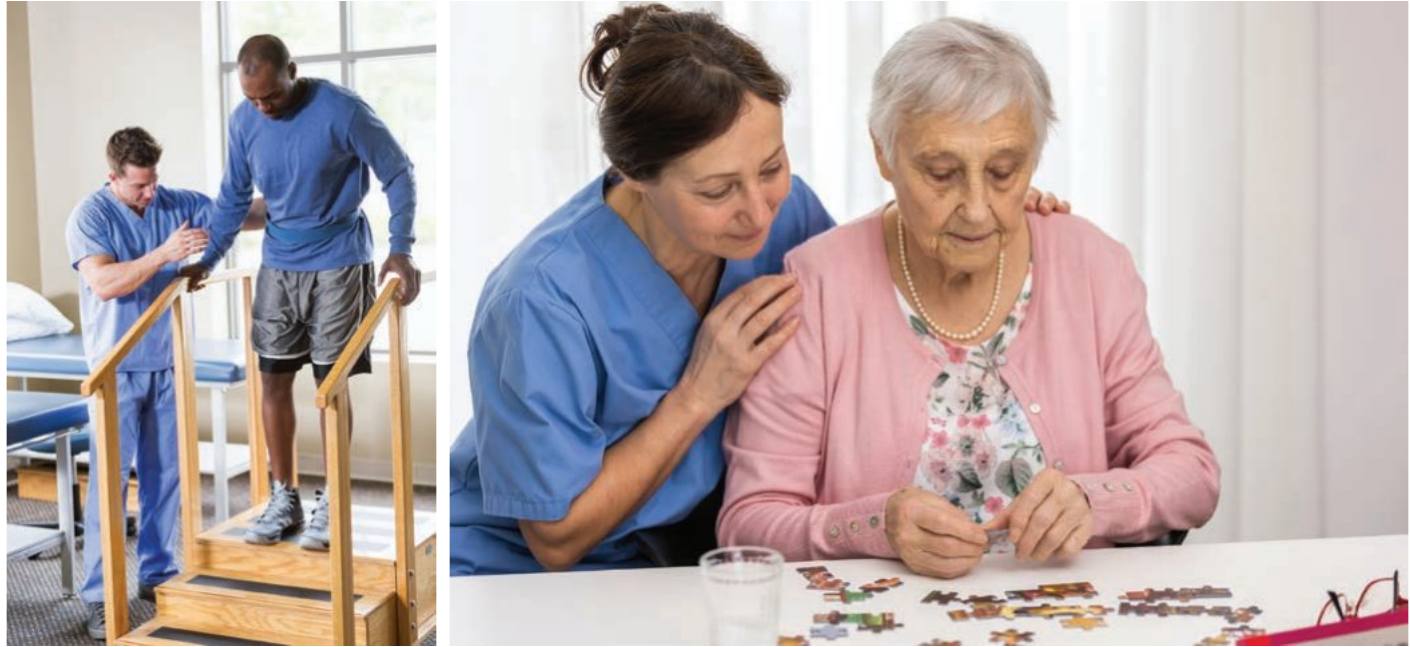
Rehabilitation through intensive therapy helps people gradually regain lost physical functioning. Therapies provide access to equipment and mobility aids that help relearn independent living skills. Home modifications such as ramps and handrails may be necessary.
Note
Neuroplasticity and Recovery:
The first few months following injury typically show the greatest improvements because neuroplasticity peaks during this period. The brain's processes of rerouting and sprouting help form new neural connections that reorganise brain function and compensate for damaged areas.
Recovery often continues for years beyond the initial injury. Along with neurological and physical therapies, people need support returning to work or study, accessing appropriate housing, settling into the community, and participating in community life. In some cases, full functioning is never regained, and individuals must learn to live permanently with their injury's effects.
Types of acquired brain injuries
Traumatic brain injury (TBI)
Traumatic brain injury occurs when sudden physical trauma from an external force damages the brain. TBI represents a leading cause of death and disability in children and young adults worldwide. Common causes include:
- Vehicle accidents
- Falls
- Violence or physical assaults
- Work-related accidents
- Sporting accidents
- Objects piercing the skull (such as bullets)
- Infants being shaken
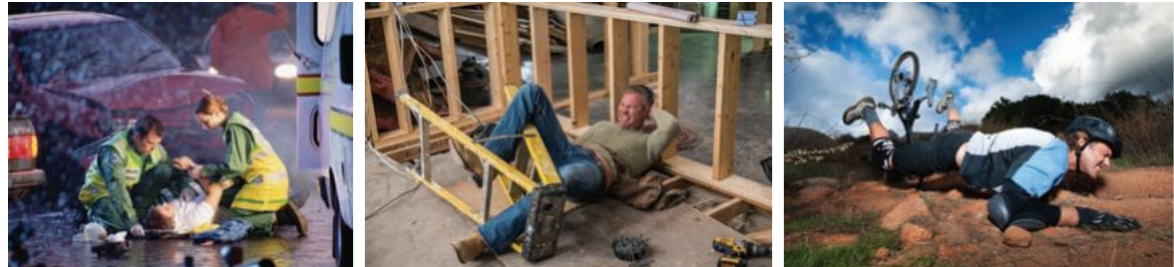
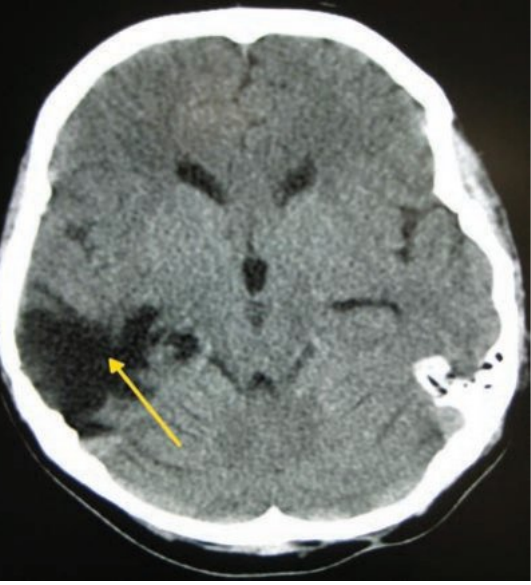
How TBI occurs in the brain
Understanding TBI requires knowledge of the brain's protective environment. The brain floats in cerebrospinal fluid, a clear liquid that cushions it within the skull. When someone's head is struck forcefully, this fluid cushioning proves insufficient to prevent the brain from hitting the thick surrounding membranes or skull bones. This impact causes various types of damage to delicate brain tissue:
- Bruising of brain tissue
- Swelling that increases pressure
- Bleeding from damaged blood vessels
- Tearing of neural connections
Note
The extent of damage varies based on the incident's severity. Medical professionals often measure severity by how long the person loses consciousness—from momentary loss to falling into a coma. Most TBI cases are classified as mild, where the person remains awake but may have experienced brief unconsciousness. A small percentage involves the person arriving at medical care unconscious; these cases are classified as severe.
Risk groups and consequences
Certain groups face higher TBI risks:
- Children under four years
- Young adults aged 15-24 years
- Adults over 60 years
- Males more than females
Following TBI, people experience a wide range of biological, psychological, and social effects, with recovery sometimes continuing for years. Research links moderate or severe TBI to increased risk of developing Alzheimer's disease or other dementias years later. Links to future epilepsy diagnoses also exist.
Types of traumatic brain injury
TBIs occur through different mechanisms:
- Direct impact injury: Force applied directly to the head
- Acceleration-deceleration injury: Rapid movement of the head forward and backward (such as in whiplash)
- Shock wave injury: Intense blast waves affecting the brain
Aphasia
Aphasia is an acquired language disorder resulting from damage to the brain's language-processing centres. The disorder impairs understanding and/or production of language across all communication forms—talking, reading, writing, and listening.
Important
Intelligence remains unaffected in aphasia. People with aphasia know what they want to express but struggle to convey their message. This is a crucial distinction—the problem is with language expression or comprehension, not with thinking or understanding concepts.
Specific difficulties include:
- Finding the right words
- Using correct grammar to form sentences
- Understanding jokes or questions
- Participating in conversations in noisy environments
- Understanding long, complex sentences
- Recognising differences between similar words
Aphasia typically results from damage to the left hemisphere of the brain, most commonly from stroke, but TBI, tumours, or other diseases can also cause it. Several types exist, with severity depending on the extent of damage.
Wernicke's aphasia
This type involves trouble comprehending speech and producing meaningful sentences. People with Wernicke's aphasia can produce fluent sentences that flow smoothly, but the content is nonsensical or confusing. The words don't convey the intended meaning. This results from damage to Wernicke's area in the temporal lobe, which is responsible for speech comprehension.
Broca's aphasia
In contrast, Broca's aphasia involves understanding speech but having trouble producing fluent speech. People know what they want to say and their words have meaning, but they cannot connect them into flowing sentences. Speech becomes slow and requires tremendous effort. This results from damage to Broca's area in the frontal lobe, which controls speech production.
Note
Comparing Wernicke's and Broca's Aphasia:
A helpful way to remember the difference:
- Wernicke's = Comprehension problems (can't understand)
- Broca's = Production problems (can't produce fluent speech)
Both types impair repetition abilities, but in opposite ways regarding fluency and comprehension.
| Feature | Broca's Aphasia | Wernicke's Aphasia |
|---|---|---|
| Location | Frontal lobe | Temporal lobe |
| Fluency | Poor (slow, effortful speech) | Good (fluent speech) |
| Comprehension | Good (can understand) | Poor (cannot understand) |
| Repetition | Impaired | Impaired |
Concussion
A concussion is a mild form of TBI that occurs when an external force to the head or body causes the brain to bounce inside the skull. Understanding concussion requires two key concepts:
First, the brain has some degree of movement because it floats in fluid inside the skull. Its primary anchor point is the brainstem and spinal cord at the bottom. Second, physics principles of momentum and inertia apply to the brain. If the head suddenly accelerates in one direction and then stops, forces impact the brain first on one side, then again on the opposite side.
Despite the protective fluid, the brain's surface (the cerebral cortex) can be injured when forces cause it to contact the skull's interior. Strong acceleration and deceleration can also cause small bleeds from blood vessels within the brain.

Causes and symptoms
Concussion causes are similar to TBI causes, with sporting accidents, vehicle accidents, and falls being most common. Concussions are usually not life-threatening, but they produce serious symptoms that can begin immediately or develop hours, days, weeks, or even months after the injury.
Initial symptoms may include:
- Headaches
- Memory loss
- Blurry vision
- Confusion
- Nausea
- Fatigue
- Lack of coordination

Note
Most people do not lose consciousness during a concussion and show no obvious structural brain damage. Symptoms typically improve gradually over several weeks.
Recovery and risks
Following concussion, rest and recovery are necessary to allow the brain to heal. Experiencing one concussion increases susceptibility to future concussions.
Important
Critical Warning About Repeated Concussions:
Receiving a second concussion soon after the first is particularly dangerous, increasing the likelihood of severe symptoms such as brain swelling and potentially proving fatal. This underscores the importance of athletes taking sufficient recovery time before returning to sports.
Multiple concussions have been linked to developing neurological conditions later in life, including Alzheimer's disease and chronic traumatic encephalopathy (CTE).
Stroke
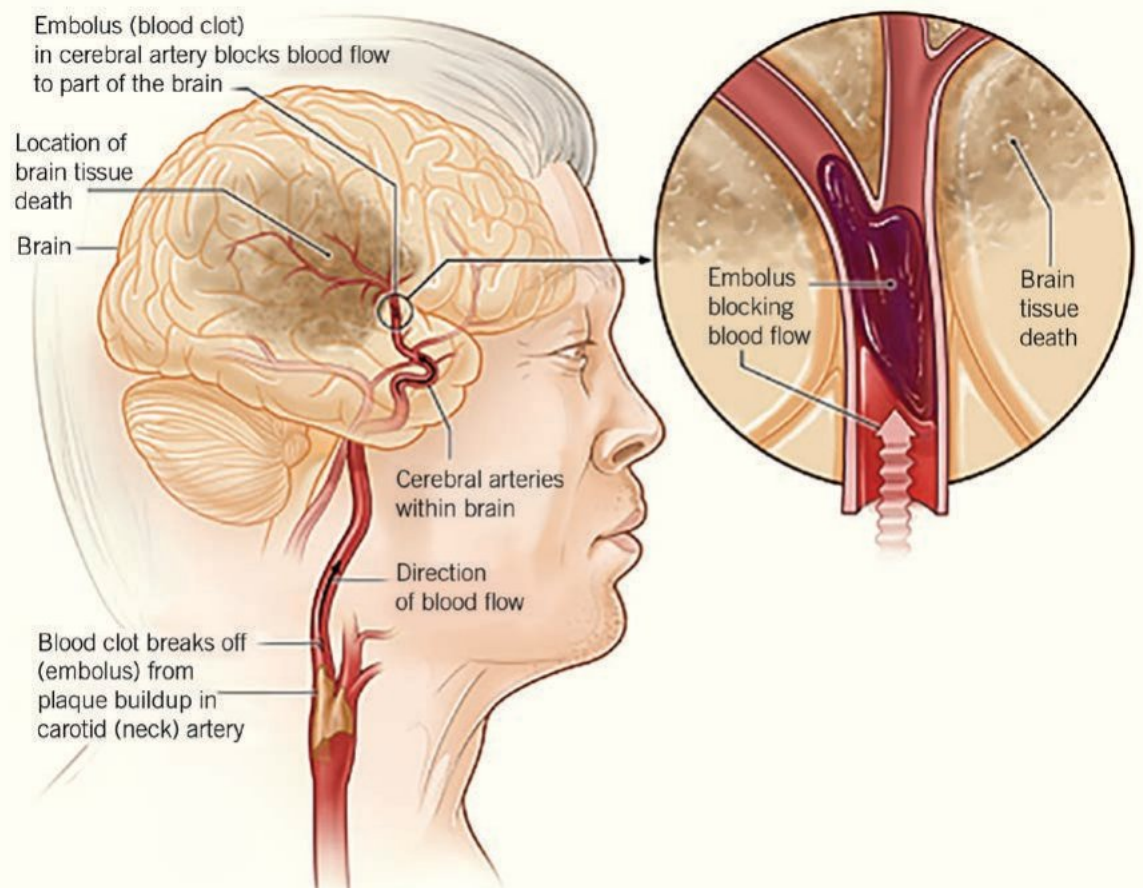
A stroke involves either an interruption to the brain's blood supply or bleeding from blood vessels in the brain. Both cause death of brain tissue. Because blood carries oxygen and nutrients to the brain, when blood cannot reach brain tissue through the arteries, neurons and other brain cells die.
Types and causes of stroke
Strokes are characterised by their mechanism:
- Blood clots blocking blood vessels in the brain
- Gradual closure of blood vessels
- Severe bleeding from ruptured vessels
Risk factors
Whilst stroke can affect anyone, certain factors increase risk:
- Males have greater risk than females
- Risk increases with age, especially after 85 years
- Hypertension (high blood pressure)
- Unbalanced diet high in unhealthy fats and salt
- Diabetes
- Physical inactivity
- Heavy alcohol use
- Tobacco use
- Excess weight
Effects and symptoms
Following a stroke, people can experience symptoms of varying severity depending on which brain region is affected and the extent of blood deprivation. Potential effects include:
- Loss of sensations
- Communication difficulties such as aphasia
- Visual problems
- Loss of consciousness
- Lack of coordination
- Cognitive distortions including confusion or disorientation
- Paralysis
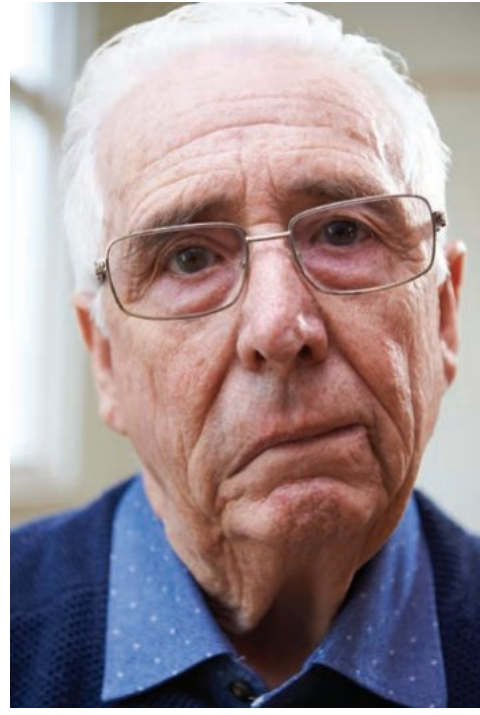
Many stroke survivors become dependent on others for care, and stroke recurrence is common. Development of dementia following stroke also occurs frequently. A large proportion of stroke survivors suffer long-lasting disability, and stroke ranks among the leading causes of death in many countries.
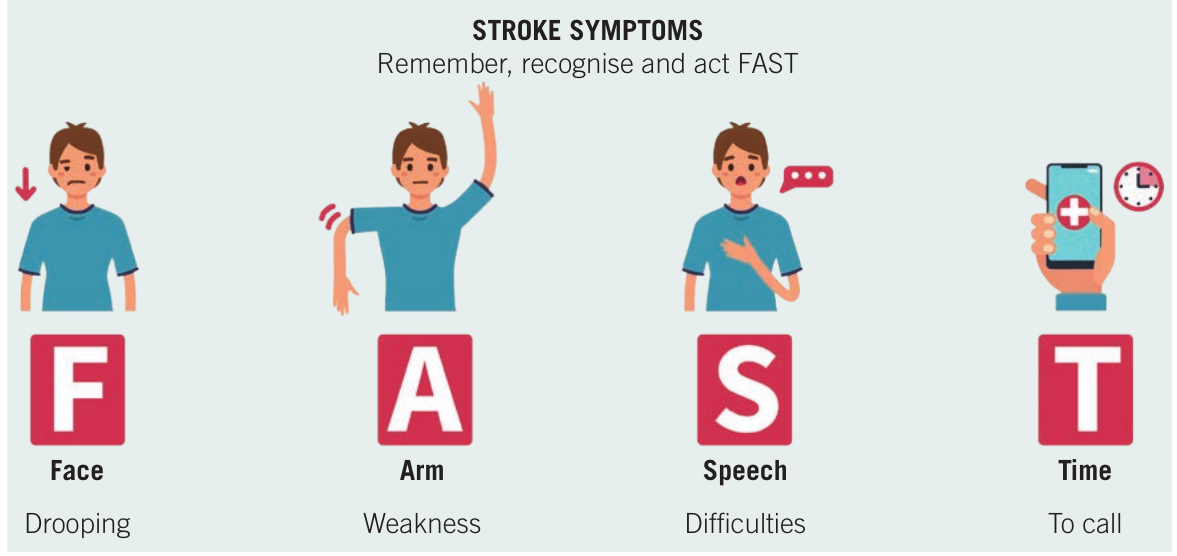
Emergency response: The FAST acronym
Important
Stroke is a Medical Emergency
Stroke requires immediate treatment to minimise damage. The interruption of blood supply to a brain area can take several hours to have its full effect, creating a small time window when medical treatment can disrupt or even reverse the stroke process. Salvaging at-risk tissue can minimise the neurological deficits and disability that would otherwise result.

The FAST acronym helps bystanders identify stroke symptoms:
- Face: Has their face drooped?
- Arms: Can they lift both arms?
- Speech: Is their speech slurred and do they understand you?
- Time: Time is critical—call an ambulance immediately
Note
Recovery from stroke is variable and depends on the person's age, the size of the damaged area, and the treatment and rehabilitation received. Task repetition and task-specific practice can produce significant brain changes through neuroplasticity processes.
The biopsychosocial approach to understanding ABIs
The biopsychosocial approach provides a comprehensive framework for understanding how acquired brain injuries affect people. This approach recognises that biological, psychological, and social factors combine and interact to influence a person's development, health, and wellbeing.
Note
This approach is particularly valuable because it acknowledges that each person is different and experiences a unique combination of influences. Each factor can be viewed from both positive and negative perspectives, functioning either as a risk factor or a protective factor for health and wellbeing. Importantly, these factors interact with and influence one another.
Biological factors
Biological factors relate to the body's physiology and physical functioning:
- Genetics and genetic vulnerabilities
- Nervous system functioning
- Neurochemistry (chemical processes in the brain)
- Hormone functioning
- Effects of medication, diet, alcohol, or drugs
- Disability
- Disease or disorder
- Physical health and illness
- Stress or immune response
Psychological factors
Psychological factors involve mental processes, thoughts, and emotions:
- Thoughts and thinking patterns
- Regulation of emotions
- Perceptions and interpretations
- Self-esteem and self-concept
- Personality traits
- Coping skills and resilience
- Attitudes and beliefs
- Memory and learning abilities
- Expectations
Social factors
Social factors encompass relationships, life circumstances, and environmental influences:
- Social support networks
- Interpersonal relationships
- Peer influences
- Family circumstances
- Exposure to stressful or traumatic events
- Socio-economic status
- Culture and cultural background
- Lifestyle choices
- Environmental surroundings
- Access to medical care
When applying the biopsychosocial approach to ABIs, consider whether a factor affects the person's:
- Physiology or bodily functions (biological)
- Thoughts and mental processes (psychological)
- Interactions with others, life events, and physical surroundings (social)
Remember!
Summary
Key Points to Remember:
-
Acquired brain injuries (ABIs) are injuries to the brain that occur after birth, resulting from causes such as physical trauma, disease, oxygen deprivation, poisoning, or brain tumours
-
ABIs produce effects across three domains: biological (physical and sensory changes), psychological (cognitive and emotional changes), and social (relationship and communication difficulties)
-
The four main types of ABI covered in this course are traumatic brain injury (TBI), aphasia, concussion, and stroke, each with distinct causes, mechanisms, and effects
-
Wernicke's aphasia affects speech comprehension (in the temporal lobe) whilst Broca's aphasia affects speech production (in the frontal lobe), though both involve language impairment without loss of intelligence
-
The FAST acronym (Face, Arms, Speech, Time) helps identify stroke symptoms and emphasises the importance of immediate medical attention to minimise brain damage and disability