Impact on Society (AQA A-Level History): Revision Notes
📚Revision Notes
Impact on Society
📌 What patronage did each of these Nevilles receive under Edward during his first reign?
Richard Neville (Warwick)
- May 1461: Admiral of England, Great Chamberlain, Captaincy of Calais Constable of Dover, Warden of the Clique Ports (five coastal towns in Kent and Sussex)
- April 1462: Captain of Carlisle
- April 1465: Lord of Cockermouth
- Nov 1466: Custodian of Trent forests
- Nov 1467: custodian of Francis Lovell
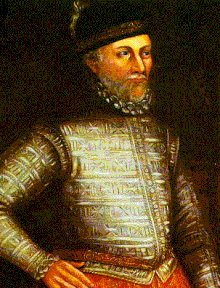
Richard Neville (Warwick)
John Neville (Montagu)
- May 1463: Warden of the East Marches in Scotland
- May 1464: created Earl of Northumberland
- July 1466: Sheriff of Northumberland
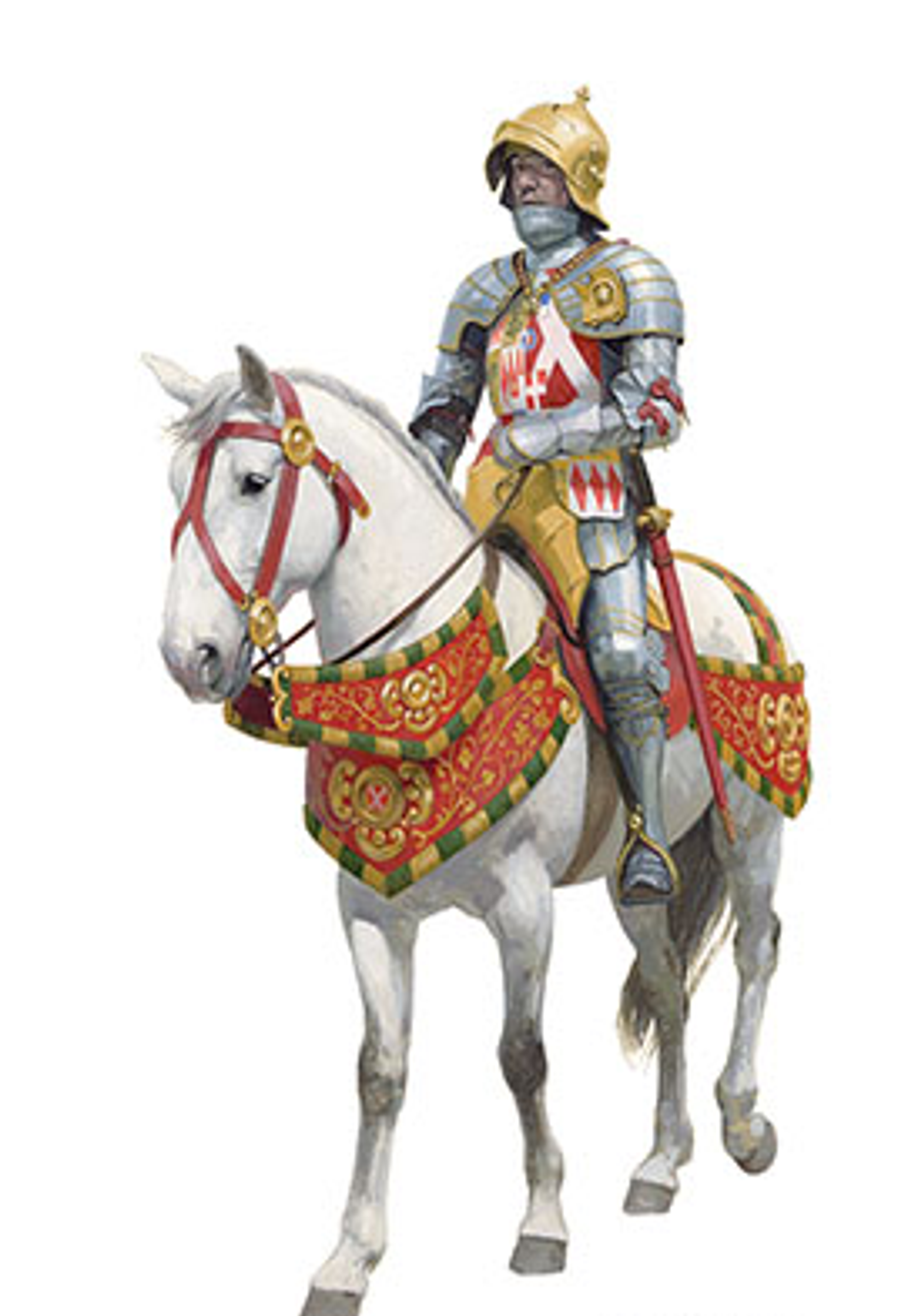
John Neville (Montagu)
George Neville (Bishop of Exeter/Archbishop of York)
-
May 1461: Bishop of Exeter
-
Sept 1464: Archbishop of York
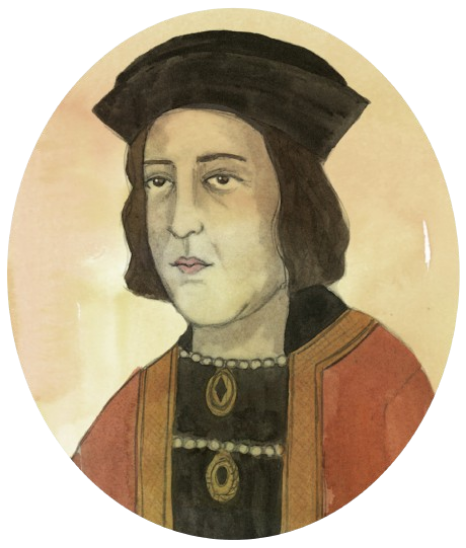
George Neville
William Neville (Lord Faucenberg)
- Feb 1462: Earl of Kent
- July 1462: Admiral of England
- August 1462: manors throughout the West Country and the North
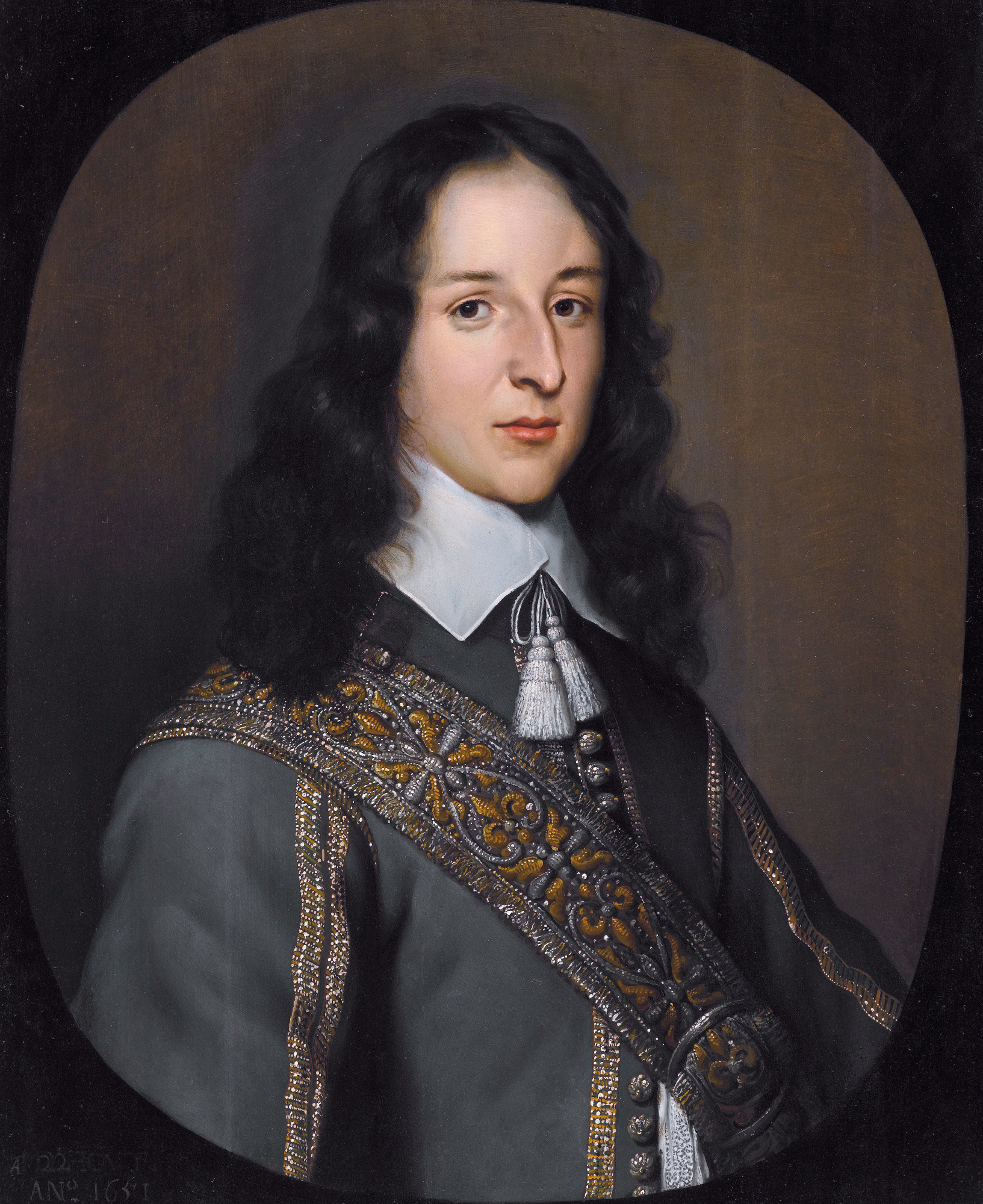
William Neville (Lord Faucenberg)
Note
During Edward's first reign, he gave patronage to a new line of nobles as he could no longer rely on the old court, as it was full of Lancastrians.
William, Lord Hastings
- Duchy of Cornwall, 1461
- Earl of Pembroke, Nov 1468
William, Lord Herbert/Earl of Pembroke
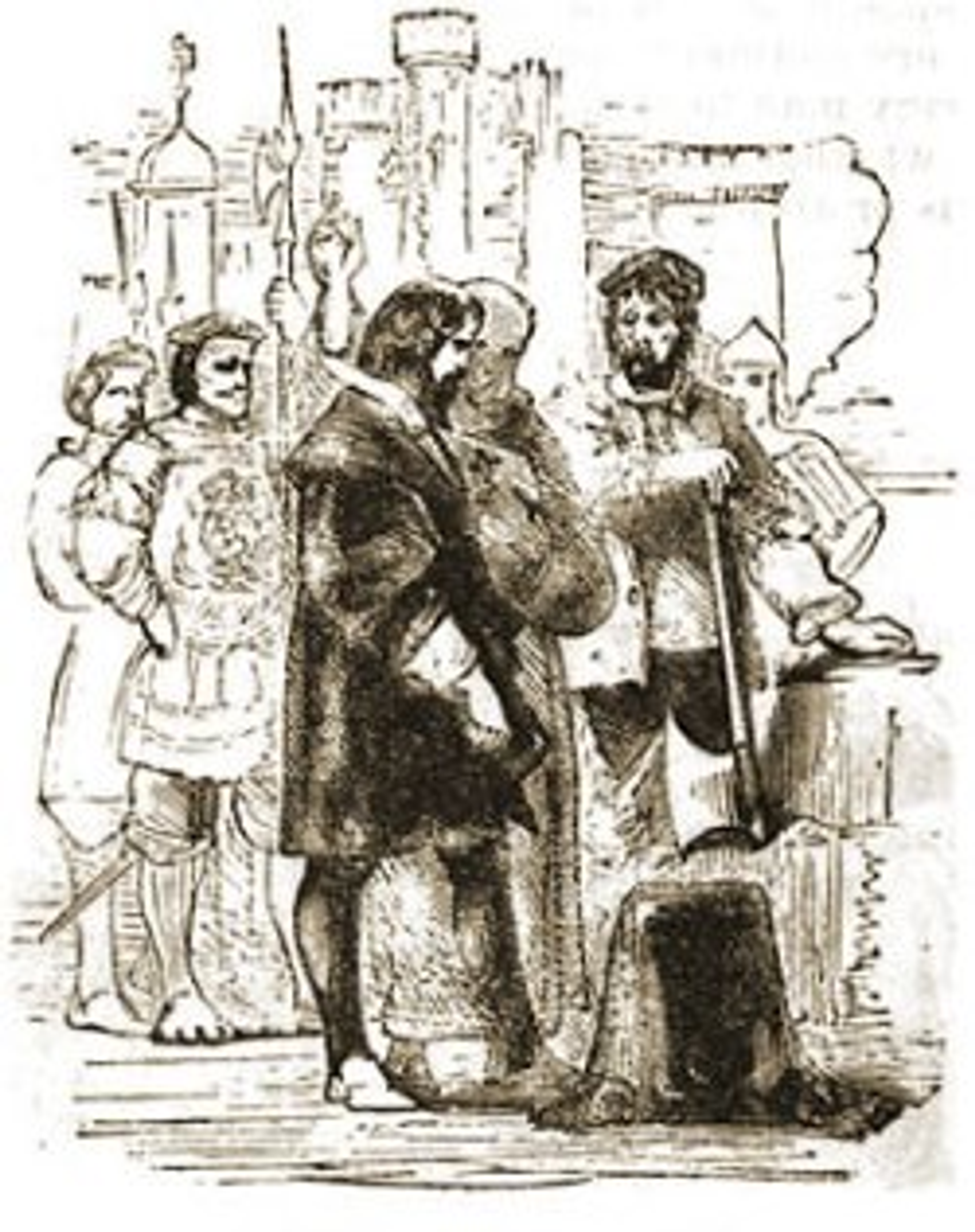
Lord Hastings
Humphrey, Lord Stafford/Earl of Devon
May 1469: Earl of Devon
John Tiptoft, Earl of Worcester
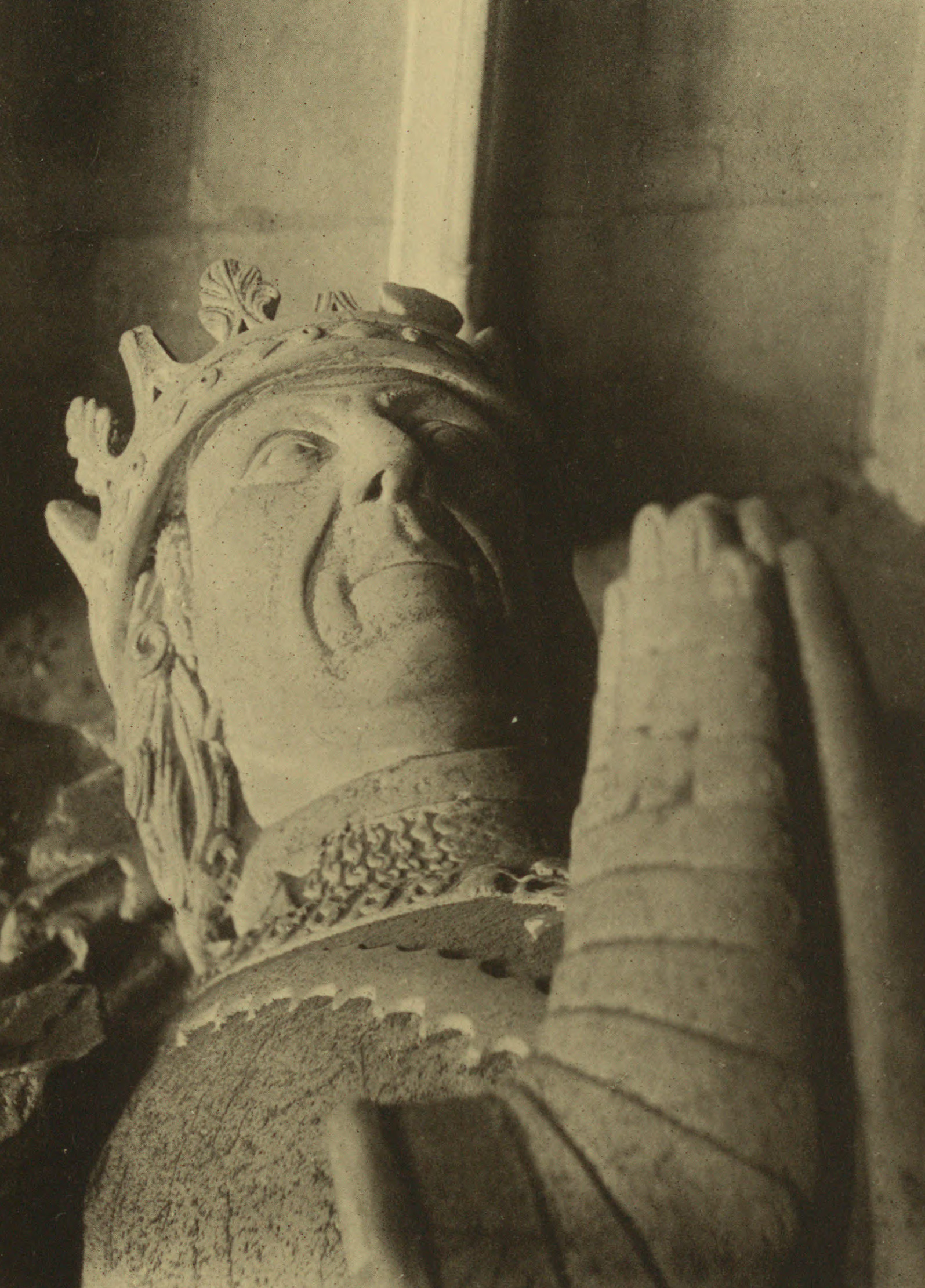
Earl of Worcester
Queen Elizabeth Woodville
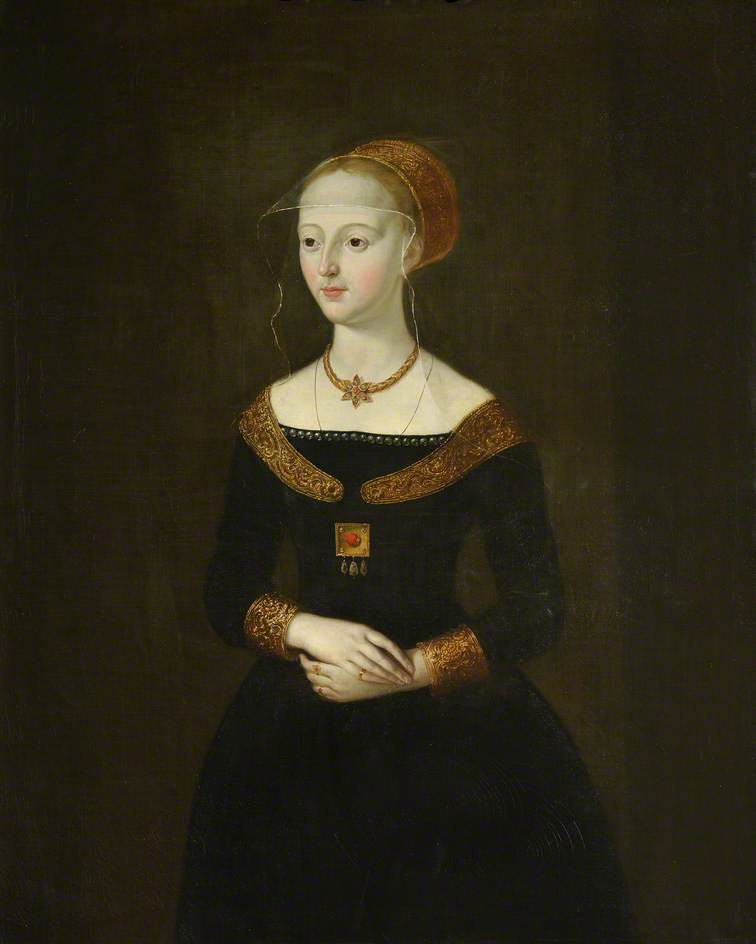
- Lordship, manors, land etc.
Richard, Lord Woodville/Earl Rivers
- Baron, general pardon
- Confirmation of dower assigned to Jaquetta of Luxemburg
- Constable of England 1467
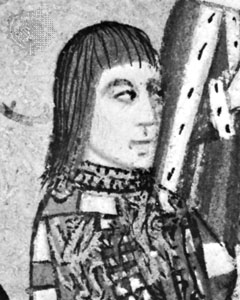
Richard, Lord Woodville/Earl Rivers
John, Lord Wenlock
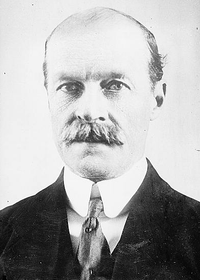
Lordships, manors, etc
📌 How far did Edward IV allow social mobility?
📌 Could these people achieve social mobility?
An apprentice
- Could become a master craftsman or merchant
- They could inherit a business from their master or by marriage
- They could also just use their own skills and business acumen
A lesser Landlord
- After a population drop of between 30-40% due to the black death, the availability of land increased
- Those with non-landed wealth could buy into the land, raising their social status
- Or they could marry into an inheritance
A woman of the night
- Pretty much impossible
- They were breaking the law and causing problems for the authorities
A merchant
- Could aspire to join the ranks of the landed gentry
- They could take on apprentices and sell supplies and goods, even to the royal court
Background to the Paston family
- Started by a farmer named Clement who took his name from the village of Paston near the northeast Norfolk coast
- Only son, William Paston, born in 1378 managed to acquire an education, rose rapidly through the law and began buying land in the north of the country
- William was able to socially progress through several means:
- The purchase of land – he was able to acquire wealth to set a base for social progression through this
- He married his children well – William married Anne Beaufort, John Paston married Margaret Mautby (a wealthy landowner's daughter), Elizabeth married Sir Richard Poynings (whose mother was Elizabeth Grey)
Note
The Paston family's rise began with Clement, a farmer from Paston village in Norfolk. His son, William Paston, born in 1378, advanced through education and the law, acquiring land and wealth. William's social ascent was further secured through strategic marriages: he wed Anne Beaufort, while his children married into wealthy families, including Margaret Mautby and Sir Richard Poynings.
📌 Through what means were the Paston family primarily able to rise?
- In 1448 Paston's manor of Gresham was seized by Robert Hungerford, Lord Moleyns
- It was afterwards recovered
- Paston had become intimate with the wealthy knight Sir John Fastolf, who was a kinsman of Paston's wife Margaret
- She had employed him on several matters
- After his death in 1459 Fastolf left his affairs in disorder
- He left many of his estates in Norfolk and Suffolk to Sir William Yelverton, John Paston and his brother William
- However two days before his death, according to John Paston, Fastolf had made a spoken will in which he gave all his lands to Paston for a payment of 4000 marks and the duty of founding a college at Caister
- Paston's claims were challenged
- Different noblemen claimed his estates
- Paston fell under the threat of violence
- A feud broke out between John de la Pole, Duke of Suffolk, and the Pastons under Margaret and her eldest son, John
- Caister Castle was seized by John Mowbray (3rd Duke of Norfolk)
- In 1460 and 1461 Paston returned to parliament as a knight of the shire for Norfolk
- Being in the favour of Edward IV he regained possession of Caister Castle
- He then fell out of favour and was imprisoned on three occasions
- He died in May 1466
Note
In the mid-15th century, John Paston faced a turbulent period involving the disputed inheritance of estates left by his ally Sir John Fastolf, including a contentious claim to Caister Castle. Despite initial setbacks and a violent feud with the Duke of Suffolk, Paston regained favour with Edward IV and reclaimed Caister Castle. However, his fortunes fluctuated, leading to multiple imprisonments before his death in May 1466.
John Paston's sons and descendants
-
He left five sons
-
The eldest, Sir John Paston had been knighted during his father's lifetime
-
He was frequently at the court of Edward IV
-
Afterwards favoured the Lancastrian Party and with his younger brother (also named John) fought for Henry VI at the Battle of Barnet
-
The struggle over Paston's estates continued
-
In 1461 the King declared Paston's ancestors were not bondmen and his title to his father's lands was valid
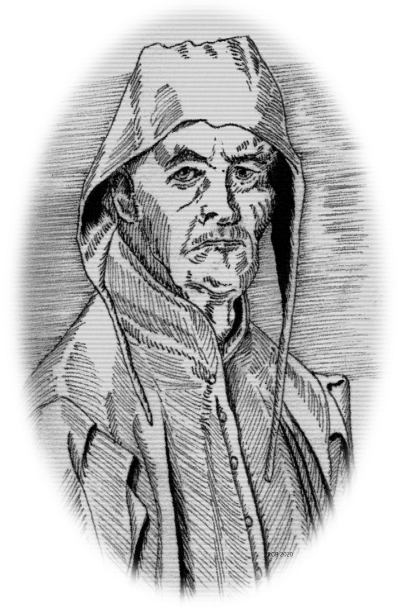
Mediaeval Pastons -
In 1474 an arrangement was made with William Waynflete, Bishop of Winchester, by which some of the estates were surrendered for charitable purposes
-
Paston was secured in the possession of others
-
Two years later the death of the Duke of Norfolk made the restoration of Caister Castle possible
-
In 1478 a quarrel broke out with John de la Pole, 2nd Duke of Suffolk
-
Sir John Paston, who was a cultured man, was anxious to recover Caister but left the task to his mother and the younger John
-
Owing to his carelessness and extravagance the family lands were also diminished by sales
-
When he died unmarried in Nov 1479, he still left a substantial inheritance to his younger brother John
-
The family continued to flourish
Note
Sir John Paston, the eldest son of the Paston family, was knighted and actively involved in the court of Edward IV. Though he initially supported the Lancastrian cause and fought for Henry VI, the struggle over his family's estates persisted. By 1461, the King confirmed his rightful claim to his father's lands. In 1474, an agreement with Bishop Waynflete led to the surrender of some estates for charity, but Paston's efforts to restore Caister Castle were hindered by conflicts and his own extravagance. He passed away in 1479, leaving a significant inheritance to his younger brother, ensuring the family's continued prominence.
📌 How far did Edward IV create a 'new monarchy'?
John R Green argues:
- New Monarchy – the destruction of the power of the nobility as well as traditional protections against arbitrary taxation, legislation and imprisonment – argued Edward was the start of this
Edward and the Nobility
- Despite problems with Clarence, Edward was well-suited to managing his nobles
- Understood that gov was most effective when based on cooperation between King and nobles
- Nobles respected his military skills
- Shared his enthusiasm for chivalry and appreciated his willingness to involve and trust them in government
- Edward continued using the policy from before 1469
- This meant the use of trusted supporters to control large regions
- Chosen for effectiveness in maintaining royal control, not just loyalty
- Edward's deployment of these noblemen gave control over regions he had not previously possessed
- Edward excluded the local power of high-ranking individuals to increase royal authority
- E.g. Edward set up a council in the name of his eldest son in Wales
- It was headed by Anthony Woodville, and Earl Rivers and based at Ludlow
- Gave Edward more direct control over that region
Note
Despite issues with Clarence, Edward IV excelled in managing his nobles by fostering cooperation between the monarchy and the nobility. He valued military prowess, shared enthusiasm for chivalry, and involved trusted supporters in governance, ensuring effective regional control and strengthening royal authority, exemplified by setting up a council in Wales led by Anthony Woodville, Earl Rivers.
Justice and Order
-
The use of nobles played an important role in delivering justice
-
The use of the Gentry network in every county was also important
-
Many gentlemen developed links to Edward by becoming members of the Royal Household. This included taking up offices like Knight or Esquire of the King's Body
-
These roles meant they were in close contact with the King for a part of every year. This enabled a sense of trust to develop
-
The gentry became the eyes and ears of the King in their counties
-
They provided information and carried out his commands There were weaknesses, however:
-
Edward was predominantly concerned with disorder that threatened political stability and his hold on the throne
-
He stamped down on the dispute in the north-west between the Harrington and Stanley families
-
This resulted in criticism of his failure to punish those men in power by the Commons in Parliament
-
Possible that Edward paid less attention to run-of-the-mill crime or disorder initiated by trusted nobles
Note
Edward relied heavily on nobles and the gentry to maintain order and justice, with many gentlemen becoming close to the King through roles in his Royal Household. This created a network of trust and ensured the King's commands were carried out efficiently. However, Edward's focus on political stability led him to overlook lesser crimes and disorder among his trusted nobles, resulting in criticism from the Commons.
Changes in government methods
- Edward used patronage in a way that many members of the nobility owed their position directly to him
- This was done without subverting or destroying the power of the nobility
- Edward's use of parliament was innovative
- He called them infrequently but for longer sessions
- He took control of royal finances
- Edward made key decisions but was not alone
- Decisions were sought by petitions, complaints, parliamentary bills, and close advisors
- Relied on household men who were knights, esquires, yeomen and chaplains and relied upon the administration of his Council
- Worked well with Parliament and avoided serious clashes