Rule of Edward IV (AQA A-Level History): Revision Notes
📚Revision Notes
Rule of Edward IV
📌 First Reign
Edward's Financial Policy:
Edward inherited £372,000 in debt to the throne from Henry VI
Parliament
- Their main role was not Law and Order, Its role was merely to pass laws and taxes
- Edward only called them for a total of 84 weeks between 1471-83
- Commons: MPs to represent the counties and boroughs by the landed gentry
- The King would not speak to them, only the lords and his councillors and a speaker who would relay information to the Commons
- Lords: greater authority over the House of Commons due to tradition
- Divided into: The Lords Spiritual (Archbishops, abbots, etc.)
- The Lords Temporal (Layman Peers)
Ordinary revenue
Crown Lands
- Edward's own lands
- The only way to increase ordinary revenue was to maximise income from the Crown Lands
- This was collected more efficiently
- Included Edward's personal estates as Duke of York, the lands of the Duchy of Lancaster and all properties confiscated or forfeited for treason (e.g. Clarence)
- By 1482-3 Edward was enjoying an annual income of £30,000
Customs Duties
- At the beginning of Edward's reign customs duties on imported goods made up the largest part of the King's income
- Principal duties were on wool, leather, cloth and wine
- Many of these had not changed since 1347
- Average annual yield had increased from £25,000 to £35,000 under the reign of Edward IV
Profits of Justice
- Income came in two ways:
- The fees paid by those involved in a court case for the legal writ or summons necessary for any case to begin
- Provided the King with a continuous income that varied between £300 and £800 per annum
- The fines levied by the courts as punishment were the second source of income
- The amount raised was irregular as it depended on the number of cases heard in court
- The sums were often considerable
Feudal Dues
- Paid by those who held land from the King
- The King was owed certain obligations by his tenants-in-chief
- They in turn were owed the same duties by their tenants
- These included wardship, marriage, livery, and relief fines
- Edward collected around £550 per annum from this source of income
Extraordinary revenue
Parliamentary grants
- The main form of revenue was a sum of money granted by parliament for emergencies. These were things like war or defence, Edward was careful not to misuse these rights
- He was aware his subjects were prepared to help him when national interest was threatened
- The usual tax levied was a national assessment
- This was a fifteenth (countryside) and a tenth (towns) of the value of a subject's income
- Several grants could be levied in one session of parliament
- In 1473 this brought in £30,000
- When Edward needed money for the French war he tried another form of income tax
- It failed however and only half of the expected £60,000 was collected
- The directly assessed subsidy was viewed with suspicion by the parliament
- They insisted that no precedents were to be set and no returns were to be recorded
Note
Edward IV relied on emergency grants from Parliament for crises such as war and defence. Typically, he used a national assessment tax, which was a fifteenth on countryside incomes and a tenth on town incomes. In 1473, this method raised £30,000. However, when he sought additional funds for the French war through a new form of income tax, it fell short, collecting only £30,000 of the anticipated £60,000. This new tax was met with parliamentary suspicion, leading them to insist that no precedents be set and no returns be recorded.
Loans and benevolences
- These were loans from richer subjects in times of emergency
- If these were not forthcoming Edward turned to benevolence: this was a forced loan
- Introduced in 1475 whilst he was preparing to invade France
- The benevolence was a general tax more far-reaching than the fifteenth and the tenth
- Subjects were asked to contribute to the King's expenses as a sign of their goodwill towards him
- It was an effective way of raising money if not overused
- Edward collected nearly £22,000 with this method
French Pension
- The Treaty of Picquigny brought the Crown an annual pension of £10,000
Clerical Taxes
- The King was entitled to tax the Church
- Edward did not fully exploit this source of income
- He made no demands other than that convocation collect and pay the usual clerical tenths
- This was to keep the Church on his side
- Between 1472 and 1475 the Church paid Edward £48,000
📌 Why did Edward's foreign policy change throughout his second reign?
- Troubled relationship
- Leader: Louis XI
- Oct 1463: signed a truce to not support Henry and peace with Burgundy
- Nov 1467: following the English support of Burgundy, France in turn support Jaspar Tudor in Wales against Edward at Harlech Castle
- 1470: Louis XI brings Warwick and Margaret of Anjou together and provides financial and military support for an invasion to depose Edward and put Henry back on the throne
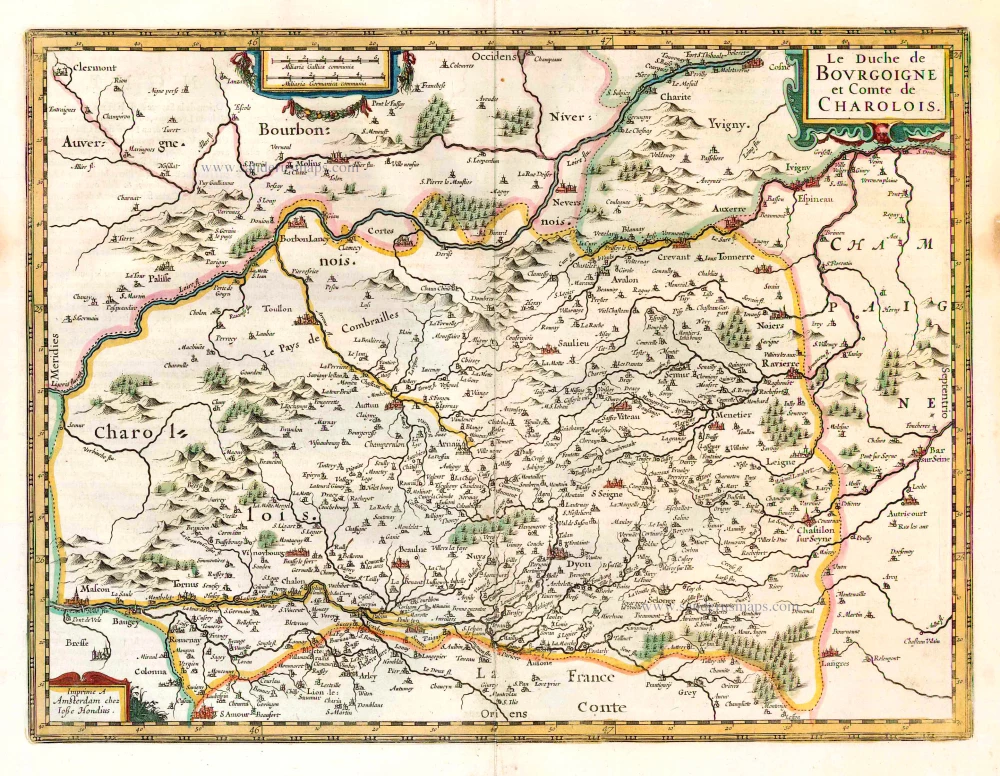
Burgundy
- Strong relationship
- Leader: Philip of Burgundy
- Nov 1467: England signs a commercial treaty to improve wool exports
- 1468: Edward marries his sister to Philip's son Charles the Bold, forging a stronger alliance between the two countries
- 1470: Burgundy take in Edward when he is forced off the throne and helps him regain it in 1471
Burgundy
Scotland
- Conflict then peace
- Leader: James III (only aged 10 so regent is his mother, Mary of Guelders)
- Was a safe haven for Henry and Margaret so they launched a series of invasions into northern England
- July 1463: James sent a Lancastrian army into England but was repelled by Warwick
- Dec 1463: sign a truce not to support Henry VI
Scotland
Edward's second reign
- Foreign policy in the 1460s was focused on the defeat of Lancastrian enemies and their foreign supporters as his position was still not secure
- By 1471 there was no firm Lancastrian resistance
- Henry Tudor possessed no real support
- Edward's main change to his foreign policy was that now he took charge as opposed to allowing the likes of Warwick to build dangerous international alliances.
- Edward's focus was on a campaign in France as they no longer faced domestic threats. This meant he could focus on international expansion. Edward wanted to move past the War of the Roses
- Edward wanted to follow the great military conquests of Henry V and Edward III
- Intended to punish Louis XI for his role in Warwick's rebellion and Henry VI's readeption
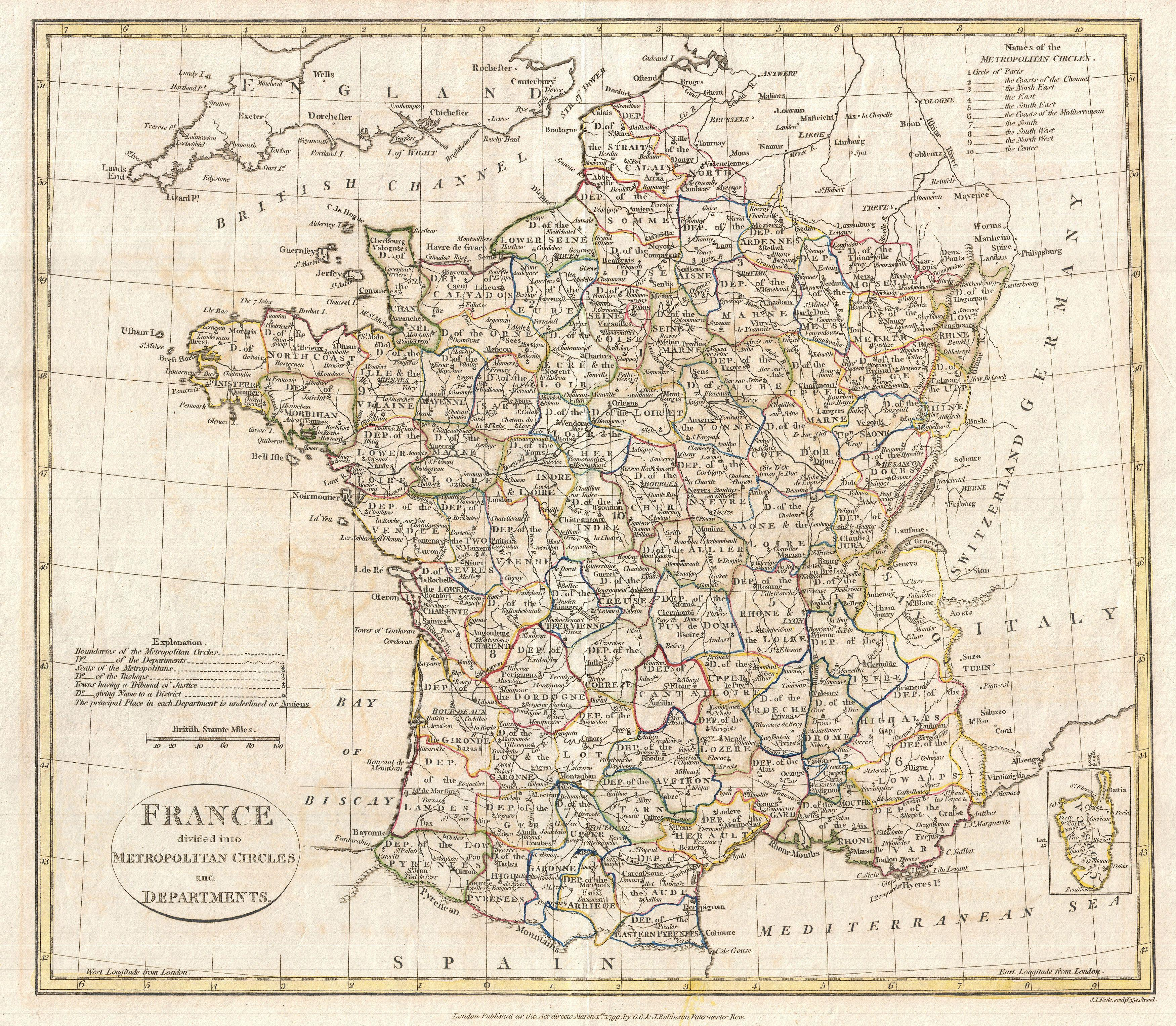
France
- Edward wanted revenge on Louis because of his support for Warwick and Margaret
- Louis had also given refuge to Jaspar and Henry Tudor in 1471
- Edward was concerned with the defence of Calais
- Planned an invasion of France
France
Scotland
- Edward had to make sure there was no threat of invasion from Scotland before a war with France
- He negotiated a treaty with James III in Oct 1473
- Edward offered his daughter's hand in marriage to James' son
- He also offered 20,000 crowns
- The betrothal would last until both came of age, allowing at least a decade of peace
- The truce lasted until 1481
- Edward was determined to invade Scotland after they had broken the truce by raiding the border towns of northern England
- Gloucester led the army into Scotland, and it was successful
- They captured Edinburgh
- The Scottish army retreated rather than fought
- Gloucester then withdrew the army
- James then came to terms with Edward
Burgundy
- Edward tried hard to make alliances with Burgundy and Brittany as he hoped to exploit their fear and hatred of France. He wanted to persuade them to join him as allies in a war against France, he was met with limited success
- The Dukes of Burgundy and Brittany were reluctant to stir up France against them, it was only when France threatened them they turned to Edward for support
- In 1472, Edward sent 3000 archers to aid Brittany when the French invaded
- When the invasion failed, Duke Francis II of Brittany signed a treaty with Edward
- He promised 8000 troops should England invade France
- Charles Duke of Burgundy was less willing to support England but did all he could to avoid confrontation
- The Treaty of London ratified in 1474, agreed that if the French attacked either nation, the other would come to its aid
Invasion of France
- By 1475 Edward was ready to invade France
- He led an army of over 12,000 well-trained, well-armed men
- They made their way from Calais into northern France
- The troops Duke Francis promised did not turn up
- The French army kept its distance
- They hoped to draw the English away from their supply lines
- Frustrated by the failure to force France into battle, Edward sued for peace
- Louis XI was relieved – he did not want a prolonged war
- The two kings met at Picquigny on the Somme
- They signed a treaty in August 1475
- The treaty agreed on a seven-year truce, and Edward was paid £15,000, followed by an annual pension of £10,000
- Edward now had little to fear from France or any other of its continental neighbours
📌 Which relationships saw the greatest change by 1483?
France – there was no longer the threat of invasion from them, and a peace treaty was signed (Louis XI did not want a prolonged War)
📌 How did Edward's foreign policy help him consolidate his power by his death in 1483?
It removed any threat of invasion or domestic issues and showed his ability to make solid alliances
📌 How far did Edward achieve his foreign aims?
He didn't fully achieve all that he wanted, he didn't expand English lands in France – but he did create alliances and relatively strong peace
"To what extent did Edward's foreign policy change between his first and second reign?"
Whilst Edward's foreign policy changed in a few small ways, there wasn't a particularly significant change in the relations between England and its neighbouring countries. Edward did create peace with France, Scotland, Burgundy and Brittany however, and formed some alliances. On the other hand however, not much had changed.
📌 Social Mobility and Societal Impact Revision
Under Edward's reign
- Social mobility became easier
- Henry had very much continued a patronage policy towards old favourites
- E.g. the Beaufort Family
- Edward's marriage to Elizabeth Woodville gave hope to lesser families for social progression
Paston Family
- Started by a farmer named Clement
- Took his name from the village of Paston
- Their only son William Paston born in 1378 managed to acquire an education
- He rose rapidly through the law
- Began buying land in the north of the country
- William was able to socially progress through several means:
- The purchase of land: was able to acquire wealth to set a base for social progression
- Married his children well: William married Anne Beaufort, John Paston I married Margaret Mautby (a wealthy landowner's daughter), Elizabeth married Sir Richard Poynings whose mother was Elizabeth Grey
Note
William Paston, born in 1378, transformed his family's fortunes from humble beginnings. With strategic land acquisitions and advantageous marriages, he rapidly advanced socially and professionally. His marriage to Anne Beaufort and his children's unions with wealthy landowners like Margaret Mautby and Elizabeth Grey played crucial roles in his rise.
Woodvilles
- 1465: Catherine, Duchess of Norfolk married John Woodville (he was 20, she was 80)
- 1464: Margaret Woodville marries Lord Maltravers, heir of the Earl of Arundel
- Henry Duke of Buckingham married Catherine Woodville
- Lord Rivers was given Treasurer of England in 1466 (to the "displeasure" of Warwick and other magnates)
- Thomas Grey was married to Lady Anne of Exeter
Elizabeth's sisters were married off to other magnates
- Anne Woodville to William, son and heir of Earl of Essex
- Eleanor Woodville to Anthony Grey Ruthin, son and heir of Earl of Kent
- William, Lord Herbert's son was married to Mary Woodville
- 1466: Edward keeps Whitsun and makes Earl Rivers a Lord
- Thomas Lord Lise married Lord Herbert's daughter
- Herbert's heir was knighted and made Lord Dunster
- Warwick and many other magnates were greatly displeased by all this
Edward's second reign
- Thomas Grey made Earl of Huntingdon in 1472
- 1475 he was made Marquess of Dorset
- Had a long-running dispute with Lord Hastings
- Thomas and Richard Grey were to share the estates of Exeter because of Thomas's marriage to Anne St Leger, heiress to the Duchy of Exeter
- Gloucester may have held Earl Rivers responsible for the death of Clarence
- Rumours were circulated that Thomas Grey and Earl Rivers planned to betray Calais to the French
- Jealousy between the Woodvilles and Edward IV's blood relatives
- Edward insisted on promoting the Woodville interests in the face of opposition from powerful magnates of the realm
Note
Thomas Grey, made Earl of Huntingdon in 1472 and Marquess of Dorset in 1475, faced long-standing disputes, particularly with Lord Hastings. His marriage to Anne St Leger, heiress to the Duchy of Exeter, was meant to secure Exeter's estates. Tensions with Gloucester, rumours of betrayal of Calais, and the rivalry between the Woodvilles and Edward IV's blood relatives characterised his turbulent political landscape, further complicated by Edward IV's insistence on advancing Woodville's interests against powerful opposition.
📌 What was the political impact of Edward's marriage to Elizabeth Woodville?
- Warwick tries to be dominant in the decision of who Edward should marry
- Elizabeth was a widow – she had been married to Sir John Grey
- Edward was pledged to marry Eleanor Butler
- In May 1465 Elizabeth Woodville was crowned Queen. Warwick did not attend
- Elizabeth is regarded by many as the enemy – her family were Lancastrian
- Warwick feels betrayed
- October 1461: Philip of Burgundy was approached about a match to one of his nieces
- However, this did not go ahead until 1464 once Edward was more securely on the throne
- A match with Burgundy would be a strong alliance against France
- Henry of Castile offered his sister as a bride but was rejected
- Warwick had his own designs for Edward to marry the French Princess Bona of Savoy
- Despite Edward's surprise marriage to Elizabeth Woodville in May 1464, foreign relations improved as Edward was seen as a stable monarch to create alliances with
- In 1467 Edward married his sister Margaret to Charles, Duke of Burgundy
Note
Warwick's dominance over Edward's marriage decisions faltered when Edward secretly wed Elizabeth Woodville in May 1464. Elizabeth, a widow and Lancastrian by family, was a significant political shift, sidelining Warwick's plans for alliances with Burgundy and France. Despite this, Edward's unexpected marriage ultimately strengthened his position, leading to improved foreign relations and a strategic alliance with Burgundy through his sister Margaret's 1467 marriage to Charles, Duke of Burgundy.
The French
- Warwick made plans to have Edward marry the French Princess Bona of Savoy in order to form an alliance
- The conference arranged where they were to meet with Louis XI had to be postponed until October 1464 due to disturbances in the North of England
- Despite Edward's marriage to Elizabeth Woodville and therefore rejecting the Princess, the relations in France were not drastically affected by this
- An undermined Warwick had to continue to work on an alliance with France now without the promise of a marriage treaty
Edward IV
- There were no political motivations for the marriage
- It appeared to be an impulsive decision
- He seemed to know that the marriage was unsuitable, hence it taking place in secret (and away from Warwick)
- It is not clear when Edward and Elizabeth first met or first began their relationship
- The marriage was a statement of 'you can't control me' to Warwick and others
- He also just thought she was beautiful
Warwick and the Nevilles
- Warwick felt betrayed as the marriage had taken place without his knowledge
- Warwick felt undermined by Edward as he had to seek an alliance with France without the promise of a marriage treaty
- Elizabeth was a Lancastrian widow
- Edward had married Elizabeth in secret, knowing she was seen as an unsuitable match
- Warwick had a declining influence on the King
- The marriages of the Woodvilles angered Warwick
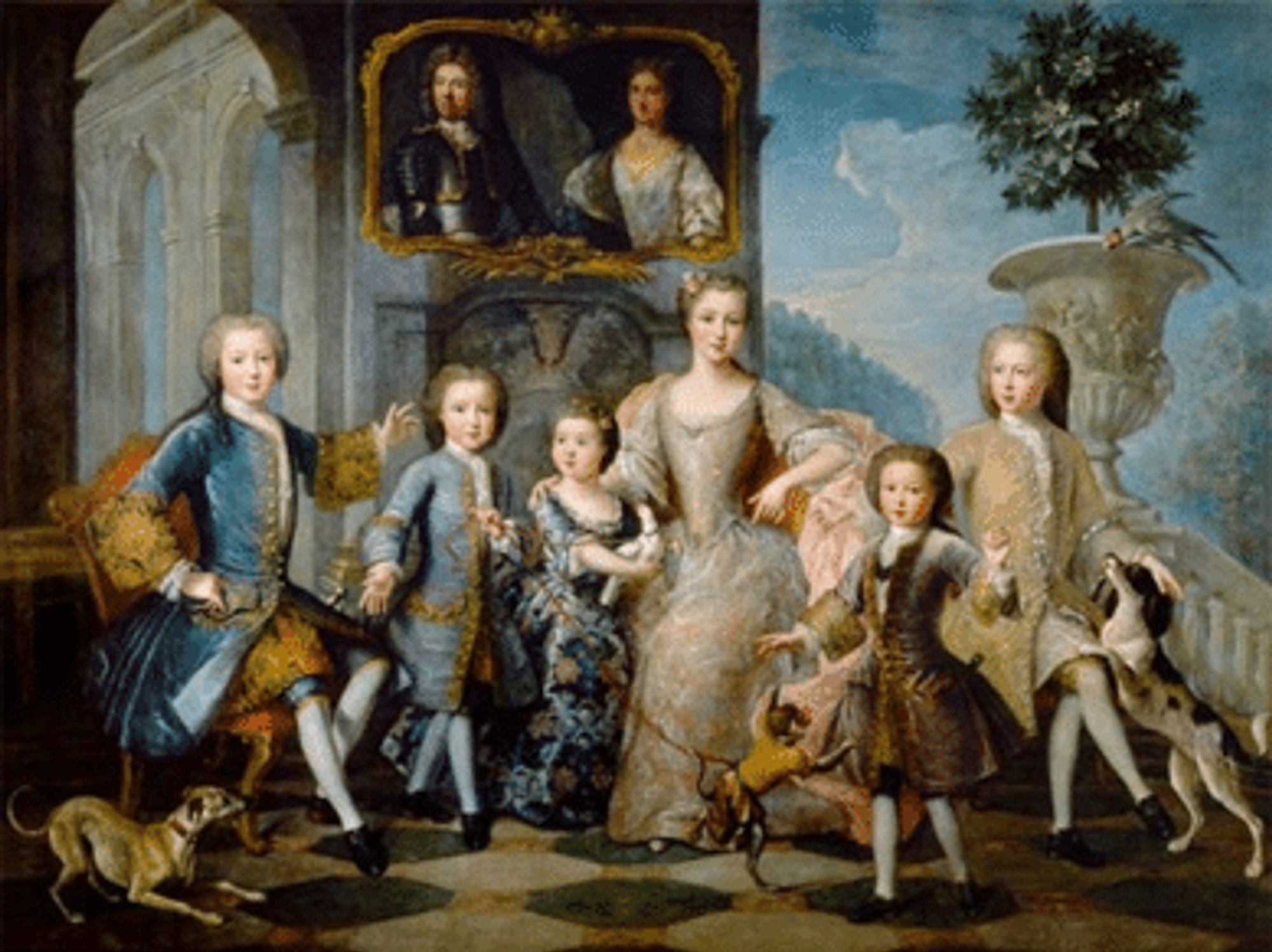
The English Nobility
- Thought Elizabeth was not worthy
- Elizabeth had been married before, as had her mother
- She was not suitable for the role of queen
- She was of lower class and was a widow
- There were plenty of other matches Edward could have made within the nobility
- Edward had not discussed the marriage with the nobility and so eroded some relations with his supporters
English Gentry
Other Woodville marriages
- John Woodville married Catherine Neville in January 1465
- Margaret Woodville married Thomas Earl of Arundel in October 1464
- Catherine Woodville married Henry Duke of Buckingham (in February 1466), then Jasper Tudor, Duke of Bedford, then Sir Richard Wingfield
- Mary Woodville married William (2nd) Earl of Pembroke in September 1466
Note
Warwick was angered by these marriages as the Woodvilles were replacing nobles in court – Edward's growing independence from Warwick was emphasised. Woodville influence in court was overshadowing Warwick's.