Context & Writers Techniques (Edexcel A-Level English Literature): Revision Notes
📚Revision Notes
Context & Writer's Techniques
Context in 'A Midsummer Night's Dream'
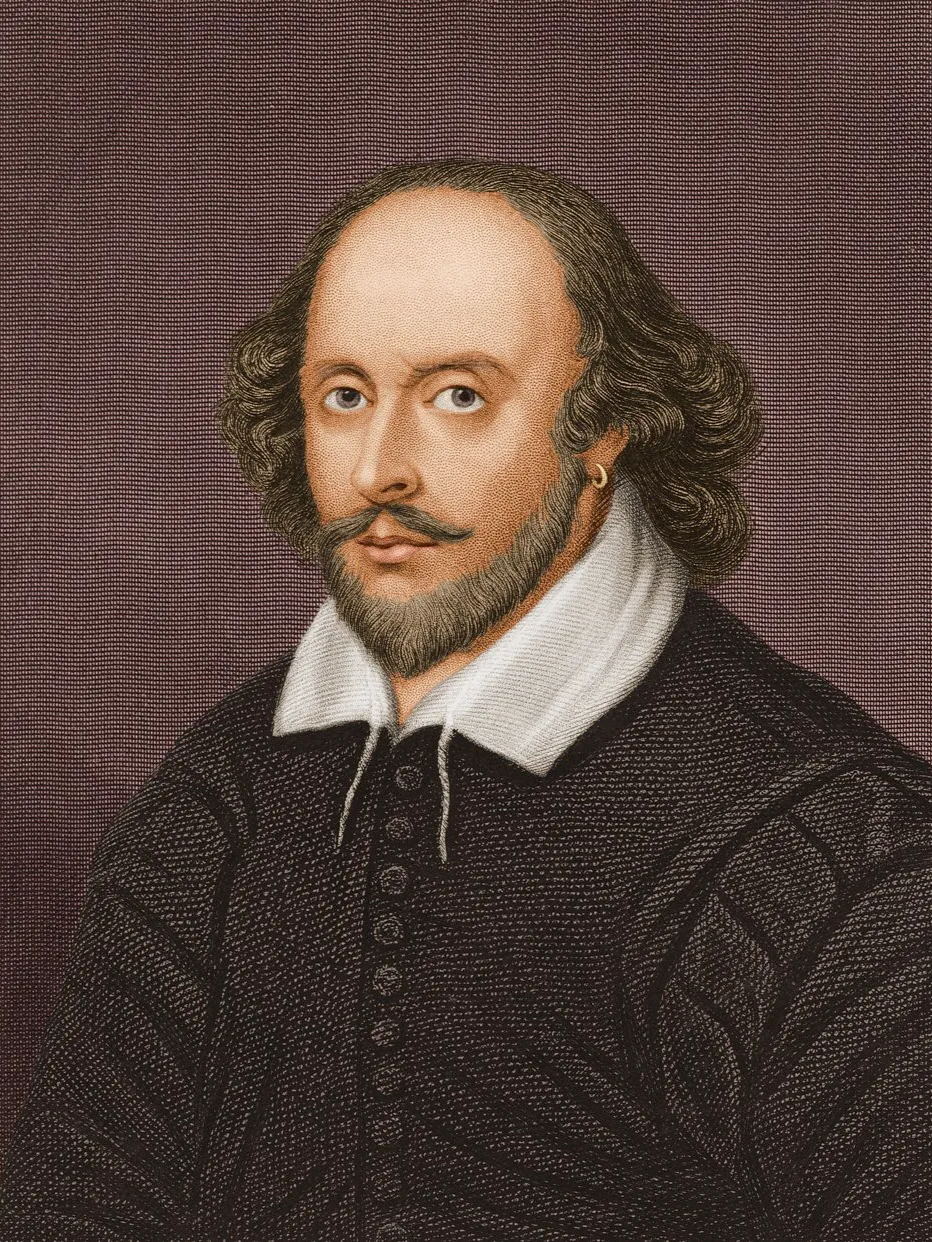
Shakespeare's Life
- Born in April 1564 in Stratford-upon-Avon, England.
- Attended a local grammar school, where he studied Latin and classical texts.
- Moved to London in the late 1580s to pursue a career in theatre.
- Became a prominent playwright and actor by 1592.
- Wrote for the acting troupe Lord Chamberlain's Men, later known as the King's Men.
- Married Anne Hathaway in 1582; had three children: Susanna, Hamnet, and Judith.
- Hamnet, his only son, died at age 11.
- Died in April 1616 at age 52.
History of the Play
-
Written between 1595 and 1596.
-
Likely first performed at an aristocratic wedding or the court of Queen Elizabeth I.
-
The initial reception was positive and appreciated for its whimsical and imaginative qualities.
-
Early performances were popular, delighting audiences with its magical elements and comedic twists.
-
Adapted and performed in various forms over the centuries, with notable adaptations including film versions by Max Reinhardt (1935) and Michael Hoffman (1999). Textual History
-
First Quarto (1600): The first printed version of "A Midsummer Night's Dream."
-
First Folio (1623): Published posthumously in Shakespeare's First Folio with minor textual differences from the Quarto.
-
Differences: Some variations between the Quarto and Folio versions lead to modern editions that often merge elements from both.
Literary Contexts
The Genre of the Play
-
Comedy: "A Midsummer Night's Dream" is a comedy, characterised by its humourous elements, misunderstandings, and happy resolution.
-
Romantic Comedy: Incorporates elements of romantic comedy, focusing on the trials and tribulations of lovers. Historical and Political Context
-
Elizabethan Era: Written during the Elizabethan era, a time of cultural flowering and relative political stability under Queen Elizabeth I.
-
Aristocratic Weddings: Often associated with aristocratic weddings, reflecting the period's customs and celebrations.
-
Mythological References: Draws on classical mythology and folklore, reflecting contemporary interests in ancient cultures and traditions. Philosophical Context
-
Renaissance Humanism: Influenced by Renaissance humanism, emphasising individual potential and the exploration of human emotions.
-
Nature and Transformation: Reflects Renaissance fascination with the natural world and the idea of transformation and change. Cultural and Social Context
-
Social Hierarchy and Class: Reflects the social hierarchy of the time, with characters from different social classes interacting and influencing each other.
-
Gender Roles: Explores the roles and expectations of men and women, particularly through the characters of Hermia, Helena, and Titania.
-
Marriage and Festivity: Central themes of marriage and festivity, highlighting the importance of social harmony and celebration.
-
Magic and Folklore: Draws on contemporary beliefs in magic and folklore, particularly through the characters of the fairies. Literary Influences
-
Classical Sources: Influenced by works of Ovid, particularly "Metamorphoses", and the comedies of Plautus and Terence.
-
English Folklore: Incorporates elements of English folklore and fairy lore, particularly in the depiction of Oberon, Titania, and Puck.
Writer's Techniques in 'A Midsummer Night's Dream'
Verse and Prose
Philosophical Context
-
Blank Verse: Used primarily by the noble characters, giving their speech a formal and elevated tone. This helps to distinguish the social status of the characters.
-
Prose: Employed by the Mechanicals and sometimes by characters in more relaxed or humourous situations, adding a comedic and informal touch to their interactions. Imagery and Metaphor
-
Nature Imagery: Frequent references to nature, plants, and the moon, enhance the play's fairy-tale atmosphere and connect to themes of love and transformation.
-
Examples: The imagery of flowers and forests is central, with the magic flower's juice causing characters to fall in love.
-
Light and Dark Imagery: Symbolises the contrast between reality and illusion, order and chaos.
-
Examples: The moon is a recurring symbol representing both romance and the passage of time. Symbolic Language
-
Dreams and Illusions: Language related to dreams and illusions underscores the play's themes of fantasy versus reality.
-
Examples: Puck's final speech refers to the play as a dream, blurring the lines between reality and fantasy.
-
Magic and Transformation: Symbolises the transformative power of love and the fluidity of identity.
-
Examples: The magic flower's juice alters perceptions and affections.
Structure and Plot Devices
Multiple Plotlines
-
The play intertwines several plotlines involving the Athenian lovers, the fairies, and the Mechanicals, creating a rich tapestry of interconnected stories.
-
Effect: The multiple plotlines converge in the forest, highlighting the theme of transformation and the interplay between order and chaos. Play-within-a-Play
-
The Mechanicals' performance of "Pyramus and Thisbe" serves as a comic reflexion of the main themes and adds a layer of meta-theatricality.
-
Effect: This device allows Shakespeare to explore the nature of theatre and illusion, and to provide comic relief. Dramatic Irony
-
The audience is aware of information that the characters are not, creating humour and enhancing the themes of misunderstanding and confusion.
-
Examples: The audience knows about Puck's mistake with the love potion, leading to humourous situations among the lovers. Foreshadowing
-
Shakespeare uses foreshadowing to hint at the play's resolution and to build anticipation.
-
Examples: Oberon's plan to use the love potion foreshadows the eventual resolution of the lovers' conflicts.
Characterization Techniques
Complex Characters
-
Shakespeare creates characters with distinct and exaggerated traits, enhancing the play's comedic and fantastical elements.
-
Puck: A mischievous fairy who embodies the play's themes of chaos and transformation.
-
Bottom: A humourous and self-important character whose transformation into an ass highlights the play's exploration of identity and perception. Soliloquies and Asides
-
These provide insight into characters' inner thoughts and motivations, often adding to the comedic or dramatic effect.
-
Examples: Puck's soliloquies offer insight into his mischievous nature and his view of human folly. Dynamic Interactions
-
The interactions between characters, especially the lovers and the fairies, are marked by misunderstandings, transformations, and reconciliations.
-
Examples: The shifting affections among the lovers create comedic tension and highlight the theme of love's irrationality.
Dramatic Techniques
Irony and Paradox
-
Shakespeare employs irony and paradox to underscore the play's themes of appearance versus reality and the transformative power of love.
-
Examples: The irony of the love potion causes characters to fall in and out of love unpredictably.
-
Paradox: The idea that the irrational and chaotic events in the forest lead to a harmonious resolution. Symbolism and Motifs
-
The Moon: Symbolises both romance and the passage of time, appearing throughout the play in various contexts.
-
Dreams and Illusions: Represent the fluid boundary between reality and fantasy, a central theme of the play. Catharsis and Comic Relief
-
Catharsis: The play's resolution provides a cathartic experience for the audience as order is restored and conflicts are resolved.
-
Comic Relief: The antics of the Mechanicals and the misunderstandings among the lovers provide humour and lighten the mood.
Sound and Rhythm
Alliteration and Assonance
- Shakespeare uses alliteration and assonance to enhance the musicality and whimsical quality of the dialogue.
- Examples: The rhythmic and playful language of the fairies, such as in Puck's and Oberon's speeches.
Stagecraft and Theatricality
Visual Spectacle
-
Shakespeare's descriptions and stage directions create a vivid and fantastical visual spectacle, particularly in the enchanted forest.
-
Effect: These elements enhance the magical and otherworldly atmosphere of the play. Fluid Scene Changes
-
Rapid shifts in location, particularly between Athens and the forest, create a dynamic and fluid narrative.
-
Effect: This technique underscores the play's exploration of transformation and the boundary between reality and fantasy Use of Props and Costumes
-
Props and costumes play a significant role in the play's theatricality, especially in the Mechanicals' performance and the fairies' appearances.
-
Examples: Bottom's transformation with the ass's head and the fairy costumes that enhance the whimsical elements.