Context & Writers Techniques (Edexcel A-Level English Literature): Revision Notes
📚Revision Notes
Context & Writer's Techniques
Context in 'Antony and Cleopatra'
Shakespeare's Life
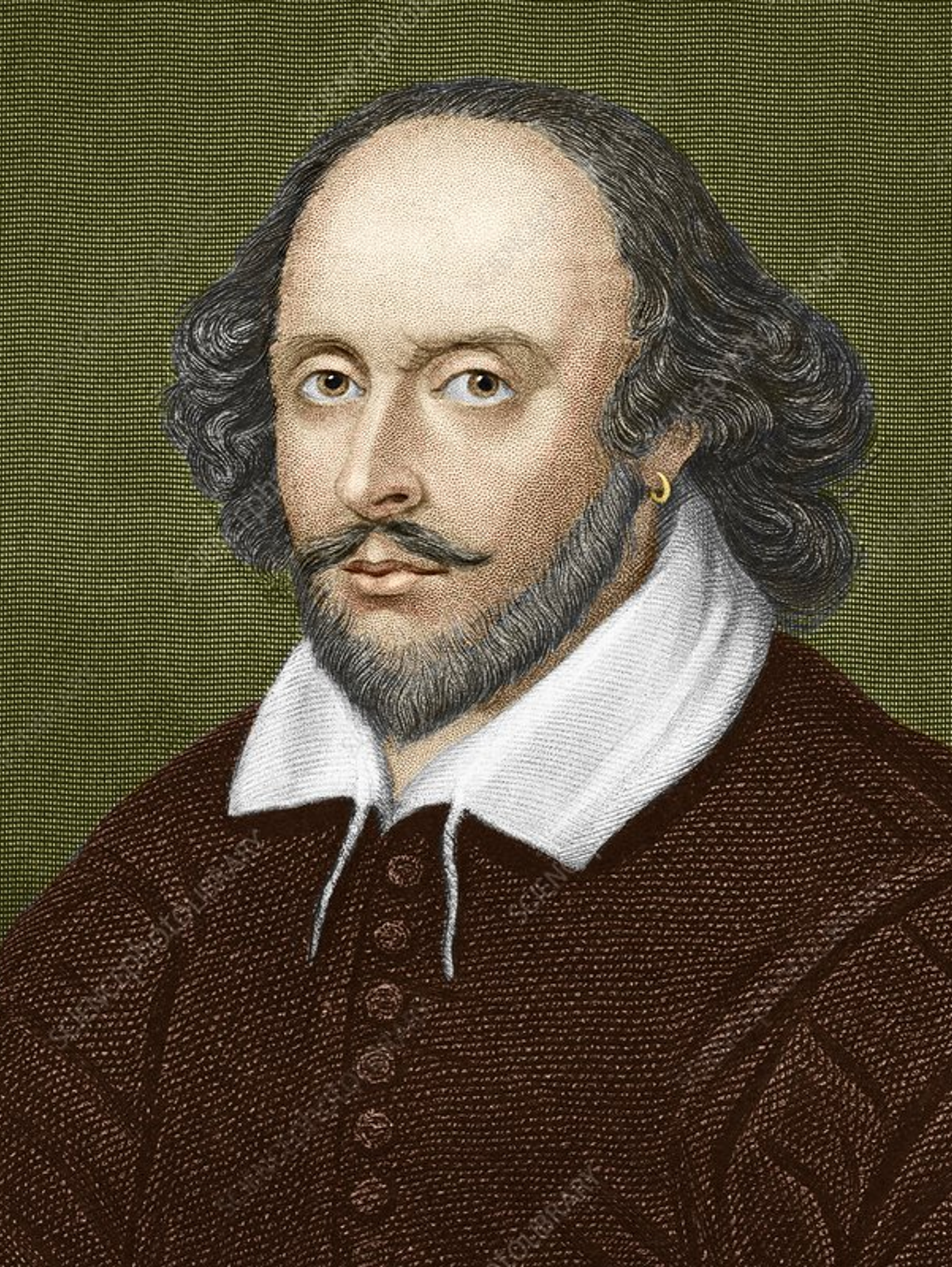
- Born in April 1564 in Stratford-upon-Avon, England.
- Attended a local grammar school, where he studied Latin and classical texts.
- Moved to London in the late 1580s to pursue a career in theatre.
- Became a prominent playwright and actor by 1592.
- Wrote for the acting troupe Lord Chamberlain's Men, later known as the King's Men.
- Married Anne Hathaway in 1582; had three children: Susanna, Hamnet, and Judith.
- Hamnet, his only son, died at age 11.
- Died in April 1616 at age 52.
History of the Play
- Written between 1606 and 1607.
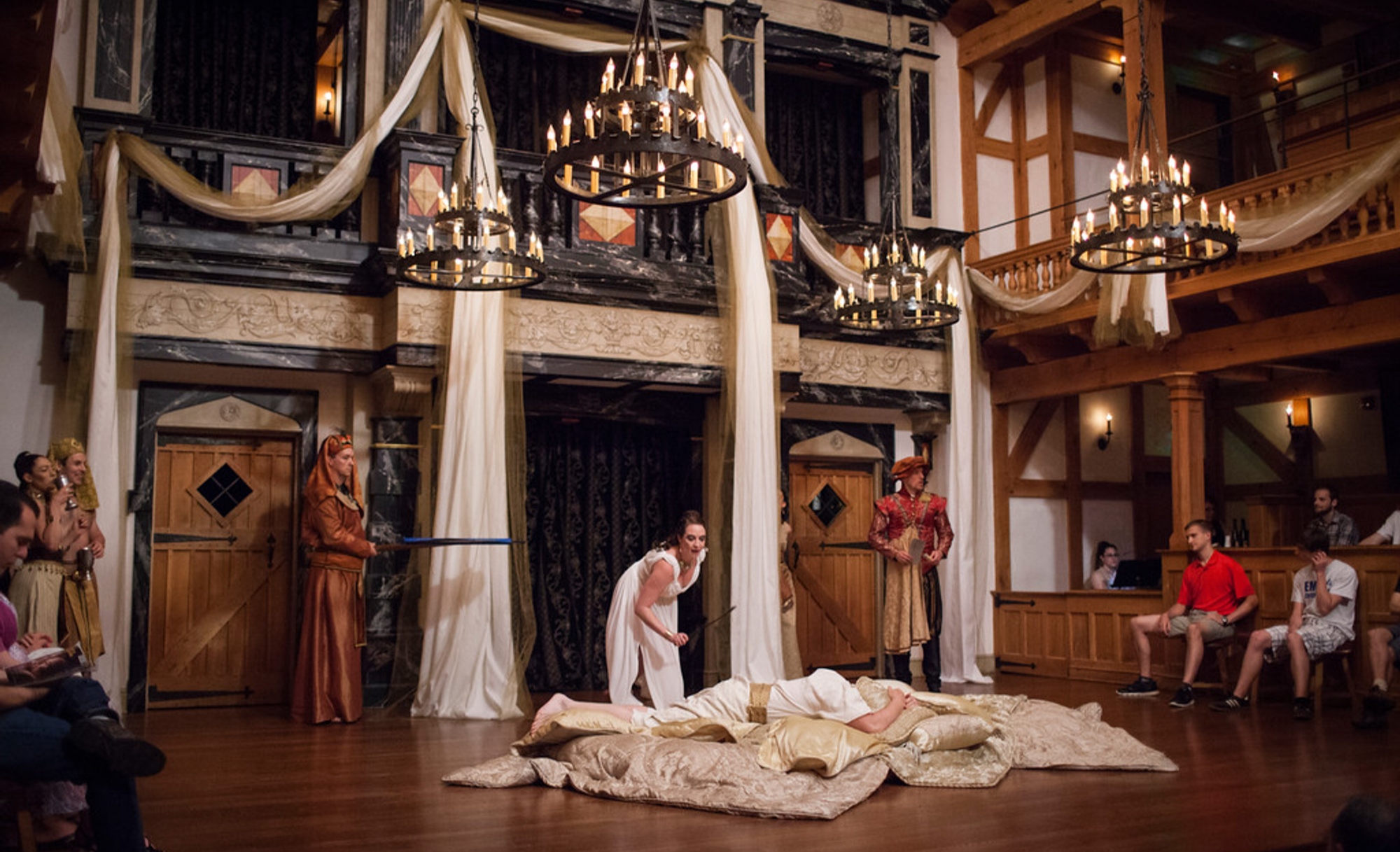
- Likely first performed by the King's Men at the Blackfriars Theatre or the Globe Theatre.
- Initial reception was positive, praised for its complex characters and rich language.
- Early performances captivated audiences with its portrayal of historical romance and political intrigue.
- Adapted and performed in various forms over the centuries, including notable film adaptations by Charlton Heston (1972) and by the Royal Shakespeare Company.
Textual History
- First Folio: Published in the First Folio in 1623, seven years after Shakespeare's death.
- Quartos: No earlier quarto editions, making the First Folio the primary source for the text.
Literary Contexts
The Genre of the Play
- Tragedy: "Antony and Cleopatra" is a tragedy, focusing on the downfall of its protagonists due to their flaws and the political machinations around them.
- Historical Tragedy: Incorporates elements of historical drama, depicting real historical figures and events from Roman history.
Historical and Political Context
- Elizabethan and Jacobean Era: Written during the early Jacobean era, reflecting the period's fascination with Roman history and political power struggles.
- Roman Empire: The play is set during the final years of the Roman Republic, detailing the political conflicts following Julius Caesar's assassination.
- Political Intrigue: Reflects contemporary concerns about political power, loyalty, and the impact of personal relationships on state affairs.
Philosophical Context
- Renaissance Humanism: Influenced by Renaissance humanism, emphasising the complexity of human nature and the conflict between duty and desire.
- Stoicism and Epicureanism: The play contrasts the Stoic values of Rome with the more hedonistic and pleasure-seeking lifestyle of Egypt, reflecting philosophical debates of the time.
Cultural and Social Context
- Gender and Power: Explores themes of gender roles and the power dynamics between men and women, particularly through the character of Cleopatra.
- East vs. West: The cultural clash between the disciplined, martial values of Rome and the luxurious, sensual world of Egypt is a central theme.
- Imperialism: Reflects contemporary European attitudes towards colonialism and empire-building, as seen in the Roman ambition to dominate the known world.
Literary Influences
- Classical Sources: Draws heavily from Plutarch's "Lives of the Noble Greeks and Romans", particularly the biographies of Antony and Cleopatra.
- Roman Historiography: Incorporates elements from Roman historians such as Suetonius and Appian, blending historical fact with dramatic fiction.
Writer's Techniques in 'Antony and Cleopatra'
Language and Diction
Poetic Language
- Shakespeare's use of blank verse (unrhymed iambic pentameter) gives the dialogue a rhythmic and elevated quality, suitable for the grandeur and drama of the characters' lives.
- The prose is employed in more mundane or comedic scenes, often to highlight differences in social status or to contrast the elevated speech of the main characters.
Imagery and Metaphor
- Rich and elaborate imagery is used throughout the play to enhance themes and character portrayals.
- Nature and Elements: Frequent references to nature (e.g., the Nile, the sea) and the elements (fire, water) symbolise the characters' passions and the tumultuous political landscape.
- Extravagant Metaphors: Cleopatra, in particular, is described with lavish metaphors that highlight her exoticism and allure (e.g., "O'erpicturing that Venus where we see / The fancy outwork nature").
Symbolic Language
- The language often carries symbolic weight, with references to Roman and Egyptian cultural symbols that reinforce the play's exploration of East versus West.
- Serpents and Poison: These symbols foreshadow Cleopatra's fate and signify treachery and danger.
Structure and Plot Devices
Parallel Plots
- The play interweaves the personal and political conflicts of Antony and Cleopatra with the larger geopolitical struggles of Rome and Egypt.
- Juxtaposition: Scenes frequently shift between Rome and Egypt, highlighting the cultural and ideological contrasts between the two worlds.
Antithesis and Contrast
- Shakespeare uses antithesis to underscore the differences between characters and themes, such as duty versus desire and honour versus passion.
- Example: The contrast between Rome's stoic, militaristic culture and Egypt's luxurious, sensual lifestyle is a recurring motif.
Foreshadowing
- Prophetic statements and omens are used to hint at future events, creating a sense of inevitability.
- Example: The soothsayer's predictions and the imagery of serpents foreshadow the tragic ending.
Characterisation Techniques
Complex Characters
- Shakespeare develops multidimensional characters whose motivations and emotions are layered and often contradictory.
- Antony: Depicted as a torn figure between his Roman duties and his love for Cleopatra, embodying both heroic and tragic qualities.
- Cleopatra: Portrayed with a blend of regal authority, sensuality, and capriciousness, making her a complex and captivating figure.
Soliloquies and Monologues
- These provide insight into the character's internal conflicts and motivations.
- Antony's Soliloquies: Reveal his turmoil over his divided loyalties and his sense of honour.
- Cleopatra's Monologues: Express her pride, her manipulation of others, and her ultimate resolve to die on her terms.
Dynamic Interactions
- The interplay between characters, especially Antony and Cleopatra, is marked by sharp wit, passionate exchanges, and political manoeuvring.
- Example: The dialogues between Antony and Cleopatra often mix affection with manipulation, reflecting their complex relationship.
Dramatic Techniques
Irony and Paradox
- Shakespeare employs both dramatic and situational irony to enhance the tragic dimensions of the play.
- Dramatic Irony: The audience is often aware of the impending doom that the characters themselves do not fully perceive, heightening the tension.
- Paradox: Characters often embody contradictions, such as Antony being both a revered Roman general and a lover besotted by Cleopatra.
Symbolism and Motifs
- Serpents and Poison: Symbolise betrayal, danger, and Cleopatra's eventual means of suicide.
- Imagery of the Sun and Moon: Used to represent the grandeur and transience of Antony and Cleopatra's love and power.
- Sea Imagery: Reflects the vastness and unpredictability of both the natural world and human emotions.
Stagecraft and Theatricality
Visual Spectacle
- Shakespeare's descriptions and the play's stage directions emphasise the opulence and spectacle of Cleopatra's court.
- Example: Cleopatra's barge is described in extravagant detail, showcasing the luxurious and exotic nature of Egypt.
Fluid Scene Changes
- Rapid shifts in location from Rome to Egypt to battlefields create a dynamic and fast-paced narrative.
- Effect: This technique underscores the global scale of the political conflict and the personal drama of the characters.
Use of Prophecy and Superstition
- Characters frequently reference omens and prophecies, reflecting the ancient world's belief in fate and the supernatural.
- Example: The soothsayer's warnings and the symbolic use of the asp highlight themes of destiny and inevitability.