Context & Writers Techniques (Edexcel A-Level English Literature): Revision Notes
📚Revision Notes
Context & Writer's Techniques
Context in 'Hamlet'
Shakespeare's Life
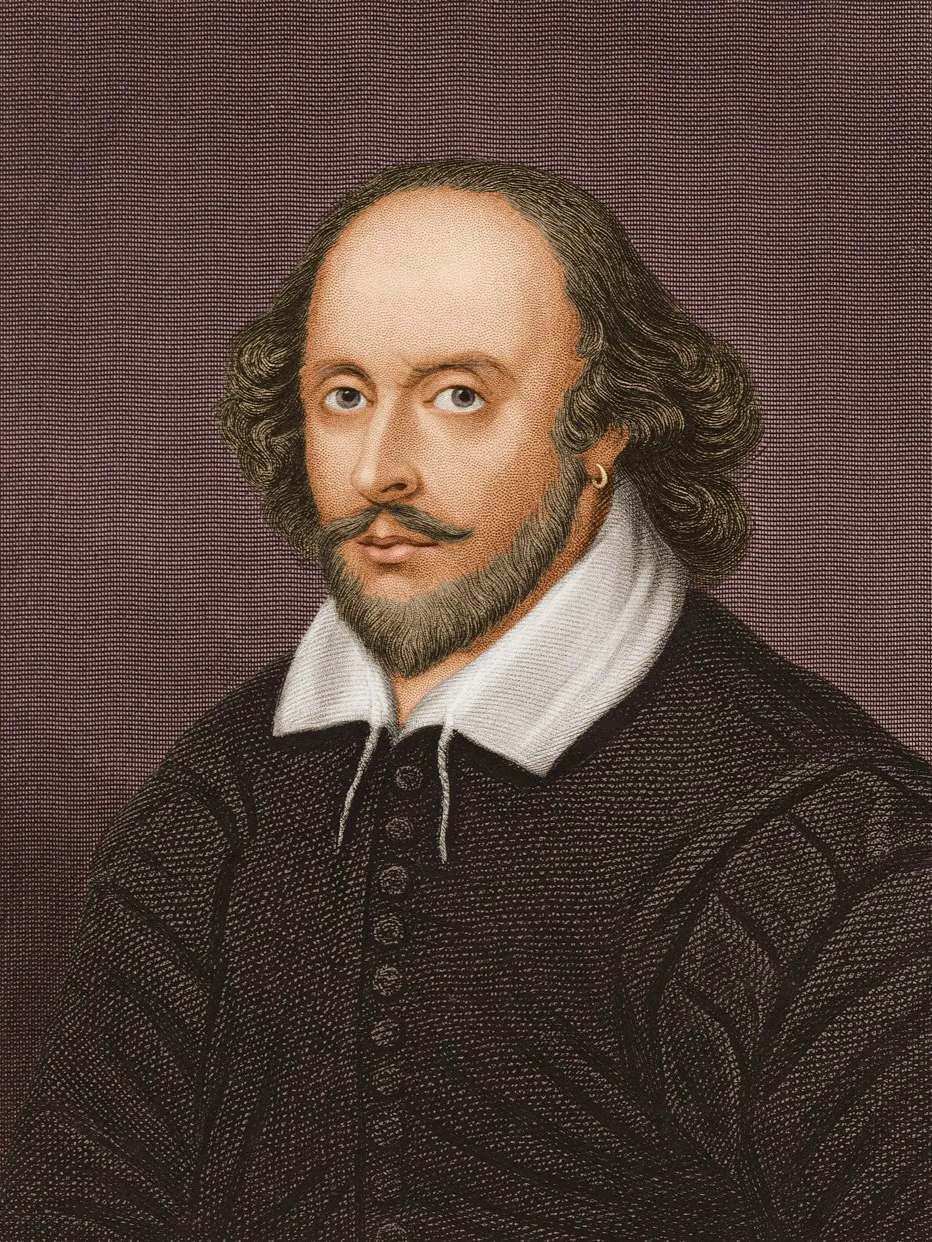
- Born in April 1564 in Stratford-upon-Avon, England.
- Attended a local grammar school, where he studied Latin and classical texts.
- Moved to London in the late 1580s to pursue a career in theatre.
- Became a prominent playwright and actor by 1592.
- Wrote for the acting troupe Lord Chamberlain's Men, later known as the King's Men.
- Married Anne Hathaway in 1582; had three children: Susanna, Hamnet, and Judith.
- Hamnet, his only son, died at age 11.
- Died in April 1616 at age 52.
History of the Play
-
Written between 1599 and 1601.
-
Likely first performed in 1600 or 1601 by the Lord Chamberlain's Men.
-
Well-received by both contemporary audiences and critics.
-
Its complex characters and themes of revenge, madness, and mortality resonated deeply.
-
The exploration of existential themes made it popular among educated audiences.
-
Performed at the Globe Theatre and other venues, including the court of King James.
-
Richard Burbage, a leading actor of the time, originally played Hamlet.
-
Adapted and performed in various forms over the centuries, with key adaptations including Laurence Olivier's 1948 film and Kenneth Branagh's 1996 film. Textual History:
-
First Folio: Published in the First Folio in 1623, seven years after Shakespeare's death.
-
Quartos: Earlier versions appeared in quarto editions, with some textual variations.
Literary Contexts
The Genre of the Play:
-
Tragedy: "Hamlet" is a tragedy, characterised by its sombre tone, complex characters, and a fatal or disastrous conclusion.
-
Revenge Tragedy: Incorporates elements of the revenge tragedy genre, such as the ghost seeking vengeance and the hero's internal conflict. Historical and Political Context:
-
Elizabethan Era: Written during the late Elizabethan era, a time of political stability and cultural flourishing.
-
Succession Anxiety: Reflects contemporary anxieties about succession and the stability of the realm, as Elizabeth I had no direct heir.
-
Religious Conflict: The Protestant Reformation and Catholic Counter-Reformation created religious tensions, influencing themes of sin and redemption in the play. Philosophical Context:
-
Renaissance Humanism: Influenced by Renaissance humanism, emphasising individualism and the study of classical texts.
-
Existential Questions: Explores deep existential questions about life, death, and the meaning of existence, particularly through Hamlet's soliloquies. Cultural and Social Context:
-
Social Hierarchy: Reflects the rigid social hierarchy and gender roles of Elizabethan society.
-
Family and Duty: Themes of familial duty and loyalty are central, highlighting the expectations placed on individuals within the family unit.
-
Madness and Melancholy: Examines contemporary attitudes towards mental illness and melancholy, with Hamlet's feigned and real madness being key plot points. Literary Influences:
-
Primary Source: Derived from Saxo Grammaticus's "Gesta Danorum" and François de Belleforest's "Histoires Tragiques."
-
Classical Influences: Shakespeare drew on classical works, such as those by Seneca, for elements of tragedy and revenge.
Writer's Techniques in 'Hamlet'
Language and Diction
Verse and Prose:
-
Shakespeare uses both verse and prose to differentiate between characters and their states of mind.
-
Blank Verse: Most of Hamlet's soliloquies and noble dialogues are written in blank verse (unrhymed iambic pentameter), giving them a rhythmic and elevated quality.
-
Prose: Used for more mundane or comic scenes and often for characters of lower status or those pretending madness, such as Hamlet's interactions with Polonius or the gravediggers. Soliloquies:
-
Purpose: Soliloquies are used to provide insight into Hamlet's inner thoughts and struggles, revealing his philosophical and existential dilemmas.
-
Famous Examples:
-
"To be, or not to be" explores themes of life, death, and the human condition.
-
"O, what a rogue and peasant slave am I!" reflects Hamlet's frustration with his inaction and his contemplation of revenge. Wordplay and Puns:
-
Hamlet frequently uses puns and wordplay, especially in conversations with Polonius, Rosencrantz, and Guildenstern, to mock or confuse them.
-
Example: The exchange between Hamlet and Polonius about the shape of clouds highlights Hamlet's use of irony and his disdain for Polonius.
Imagery and Symbolism:
Disease and Corruption:
-
Imagery related to disease, decay, and corruption permeates the play, symbolising the moral and political rot in Denmark.
-
Examples:
-
Marcellus's line "Something is rotten in the state of Denmark" sets the tone for the pervasive sense of corruption.
-
Hamlet's descriptions of the world as an "unweeded garden" further emphasise the theme of decay. Theatrical Imagery:
-
References to acting, plays, and performances highlight themes of appearance versus reality.
-
Example: Hamlet's use of the play-within-a-play ("The Mousetrap") to "catch the conscience of the King" underscores the idea of life as a performance and the difficulty of discerning truth. Nature and the Supernatural:
-
The imagery of nature often contrasts with supernatural elements, reflecting the natural order versus the unnatural deeds committed.
-
Examples: The ghost of King Hamlet introduces supernatural elements that challenge the natural order, while Hamlet's reflections on mortality often use natural imagery (e.g., Yorick's skull).
Structure and Plot Devices
Play-within-a-Play:
-
Purpose: "The Mousetrap" serves as a meta-theatrical device to mirror and expose the main plot's themes and to confirm Claudius's guilt.
-
Effect: This device heightens the play's exploration of appearance versus reality and the power of theatre to reveal truth. Foils:
-
Characters such as Laertes and Fortinbras serve as foils to Hamlet, highlighting different responses to similar situations (e.g., avenging a father's death).
-
Laertes: His decisive action contrasts with Hamlet's indecision, emphasising themes of revenge and justice.
-
Fortinbras: His military ambition and willingness to act underscore Hamlet's introspection and hesitation.
Dramatic Techniques
Irony:
-
Verbal Irony: Hamlet's dialogue is often laced with irony, particularly in his interactions with other characters.
-
Dramatic Irony: The audience is aware of Hamlet's knowledge of Claudius's guilt and his feigned madness, creating tension and anticipation. Suspense and Tension:
-
Shakespeare builds suspense through Hamlet's procrastination and the looming threat of conflict.
-
Example: The progression of Hamlet's plan to expose Claudius, combined with the unfolding political intrigue, maintains dramatic tension. Catharsis and Tragic Flaw:
-
Catharsis: The play's tragic resolution provides a cathartic experience for the audience as Hamlet's and other characters' fates are sealed.
-
Tragic Flaw: Hamlet's indecisiveness and his obsession with contemplating action versus inaction are central to his character's tragic flaw.
Sound and Rhythm
Alliteration and Assonance:
-
Shakespeare employs alliteration and assonance to enhance the musicality and emotional impact of the dialogue.
-
Example: In "To be, or not to be," the repetition of "s" sounds in "slings and arrows" adds a rhythmic quality that underscores Hamlet's contemplative tone. Caesura and Enjambment:
-
Caesura: Pauses within lines (caesura) often reflect Hamlet's hesitations and internal conflicts.
-
Enjambment: The continuation of a sentence without a pause beyond the end of a line (enjambment) can reflect the flow of Hamlet's thoughts and his tendency to overthink.