Themes (Edexcel A-Level English Literature): Revision Notes
📚Revision Notes
Themes
Women
Overview
Note
In 'Hamlet', women are portrayed through the characters of Ophelia and Gertrude, who both reflect the limited roles and expectations placed upon women in a patriarchal society. Their actions and fates are largely dictated by the men around them, and their struggles highlight the misogynistic views and treatment they endure.
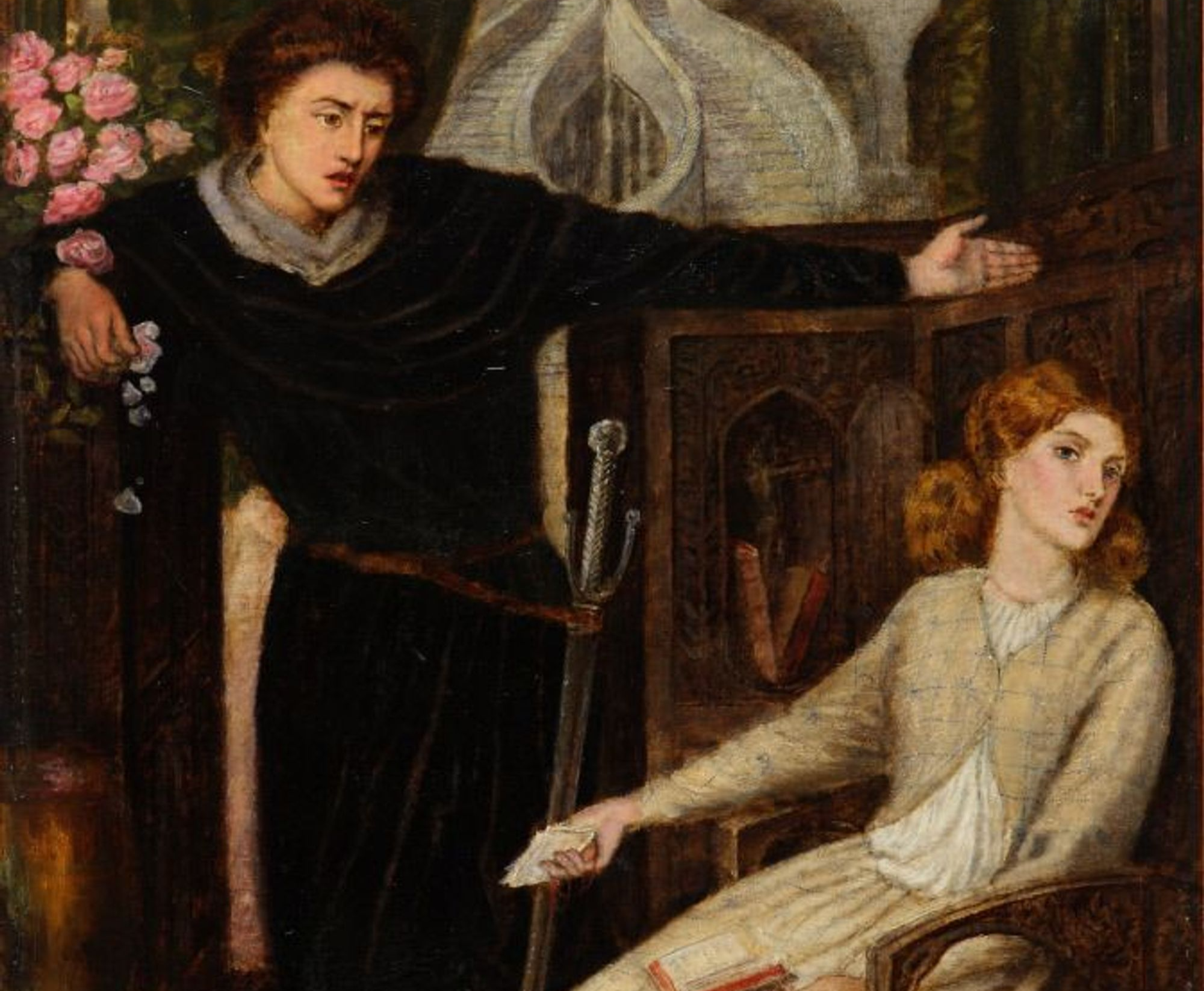
Key Moments in the Play
- Hamlet's confrontation with Gertrude in Act 3, Scene 4: Hamlet berates his mother for her marriage to Claudius, revealing his deep-seated anger towards women.
- Ophelia's descent into madness in Act 4, Scene 5: Following her father's death and Hamlet's rejection, Ophelia's madness symbolises the overwhelming pressure and lack of autonomy women face.
Key Characters
- Gertrude: The Queen of Denmark, whose hasty remarriage to Claudius after King Hamlet's death is a source of Hamlet's contempt.
- Ophelia: Polonius's daughter and Hamlet's love interest, who is manipulated by the men in her life and ultimately driven to madness.
Key Quotes
"Frailty, thy name is woman!" (Act 1, Scene 2)
- Hamlet expresses his frustration with Gertrude's quick remarriage.
- Reflects Hamlet's generalisation of all women as weak and morally frail.
"Get thee to a nunnery: why wouldst thou be a breeder of sinners?" (Act 3, Scene 1)
- Hamlet lashes out at Ophelia, suggesting she becomes a nun to avoid giving birth to sinners.
- Illustrates Hamlet's deep mistrust and disdain for women.
Religion
Overview
Note
Religion plays a crucial role in 'Hamlet', influencing the characters' actions and moral dilemmas. The conflict between religious doctrine and personal vengeance is a central theme, particularly in Hamlet's struggle to reconcile his duty to avenge his father with his fear of damnation.
Key Moments in the Play
- Hamlet's hesitation to kill Claudius in Act 3, Scene 3: Hamlet refrains from killing Claudius while he is praying, fearing it would send Claudius's soul to heaven.
- The graveyard scene in Act 5, Scene 1: Hamlet's reflections on death and the afterlife highlight his existential and religious concerns.
Key Characters
- Hamlet: Struggles with religious doctrines, particularly the morality of revenge and the consequences of sin.
- Claudius**:** Attempts to pray for forgiveness, revealing his internal conflict between guilt and his inability to repent sincerely.
Key Quotes
"To be or not to be: that is the question: / Whether 'tis nobler in the mind to suffer / The slings and arrows of outrageous fortune, / Or to take arms against a sea of troubles / And by opposing end them." (Act 3, Scene 1)
- Hamlet contemplates the nature of existence and the moral implications of suicide.
- Reflects his internal struggle with religious beliefs about life and death.
"Now might I do it pat, now he is praying; / And now I'll do't: and so he goes to heaven; / And so am I revenged. That would be scann'd: / A villain kills my father; and for that, / I, his sole son, do this same villain send / To heaven." (Act 3, Scene 3)
- Hamlet hesitates to kill Claudius while he prays, fearing it will grant Claudius salvation.
- Highlights the conflict between his desire for revenge and his fear of religious consequences.
Action and Inaction
Overview
Note
The theme of action and inaction is central to 'Hamlet'. Hamlet's indecision and hesitation to act on his father's murder lead to his tragic downfall. The play examines the moral and philosophical implications of taking action versus remaining passive.
Key Moments in the Play
- Hamlet's soliloquy in Act 2, Scene 2: Hamlet berates himself for his inaction and contemplates the nature of action and cowardice.
- The duel in Act 5, Scene 2: Hamlet finally takes decisive action, but it comes too late to prevent the tragic outcomes.
Key Characters
- Hamlet: His indecision and contemplation of action versus inaction drive the plot and his internal conflict.
- Fortinbras: Contrasts with Hamlet as a man of decisive action, highlighting Hamlet's inaction.
Key Quotes
"To be or not to be: that is the question:" (Act 3, Scene 1)
- Hamlet questions the value of existence and the morality of action versus inaction.
- Reflects his deep philosophical and existential dilemmas.
"How all occasions do inform against me, / And spur my dull revenge!" (Act 4, Scene 4)
- Hamlet reflects on his inability to act and the consequences of his hesitation.
- Highlights his frustration with himself and his circumstances.
Corruption
Overview
Note
Corruption is a pervasive theme in 'Hamlet', symbolised by the moral decay of the Danish court. The play explores how corruption spreads through political intrigue, deceit, and moral disintegration, ultimately leading to the downfall of the royal family.
Key Moments in the Play
- The ghost's revelation in Act 1, Scene 5: The ghost reveals the corrupt nature of Claudius's rise to power through fratricide.
- Claudius's soliloquy in Act 3, Scene 3: Claudius admits to his corrupt actions but struggles with guilt and repentance.
Key Characters
- Claudius**:** Embodies political and moral corruption through his usurpation of the throne and subsequent actions.
- Hamlet**:** Becomes increasingly aware of the corruption around him and seeks to expose and rectify it.
Key Quotes
"Something is rotten in the state of Denmark." (Act 1, Scene 4)
- Marcellus comments on the pervasive sense of corruption and decay in Denmark.
- Sets the tone for the play's exploration of moral and political corruption.
"O, my offence is rank, it smells to heaven;" (Act 3, Scene 3)
- Claudius acknowledges the severity of his crime and the corruption of his soul.
- Reflects his internal struggle with guilt and the consequences of his actions.
Madness
Overview
Note
Madness is a central theme in 'Hamlet', explored through the protagonist's feigned insanity and Ophelia's genuine descent into madness. The play examines the fine line between sanity and insanity, the impact of madness on individuals and those around them, and the use of madness as a tool for manipulation and disguise.
Key Moments in the Play
- Hamlet's decision to feign madness in Act 1, Scene 5: After speaking with the ghost, Hamlet decides to put on an "antic disposition" to investigate his father's murder without raising suspicion.
- Ophelia's madness in Act 4, Scene 5: Following the death of her father, Polonius, and Hamlet's rejection, Ophelia's genuine madness and her tragic end serve as a stark contrast to Hamlet's feigned insanity.
Key Characters
- Hamlet: Uses feigned madness to uncover the truth about his father's death while grappling with his own existential and moral dilemmas.
- Ophelia: Her genuine madness and eventual suicide highlight the destructive impact of the corrupt environment and personal loss on her mental state.
Key Quotes
"To put an antic disposition on—" (Act 1, Scene 5)
- Hamlet informs Horatio and Marcellus of his plan to feign madness.
- This reflects Hamlet's strategic use of madness as a guise to mask his investigation.
"O, what a noble mind is here o'erthrown! / The courtier's, soldier's, scholar's, eye, tongue, sword; / The expectancy and rose of the fair state, / The glass of fashion and the mould of form, / The observed of all observers, quite, quite down!" (Act 3, Scene 1)
- Ophelia laments the apparent decline of Hamlet's sanity after their encounter.
- Illustrates the impact of Hamlet's feigned madness on those around him, particularly Ophelia, who perceives his actions as genuine insanity.
"There's rosemary, that's for remembrance; pray, love, remember: and there is pansies, that's for thoughts." (Act 4, Scene 5)
- Ophelia distributes symbolic flowers during her mad scene, each representing different emotions and memories.
- Highlights Ophelia's fragmented state of mind and her deep grief and confusion.
"I am but mad north-north-west: when the wind is southerly I know a hawk from a handsaw." (Act 2, Scene 2)
- Hamlet explains to Rosencrantz and Guildenstern that his madness is selective and controlled.
- Indicates Hamlet's awareness and manipulation of his feigned madness to achieve his goals.