Context & Writers Techniques (Edexcel A-Level English Literature): Revision Notes
📚Revision Notes
Context & Writer's Techniques
Context in 'King Lear'
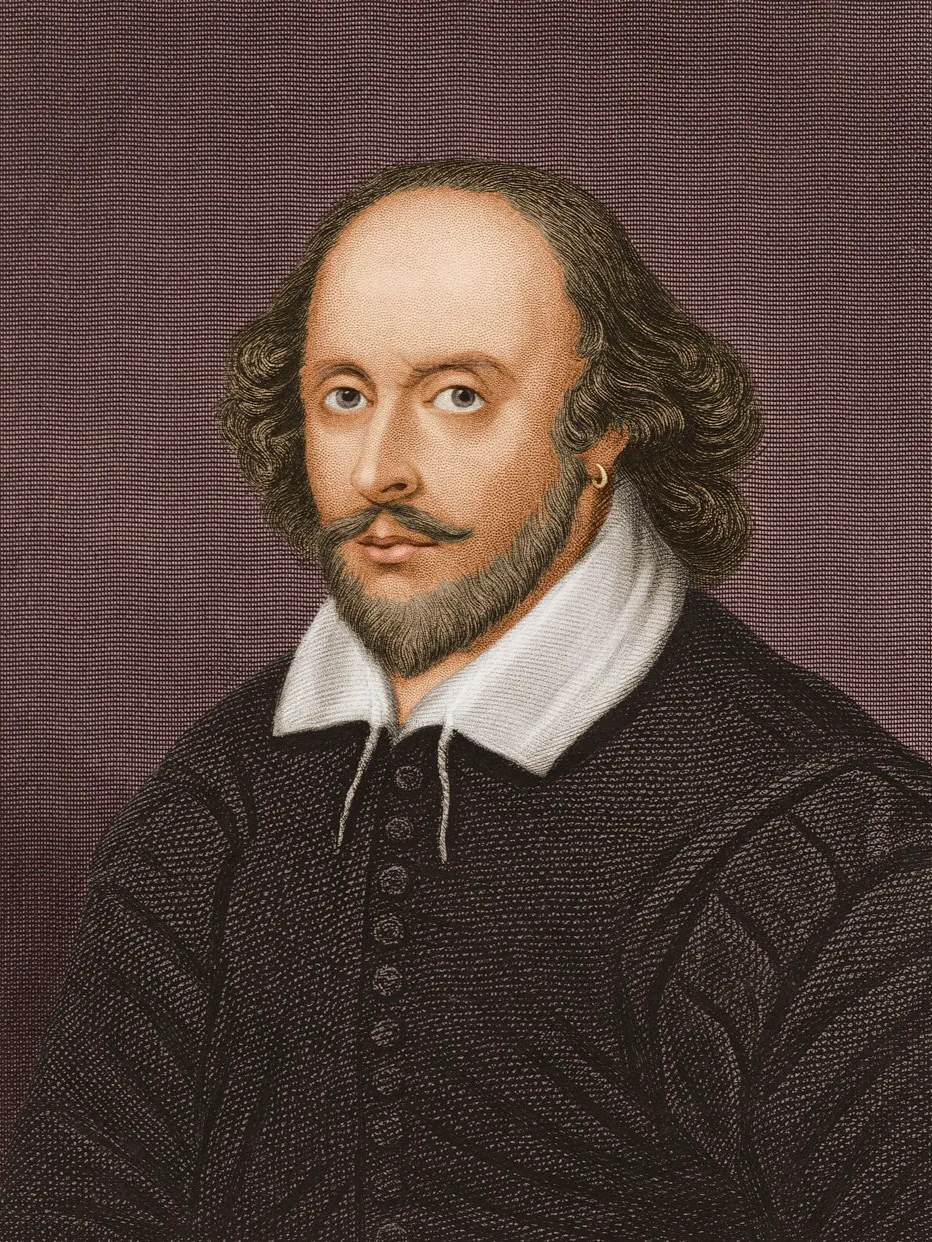
Shakespeare's Life
- Born in April 1564 in Stratford-upon-Avon, England.
- Attended a local grammar school, where he studied Latin and classical texts.
- Moved to London in the late 1580s to pursue a career in theatre.
- Became a prominent playwright and actor by 1592.
- Wrote for the acting troupe Lord Chamberlain's Men, later known as the King's Men.
- Married Anne Hathaway in 1582; had three children: Susanna, Hamnet, and Judith.
- Hamnet, his only son, died at age 11.
- Died in April 1616 at age 52.
History of the Play
-
Written between 1605 and 1606.
-
Likely first performed on December 26, 1606, before King James I at the court.
-
Initial reception was mixed, with some audiences appreciating its depth and complexity, while others found its dark themes unsettling.
-
Early performances focused on the play's tragic and dramatic elements, captivating audiences with its intense emotional and psychological depth.
-
Adapted and performed in various forms over the centuries, including Nahum Tate's 1681 version with a happy ending, which dominated performances until the 19th century. Textual History:
-
First Quarto (1608): The first printed version of "King Lear," often referred to as the "bad quarto."
-
First Folio (1623): The more authoritative version of the play, published posthumously in Shakespeare's First Folio.
-
Differences: Significant differences between the Quarto and Folio versions, leading to various modern editions combining elements from both texts.
Literary Contexts
The Genre of the Play:
-
Tragedy: "King Lear" is a tragedy, characterised by its exploration of human suffering, complex characters, and catastrophic conclusions. Historical and Political Context:
-
Elizabethan and Jacobean Era: Written during the early Jacobean era, reflecting contemporary concerns about monarchy, succession, and governance.
-
Political Unrest: Reflects anxieties about political stability following Elizabeth I's death and James I's accession, as well as broader issues of kingship and authority. Philosophical Context:
-
Renaissance Humanism: Influenced by Renaissance humanism, emphasising the exploration of human nature, individualism, and moral dilemmas.
-
Existential and Nihilistic Themes: The play explores themes of existential despair, human cruelty, and the search for meaning in a chaotic world. Cultural and Social Context:
-
Social Hierarchy: Reflects the rigid social hierarchy and gender roles of the time, questioning the nature of authority and social order.
-
Family and Duty: Explores themes of familial loyalty, duty, and betrayal, highlighting the complex dynamics within families.
-
Madness and Mental Health: Examines contemporary attitudes towards mental health, with Lear's descent into madness being a central theme. Literary Influences:
-
Primary Source: Based on the legend of Leir of Britain, as recorded in Geoffrey of Monmouth's "Historia Regum Britanniae" and the play "The True Chronicle History of King Leir."
-
Classical Influences: Shakespeare drew on classical texts, such as those by Seneca, for elements of tragedy and intense emotional conflict.
Writer's Techniques in 'King Lear'
Language and Diction
Verse and Prose:
-
Blank Verse: Much of the dialogue, especially among the nobility, is written in blank verse (unrhymed iambic pentameter), providing a formal and elevated tone.
-
Prose: Used primarily by characters of lower status or during moments of madness and high emotion, such as Lear's descent into madness or the Fool's commentary. Imagery and Metaphor:
-
Natural Imagery: Frequent references to nature, storms, and animals reflect the chaos and disorder within the kingdom and the characters' minds.
-
Examples:
-
The storm on the heath mirrors Lear's internal turmoil and the kingdom's disarray.
-
Animal imagery is used to describe betrayal and brutality, as seen in Lear's description of his daughters as "pelican daughters." Symbolic Language:
-
Language is often imbued with symbolism, enhancing the play's thematic depth.
-
Eyes and Blindness: Symbolise insight and lack thereof, as characters like Gloucester and Lear gain understanding only after physical or metaphorical blindness.
Structure and Plot Devices
Parallel Plots:
-
The play features parallel storylines of Lear and his daughters and Gloucester and his sons, reinforcing themes of betrayal, loyalty, and familial conflict.
-
Effect: The mirrored plots highlight the universality of the themes and create a complex narrative structure. Dramatic Irony:
-
The audience is aware of critical information that the characters are not, creating tension and poignancy.
-
Examples:
-
Lear's misjudgment of his daughters' loyalty.
-
Gloucester's trust in Edmund and betrayal of Edgar. Foreshadowing:
-
Shakespeare uses foreshadowing to hint at the tragic outcomes and heighten dramatic tension.
-
Examples:
-
Early references to division and discord foreshadow the kingdom's eventual collapse.
-
Gloucester's prediction about the chaos following Lear's abdication sets the tone for the ensuing conflict.
Characterization Techniques
Complex Characters:
-
Shakespeare develops multifaceted characters with profound psychological depth.
-
Lear: A tragic hero whose journey from power to madness reveals themes of pride, suffering, and redemption.
-
Edmund: A Machiavellian character whose ambition and manipulation highlight themes of legitimacy and power. Soliloquies and Asides:
-
These devices offer insight into the characters' inner thoughts and motivations.
-
Examples:
-
Edmund's soliloquies reveal his schemes and disdain for societal norms.
-
Lear's soliloquies during his madness provide a window into his evolving understanding of justice and humanity. Dynamic Interactions:
-
The interplay between characters, particularly Lear and his daughters, is marked by intense emotion and shifting power dynamics.
-
Examples:
-
Lear's confrontations with Goneril and Regan showcase the erosion of his authority and the cruelty of his daughters.
-
The loyalty and kindness of characters like Kent and Cordelia stand in stark contrast to the treachery of others.
Dramatic Techniques
Irony and Paradox:
-
Shakespeare employs irony and paradox to underscore the play's themes of appearance versus reality and the inversion of natural order.
-
Examples:
-
The irony of Lear's madness leads to greater wisdom.
-
Paradoxes like "nothing will come of nothing" emphasise the futility and absurdity of human endeavours. Symbolism and Motifs:
-
Storm and Weather: Symbolise the tumultuous state of the kingdom and Lear's mind.
-
Clothing and Disguise: Reflect themes of identity and deception, as seen in Edgar's transformation into Poor Tom and Kent's disguise. Catharsis and Tragic Flaw:
-
Catharsis: The play's tragic resolution evokes a cathartic experience for the audience, culminating in Lear's and other characters' deaths.
-
Tragic Flaw: Lear's hubris and rashness are central to his downfall, illustrating the classic elements of tragedy.
Sound and Rhythm
Alliteration and Assonance:
- Shakespeare uses alliteration and assonance to enhance the musicality and emotional impact of the dialogue.
- Examples:
- The repetition of harsh consonants in scenes of conflict heightens the tension.
- The use of soft sounds in moments of tenderness, such as Cordelia's expressions of love for Lear.
Stagecraft and Theatricality
Visual Spectacle:
- The play's stage directions and descriptions create powerful visual spectacles, such as the storm on the heath and the blinding of Gloucester.
- Effect: These scenes enhance the dramatic impact and underscore the play's themes of chaos and suffering.
Use of Prophecy and Superstition:
- Characters frequently reference omens and prophecies, reflecting the ancient world's belief in fate and the supernatural.
- Examples:
- Gloucester's belief in astrology and omens highlights the play's exploration of fate versus free will.