Case Study → Rapid Megacity Growth - Mumbai & Dharavi (Edexcel A-Level Geography): Revision Notes
📚Revision Notes
Case Study → Rapid megacity growth - Mumbai & Dharavi
-
Rapid megacity growth - Mumbai*
| Context | ● Located in state of Maharashtra in India ● Rapidly growing population (20.6 million) • Hyper Urbanisation ● Estimated 600 migrants arriving per day ● The Mumbai metropolitan region was home to approx 26 million people in 2018 (doubled since 1970) ● Urban employment covers a range of economic sectors and skill levels ○ ↑ in tertiary sector jobs ● Big global brands such as Hilton and Starbucks are present in Mumbai ● Some very wealthy people live in Mumbai such as Bollywood stars and TNC heads ○ Their spending helps to drive up house prices in areas such as Altamount road ● Over ¼ of India's millionaires live in Mumbai ● Some of the richest districts include Bandra and Andheri, both of which offer amenities such as shopping centres, restaurants and private hospitals. ● Literacy rate 60% in slums, compared to 90% in city as a whole |
|---|---|
| Importance | Regional ● 3 million commute from surrounding areas to work in Mumbai ● City contributes 40% of total income to whole state of Maharashtra ● High rent in some areas of the city (higher than New York & London) National ● Contributing around $310 bn to India's economy ● Provides 33% of India's tax revenue ● Home of Bollywood (film hub) ○ Provides more films than Hollywood each yr ● Revenue supports Mumbai & attracts tourism ● Highest % of internet access of any Indian city (12 million people in 2013) International ● Highest amount of FDI than any other Indian city ● 40% of international flights to India land in Mumbai ● From globalisation ○ International banks ○ World-class restaurants ○ TNC HQ (eg. TATA steel) ○ Call centres |
| Rural push
factors | ● Lack of investment
● Lack of services
● Lack of opportunities
● Low wages
● Drought & flooding common
● Rural poverty |
| Urban pull
factors | ● Better quality of life
● Growth & outsourcing of jobs
● Better services (education, healthcare)
● Better infrastructure
● Better paid jobs
● Better opportunities |
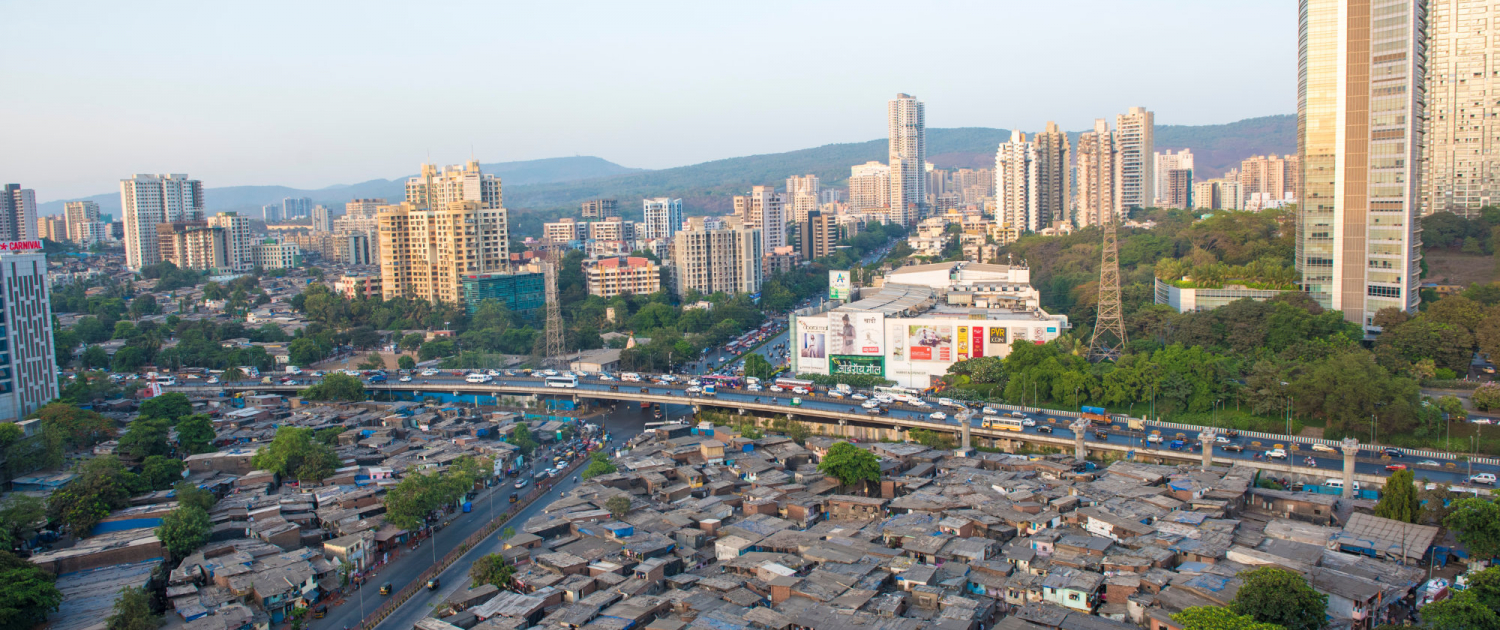
| Contrast | Dharavi slum
○ 60% of population still in poverty
■ Not benefitting from growth in Mumbai
○ Water and electricity is not always available and there are various health and safety issues.
○ 1 million people in 1 sq mile
○ Average income low
○ Infant mortality = 26 per 1000
○ Families unable to move out of slum as rest of Mumbai is too expensive
○ Homes are cramped and poorly built, often without water supply or sanitation. Lack of toilet and sewage facilities is a risk to health
○ There are few opportunities for women in slum areas.
■ With no qualifications, some resort to prostitution to earn a living, leading to higher rates of HIV and other STI's among poorer communities than in wealthy areas.
○ Slum areas are more vulnerable to floods, as they are poorly constructed houses and are often built on floodplains. |