Nationalism has played a role in the development of the modern world (Edexcel A-Level Geography): Revision Notes
📚Revision Notes
Nationalism has played a role in the development of the modern world
Nationalism → 🔗The belief held by people belonging to a particular nation that their own interests are much more important than those of people belonging to other nations.
19th Century Nationalism
- In the 19th century, nationalism was important in the development of empires
- EU states all established colonies overseas to create an empire
- France acquired huge areas across N Africa, Spain, Portugal
- Britain's empire included S Africa & the Indian subcontinent
- As EU nations industrialised, their empires expanded
- Nationalism was also a source of conflict in Europe & beyond as other nations became part of larger empires (eg. WW1)
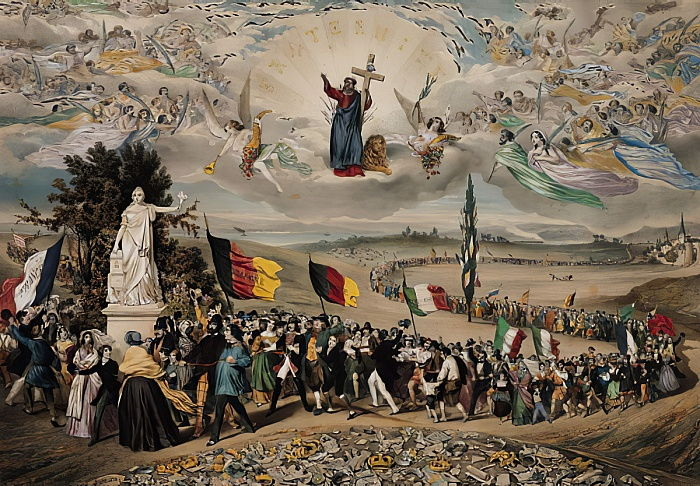
Rise of nationalism in Europe
The British Empire
- Began because of trade rather than nationalism
- Over time, pride in British achievements & wealth created national unity ∴ most British people believed their huge empire proved the British were a special nation
Empires and Colonies
- Empires helped create nationalism in their colonies
- People living in colonies often resented being controlled by another country Independence Movements
Brought people together who might have not always felt that they had much in common, perhaps because of different ethnicities. They were based on:
- Recognising and promoting the shared history and special qualities of people
- Looking forwards to the independent nation state that the people could build together once they were free of colonial control
Post 1945
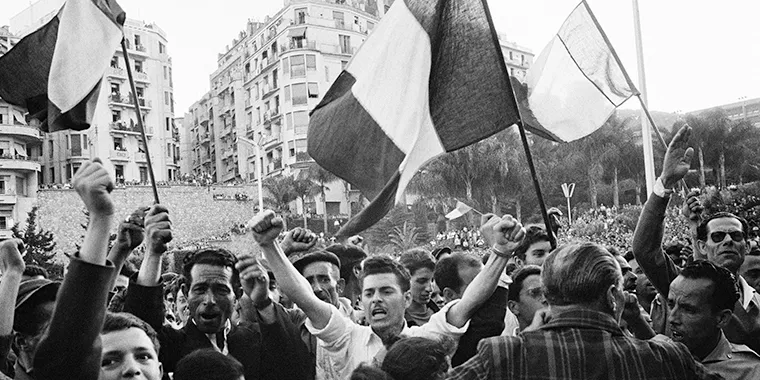
Decolonisation
Decolonisation
After 1945, many new nation states emerged as empires disintegrated:
-
Most former colonies gained their freedom and became independent
-
In Africa, there was a 'Wind of Change' Reasons
-
The high cost of waging two world wars
-
Growing resistance to foreign rule
-
Growing concern among young EU citizens about the injustice of Colonial rule
-
The rapid population growth in colonial nations, w an increase in numbers of educated youths
-
EU countries became less dependent on raw materials from their colonies Outcomes
-
Rapid decolonisation often left a 'power vacuum' and a lack of economic stability
-
Power was seized by the army or by ethnic groups who had worked alongside the colonial powers
-
Resentment arose among non-represented social groups, sowing the seeds of future conflict
-
Interference by the USA and Russia sometimes exacerbated post-colonial instability, causing proxy wars in Korea, Vietnam and Sudan (1950s and 60s)
Patterns of Migration
↳ Very strong patterns of migration
- Such movements have been important in changing the ethnic composition and cultural heterogeneity of the receiving countries
- Key connections are language and culture
- Reasons were to fill specific gaps in the workforce textiles