Wastage (AQA GCSE Design and Technology): Revision Notes
📚Revision Notes
Wastage in electronic and mechanical systems
Introduction to wastage
In electronic and mechanical systems, wastage refers to the various tools, equipment, and processes used to shape, fabricate, construct, and assemble high-quality prototypes. Understanding these tools and techniques is essential for creating precise and professional electronic systems.
Note
Mastering the proper use of these tools and techniques is fundamental to achieving professional-quality results in electronics work. Each tool serves a specific purpose and contributes to the overall precision and reliability of your projects.
Hand tools for systems
Side cutters
Side cutters are essential tools in electronics work that help you cut wires very close to circuit boards, creating neat and tidy connections. These precision tools ensure that excess wire length doesn't interfere with other components or create messy assemblies.
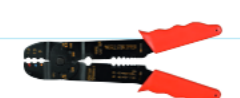
 Wire strippers
Wire strippers serve a specific purpose in electronics - they remove the outer insulating layer from wires without damaging the inner conductor. This process exposes the metal core so connections can be made to terminals, components, or other wires.
Note
The key to effective wire stripping is removing just enough insulation to make a good connection while preserving the integrity of the conductor underneath. Too much stripping can lead to short circuits, while too little makes poor connections.
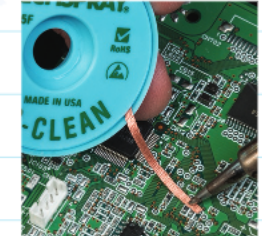
 Desoldering pump or desoldering braid
When you need to remove components from circuit boards or correct soldering mistakes, desoldering tools become invaluable. These tools help remove excess solder from joints, allowing components to be safely extracted or connections to be remade properly.
Tools for cutting PCBs
Guillotine
A guillotine provides the most accurate method for cutting printed circuit boards (PCBs). While other approaches like using a hacksaw or scoring with a craft knife exist, the guillotine delivers clean, straight cuts by snapping along the desired line. This precision is crucial when creating custom-sized circuit boards for specific applications.
Note
The snapping action of a guillotine creates a much cleaner edge than sawing methods, which can leave rough surfaces that may interfere with proper component placement or case fitting.
Tools for drilling circuit boards
Stripboard cutter
Stripboard cutters offer a straightforward solution for breaking the copper tracks on stripboard during drilling operations. This simple tool helps create the necessary breaks in conductive paths when building circuits on perforated board.
PCB drill
Small twist drills designed specifically for circuit board work typically range from 0.2mm to 1.5mm in diameter, matching the size requirements of different electronic components. These tiny drills present unique challenges - their small size makes them difficult to grip in standard chucks, so they require enlarged shanks for better holding power and increased strength.
Note
Professional PCB drilling machines use specialised chucks that enable perfectly straight drilling while reducing the risk of drill breakage. The precision required for component holes means that any deviation from vertical can cause problems during assembly.
Laser cutting materials for systems
How laser cutting works
Laser cutting represents a relatively new but widely adopted technology for creating accurate mechanical parts. The system can produce gears, cams, and various components from materials including polymers, wood, and certain metals. PCBs can also be cut and have layout patterns etched using this method.
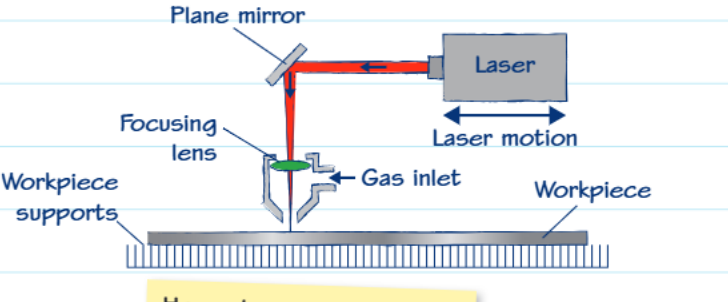 The laser cutting process involves several key components working together. A laser source generates the cutting beam, which travels horizontally before being redirected by a plane mirror. The beam then passes through a focusing lens that concentrates the energy onto the workpiece. Gas inlet systems provide assist gases that help with the cutting process, while workpiece supports hold the material in position.
Advantages of laser cutting
Laser cutting offers several significant benefits over traditional cutting methods:
Note
Key Advantages of Laser Cutting:
- No physical holding required: The workpiece doesn't need to be clamped or held during cutting, reducing setup time and eliminating marking from clamps
- Extremely precise cuts: The focused laser beam creates very accurate cuts with minimal material waste
- Versatile applications: Can be used for both cutting through materials and engraving surface patterns
- Enhanced safety: Reduces many of the risks associated with traditional cutting tools and methods
Safety considerations
Important
Critical Safety Information for PCB Drilling
When drilling small holes in PCBs, several hazards must be addressed. The fine drill bits are prone to breaking, requiring the work to be held securely in a drill press with the PCB placed under the drill to prevent movement. The drilling process can generate swarf (metal shavings), and broken drill bits may snap, creating potential eye hazards.
Safety glasses should always be worn during drilling operations to protect against these risks.
Summary
Key Points to Remember:
-
Hand tools are specialized - Side cutters, wire strippers, and desoldering equipment each serve specific purposes in electronics assembly and repair
-
Precision matters in PCB work - Guillotines provide the most accurate cuts for circuit boards, while specialised drills ensure proper component holes
-
Laser cutting offers unique advantages - No holding required, extremely precise cuts, and enhanced safety make it ideal for modern manufacturing
-
Safety is paramount - Always wear protective equipment when drilling, as small drill bits can break and create eye hazards
-
Tool selection impacts quality - Using the right tool for each task ensures professional results and reduces waste in your electronic systems projects