A new cruise port in George Town (AQA GCSE Geography): Revision Notes
📚Revision Notes
A new cruise port in George Town
The existing port situation
The port at George Town was constructed in 1977 with an original capacity designed to handle 50,000 tonnes of cargo annually. This facility operates as a mixed-use port, meaning it serves both cargo ships and cruise vessels at the same location.
Note
The mixed-use design of George Town's port means that cargo and cruise operations must share the same facilities, creating operational challenges that have become more pronounced as both sectors have grown significantly over the decades.
The port has undergone several upgrades over the decades to improve its facilities and capacity:
- 1988: The passenger landing dock received improvements to create a more attractive arrival experience for visitors while enhancing security measures
- 1993: A dedicated south terminal for cruise passengers was established
- 1997: The cargo distribution facility underwent expansion to handle increased trade volumes
Growth in cruise tourism
The Cayman Islands have experienced remarkable growth in both cargo trade and cruise tourism since the port's construction. Cargo volumes have increased dramatically - the port now handles over 500,000 tonnes annually, representing a tenfold increase from its original design capacity.
Cruise tourism has also expanded significantly. The number of cruise passengers visiting George Town has more than doubled since 1998, with growth continuing steadily year-on-year. By 2018, the islands were receiving nearly 29 cruise ship visits, up from just 18 in 2009. This represents almost 2 million cruise passengers annually.
Note
Despite this growth in visitor numbers, an important limitation affects the economic impact - approximately 15-20% of cruise passengers choose to remain onboard their ships rather than disembarking to explore the islands, reducing potential tourism revenue.
Current transportation system
Important
Tenders are boats that transport people from cruise ships to shore when ships cannot dock directly at the port. This system is currently essential for George Town's cruise operations due to the port's depth limitations.
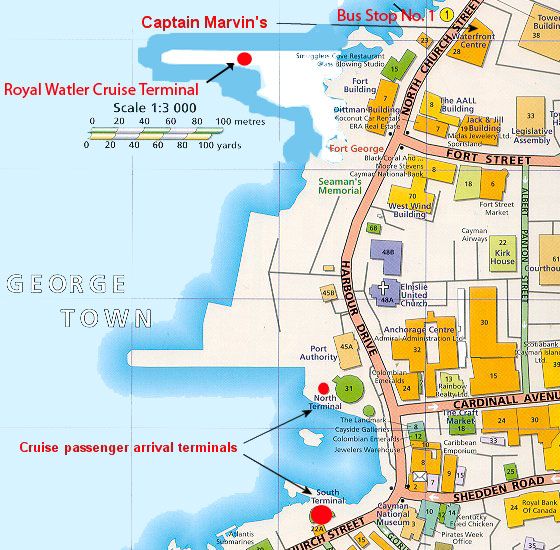
Currently, cruise passengers must be transported to shore using tender boats because many ships are too large to berth directly at the existing port facilities. The island operates three tender terminals to manage this process:
- South Terminal
- North Terminal
- Royal Watler Pier
This tender system provides income opportunities for local boat operators but creates logistical challenges for both passengers and port operations.
Problems with the existing port
The current port faces several significant challenges that affect both its operational efficiency and visitor experience:
Important
Critical Capacity Crisis
The port has reached its operational limits and is projected to run out of space entirely by 2033. The original 50,000-tonne design capacity is completely inadequate for current cargo volumes of over 500,000 tonnes.
Operational conflicts: Cargo operations can only take place during nighttime hours (between 6pm and 5am) because the container storage areas must also accommodate cruise passenger transportation during the day. Additionally, safety concerns prevent the use of heavy cargo equipment like cranes when passengers are moving through the port area.
Infrastructure limitations: The port lacks sufficient depth to accommodate modern cruise ships, which are becoming increasingly large. This forces continued reliance on the tender system.
Passenger experience issues: Many cruise visitors choose to stay onboard because disembarking requires a lengthy tender boat journey, reducing the time available for exploring the islands. Additionally, passengers' first impression of the Cayman Islands involves walking past industrial container storage areas.
Harbour congestion: Tender boats create congestion in the harbour area, which disrupts cargo operations and affects overall port efficiency.
The proposed new port development
In 2019, the Cayman Islands government announced plans for a completely new cruise terminal and port facility. The development would have been financed by the Verdant Isle Group at an estimated cost of $240 million. This consortium includes two major cruise companies - Carnival Corporation and Royal Caribbean Cruises.
Key features of the proposed port
The new facility would have included:
- Separate cargo and cruise facilities to eliminate operational conflicts
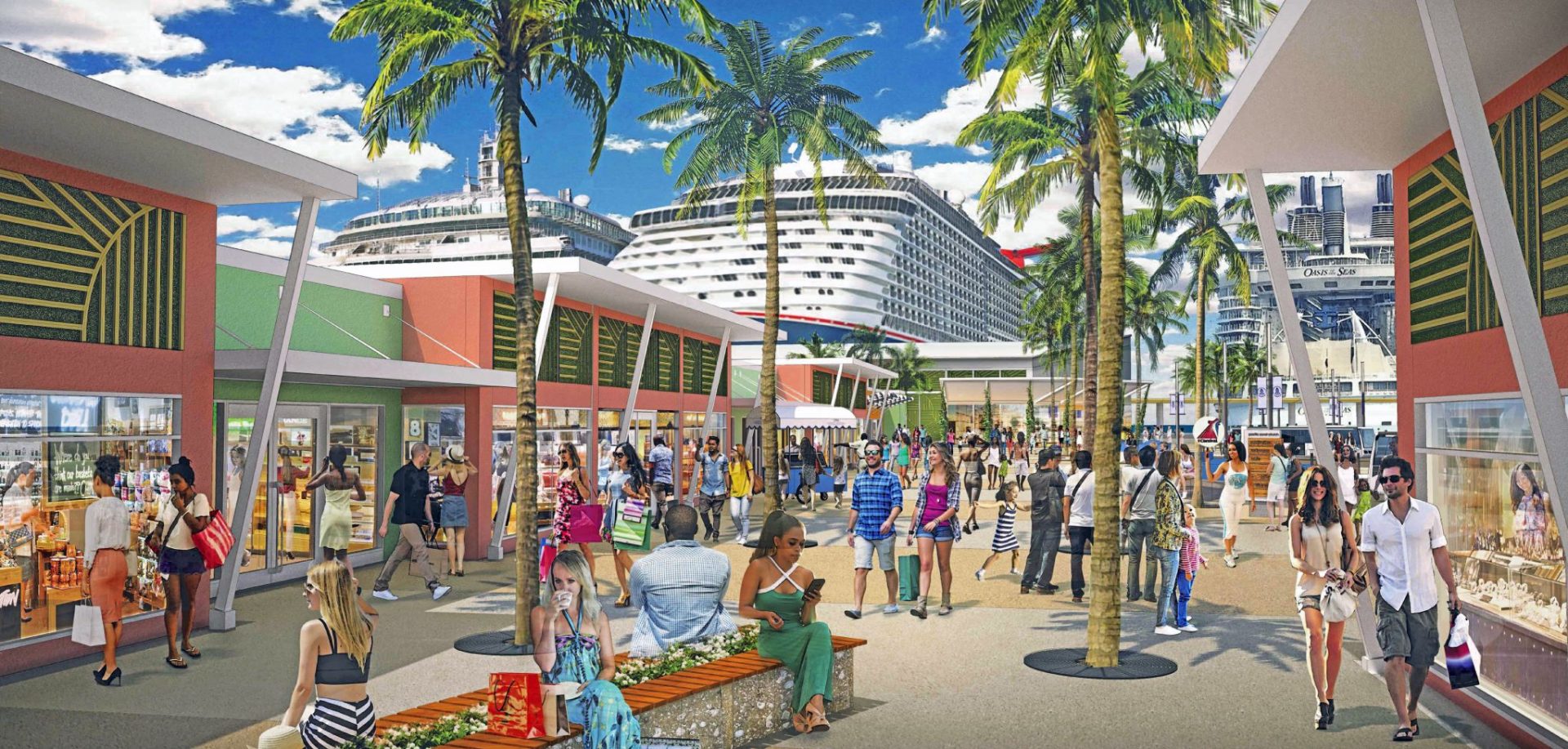
- Two dedicated cruise ship berths capable of accommodating four cruise liners simultaneously, each carrying an average of 6,000 passengers
- Shopping and leisure facilities to enhance the visitor experience
- Deeper berths created by dredging the seabed to 10 metres depth, allowing larger ships to dock directly
- New piers measuring 305m × 18m to handle modern cruise vessels
Note
The development would have been part of the broader George Town Revitalisation Initiative, which aimed to transform the area through enhanced infrastructure, improved lighting, better cyclist access, tree planting and green spaces, historical site conservation, new residential accommodation, and improved services and leisure facilities.
Benefits of the proposed development
Supporters of the new port highlighted several potential advantages:
Economic opportunities: The project would have created employment for over 5,000 people in cruise tourism-related jobs. The government argued that without the development, 50% of cruise business would be lost to other Caribbean destinations, threatening existing employment.
Improved passenger experience: Direct berthing would eliminate the need for tender boats, allowing passengers to disembark quickly and easily. This would likely increase the percentage of visitors who actually explore the islands, potentially boosting local tourism revenue.
Operational efficiency: Separating cargo and cruise operations would allow both to function more effectively. Cargo handling could occur throughout the day rather than being restricted to nighttime hours.
Infrastructure development: The associated George Town Revitalisation Initiative would improve living conditions and facilities for local residents while creating a more attractive environment for visitors.
Environmental concerns
Environmental groups and conservationists raised serious concerns about the proposed development, highlighting multiple potential impacts:
Important
Irreversible Environmental Damage
The project would require dredging approximately 15 acres of coral reef to create the deeper berths needed for large cruise ships. This would directly destroy part of the marine ecosystem with impacts lasting decades.
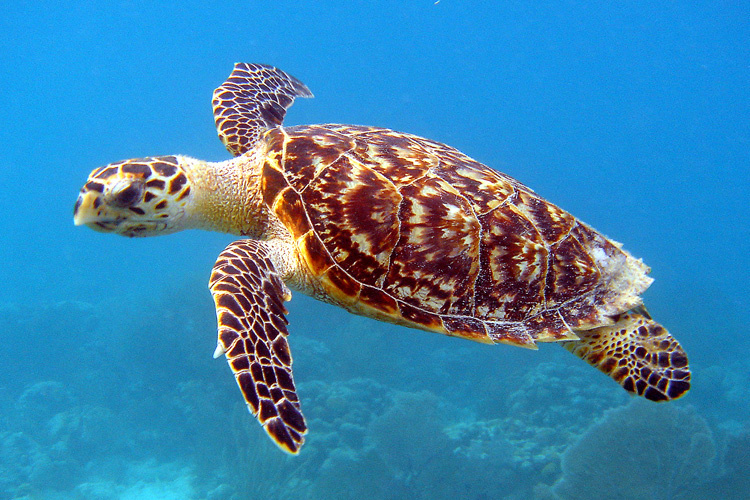
Threatened species impact: The area supports the critically endangered Hawksbill Turtle. The Royal Society for the Protection of Birds (RSPB) warned of "net loss of globally threatened wildlife" resulting from the development.
Water quality issues: Sediment disturbed during dredging operations would reduce water clarity and quality, potentially affecting marine life throughout the area.
Long-term ecosystem effects: The National Trust for the Cayman Islands emphasised that many varieties of marine life and coral species face risk from the development, with some already endangered.
Tourism impact: Businesses dependent on the coral reef, such as diving and snorkelling operators, would lose trade due to environmental damage. This could discourage long-stay visitors who contribute more to the local economy than cruise passengers.
Note
Government Mitigation Efforts
The government pledged to minimise environmental impacts through several measures: removing and transplanting coral to reduce overall damage to reef systems, consulting with environmental groups to identify and address potential impacts, and monitoring the environmental effects of port operations.
Economic vs environmental arguments
The debate over the new port highlighted fundamental tensions between economic development and environmental protection:
Arguments supporting the development
Employment creation: More than 5,000 jobs depend on cruise tourism, and the new facility would secure and expand these opportunities while creating additional employment in construction and related industries.
Economic competitiveness: Larger cruise ships increasingly dominate Caribbean tourism. Without facilities to accommodate these vessels, the Cayman Islands risk losing visitors to destinations with better port infrastructure.
Visitor experience: Direct docking would encourage more passengers to disembark and explore, potentially increasing their spending in local businesses and extending their visits.
Infrastructure improvement: The George Town Revitalisation Initiative would create lasting benefits for residents through improved facilities, safety, and environmental quality in the urban area.
Arguments against the development
Environmental irreversibility: Destroying 15 acres of coral reef would cause permanent damage to marine ecosystems, with coral taking decades to recover even under optimal conditions.
Tourism sustainability: Environmental damage could deter long-stay visitors who typically spend significantly more than cruise passengers and contribute more substantially to the local economy.
Limited economic benefit: Many cruise passengers spend only one day on the islands and contribute relatively little to local businesses compared to longer-term visitors.
Alternative development: Resources invested in the port could be used for sustainable tourism development that preserves the natural environment while still creating economic opportunities.
The government's final decision
Despite the potential economic benefits, the Cayman Islands government ultimately abandoned the proposed port development. This decision followed sustained opposition from local residents and environmental organisations who prioritised environmental protection over short-term economic gains.
Example
Government Position Statement
The Minister of Tourism stated: "I'm a representative of my people, and my people have said that the environment is more important to our country, from a sustainable perspective, than cruise itself."
This decision demonstrates how public opinion and environmental concerns can override economic pressures in development decisions.
Currently, there are proposals to either relocate the cargo port to another location on the Cayman Islands or extend the existing cargo facilities at George Town. However, any such developments would still involve environmental impacts that require careful consideration.
Summary
Key Points to Remember:
-
The existing George Town port was built in 1977 but is now severely overstretched, handling ten times its original cargo capacity and facing a complete lack of space by 2033
-
Cruise tourism has doubled since 1998, but many passengers stay onboard due to the inconvenience of tender boat transportation to shore
-
The proposed $240 million new port would have separated cargo and cruise operations while allowing direct berthing for large ships, but would have required destroying 15 acres of coral reef
-
Environmental concerns about impacts on critically endangered species like the Hawksbill Turtle led to strong local opposition to the development
-
The government ultimately prioritised environmental protection over economic development, abandoning the port proposal in favour of sustainable tourism approaches