Desertification - Causes and Solutions (AQA GCSE Geography): Revision Notes
📚Revision Notes
2.3.4 Desertification - Causes and Solutions
Note
Desertification: The segregation of land so that it becomes more desert-like – it becomes drier and less productive.
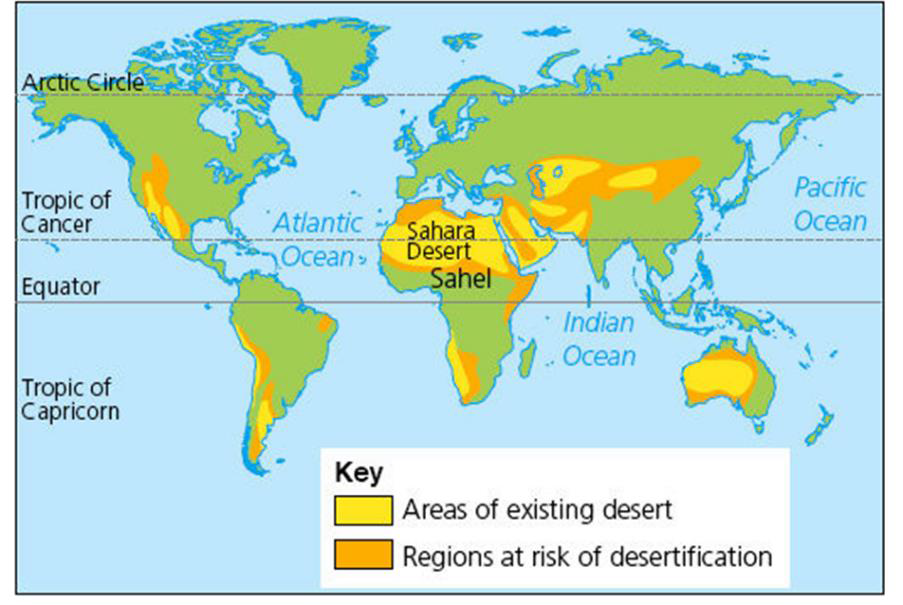
A third of the world's land surface is at risk of desertification, particularly at the margins of current deserts. The most famous area at risk from desertification is the Sahel in Africa, just below the Sahara Desert.
Causes of Desertification
1. Climate Change
Rainfall
Rainfall
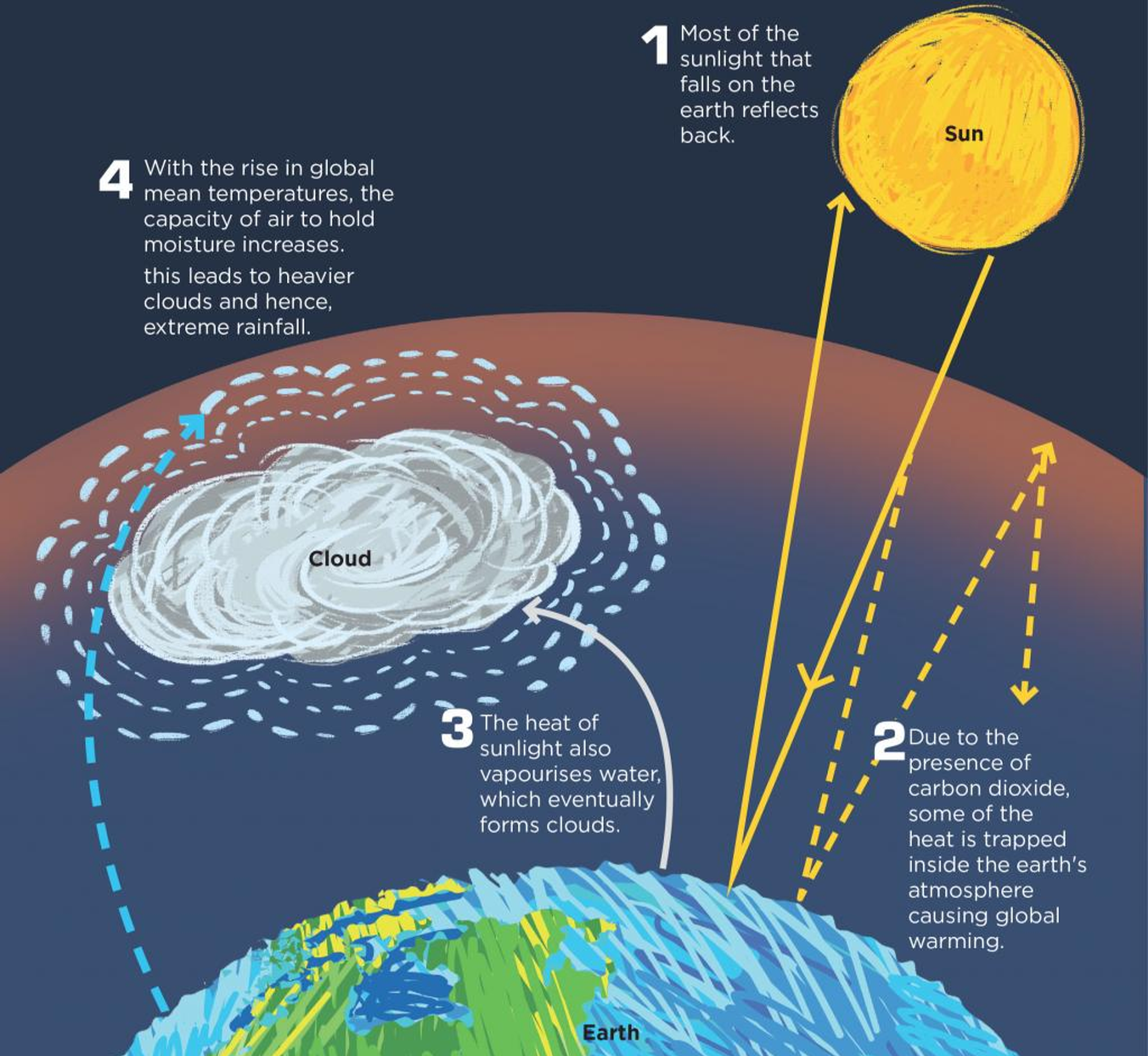
- Climate change is expected to reduce rainfall in areas that are already dry.
- Less rain = less water for plant growth.
- If plants die, the soil is easily eroded.

Temperatures
Temperatures
- Global temperatures are expected to increase.
- Higher temperatures mean more water evaporates from the land and from plants.
- This makes soils drier and means plants die (so their roots no longer bind the soil together).
2. Human Activities
- Removal of Fuel Wood
- Many people in arid (dry) areas rely on wood for fuel or cooking.
- Removal leaves the soil exposed = erosion.
- Overgrazing
- Too many cattle eat the plants faster than they can regrow.
- Leads to soil erosion as no plants are left to bind the soil.
- Over-cultivation
- If crops are planted in the same area continually, all the nutrients in the soil get used up.
- This means plants can no longer grow in this area.
- Population Growth
- Puts pressure on the land, leading to more deforestation, over-grazing, and over-cultivation.
Effects of Desertification
- Increased Risk of Flooding
- Crop Failure
- Famine
- Increased Soil Erosion
- Lack of Vegetation for Grazing
- Loss of Nutrients in the Soil
- Population Decline as People Move Away
- Dust Storms
- Salinization Caused by Over-irrigation:
- Occurs when water in soil evaporates in high temperatures, drawing salts from the soil to the surface.
- These salts are toxic to many plants and make the land unusable.
- Has consequences such as loss of vegetation and fewer crops.
Solutions to Desertification
Afforestation
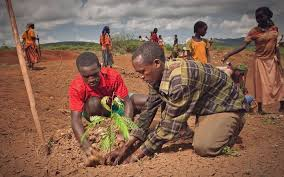
- Planting more trees – the roots of trees hold the soil together and help to reduce soil erosion from wind and rain.
- Growing trees amongst crops (agroforestry) helps protect the soil and provides shade for the crops.
Afforestation
Water Management
Water Management
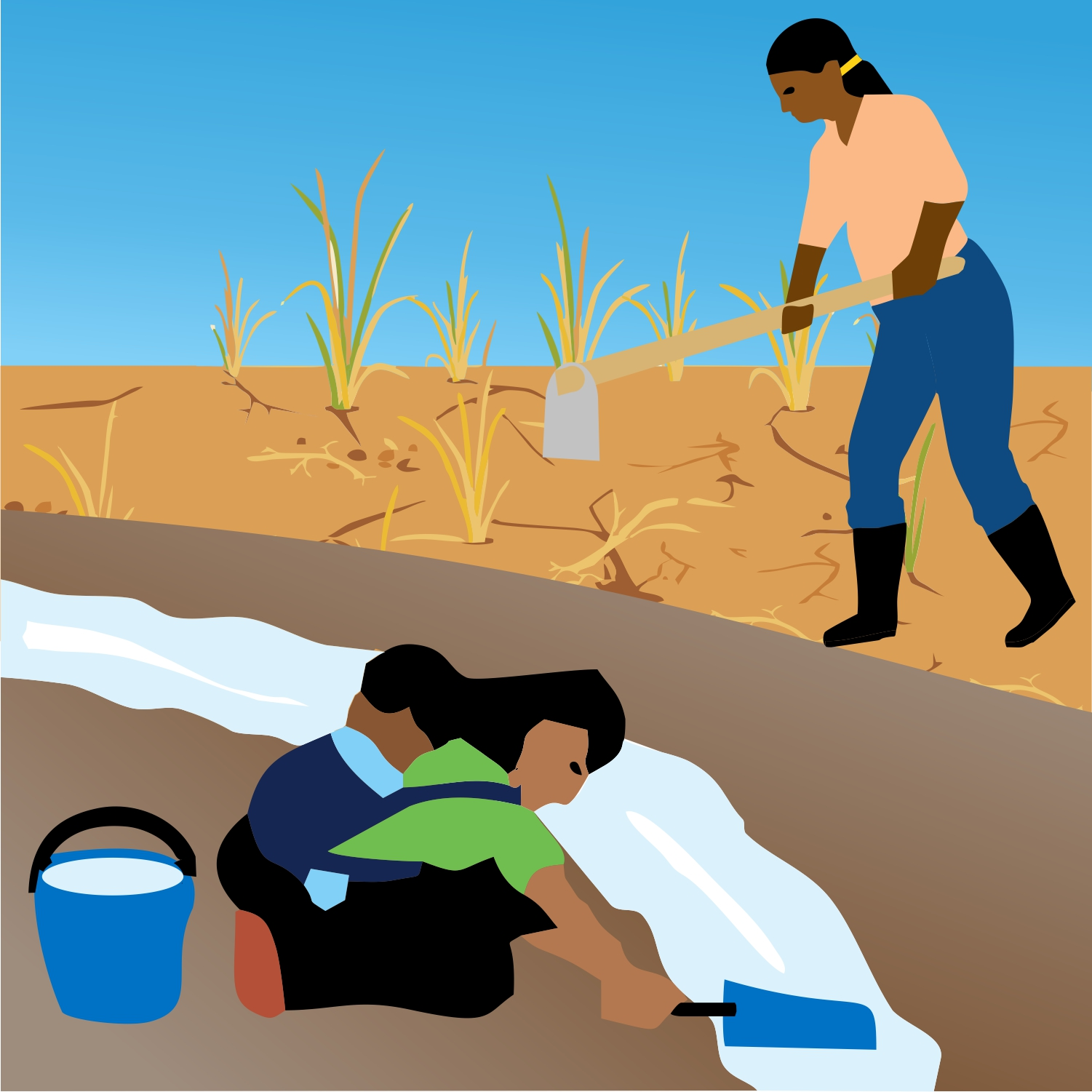
- Water can be stored in earth dams in the wet season and used to irrigate crops during the dry season. This is an example of using appropriate technology to manage water supplies in the desert environment.
- Growing crops that don't need much water (e.g., olives) can reduce water use.
Soil Management
- Quality Improvement
- Encouraging people to reduce the number of grazing animals they have and grow crops instead.
- Animal manure can be used to fertilise the crops grown.
- Growing crops in this way can improve the quality of the soil as it is held together by the roots of plants and protected from erosion.
- This type of farming is more sustainable.
- Crop Rotation
- Rotating crops that use different nutrients from the soil ensures the same nutrients don't keep getting used.
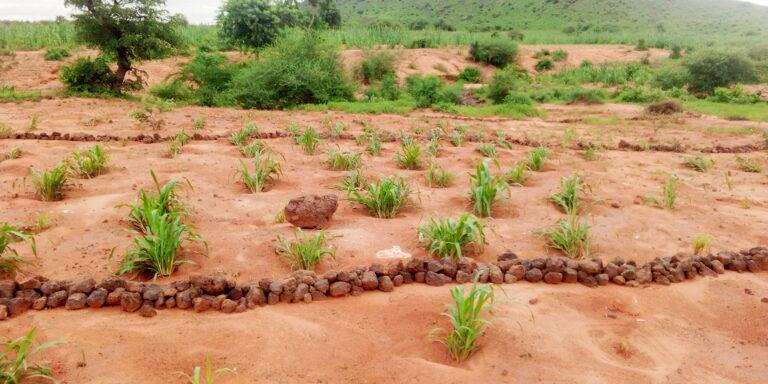
Appropriate Technology (e.g., Stone Lines/Bunds)
Local farmers are encouraged to use bunds to prevent soil erosion.
Magic Stones (or Bunds)
- Circles or walls of stones placed on the ground to hold water on the soil rather than letting it run quickly over the surface.
- The picture to the right shows a Bund Wall.
Magic Stones (or Bunds)
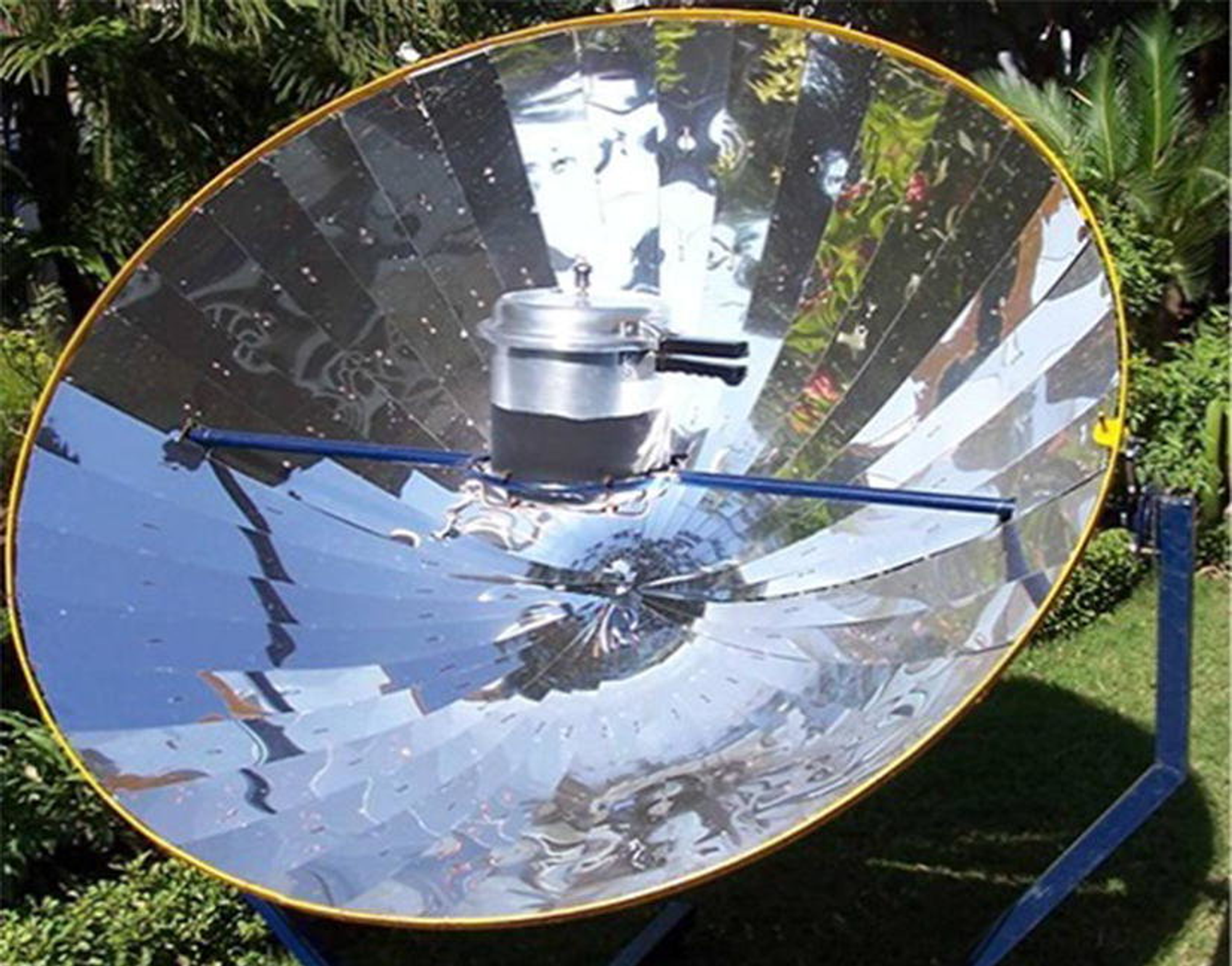
Solar Cookers
- Use the sun's energy to cook food rather than fuel wood.
- Cheap and easy to use.
Solar Cookers