International reaction to Soviet measures in Czechoslavakia (Edexcel GCSE History): Revision Notes
📚Revision Notes
International reaction to Soviet measures in Czechoslovakia
Overview of global responses
The Soviet intervention in Czechoslovakia during 1968 created significant international tensions, though reactions varied greatly between different regions and political systems. While the action shocked the world, it surprisingly did not severely damage the improving relationship (détente) between the superpowers. The international community's response revealed deep divisions both within the Western alliance and the communist world itself.
Note
The term "détente" refers to the period of improved relations between the United States and Soviet Union during the 1960s and 1970s, characterised by reduced tensions and increased diplomatic cooperation.
Western reactions and responses
Condemnation without action
The United States and West Germany strongly criticised the Soviet invasion and the Brezhnev Doctrine that justified it. Western media described the intervention using dramatic language, with some sources calling it "the rape of Czechoslovakia". However, this moral outrage did not translate into concrete military or economic support for the Czechoslovak people.
Important
The Brezhnev Doctrine was the Soviet policy that justified military intervention in Eastern bloc countries to preserve communist rule. This doctrine became a cornerstone of Soviet foreign policy and directly influenced events in Czechoslovakia.
The lack of Western military intervention stemmed from practical constraints rather than indifference. The United States was deeply committed to the Vietnam War, which had already stretched American resources and public patience thin. American leaders feared that direct confrontation with Soviet forces in Central Europe could escalate into a global nuclear conflict. This pragmatic approach meant that Western condemnation remained largely symbolic.
Impact on Western communist parties
The invasion had profound effects on communist movements in Western Europe. Established communist leaders found themselves in an impossible position - supporting Moscow meant endorsing the crushing of reform movements that many of their supporters sympathised with.
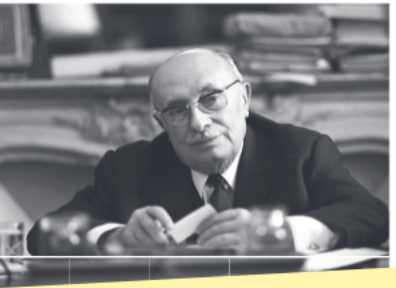
Jacques Duclos, who led the French Communist Party, represented this dilemma perfectly. His party had maintained close ties with the Soviet Union since World War II, but the Czechoslovak crisis forced a fundamental reassessment. The French communists ultimately severed their formal connections with Moscow, marking a significant shift in European left-wing politics.
Similarly, communist leaders in Italy, including Enrico Berlinguer, expressed horror at the Soviet actions. This marked the beginning of "Eurocommunism" - a movement where Western European communist parties developed ideologies independent of Soviet control, emphasising democratic principles and rejecting authoritarian methods.
Example
Historical Example: The Birth of Eurocommunism
The Czechoslovak crisis directly led to the development of Eurocommunism:
Step 1: Western communist parties faced pressure from supporters who sympathised with Prague Spring reforms Step 2: Parties like those in France and Italy publicly condemned Soviet actions Step 3: These parties began developing independent ideologies that rejected Soviet authoritarianism Step 4: This created a new form of communism that emphasised democratic principles and national independence
Eastern bloc reactions and consequences
Fear and compliance
The invasion sent a clear message to other Eastern European nations: reform movements would be crushed by military force if necessary. Countries like Poland, which had experienced their own periods of unrest, now understood that Moscow would not tolerate significant deviations from the established system.
This created a atmosphere of caution and suppression across the Eastern bloc. Reform movements went underground, and governments adopted policies that increasingly ignored public opinion. The result was growing popular discontent, as citizens' demands for change were systematically dismissed, leading to periodic protests and civil unrest.
Division within the communist world
Despite Soviet expectations of unified support, the invasion actually exposed serious fractures within the communist movement. The crisis demonstrated that communist solidarity was not as strong as Moscow had assumed.
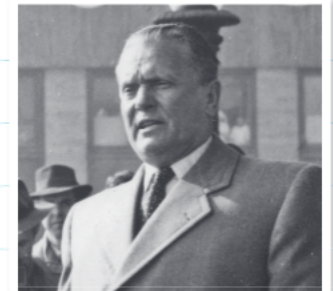
Josip Broz Tito of Yugoslavia emerged as one of the most significant critics of Soviet policy. Yugoslavia, though communist, had never joined the Warsaw Pact and maintained an independent foreign policy. Tito's condemnation of the invasion was particularly significant because it came from within the communist world itself.
Romania, under Nicolae Ceaușescu, also openly criticised the Soviet action. Both Yugoslavia and Romania strengthened their ties with Communist China, creating a three-way split in the communist world that undermined Soviet claims to leadership of international socialism.
Note
The split between Yugoslavia, Romania, and the Soviet Union demonstrated that the communist world was not monolithic. This division would have lasting effects on Cold War dynamics and contributed to the eventual collapse of Soviet influence in Eastern Europe.
Impact on superpower relations
Détente survives the crisis
Surprisingly, the Czechoslovak crisis had limited impact on improving US-Soviet relations. Several factors contributed to this unexpected outcome. First, the invasion resulted in relatively few casualties - fewer than 100 people died during the intervention. This meant that while the political implications were serious, the humanitarian crisis remained limited.
Second, both superpowers had compelling reasons to continue pursuing détente. The United States remained focused on extricating itself from Vietnam, while the Soviet Union faced growing economic pressures that made improved trade relationships attractive.
Dangerous precedent set
However, the crisis had unintended long-term consequences for Soviet thinking. Leonid Brezhnev interpreted the lack of American military response as evidence that the United States would not challenge Soviet interventions in regions where pro-Soviet governments existed. This assumption proved fatally flawed when applied to different circumstances.
Important
Critical Miscalculation: Brezhnev's overconfidence from the Czechoslovak crisis directly contributed to the disastrous decision to invade Afghanistan in 1979. Unlike Czechoslovakia, Afghanistan was not part of the established Eastern bloc, and the invasion provoked a much stronger American response.
The Soviet leader's overconfidence contributed to the decision to invade Afghanistan in 1979. Unlike Czechoslovakia, Afghanistan was not part of the established Eastern bloc, and the invasion provoked a much stronger American response, effectively ending the détente period and contributing to renewed Cold War tensions.
Timeline of key events
- August 1968: Soviet forces invade Czechoslovakia, crushing Prague Spring reforms
- Late 1968: Western European communist parties begin distancing themselves from Moscow
- 1969-1970: Eastern bloc countries implement stricter controls to prevent reform movements
- Early 1970s: Détente continues despite Czechoslovak crisis
- 1979: Soviet invasion of Afghanistan, partly influenced by overconfidence from 1968 experience
Summary
Key Points to Remember:
- Western nations condemned the invasion but provided no military support due to Vietnam War commitments and fear of nuclear escalation
- The crisis actually strengthened Soviet control over most Eastern bloc countries while creating divisions within the broader communist world
- Superpower détente survived the crisis largely because casualties remained low and both sides had reasons to maintain improved relations
- The invasion marked the beginning of "Eurocommunism" as Western communist parties developed independence from Moscow
- Brezhnev's overconfidence from this crisis contributed to the disastrous decision to invade Afghanistan in 1979, which ended the détente period