The challenge from militant labour (OCR GCSE History B (Schools History Project)): Revision Notes
📚Revision Notes
The challenge from militant labour
Wentworth House in Yorkshire was built by the Fitzwilliams in the 19th century from wealth gain from the coal industry. It was twice as wide as Buckingham Palace. Miners were paid very poorly and the gross extravagance of the building brought the family into conflict with miners. In 1893, the image you see below was taken. It appears like a ceremonial cavalry procession, but is actually the cavalry guarding the Fitzwilliams from angry, militant miners.
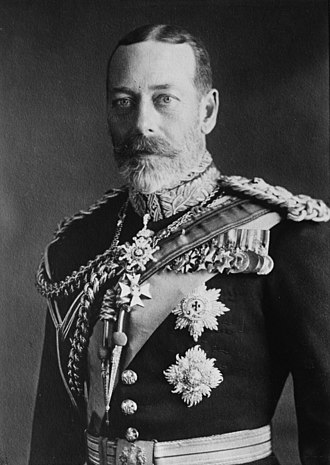
After Edward VII died, he was replaced by King George V. Industrial tension increased from 1910, and in 1912 George felt the threat of revolution was so great that he cancelled a foreign trip and wrote to Winston Churchill asking whether law and order could be maintained. Churchill replied ominously stating order could be maintained but it was likely that people would get killed. Both leaders wanted to avoid revolutions like had been seen in other European countries.
The country is in a dangerous state of social disturbance… [this is] the opening phase of a real and irreparable class war…
The Daily Mail, 1912
What caused the tensions and crisis?
- A series of strikes led by new-style trade unions
- Workers realised from the 19th century that working together en-masse could see reform
- The London Dock Strike of 1899 showed that unskilled workers could strike successfully.
- By 1910, trade unions exists for all kinds of occupations, not just for skilled labourers.
- Unions had enough money to shut down factories and still pay members' wages.
SYNDICALISM can be defined as people attempting to improve the lives but believed that the political route was ineffective and a waste of time as it was controlled by middle and upper-class men who had little understanding of working-class needs.
- Syndicalists believed only trade unions really represented the people and mass action involving millions of people that brought a country to a halt was the way to bring about reform. To establish a socialist state, militant union activity was the best way to achieve it.
From the Dock Strike, three men emerged as leaders who would go on to play a significant role in militant trade union action:
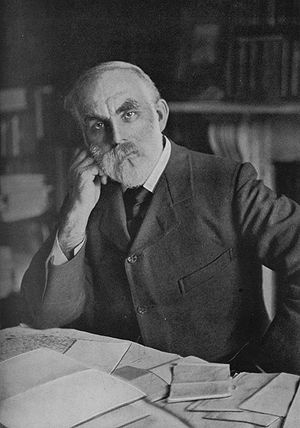
John Burns
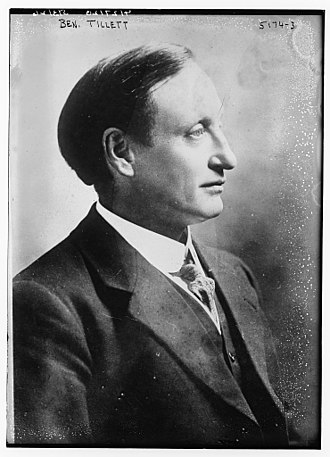
Ben Tillett
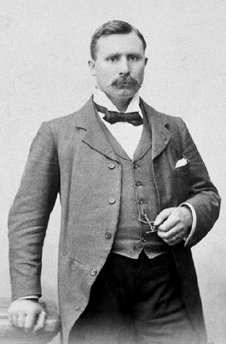
Tom Mann
All three men were socialist trade unionists wanting to improve the lives of workers. Burns and Tillet became MPs for Liberal and Labour, respectively. Mann went to Australia for 10 years and returned as a convicted syndicalist.
The challenge from militant labour: The Great Unrest
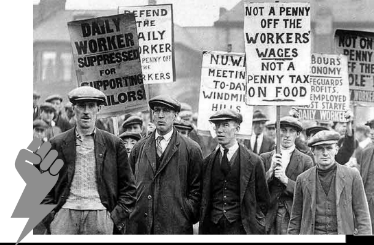
Between 1906 and 1910, food prices rose by 25% yet wages did not. People were barely surviving and tensions were growing between employers and trade unions over increasing wages.
From 1911 to 1914, trade union membership increase from 1,6 million to 2,7 million, or 20% of the workforce. This period is known as the Great Unrest and involved strikes at docks, mills and shipyards. In 1912, for example, there were 17 separate labour strikes in Lancashire alone.
Note
"Our men have been under the thumbs of the masters from at least 1870 until now and they desire better homes, better food, better clothing, better conditions."
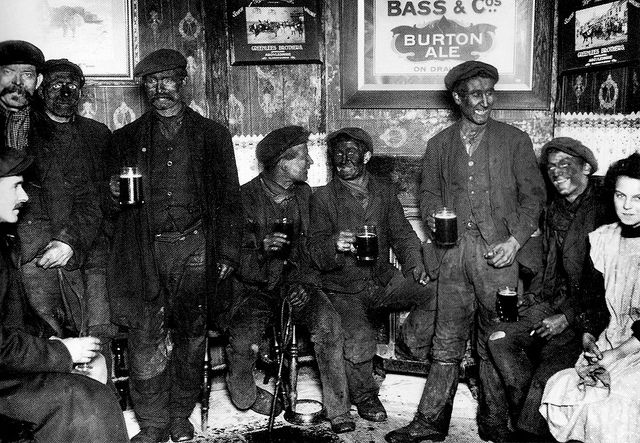
In 1912, coal miners went on strike for higher wages. They demanded 25p per day for men and 10p per day for boys (who were as young as 12 years old working down in the pits).
Coal production ground to a halt.
Dock workers, transport drivers and miners supported each other in a triple alliance to bring the country to a stop.
Strike action cause a loss of 40 million working days.
Glossary of Terms
Edwardian Era
Spanning 1900-10 and into WWI, it is regarded as a 'Golden Age' of British history and involved social and political reform.
Constitutional Crisis
A problem or conflict in the function of a government that the constitution or other governing law is unable to resolve.
Lib-Lab Pact
A working arrangement between the Liberals and Labour Party in British parliament in order to oppose Conservative agendas.
Franchise
An authorisation granted by a government giving (certain) citizens the right to vote in general elections.
National Insurance Scheme
A system of compulsory payments by employees and employers to provide state assistance for people who are sick, unemployed, or retired.
Syndicalism
A political philosophy that politics was not the way to bring about reform, rather mass trade union strikes involving millions to bring a country to a halt and bring about the establishment of a socialist state.
Exam Practise
Task 1
Note
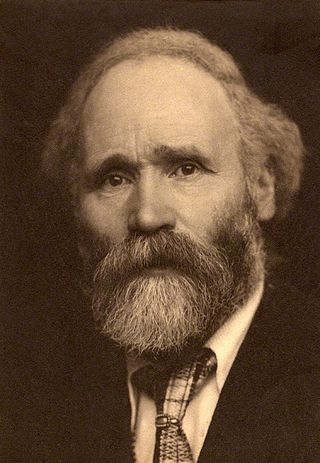
Read Source A, a message by Hardie congratulating the Duke and Duchess of York on the birth of their son while ignoring a mining disaster in Wales that killed 250 miners, then answer the questions which follow:
- What was the mining disaster
- Why did Hardie say such words?
- What an you deduce about his political leaning based on his sentiments?
"Everyone will rejoice in a quiet way with the Duke and Duchess of York on the birth of their child, but it is to the sore-stricken poor of that Welsh valley that the true hearts of this great nation will turn with overwhelming sympathy. The life of one Welsh miner is of greater commercial value to the British nation than the whole Royal crowd put together… 250 beings, full of strong life in the morning, reduced to charred and blackened heaps of clay in the evening. Woe, woe unutterable everywhere throughout that Welsh valley… we are a nation of hypocrites.
Keir Hardie, a member of the House of Commons known for wearing Scottish miner's clothes
Task 2
Note
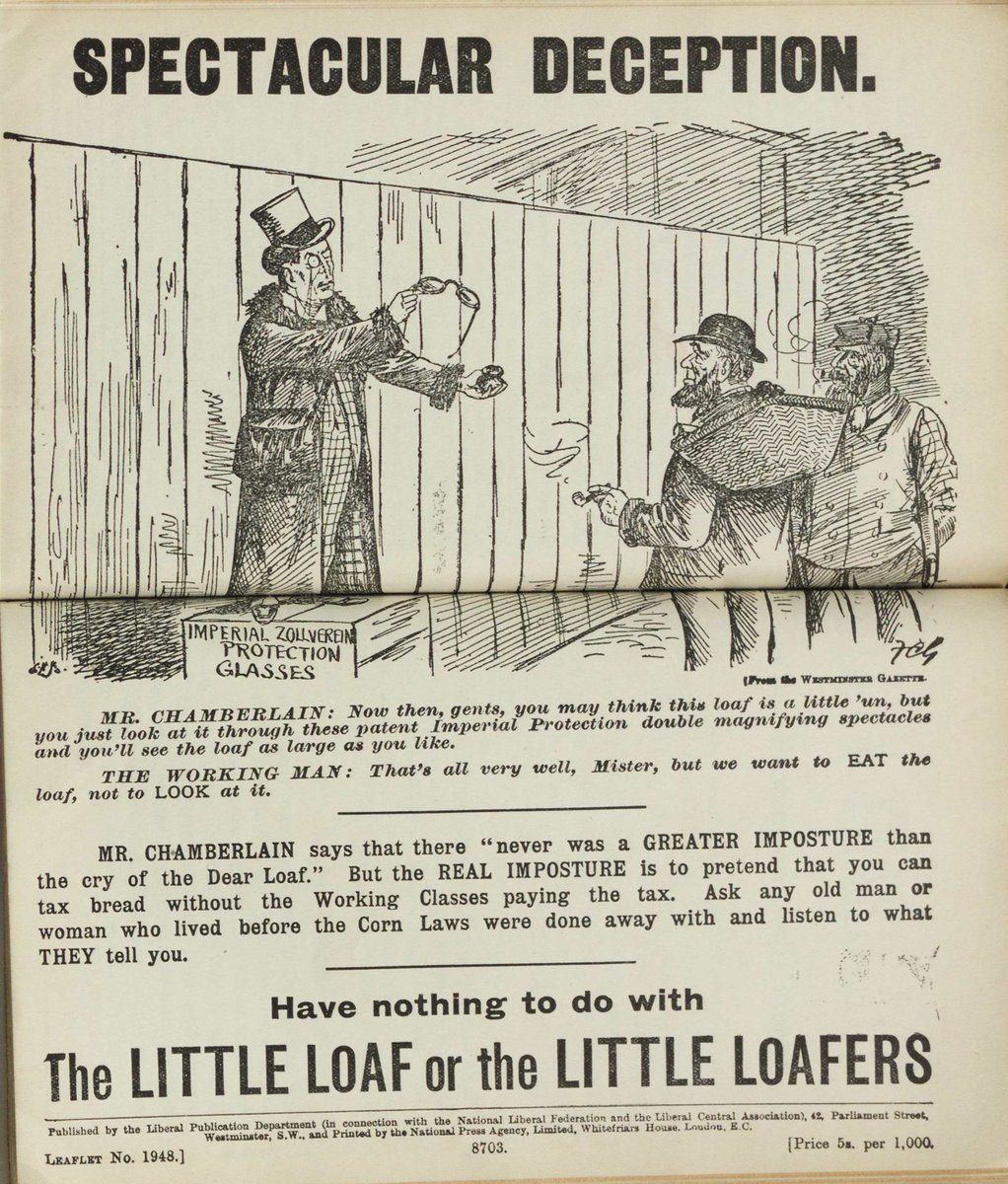
Examine the political cartoon in Source B and answer the questions that follow: 4. Describe what you see in the cartoon 5. What is big loaf and little loaf all about? 6. What is being suggested in the cartoon? 7. Who do you think authored the cartoon and why? 8. Who is the intended audience and why?