Women’s lives at the beginning of the twentieth century (OCR GCSE History B (Schools History Project)): Revision Notes
📚Revision Notes
Women's lives at the beginning of the twentieth century
The nature and extent of support for women's suffrage
The lives of women in the 1900s
Note
Edwardian Britain was a patriarchal society where men were in all positions of control and power. Women were expected to listen to men and be 'angels of the home'. The roles of women were domestic - to be wives, homemakers, mothers and, if they had to work, to do so in the homes of others as servants.
Women were not allowed to vote at all - by contrast, the vote had been extended to all men over the age of 21 who owned property or who paid a suitable amount of rent.
It was widely believed that men and women belonged in separate spheres of life, this included politics, work and public life. It was believed the world was harsh and too tough for the gentle, weak natures of women, who were more emotional and less rational than men.
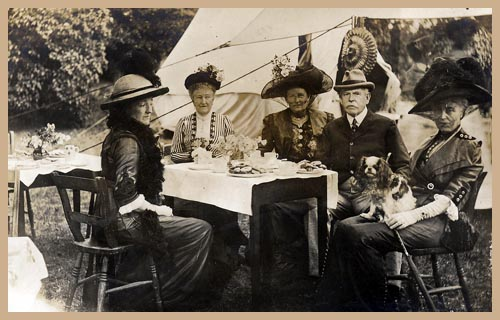
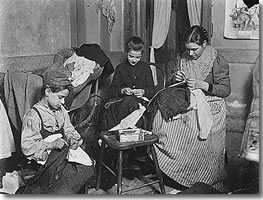
Contrasting lives of poor and wealthy women in Edwardian Britain
Men, especially, believed that it would be dangerous to extend the vote to women as they wouldn't understand the gravity of their decisions. These men believed that husbands should be able to vote on behalf of their wives.
Note
Despite living easy lives compared to working-class women, middle and upper class women were growing tired of their restricted domestic lives and began seeking change in the first decade of the 1900s. Why were they bored?
Note
For middle- and upper-class women, it was considered proper to have a nanny raise their children. Edwardian mothers would thus only spend an hour or two with their children in the evenings shortly before bedtime.
Note
When children became older, around seven years old, they were typically sent off to boarding school. Mothers would then only see their children during the holidays - amounting to a few weeks of the year.
Upper-class women were not expected to do the housework - they had two or more maids, a housekeeper and a cook. The servants would even help them get dressed, do their hair and take baths.
Life for middle-class women offered a little more freedom compared to upper-class women. Marriages were more of a partnership, and women were able to occupy themselves and use their talents with volunteer work through the church or charities. They were still expected to devote the bulk of their attention to the home and their husbands, however. Fortunately, they had one or more servants to take care of the house and it was middle-class women who spearheaded the campaign to vote.
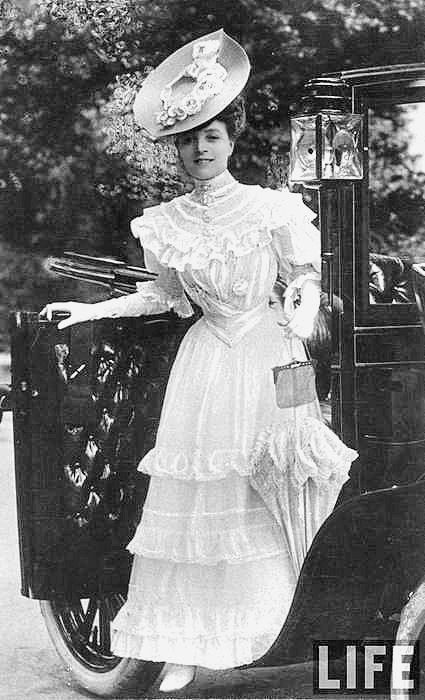
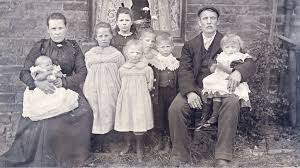
Note
Life for working-class women was extremely hard. The wages of a working class family were very low, they often had many children (4-5 by the 1900s), and a woman's job was to raise them, take care of the home on her own (unless she had daughters to help) without any labour-saving devices, while even working as a maid or cook right into her 50s.
Women and Work in Edwardian Britain
Without the convenience of modern devices like washing machines, vacuums and dishwashers, housework took a lot of time and left little for working outside the home.
It was considered a great source of shame if a husband was unable to earn enough income to require his wife to go leave the home to find work. Most work was piece work for pennies.
Professions that paid better than servants' work were entirely dominated by men who actively excluded women.
The only real exceptions to women in the workforce was potteries and cotton mills, particularly in Lancashire.
To work in an industry such as cotton weaving, for example, women not only earned their own money, but they were able to pay the fees to belong to trade unions. This boost in independence and power gave women the confidence to work together to begin campaigning for the vote.
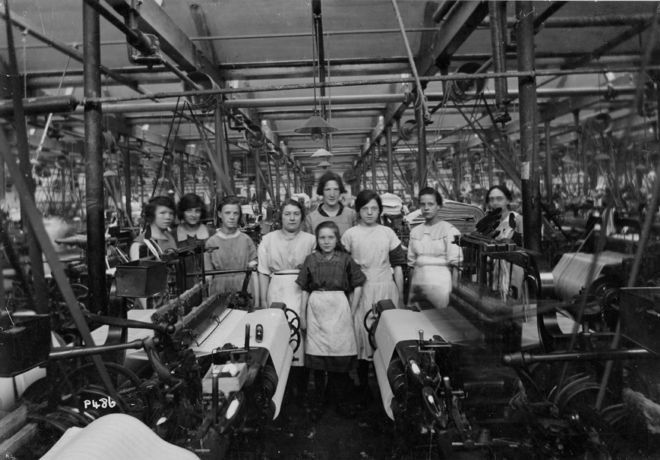
Women workers at a cotton mill in Lancashire.
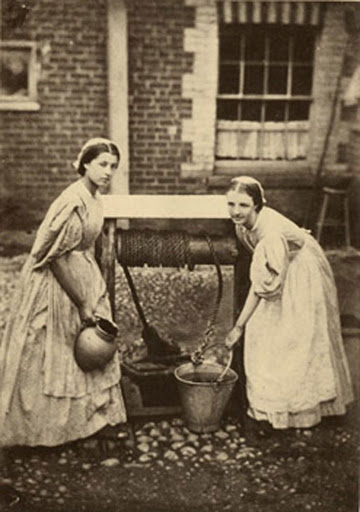
Laundry had to be washed, wring and hung up by hand.
Come the 1900s, with new laws that provided free education for children, there were many more schools and the 20th century brought new opportunities to girls who were growing up. Florence Nightingale had transformed the profession of nursing turning it into a respectable career, and by the 1900s, there were 172,000 women teachers and 64,000 nurses.
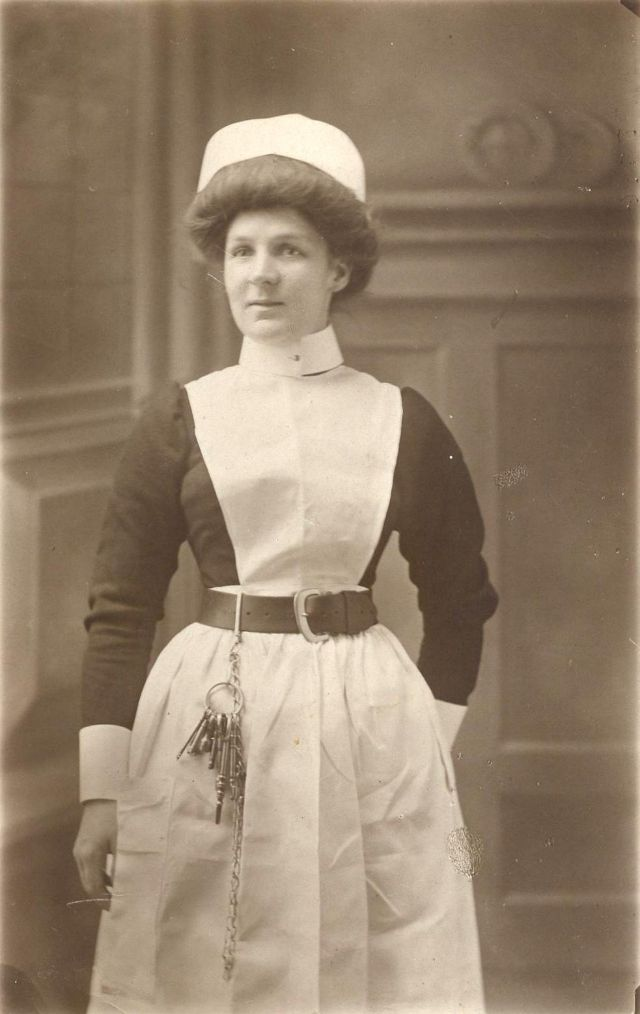
Left: Edwardian nurse, right, Edwardian teachers.
Local government had also expanded to create office jobs for women, such as typists and secretaries. High street shops and department stores were also on the rise, giving women work in retail. Even at 80 hours a week, it was still better than demeaning servant or dirty factory jobs.
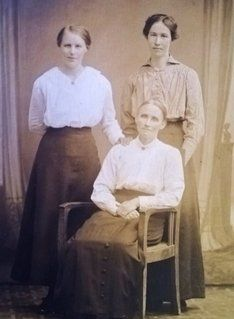
The working world was still very unequal and this was most apparent in wages: A male teacher earned £127 (£15,000) per year, while a woman doing the same job earned just £92 (£10,000). In those years, there were very few women in professions, e.g. 277 female doctors, 6 architects, 3 vets, and 2 accountants, while domestic services employed nearly 2 million women.