‘Aliens’ and refugees during the First and Second World Wars (OCR GCSE History B (Schools History Project)): Revision Notes
📚Revision Notes
'Aliens' and refugees during the First and Second World Wars
WHO WAS COMING TO BRITAIN?
In 1905, the Aliens Act was enacted by government to restrict people searching for money and jobs from coming to Britain. For the first time, there were immigration controls and registration put in place, which gave the Home Secretary overall responsibility for immigration and nationality matters.
One of the effects of this legislation was limiting the Jewish immigration from eastern Europe, which was on the increase since 1880 as a consequence of pogroms.
Belgians
Belgians
Note
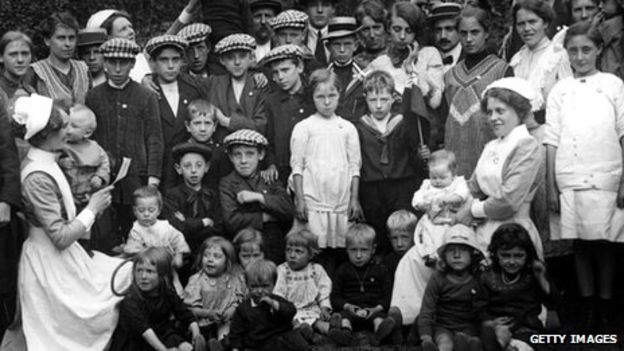
Nevertheless, in 1914, at the outbreak of WWI, nearly 250,000 Belgian refugees arrived in Britain. They lived and worked in Britain and were largely tolerated throughout the war years. In 1918, almost all of them returned to their homeland with free one-way tickets provided.
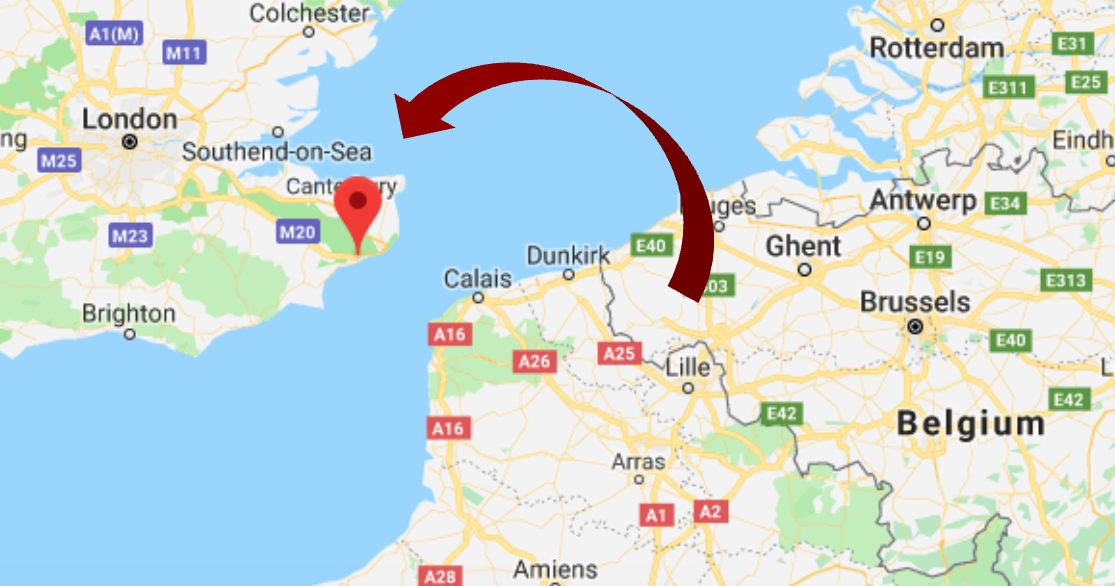
The 250,000 Belgians was one of the largest single influxes of immigrants to Britain in its history. On 14 October 1914, 16,000 refugees arrived at Folkestone in Kent in one day.
Some Belgians ended up in purpose-built villages in which they had their own schools, community newspapers, shops, hospitals, churches, prisons and police.
These areas were run by the Belgian government and considered Belgian territory. As a result, most British communities were unaffected by their arrival.
Note
When the war ended, many Belgians had their jobs terminated and were given little choice but to return home, especially since the free ticket was a limited-time offer. Within a year, around 90% had returned home.
Germans
As you've learned in earlier modules, Britain had long been home to German communities. At the outset of WWI, this was no exception.
They were less kindly treated than the Belgians, however. Deemed 'enemy aliens', the newly passed British Nationality and Status of Aliens Act required all Germans to register at police stations.
It came into force on 1 January 1915 and stipulated what British subject status was.
With Germans now deemed enemy aliens, they had to prove their good character and proficiency in English in order to remain in Britain. They also faced discrimination and violence:
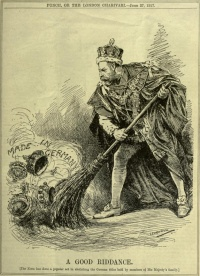
A political cartoon from 1917 illustrating Germanophobia
Note
Propaganda encouraged enlisting to defeat the German enemy who were cruel to British prisoners. British subjects were encouraged to boycott German businesses and products.
Mobs attacked German businesses when the Lusitania sank.
Note
WWI had seen a number of diverse groups arrive in Britain. While many returned home when the war was over, many also stayed. With the arrival of WWII, a new influx of diverse people would take place.
Jewish refugees
In 1933 Hitler rose to power in Germany and set about realising his ambition to build a superior Aryan race. Jews were targeted and those who could not escape to countries of safety, such as Britain, were killed in their millions.
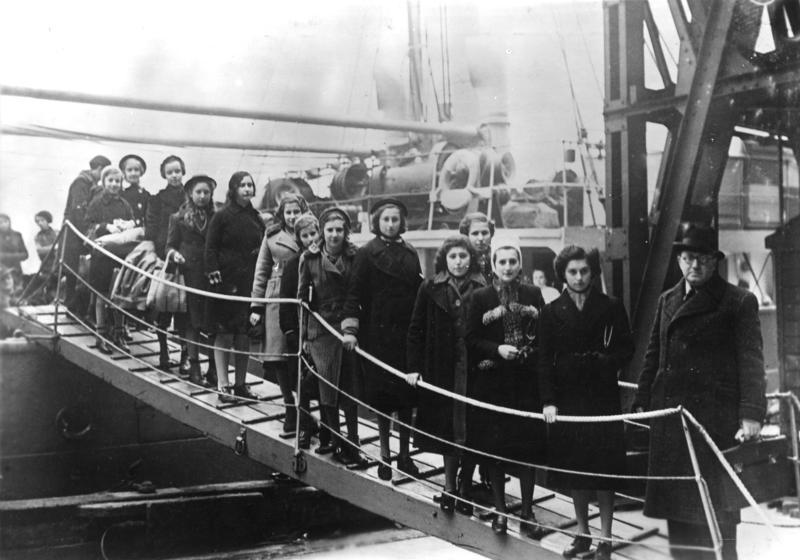
Jews arriving in London in 1939
Note
Jews seeking refuge in Britain provided a conundrum for government, as the Aliens Act of 1905 was designed to limit immigration unless people had money or jobs to go to. The anti-alien mood was still strong from WWI, and there were a number of British fascists, too...
What made matters worse for the thousands of Germans living in Britain was that many did not support Germany and its actions. Nevertheless,
29,000 were deported
32,000 were sent to internment camps
One of these internment camps was Knockaloe on the Isle of Man.
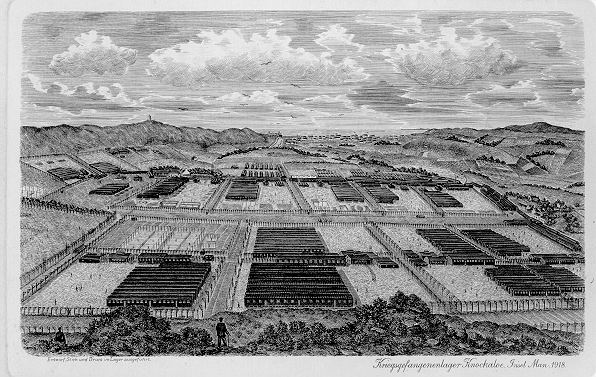
Sentiment towards Germans in Britain soured as the war drew on, with the press fanning the flames by publishing opinions such as:
"You cannot naturalise an unnatural beast - a human abortion - a hellish freak. But you can exterminate it. And now the time has come. No German must be allowed to live in our land." — From John Bull magazine
Note
As a result of Germanophobia, over 2,000 German properties in London were vandalised and over 200 totally gutted. Though the army was sent in by the government to protect the German communities who had pledged their loyalty to Britain, it didn't stop harassment and intimidation.
Fortunately, opposition was heavily outweighed by sympathy for the Jews and the government allowed Jewish refugees to enter Britain without the required money or jobs. They had to prove they wouldn't be a financial burden on the state, however. Of the 500,000 Jewish applicants in 1938, 11,000 were accepted. Statistics showed they actually created jobs for British workers.
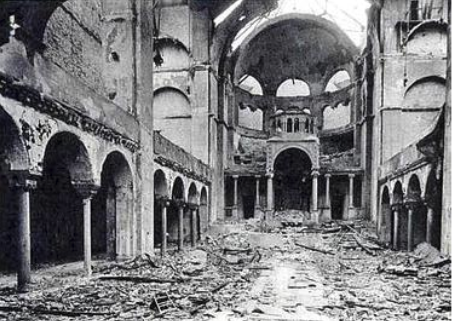
A destroyed synagogue in Berlin after the Kristallnacht pogrom
After the Kristallnacht pogrom in November 1938, in which more than 7,000 Jewish businesses were damaged or destroyed, and 30,000 Jewish men were arrested and sent to concentration camps, Britain accepted more Jewish refugees, bringing the number to 60,000.
Assimilation was difficult for many Jews, who struggled to find work. Doctors were not allowed to practise, even though there was a shortage.
Kindertransport
Some arrivals to Britain were tens of thousands of Jewish children whose parents had sent them to Britain for safety. This was achieved by Christian activists persuading the government to lift all immigration restrictions on persons under the age of 17 provided someone could take care of them.
Poles
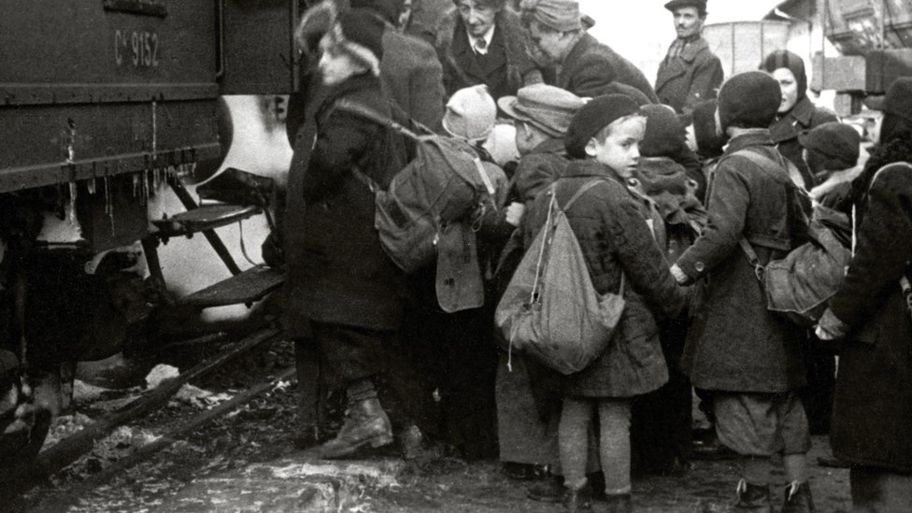
In 1939, Poland was invaded by Germany. As Britain was an ally of Poland, as many as 160,000 refugees fled to Britain. Many joined the armed forces, with 14,000 joining the RAF alone.
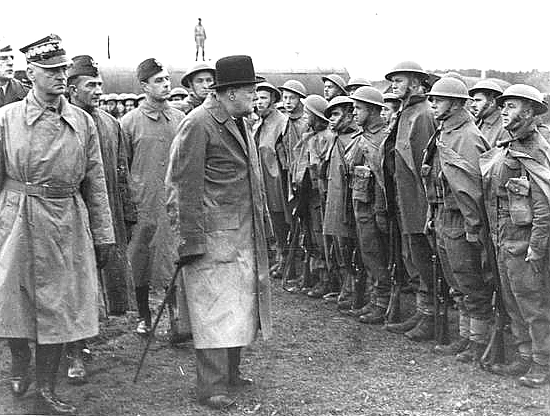
General Sikorski (left) and Winston Churchill review Polish troops in England, 1943.
Note
Poles were well received in Britain primarily because:
- They served in the armed forces
- Polish pilots shot down German planes in the Battle of Britain
- Polish mathematicians and experts were helping crack the Enigma code.
What happened after the war?
Poland was then invaded by the Soviet Union, a communist enemy of Britain. In 1947, through the Polish Resettlement Act, Poles living in Britain were given the choice to stay. 120,000 chose to stay and servicemen's families were allowed to join them. They lived in former RAF camps. Other Poles entered the coal industry where there was a labour shortage. By 1947, 43,000 Polish workers were employed in industry.