The succession crisis of 1066 (OCR GCSE History B (Schools History Project)): Revision Notes
📚Revision Notes
The succession crisis of 1066
Note
Edward the Confessor and Edith of Wessex had no children, leaving no successor to the throne when the King died on 5 January 1066.
The Witan convened and Harold was crowned the same day as Edward's burial on 6 January 1066.
Note
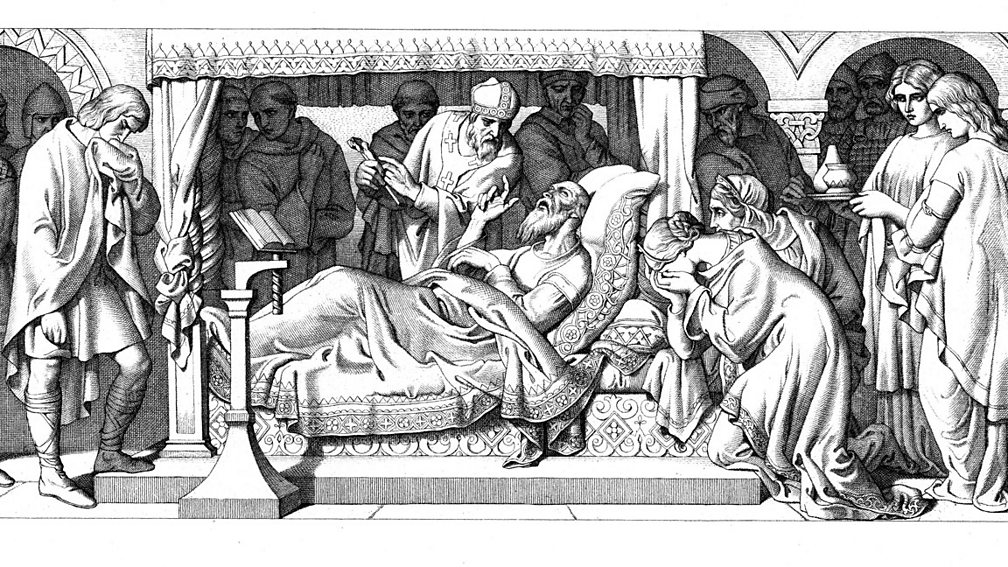
An etching of Edward the Confessor on his deathbed
What was the purpose of Harold Godwinson's embassy to Normandy in 1064/5?
In 1064/5, Harold was shipwrecked off the coast of France and held by a French count, who passed him on to William, Duke of Normandy. The Norman version of events was that Harold had come to France to tell William that Edward the Confessor had selected the Norman Duke as his successor. Anglo-Saxons claimed Harold was there to negotiate the release of his brother and nephew, who had been taken hostage.
Note
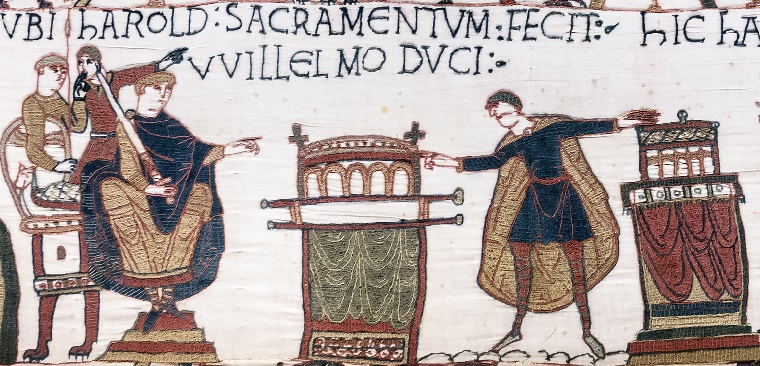
Scene from the Bayeux Tapestry, depicting Harold swearing an oath of loyalty to Duke William
Harold spent time in Normandy and assisted William in a number of military campaigns, being rewarded with symbolic gifts of armour and weapons. This suggests that William viewed Harold as his vassal. Harold was then said to have sworn an oath to William, promising to support his claim to the throne of England.
The year of the death of the Ango-Saxon king, Edward the Confessor, had been eventful as significant people came forwards to claim the English throne. The succession crisis prompted battles between the claimants, each garnering as much support as possible, to determine the fate of the crown of England.
Who were the rival claimants for the throne?
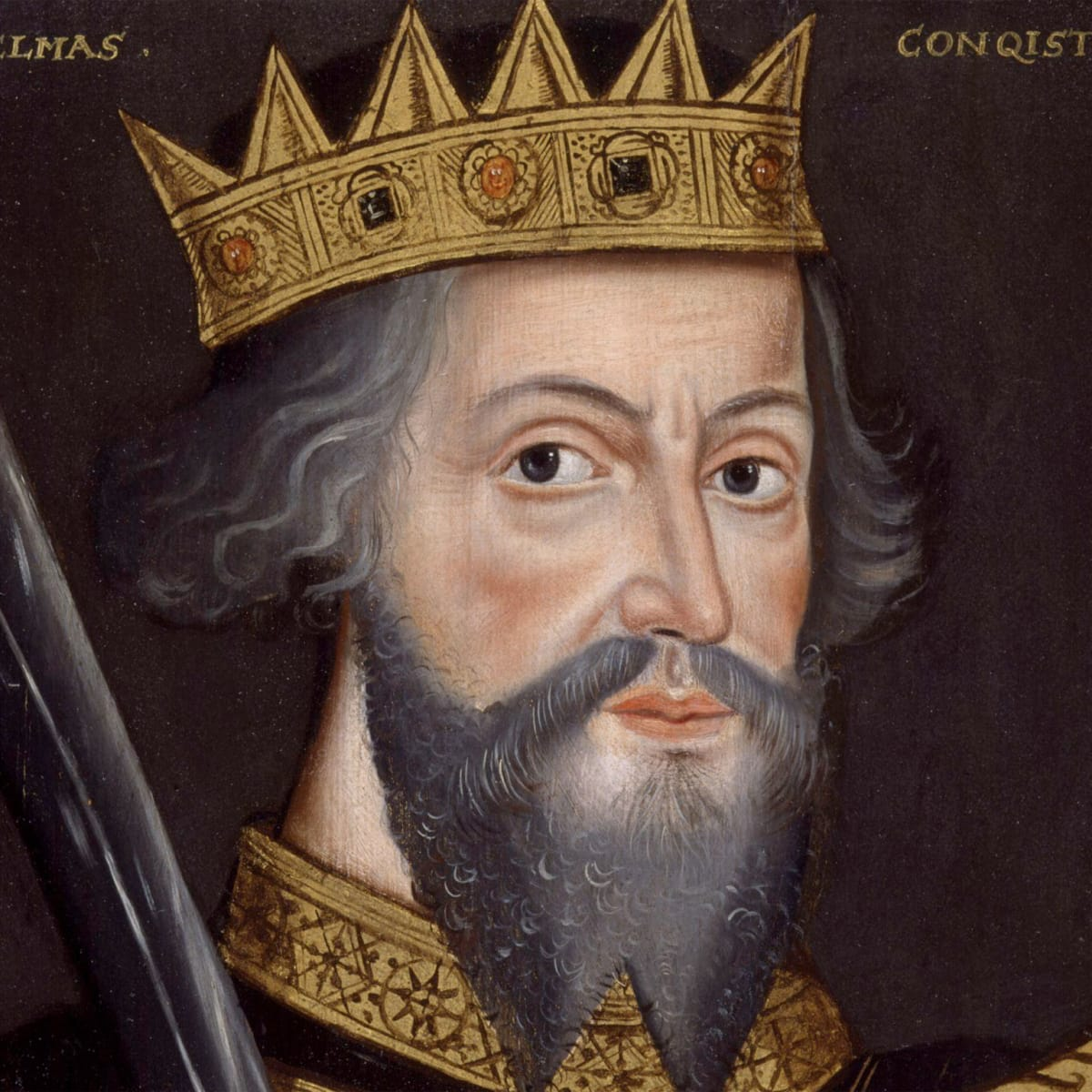
William, Duke of Normandy
An agreement was supposedly made between William and King Edward in about 1051, and was believed to be confirmed during Harold's embassy in 1064. He was backed by the Pope.
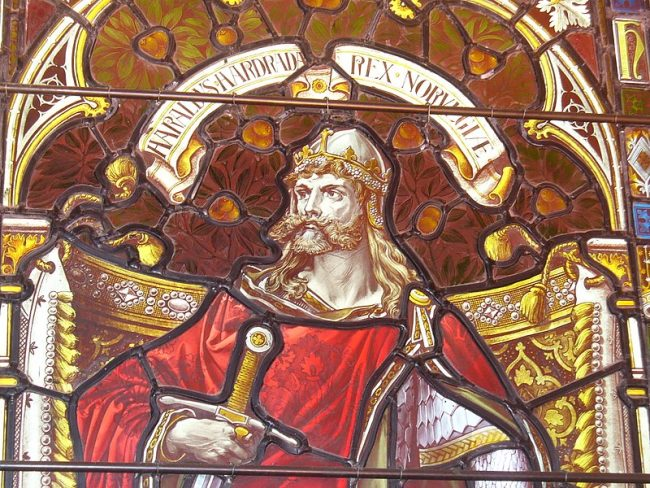
Harald Hardrada
His claim was based on a secret deal about another secret deal made by previous Viking kings. He had 15,000 warriors and 300 or more Viking longships at his command.
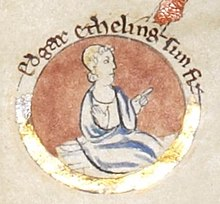
Edgar Aethling
His father was Edward's nephew and claimed to be the natural heir, hence Aethling means prince of royal blood. Whilst he was blood related, his power and skills were questionable.
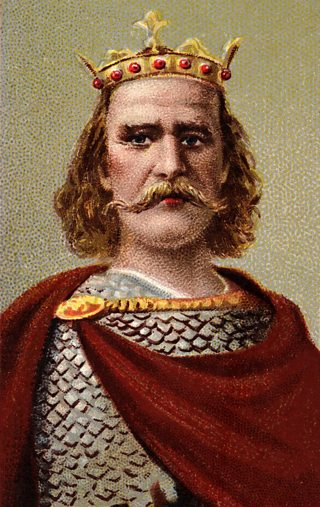
Harold Godwinson
He claimed to have been appointed by Edward on his deathbed. He was the king's brother-in-law and a proven military leader, supported by the earls and thegns.
The coronation and reign of Harold Godwinson
A large number of the Witan were already gathered when Edward died, and they met the same day to elect Harold Godwinson as king, who was crowned the next day. The Anglo-Saxon Witan believed that Harold was the best candidate to defend England from Norwegian and Norman attacks and prevent it from falling to a foreign ruler, since he was a powerful warrior-leader.

Once crowned, Harold went to York to meet the members of the Witan who weren't present in London to confirm their support. Harold then began to prepare his army.
He gathered one of the largest forces ever seen in England and positioned forces along the south coast to defend against an attack from Normandy. He also stationed a large fleet of ships on the south coast.