Density (OCR GCSE Physics A (Gateway Science Suite)): Revision Notes
📚Revision Notes
3.1.1 Density
Density
Note
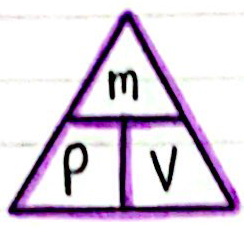
The density is defined as the mass per unit volume. density = $$\frac {mass}{volume}
Note
Formula
- is density
- is mass
- is volume
Note
Where the density ρ, in kilogrammes per metre cubed, kg/m3, mass, m, in kilogrammes, kg, and volume, V, in metres cubed, m3
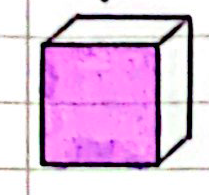
Regular Objects
Steps to Determine Density:
- Mass: Use a balance to measure the mass.
- Volume: Calculate the volume by multiplying the dimensions
Irregular Objects
Steps to Determine Density:
- Volume:
- Drop the object in a liquid.
- Measure the volume of the liquid displaced.
- Mass: Use a balance to measure the mass.
- Equipment: Use a eureka can for measuring the displaced liquid volume.
Liquids
Steps to Determine Density:
- Measuring Volume:
- Place the liquid in a measuring cylinder and set the balance to zero.
- Read the volume on the measuring cylinder.
- Mass: Use a balance to measure the mass.
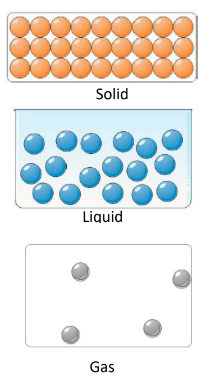
Density depends on the spacing of the atoms in matter
- Solids and liquids have similar densities as the space between particles does not change significantly
- Usually liquids have a lower density than solids (main exception is ice and water)
- Gases have a far lower density
- The spacing between atoms increase x10, as the particles have lots of energy to move, so volume increases greatly and therefore the density decreases greatly compared to solids/liquids
Note
Remember if questions involve change in state and ask for new volume/pressure, the mass is the same!