Key Moments (Junior Cert English): Revision Notes
📚Revision Notes
Key Moments
1. Amy Burns Jo's Manuscript (Childhood Conflict & Forgiveness Theme)
Summary:
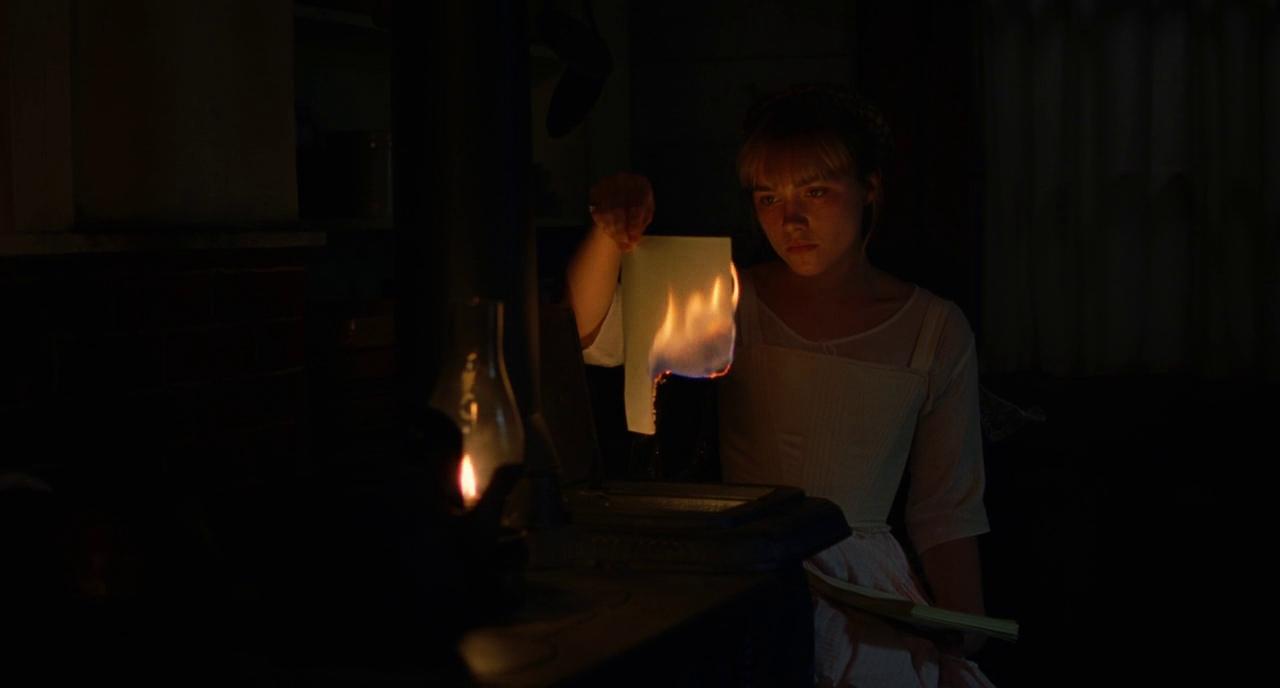
- After Jo refuses to let Amy go to the theatre, Amy retaliates by burning Jo's manuscript, her most prized possession.
- The next morning, Jo realises what Amy has done and is furious, vowing never to forgive her.
- Later, when Amy falls through the ice, Jo panics and rescues her, showing that despite their conflicts, family always comes first.
Film Techniques:
✔ Close-Up Shot of the Burning Pages – Emphasises Amy's satisfaction as she destroys Jo's work, showing her immaturity and jealousy.
✔ Low-Key Lighting in Jo's Room – After the fire, Jo's desperation is heightened by darker lighting, symbolising her sense of loss.
✔ Parallel Scenes (Fire & Ice) –
- Amy burns Jo's book (fire = destruction, anger).
- Amy falls into the ice (water = danger, renewal).
- This contrast symbolises conflict followed by forgiveness.
Key Quotes:
✔ "I will never forgive you." → Jo's initial fury at Amy.
✔ "I'm sorry, Jo." → Amy's regret as she realises the impact of her actions.
Significance:
- Shows Jo and Amy's complicated sister dynamic—rivalry but deep love.
- Introduces Amy's struggle with always being second to Jo, which becomes important later when Laurie proposes to her after Jo rejects him.
- Reinforces the theme of family bonds overcoming anger.
2. Beth's Death (Loss & Coming of Age Theme)
Summary:
- Beth's illness worsens, and Jo cares for her.
- The film juxtaposes past and present, showing how Jo once believed Beth would recover but now must face reality.
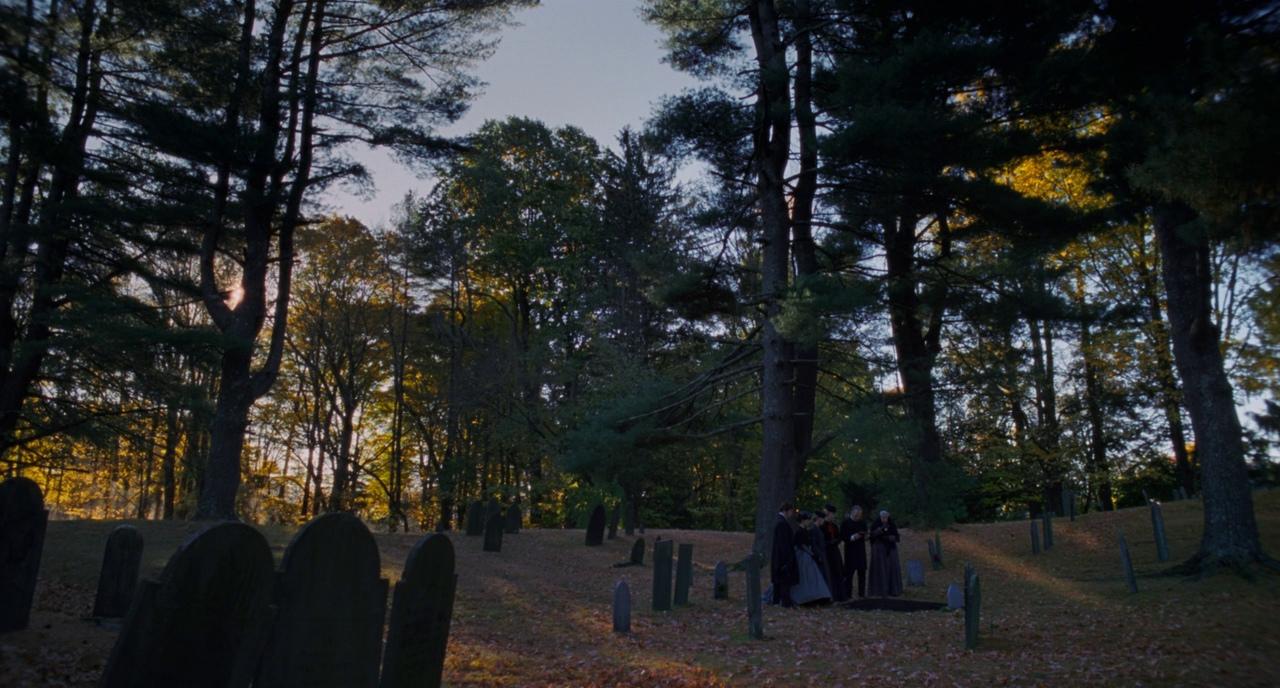
- Beth dies peacefully, surrounded by family, marking a turning point for Jo.
Film Techniques:
✔ Lighting & Colour Contrast:
- The past (childhood scene) is warmly lit, showing Jo's hope that Beth would recover.
- The present (Beth's actual death) is colder, washed-out, reinforcing Jo's grief and loss. ✔ Parallel Storytelling:
- Jo wakes up to find Beth's bed empty, just as she did when Beth first recovered as a child.
- This tricks the audience into expecting a recovery, making the reveal of her death even more heartbreaking. ✔ Soft Non-Diegetic Music:
- The subtle, melancholic score heightens the emotional weight of Beth's passing.
Key Quotes:
✔ "I can be brave like you." → Beth to Jo, showing her quiet strength and acceptance of fate.
✔ "I can't believe childhood is over." → Jo realising that Beth's death marks the true end of their innocence.
Significance:
- Beth's death is the emotional climax of the film, forcing Jo to confront loss and adulthood.
- Serves as a catalyst for Jo's decision to write her novel, preserving her sisters' memories through storytelling.
- Highlights Beth as the moral centre of the March family, whose kindness and simplicity deeply impact Jo.
3. Laurie's Proposal & Jo's Rejection (Love vs. Independence Theme)
Summary:
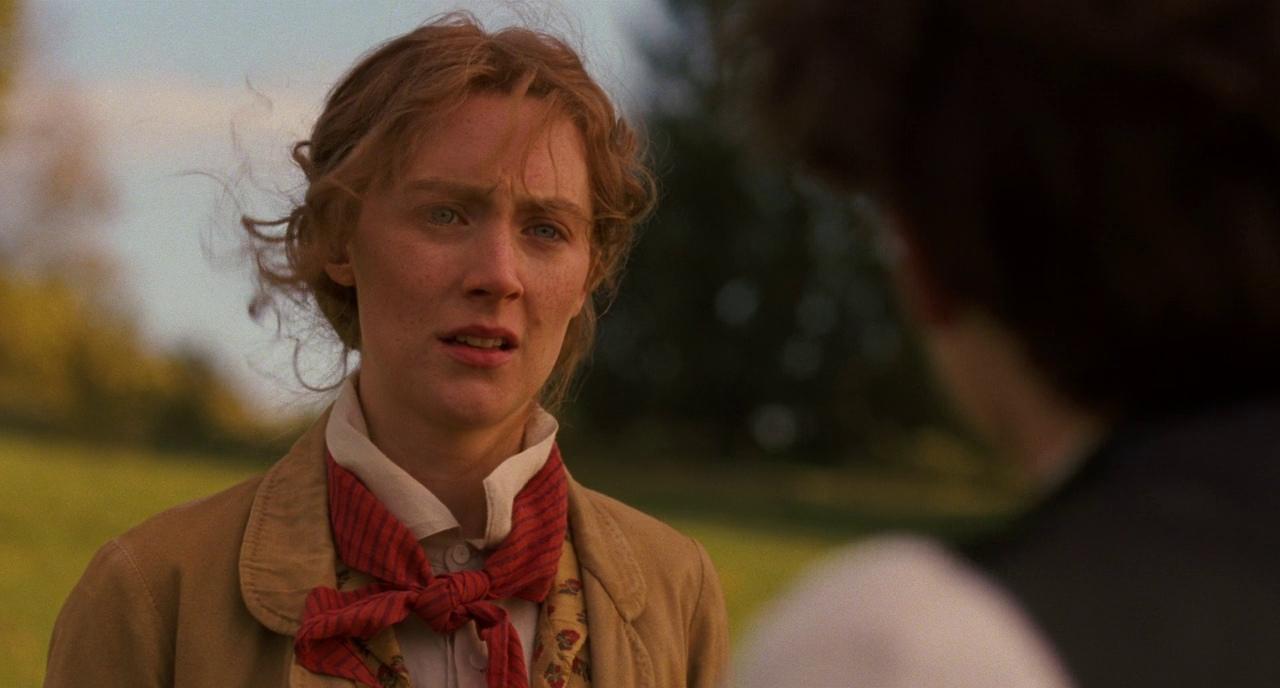
- Laurie, deeply in love with Jo, confesses his feelings and proposes marriage.
- Jo rejects him, explaining that they are too similar and would end up unhappy.
- Laurie is devastated, while Jo remains conflicted, unsure whether she made the right choice.
Film Techniques:
✔ High Angle on Laurie, Low Angle on Jo:
- Laurie is filmed from above, making him appear vulnerable and heartbroken.
- Jo is filmed from below, emphasising her strength in making a difficult decision. ✔ Natural Lighting:
- The scene is shot in soft, warm lighting, contrasting the emotional pain of the conversation. ✔ Laurie Walking Away (Symbolism):
- Laurie physically walks away from Jo, symbolising their paths diverging—Jo chooses ambition, Laurie chooses love.
Key Quotes:
✔ "I don't see why I can't love you as you want me to." → Jo struggling with her conflicting emotions.
✔ "You will be bored of me in two years, and we will be interesting forever." → Jo acknowledging that their friendship is more valuable than a forced romance.
Significance:
- Reinforces Jo's independence—she refuses to marry for convenience.
- Laurie, feeling lost, later proposes to Amy, leading to Jo's realisation that she might have wanted love after all.
- Sets up one of the film's biggest questions: Did Jo make the right choice in rejecting Laurie, or did she sacrifice love for ambition?