Character Overview (Junior Cert English): Revision Notes
📚Revision Notes
Character Overview
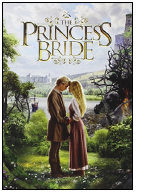
The Princess Bride presents a rich cast of memorable characters who drive this beloved romantic fantasy adventure. Understanding each character's motivations, relationships, and development throughout the story is essential for appreciating the film's themes of love, heroism, and redemption. The characters range from noble heroes to despicable villains, with each playing a crucial role in the unfolding tale.
Note
The Princess Bride operates on multiple narrative levels - as a story within a story, where a grandfather reads to his grandson, creating a framework that allows for both adventure and reflexion on the nature of storytelling itself.
Main protagonists
Westley
Westley serves as the film's central hero, transforming from a humble farm worker into the legendary Dread Pirate Roberts. Originally working as a farm hand, he develops deep feelings for Buttercup before departing to build a better future for them both. His capture by pirates leads to an extraordinary character development where he masters the arts of sword fighting and seafaring.
When Westley learns of Buttercup's engagement to Prince Humperdinck, he returns to rescue her, demonstrating exceptional courage and wit. His character embodies the classic romantic hero - intelligent, brave, and devoted to true love. Throughout the story, Westley proves himself through various challenges, showing both physical prowess and mental agility that make him a formidable opponent to any villain.
Important
Westley's transformation from farm boy to pirate represents one of the most significant character arcs in the story. His adoption of the Dread Pirate Roberts persona demonstrates how circumstances can force good people to take on fearsome reputations for survival.
Buttercup
Buttercup represents the classic fairy tale princess who undergoes significant emotional growth throughout the story. Initially portrayed as somewhat demanding in her relationship with Westley, she gradually recognises and embraces her love for him. Her character arc involves moving from a position of emotional detachment to one of deep, passionate love.
After believing Westley has died, Buttercup falls into profound despair, which leads her to accept Prince Humperdinck's marriage proposal despite feeling no love for him. Her character demonstrates both vulnerability and inner strength, as she maintains her principles even when facing seemingly impossible circumstances. Buttercup's quick thinking and passionate nature become evident as the story progresses, particularly when she's reunited with Westley.
Inigo Montoya
Inigo stands out as one of the most compelling characters, driven by a deeply personal quest for justice. His entire adult life has been dedicated to preparing for confrontation with the six-fingered man who murdered his beloved father twenty years earlier. This singular focus has shaped him into an exceptional swordsman, spending two decades perfecting his skills.
Despite his obsession with revenge, Inigo maintains admirable qualities including honour, kindness, and loyalty. His work with Vizzini stems from financial necessity rather than evil intent, and he struggles with alcohol as a way to cope with his pain. His polite demeanour and determination make him a sympathetic character whose quest for justice resonates with audiences. The story suggests that after achieving his revenge, Inigo will likely inherit Westley's role as the Dread Pirate Roberts.
Example
Character Motivation Example: Inigo's Famous Line
Inigo's repeated phrase "Hello, my name is Inigo Montoya. You killed my father. Prepare to die." becomes both a character signature and a perfect example of how a single motivation can define an entire character's journey and purpose.
Fezzik
Fezzik presents a fascinating contrast between physical intimidation and gentle nature. This massive man from Greenland possesses extraordinary strength but maintains a kind heart and peaceful disposition. His reluctant participation in Vizzini's schemes stems from economic necessity rather than malicious intent, as he consistently objects to plans involving harm to innocents.
One of Fezzik's most endearing qualities is his love of rhyming, which he displays during various scenes throughout the film. His character demonstrates that physical power doesn't necessarily correlate with aggressive behaviour, and his loyalty to his friends ultimately proves stronger than his fear of Vizzini. His enormous heart and gentle nature make him an unlikely but effective hero.
Note
Fezzik's character subverts the typical "gentle giant" stereotype by making his kindness an active choice rather than just a personality trait. His moral compass consistently guides him towards protecting the innocent, even when it conflicts with his professional obligations.
Antagonists and villains
Prince Humperdinck
Prince Humperdinck serves as the primary antagonist, embodying the worst qualities of corrupt nobility. His marriage proposal to Buttercup is entirely calculated, designed to provide him with a justification for murdering her and blaming the neighbouring kingdom of Guilder. This elaborate scheme would give him the excuse he needs to start a war, revealing his warmongering nature.
While Humperdinck possesses intelligence, he uses it for thoroughly dishonourable purposes. His character represents the abuse of power and privilege, as he manipulates political situations for personal gain. Interestingly, even this villain is not immune to emotional pain, as Buttercup's obvious disgust with him drives him to extreme measures, including nearly killing Westley in the Pit of Despair.
Important
Prince Humperdinck's villainy stems not from madness or supernatural evil, but from the calculated abuse of political power. His willingness to start a war for personal convenience makes him a particularly modern type of villain - one whose evil comes from treating human lives as political tools.
Count Rugen
Count Rugen functions as Humperdinck's primary enforcer and represents cold, calculating evil. His identity as the six-fingered man who killed Inigo's father twenty years ago makes him a figure of personal vengeance within the story. His claim to be writing a book about pain reveals his sadistic nature and intellectual approach to cruelty.
Rugen's character demonstrates how evil can hide behind a facade of scholarly interest and calm demeanour. His composed reaction to Westley's torture in the Pit of Despair shows his complete lack of empathy. However, when finally confronted by Inigo, his true cowardice emerges as he desperately tries to bargain for his life, revealing that his cruelty masks fundamental weakness.
Vizzini
Vizzini provides both menace and comic relief as a self-proclaimed intellectual who consistently proves his own foolishness. This Sicilian crime boss displays explosive anger and treats his subordinates poorly despite depending entirely on their specialised skills for his plans' success. His constant use of the word "inconceivable" in inappropriate situations becomes a signature characteristic.
Despite his claims of superior intelligence, comparing himself to great philosophers like Plato and Aristotle, Vizzini's actual decision-making reveals him to be quite foolish. His ultimate defeat comes through his own overconfidence when he accepts Westley's challenge to a battle of wits involving poisoned wine, demonstrating that true intelligence involves recognising one's limitations rather than simply claiming superiority.
Example
Character Flaw Example: Vizzini's Overconfidence
Vizzini's downfall perfectly illustrates the danger of intellectual arrogance. His defeat in the battle of wits occurs because he cannot imagine that someone might be cleverer than he is, leading him to make assumptions that prove fatal.
Supporting characters
Miracle Max
Miracle Max brings both wisdom and humour to the story as a skilled healer living in the forest with his wife Valerie. His past connection to the royal family adds depth to his character - he once served the previous king before being dismissed by Humperdinck, which damaged his confidence and professional reputation.
Max's decision to help revive Westley stems partly from his desire to see Humperdinck humiliated, showing how personal grievances can align with heroic causes. His character represents the idea that even those who have been cast aside by society can still contribute meaningfully to important causes. His wise-cracking personality and magical abilities make him a memorable figure who helps turn the tide of the story.
Valerie
Valerie serves as Max's outspoken wife who isn't afraid to challenge her husband's decisions. Her loud, demanding personality contrasts with Max's more contemplative nature, and she plays a crucial role in convincing him to help the heroes. Her character demonstrates how supportive relationships can encourage people to do the right thing even when they're initially reluctant.
The grandfather and grandson
These framing characters provide the story's narrative structure, with the grandfather serving as the storyteller and the grandson as the audience surrogate. The grandfather embodies traditional storytelling wisdom, passing down tales from generation to generation just as his own father once read him the same story.
The grandson's initial scepticism gradually transforms into complete engagement with the tale, mirroring the audience's own journey. His growing enthusiasm for the story, eventually requesting to hear it again, demonstrates the timeless appeal of well-told adventures. These characters remind us that great stories connect generations and continue to find new audiences.
Note
The grandfather-grandson framework serves a deeper purpose than just narrative structure - it demonstrates how stories shape relationships and create bonds between generations, making the act of storytelling itself a form of love and connection.
Yellin
Yellin represents the failure of corrupt institutions to protect what they claim to value. As Prince Humperdinck's Chief Enforcer, he should be a formidable opponent, but his immediate display of cowardice when faced with real danger reveals the weakness underlying Humperdinck's regime. His character shows how evil systems often depend on people who lack genuine courage or conviction.
Summary
Key Points to Remember:
- Character motivations drive the plot - Each character's personal goals and desires create the conflicts and alliances that move the story forwards
- Heroes and villains are clearly defined - The story presents clear moral distinctions between characters who act from love and honour versus those who act from greed and cruelty
- Character relationships create emotional depth - The bonds between Westley and Buttercup, Inigo's connection to his father's memory, and the friendship between unlikely allies add emotional weight to the adventure
- Personal growth transforms characters - Several characters, particularly Westley and Buttercup, undergo significant development throughout the story
- Even supporting characters serve important functions - From Miracle Max's magical assistance to the grandfather's storytelling wisdom, every character contributes meaningfully to the overall narrative