Themes (Junior Cert English): Revision Notes
📚Revision Notes
Themes
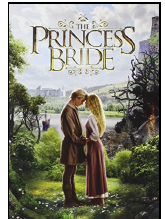
The Princess Bride is a beloved fantasy adventure film that weaves together multiple important themes throughout its storytelling. Understanding these themes helps us appreciate how the film works on different levels - as both an entertaining adventure and a meaningful exploration of human experiences.
Note
The Princess Bride operates on multiple narrative levels, combining adventure storytelling with deeper explorations of human relationships and emotions. This layered approach makes it appealing to both children and adults.
True love
The theme of true love serves as the driving force behind the entire story. Westley and Buttercup share a love so powerful that it motivates almost every major plot development. Their relationship demonstrates that genuine love can overcome seemingly impossible obstacles.
When Buttercup believes Westley has died, her grief is so profound that she vows never to love again. This promise shows how deeply their connection affects her. Meanwhile, Westley's love for Buttercup gives him the strength to survive and eventually return to rescue her. The famous phrase "As you wish" becomes a symbol of their devotion - it's Westley's way of expressing his complete dedication to Buttercup's happiness.
The power of their love is further emphasised at the film's end when the grandfather uses the same phrase with his grandson. This shows how true love can be passed down through generations and expressed in different relationships. The theme suggests that authentic love involves sacrifice, commitment, and the willingness to put another person's needs above your own.
Important
The phrase "As you wish" functions as more than just dialogue - it becomes a symbolic representation of unconditional love and selfless devotion that appears throughout the film.
Revenge
Several characters in the film are motivated by the desire for revenge, making this a central theme that drives much of the action. Each character's quest for vengeance reveals different aspects of their personality and moral compass.
Inigo Montoya represents perhaps the most sympathetic form of revenge. His lifelong quest to avenge his father's murder by Count Rugen shows dedication and honour. Montoya has spent years training with his sword, preparing for the moment when he can face his father's killer. His motivation comes from love and a sense of justice rather than mere hatred.
Prince Humperdinck also seeks revenge, but for much more selfish reasons. He wants to start a war with neighbouring Guilder and uses the planned murder of Buttercup as an excuse to begin fighting. His revenge is based on political ambition rather than personal honour.
Count Rugen's approach to revenge is perhaps the most cruel. After being defeated by Westley, he could have killed him quickly, but instead chooses to torture him slowly. This shows how revenge can corrupt a person's character and lead them to become unnecessarily cruel.
Note
The film presents different types of revenge - from honourable justice-seeking to selfish political manipulation - showing how the same emotion can lead to vastly different moral outcomes.
Politeness
One of the most charming aspects of The Princess Bride is how the characters maintain their manners even during intense conflicts. This politeness creates humour and keeps the film from becoming too serious or dark.
The best example occurs during Westley's confrontation with Buttercup's three kidnappers. Before their battles begin, Inigo politely allows Westley time to rest and recover his strength. During their sword fight, they engage in pleasant conversation and compliment each other's skills. Even when Fezzik attempts to attack Westley, he does so with consideration and restraint.
This theme of politeness extends to Westley's interactions with Vizzini during their battle of wits. Despite the life-or-death stakes, both men remain courteous and engaging throughout their verbal sparring. The underlying purpose of this politeness is to maintain the film's adventurous, fairy-tale atmosphere while preventing the conflicts from becoming too harsh or frightening for viewers.
Pain
The film explores how pain - both physical and emotional - shapes character development and advances the plot. Different characters experience and respond to pain in ways that reveal their true nature.
Buttercup's emotional pain at losing Westley leads her to make the devastating decision to marry Prince Humperdinck. Her daily horseback rides through the countryside become a way to cope with her grief and find some comfort. This pain also makes her vulnerable to manipulation by others.
Westley experiences intense physical pain when he hides his identity from Buttercup for so long. His famous line "Life is pain, Highness. Anyone who says differently is selling something" reflects his philosophy that suffering is an unavoidable part of existence. Later, when Prince Humperdinck tortures him nearly to death, Westley's pain becomes almost unbearable.
Important
Pain serves as both a character development tool and a plot advancement mechanism. The film shows how suffering can either destroy a person or make them stronger, depending on how they choose to respond.
The theme shows how pain can either destroy a person or make them stronger. Westley's suffering ultimately leads to his rescue by Inigo and Fezzik, while Buttercup's pain motivates her to fight for her true love. Count Rugen's fascination with studying pain reveals his villainous nature and lack of empathy.
Deception
The Princess Bride would not function as a story without its many layers of deception and false identities. These lies create conflict, confusion, and opportunities for dramatic revelations.
Buttercup's entire predicament begins with deception - she believes Westley is dead when he has actually survived and become the Dread Pirate Roberts. This false information leads her to agree to marry Prince Humperdinck, setting the main plot in motion.
Vizzini, Inigo, and Fezzik briefly pretend to be circus performers to disguise their true purpose as kidnappers. The man in black conceals his identity as Westley for most of the film, even when directly confronting Buttercup. Meanwhile, his entire persona as the Dread Pirate Roberts is revealed to be a lie - the real Roberts retired years ago, and several different people have taken on the identity.
Prince Humperdinck creates the most elaborate deception by pretending to love Buttercup while actually planning to murder her and blame it on Guilder. The film itself contains another layer of deception, as the story we're watching is supposedly being read from a book by S. Morgenstern, who is actually a fictional author created by William Goldman.
Note
The multiple layers of deception create a complex web of false identities and hidden truths that drive the plot forwards while adding depth to the storytelling structure.
Rescues
As a classic adventure story, The Princess Bride features multiple rescue scenarios that follow traditional fairy-tale patterns. These rescues create excitement and allow characters to demonstrate their heroic qualities.
The most obvious rescue involves the various attempts to save Buttercup. First, Vizzini and his companions kidnap her, then Westley pursues them to rescue her. Later, she becomes trapped in the Fire Swamp, where her dress catches fire and she must be saved from the dangerous environment. Finally, she needs rescuing from Prince Humperdinck's plan to murder her.
However, the film also includes rescue narratives that don't involve Buttercup. Fezzik saves Inigo from the Brute Squad, and together they rescue Westley from the Pit of Despair. Miracle Max helps save Westley from near-death with his magic pill. These rescues show that heroism comes in many forms and that characters can take turns being both rescuer and rescued.
The film uses these rescue scenes to build tension and create moments of triumph. They also serve as a framing device - when Buttercup is about to be eaten by the eel, the story cuts back to the grandfather reading to his grandson, reminding us that we're safe in the real world while enjoying the adventure.
A story within a story
One of the most distinctive features of The Princess Bride is its narrative structure as a story being told within another story. This framing device serves several important purposes in the film.
The grandfather reading to his sick grandson creates a comfortable distance between the audience and the more intense or frightening moments of the adventure. When the action becomes too scary or violent, we can remind ourselves that it's just a story being shared between family members. This helps maintain the film's lighthearted tone even during serious conflicts.
The framing story also parallels the audience's experience. Like the grandson, we start out sceptical about whether we'll enjoy this tale, but gradually become completely absorbed in the adventure. The boy's changing reactions mirror how viewers typically respond to the film - initially resistant but eventually enchanted.
Important
The story-within-a-story structure serves as more than just a narrative device - it creates emotional safety for the audience while commenting on the universal power of storytelling to connect generations.
This structure allows the film to comment on the nature of storytelling itself. The grandfather occasionally interrupts to reassure his grandson (and the audience) or to build suspense. These moments remind us that stories are meant to be enjoyed and shared, not taken too seriously. The framing device ultimately celebrates the power of storytelling to bring people together and create shared experiences across generations.
Summary
Key Themes to Remember:
- True love serves as the main driving force of the plot, with Westley and Buttercup's relationship motivating most major events
- Multiple characters seek revenge for different reasons, showing how this desire can be both honourable and destructive
- Characters maintain politeness even during conflicts, which creates humour and keeps the tone light
- Pain - both physical and emotional - drives character development and plot advancement throughout the film
- Deception through false identities and lies creates the main conflicts and opportunities for dramatic revelations
- The story-within-a-story structure allows the film to comment on storytelling while maintaining a comfortable distance from intense moments