Overview (Junior Cert English): Revision Notes
📚Revision Notes
Overview
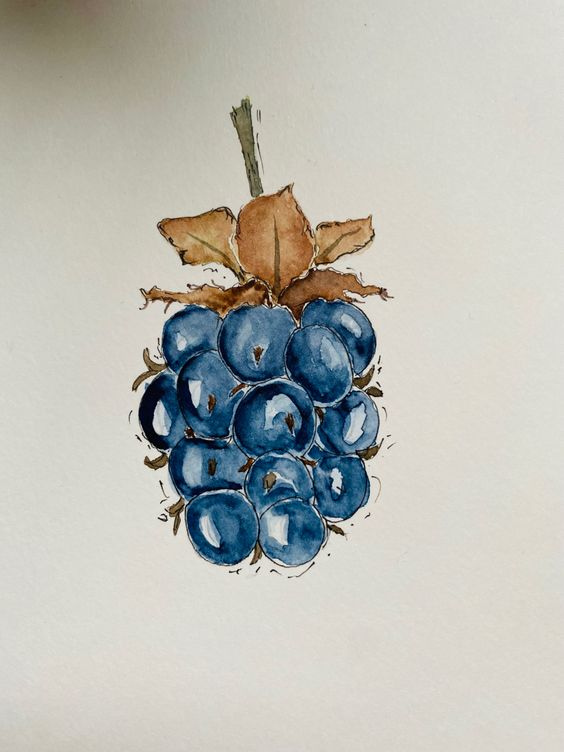
- "Blackberry-Picking" by Seamus Heaney is a reflective poem that captures the bittersweet experience of picking blackberries in late summer. The poem is divided into two stanzas, the first filled with the joy and excitement of gathering ripe blackberries and the second revealing the inevitable disappointment as the berries rot and ferment.
- Heaney uses vivid imagery and rich language to depict the sensory experience of picking the berries. He explores themes of desire, transience, and the loss of innocence.
About the Poet
Seamus Heaney (1939-2013) was an Irish poet, playwright, and translator and one of the leading figures in 20th-century literature. Heaney was the eldest of nine children. Heaney studied at Queen's University in Belfast, later becoming a lecturer and debuting as a poet. His works explore themes of nature, childhood, and the passage of time, reflecting his deep connection to the land and his experiences growing up in a farming community. Heaney received the Nobel Prize in Literature in 1995 for his outstanding contributions to poetry.
Setting of the Poem
- The poem is set in the rural landscape of late August, during the blackberry-picking season.
- The setting transitions from the joyous act of picking berries in fields and along hedges to the sad aftermath in a barn or shed, where the blackberries start to rot.
- This shift in setting underscores the poem's exploration of anticipation and disappointment.
- It captures how brief both the blackberry season and childhood innocence can be.
Summary
Stanza 1
- The poem begins by describing the conditions needed for blackberries to ripen—"heavy rain and sun." The ripening process starts with a single berry that turns a glossy purple colour, among others still red and green.
- The speaker describes the delight of tasting the first ripe berry, which is sweet and evokes a strong desire for more. The process of picking becomes almost a ritual, with the children eagerly filling various containers like milk cans and jam-pots.
- The act of picking is described with sensory detail, noting the scratches from briars and wet grass staining their boots.
Stanza 2
- The tone shifts in the second stanza as the speaker describes what happens after the berries are picked and stored.
- The fresh, ripe berries rot and ferment, covered in "a rat-grey fungus." This realisation that the berries cannot be preserved leads to sadness and injustice.
- The speaker reflects on the inevitability of this disappointment, noting that they hoped the berries would keep each year, even though they knew they would not.