The Holocaust and Anti-Semitism (Junior Cert History): Revision Notes
📚Revision Notes
The Holocaust and Anti-Semitism
What is Genocide?
Genocide is the deliberate killing of a large number of people from a particular nation or ethnic group with the aim of destroying that nation or group. Genocide often begins with dehumanisation, treating people as less human.
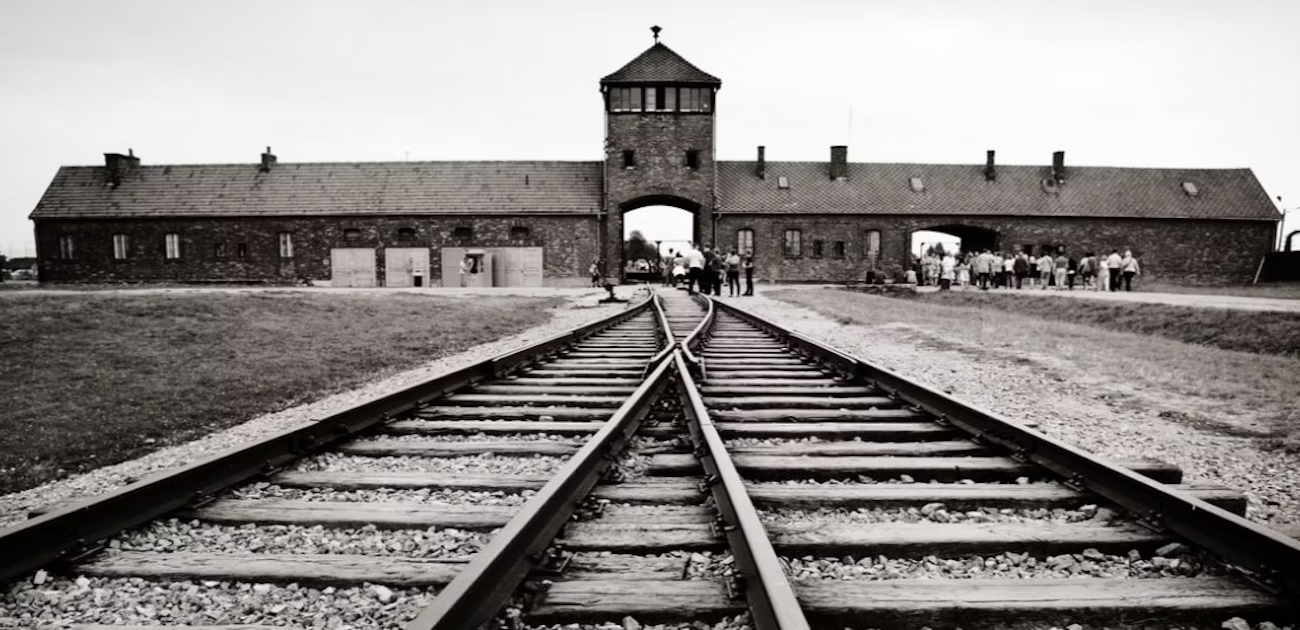
Examples of Genocide
- The Holocaust: The most well-known genocide in history.
- Other examples:
- 8 million Indigenous Americans during European expansion in North America.
- 1.5 million Christian Armenians in Turkey (1915-1923).
- 3.9 million Ukrainians in the Soviet famine (1932-1933).
- 200,000 Chinese civilians in the Nanjing Massacre (1937).
- 2 million Cambodians by Pol Pot and the Khmer Rouge (1975-1979).
- 800,000 Tutsi in Rwanda (1994).
- 100,000 Bosniak and Croatian civilians during the Bosnian War (1992-1995).
- 400,000 ethnic Darfuri people in Sudan (starting in 2003, ongoing).
The Holocaust
- Anti-Semitism: Hatred or prejudice against Jewish people, traceable back to ancient times, became extreme under Nazi Germany.
- Aryans: Nazis claimed Germans and Nordic peoples were a superior race, considering Jews inferior.
- Mein Kampf: Hitler's manifesto declared Jews a threat to Germany.
- Nuremberg Laws (1935): Stripped Jews of citizenship, voting rights, property ownership, job opportunities, and the right to marry or have relationships with non-Jews.
- Star of David: Jews had to wear it on their clothing.
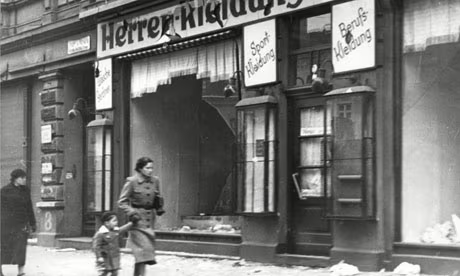
- Kristallnacht (1938): Nazis attacked Jewish synagogues, homes, and businesses, killing at least 100 Jews and arresting 30,000.
Jewish Ghettos
- Ghettos: Over 400 ghettos were established, forcing Jews into segregated, overcrowded areas with high mortality rates due to disease and starvation.
- First Ghetto: Set up in Łódź, Poland, on 8th February 1940.
- Ghettos facilitated control and later deportation to concentration camps.
The Einsatzgruppen and the Final Solution
- Einsatzgruppen: Mobile killing squads followed the German army east, executing about 1.3 million Jews.
- The Final Solution (1942): The Nazis' plan to exterminate Jews, led by Heinrich Himmler. Ghettos were emptied, and Jews were deported to concentration camps.
Concentration Camps
- Labour Camps: Since 1933, labour camps existed; the first was Dachau. There were 22 labour camps across Europe.
- Extermination Camps: Six camps (Auschwitz-Birkenau, Belzec, Chelmno, Majdanek, Sobibor, Treblinka) were built for mass murder, primarily outside Germany.
Life and Death in the Camps
- Jews were transported in trains, separated, and had belongings confiscated. The unfit were killed immediately.
- Living Conditions: Overcrowded barracks, forced labour, medical experiments, and gas chambers (using Zyklon B or carbon monoxide).
- Death Marches: As Allies closed in, prisoners were forced on marches, many dying from starvation, exposure, or execution.
Liberation of the Camps
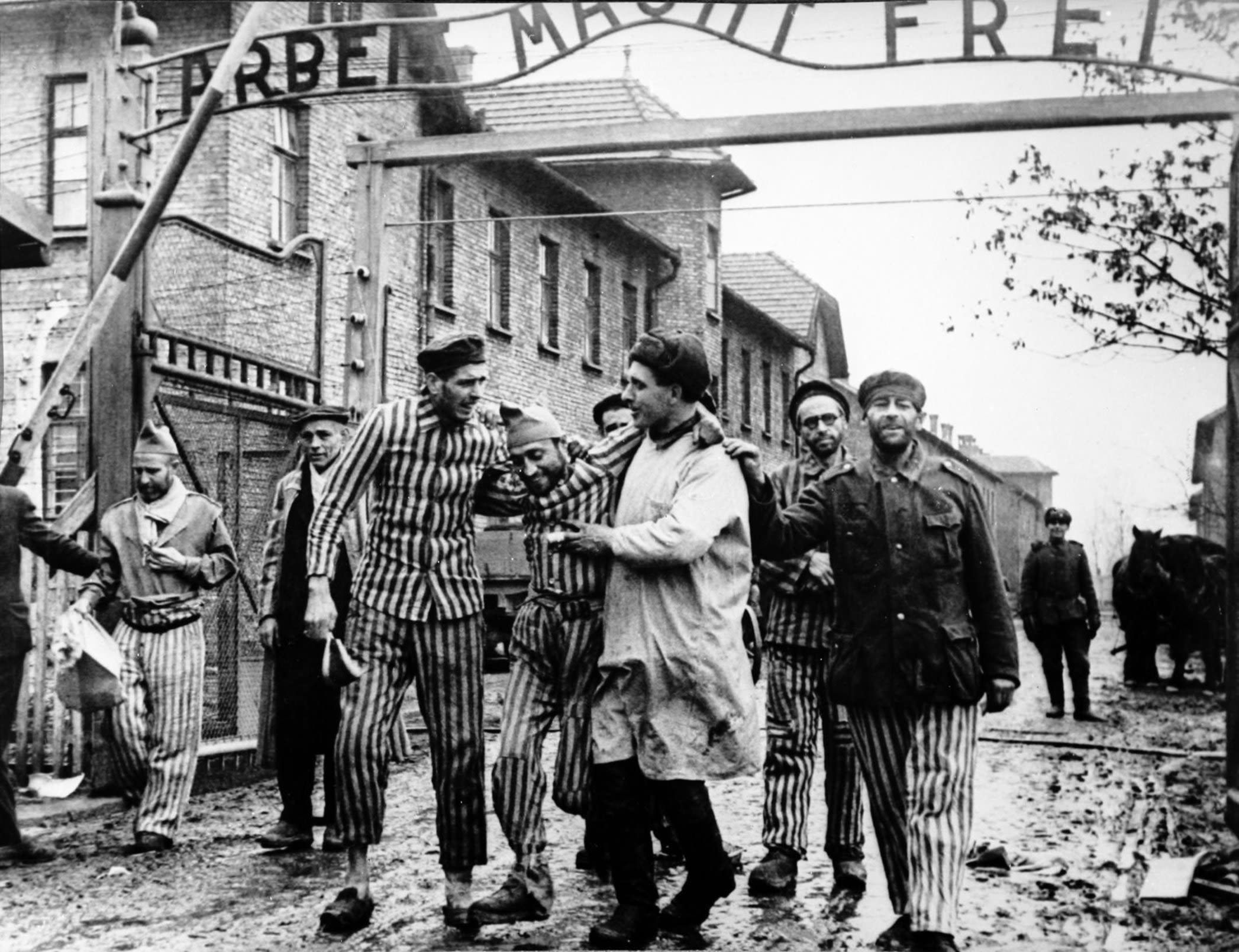
- Soviet Soldiers: First to encounter camps, liberating Majdanek on 23rd July 1944 and Auschwitz on 27th January 1945.
- Western Allies: British, Canadian, American, and French troops liberated camps by May 1945.
The Aftermath and Legacy of the Holocaust
- Death Toll: Six million Jews were murdered, with millions of others, including Soviet POWs, Poles, Roma, LGBT+ individuals, and communists.
- Jewish Diaspora: Many survivors emigrated to the US, Canada, and South Africa. The state of Israel was founded in 1948.
- International Holocaust Remembrance Day: 27th January commemorates the victims of the Holocaust.
Famous Jews from the Holocaust
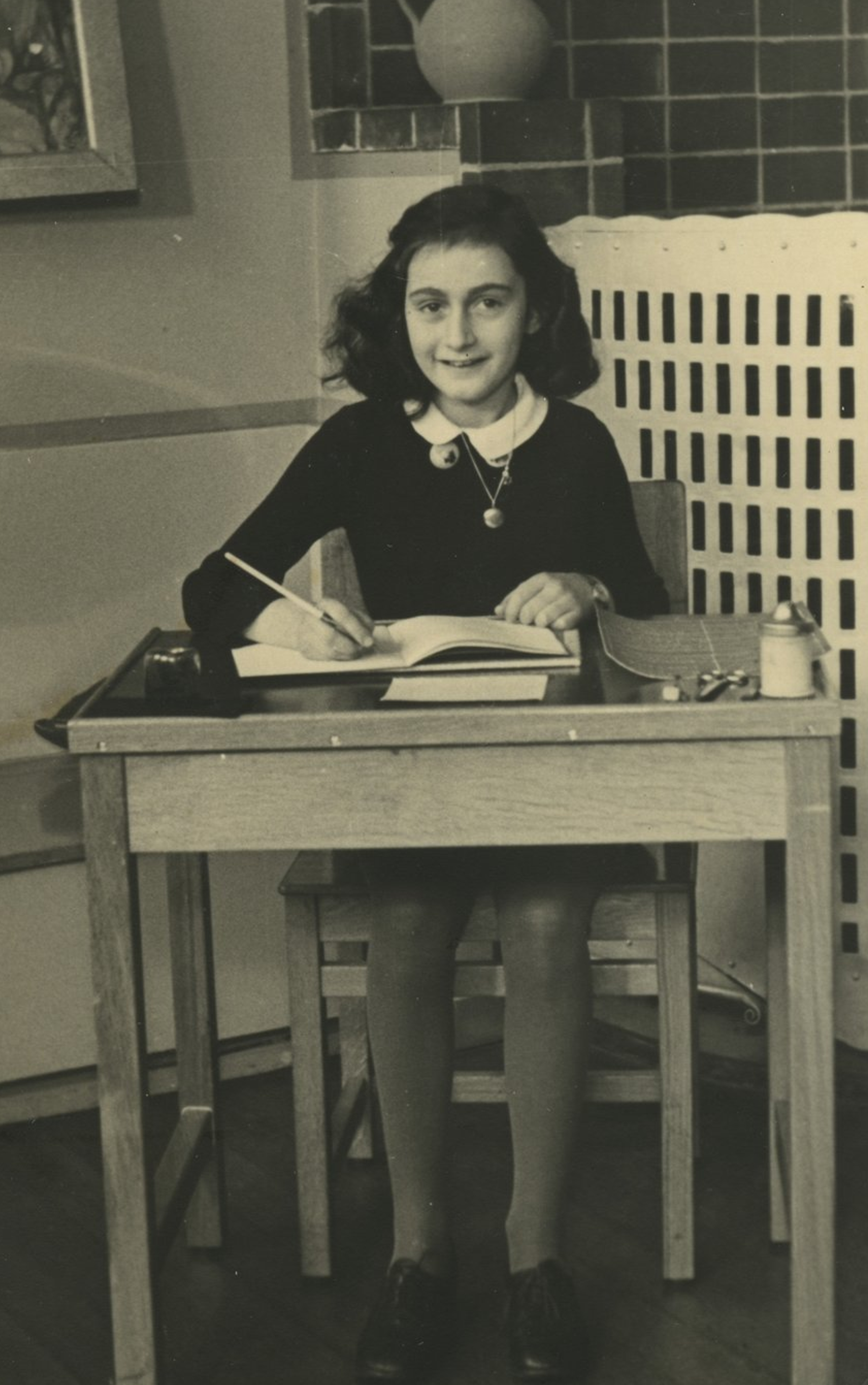
- Anne Frank: Died in 1945, known for her diary.
- Viktor Frankl: Psychologist and Holocaust survivor, died in 1997.
- Elie Wiesel: Holocaust survivor and author, died in 2016.
- Tomi Reichental: Holocaust survivor who moved to Ireland in 1959.
Key Terms
- Genocide: the deliberate and systematic extermination of a particular ethnic, national, racial, or religious group.
- Anti-Semitism: is prejudice, discrimination, or hostility against Jews.
- Nuremberg Laws: anti-Jewish statutes enacted by Nazi Germany in 1935 that excluded Jews from German citizenship and prohibited them from marrying or having sexual relations with persons of "German or related blood."
- Kristallnacht: (Night of Broken Glass) was a pogrom against Jews carried out by Nazi forces on November 9-10, 1938, marked by the destruction of Jewish homes, businesses, and synagogues.
- Ghettos: segregated areas in cities where Jews were forced to live under Nazi rule, often in overcrowded and inhumane conditions.
- Einsatzgruppen: mobile killing units of the Nazi SS that carried out mass shootings of Jews, Roma, and other groups during the Holocaust, primarily in the Soviet Union.
- The Final Solution: the Nazi plan to exterminate the Jewish people, leading to the genocide known as the Holocaust.
- Concentration Camps: detention centres established by the Nazis where millions of Jews and other targeted groups were imprisoned, forced into labour, and often killed.
- Zyklon B: a cyanide-based pesticide used by the Nazis in gas chambers to murder millions of Jews and other victims in concentration camps.
- Holocaust Remembrance Day: an international day of commemoration for the six million Jews and millions of other victims who were murdered during the Holocaust, observed on January 27.
Revision Questions
- What is genocide?
- True or False: The Holocaust is the only example of genocide in history.
- Who wrote Mein Kampf?
- Fill in the blank: The Nuremberg Laws stripped Jews of their _______ and rights.
- What was Kristallnacht?
- True or False: The Einsatzgruppen were mobile killing squads.
- What was the purpose of the ghettos?
- Fill in the blank: Auschwitz was one of the six _______ camps.
- What date is International Holocaust Remembrance Day?
- True or False: Anne Frank survived the Holocaust.