Choosing and Designing a Home (Junior Cert Home Economics): Revision Notes
📚Revision Notes
Room Planning
Factors to Consider When Room Planning
- Function:
- What is the purpose of the room?
- Example: A living room should be relaxing; a kitchen should be hygienic and functional.
- Money available:
- Set a budget and consider ways to save, like repurposing furniture or visiting second-hand shops.
- Size and shape of the room:
- Maximise the space and consider its layout.
- Existing fixtures and fittings:
- Plan around doors, windows, and radiators, as these can't be easily moved.
- Heating and lighting:
- Use heating and lighting to create comfort, visibility, and a good mood.
- Storage:
- Plan plenty of storage space for organisation (e.g., toys in kids' rooms).
- Traffic flow:
- Place furniture to allow easy movement around the room.
- Aspect:
- Consider the direction of the room—south-facing rooms get more sunlight.
- Likes and dislikes:
- Personalise the room to reflect the preferences of those using it.
Floor Plans
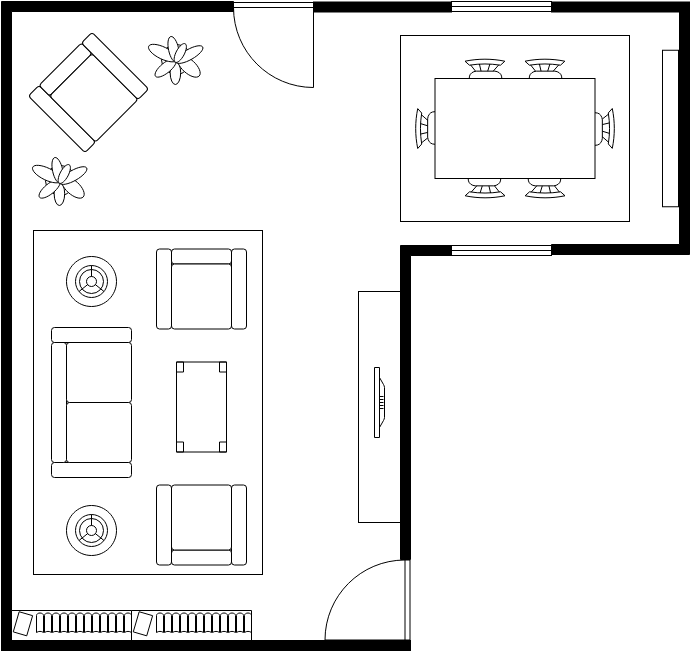
- A floor plan is a scaled sketch of a room.
- Include fixtures (doors, windows) and draw furniture to scale.
- Experiment with layouts by moving pieces around to find the best arrangement.
Kitchen Design
A well-designed kitchen is:
- Hygienic and easy to clean.
- Efficient:
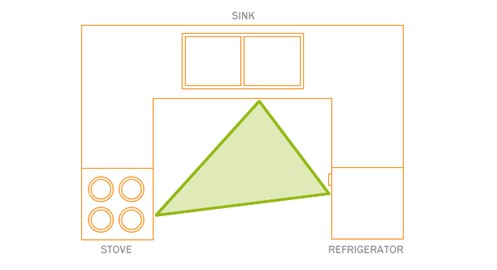
- Consider the work triangle (sink, fridge, and cooker should be easily accessible).
- Spacious:
- Include enough storage for utensils, appliances, and groceries.
- Bright and ventilated:
- Proper lighting and airflow ensure safety and comfort.