Housing (Junior Cert Home Economics): Revision Notes
📚Revision Notes
Housing
Functions of a Home
A home isn't just a shelter—it's a place for meeting the needs of its members.
Four Main Functions:
- Physical needs: Shelter, warmth, rest, food, and hygiene facilities.
- Educational needs: A quiet space to study, research tools like internet access.
- Emotional needs: Safety, privacy, and feeling secure.
- Social needs: Space to spend time with family and friends.
Types of Housing
Note
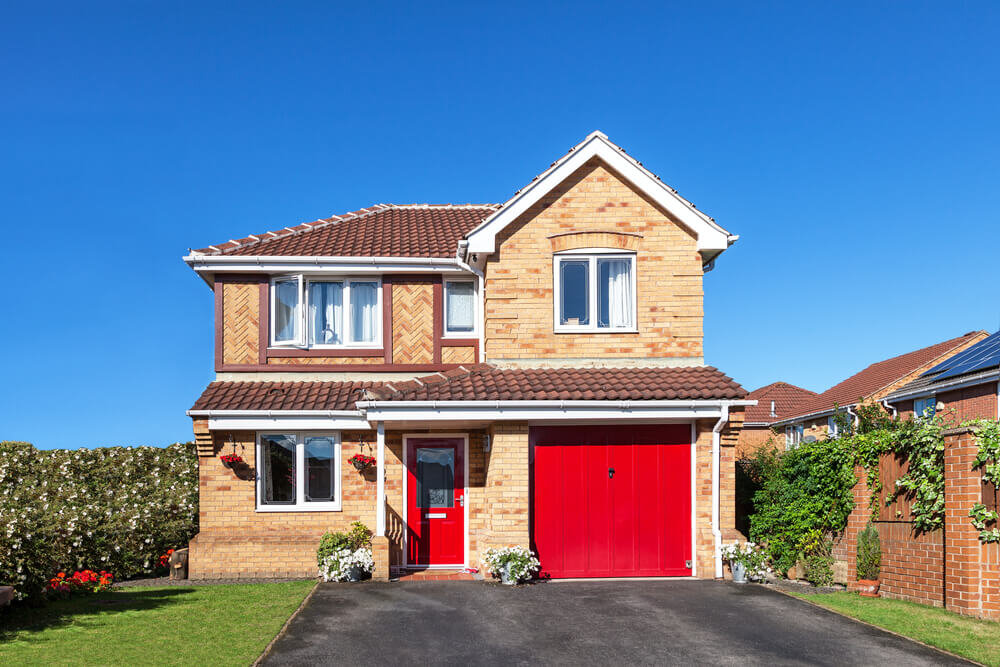
Houses: Includes bungalows, terraced, semi-detached, and detached homes.
Note
Apartments: Self-contained living spaces in multi-story buildings.

Note
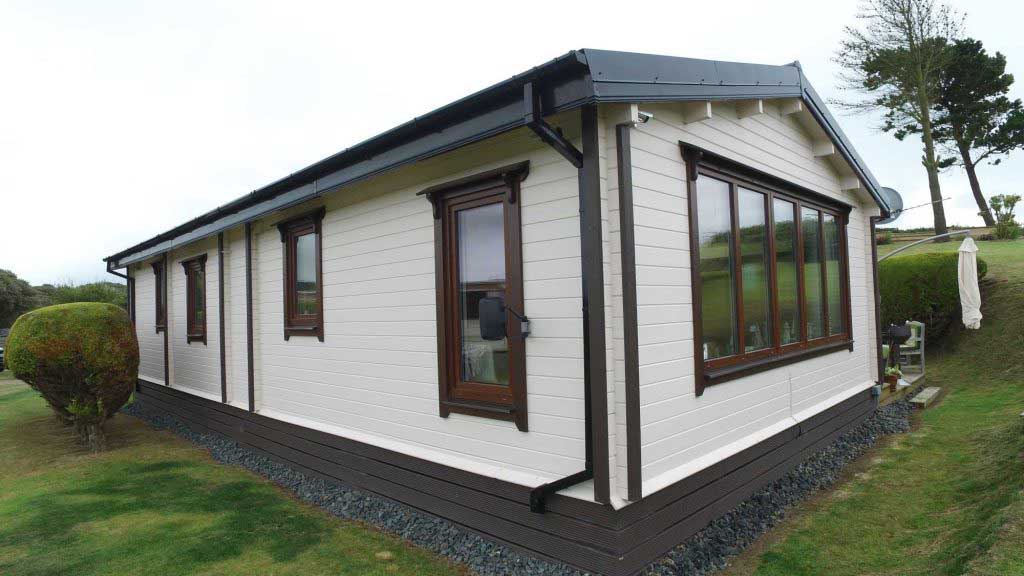
Mobile homes/caravans: Transportable and can be temporary or permanent.
Note
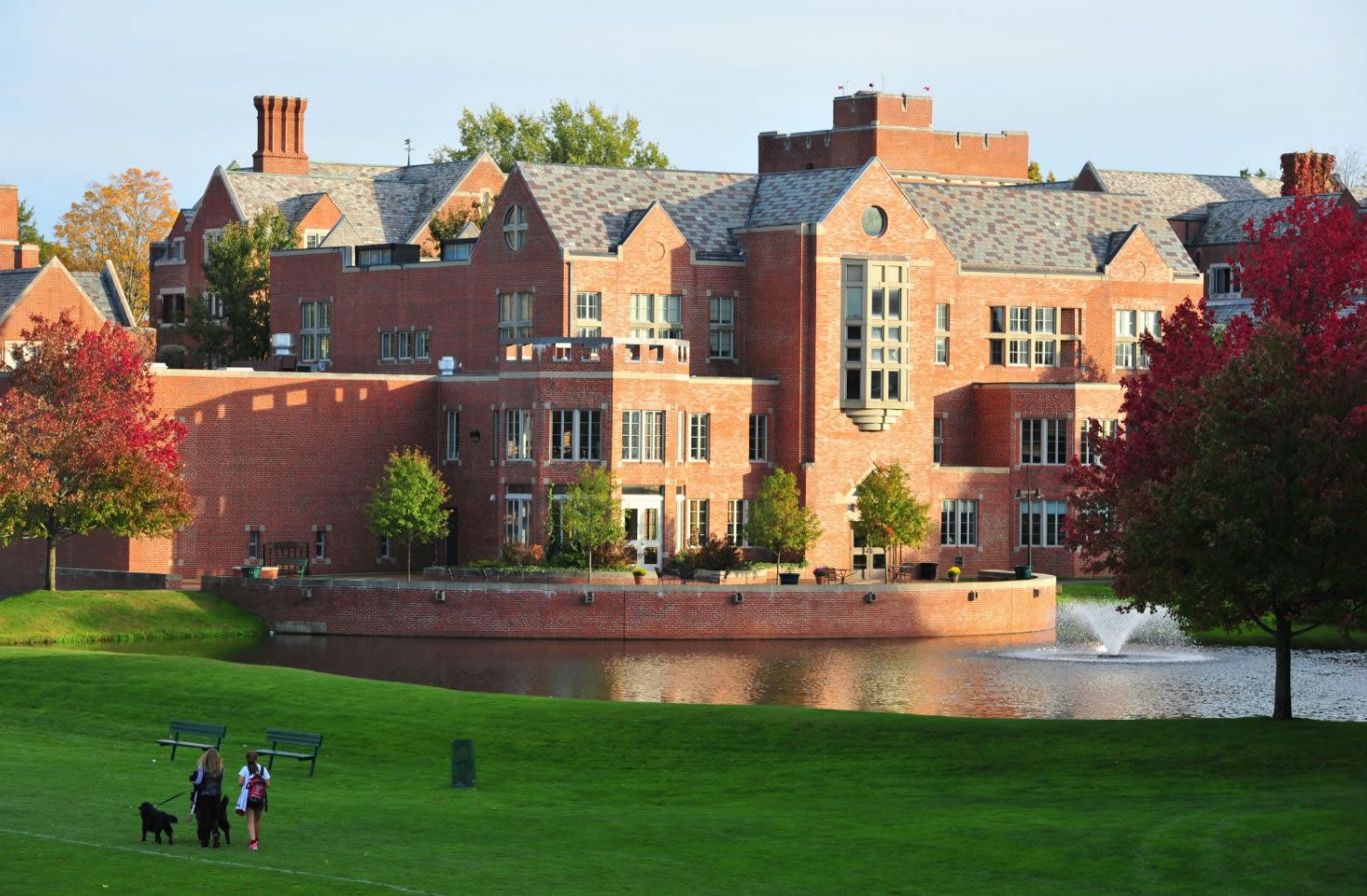
Institutions: Boarding schools, hostels, or monasteries.
Note
Sheltered housing: For older people or those with disabilities, often with on-site support.

Choosing a House
Factors to Consider:
- Cost: Budget restrictions.
- Location: Proximity to schools, work, and safety of the area.
- Availability: Limited housing in some areas (e.g., Dublin).
- Size: Suitable for the family's needs.
- Special needs: Adaptations for disabilities (e.g., wheelchair ramps).
- Energy efficiency: Homes with good BER ratings save energy. A BER rating (Building Energy Rating) shows how energy-efficient a house is, ranging from A (very efficient) to G (very inefficient).
- Style of house: Matches family lifestyle.
Communities
A community is a group of people living in the same area.
Communities offer services and amenities:
- Services:
- Statutory: Schools, libraries, post offices.
- Voluntary: Sports clubs, youth groups, charities.
- Amenities:
- Natural: Parks, rivers, forests.
- Human-made: Gyms, playgrounds, and sports fields.