Light-Dependent Resistors (LDR) and Light-Emitting Diodes (LED) (Junior Cert Wood Technology): Revision Notes
📚Revision Notes
LDRs and LEDs
In this note, we will learn how Light-Dependent Resistors (LDRs) and Light-Emitting Diodes (LEDs) work in simple electronic circuits. We will discuss their functions, uses, and why they are better than traditional components.
Definitions
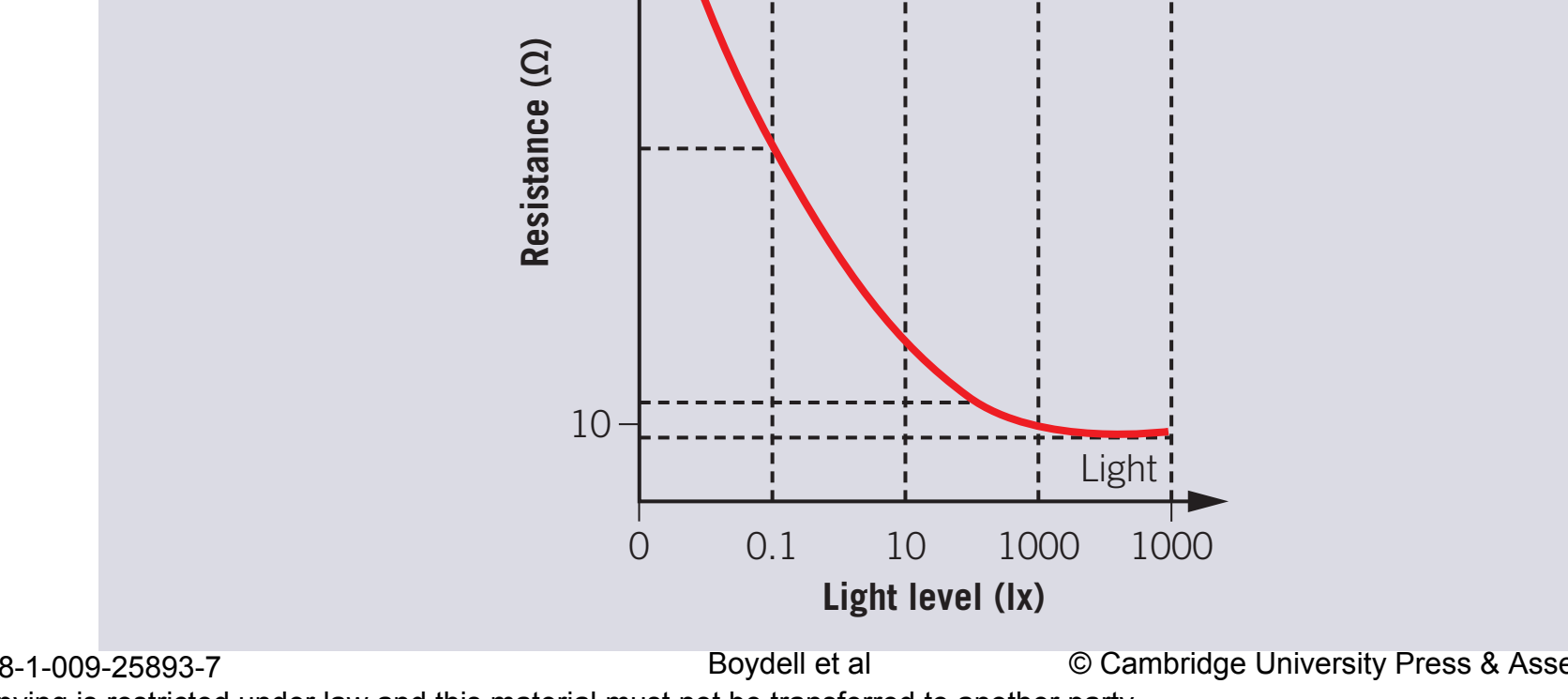
LDR: A Light-Dependent Resistor, which is also called a photoresistor, changes its resistance depending on the light it receives. More light means less resistance.
LED: A Light-Emitting Diode makes light when electricity goes through it. LEDs use energy very well, making them better than old bulbs.
Explanation of LDRs
- LDRs lower their resistance when more light is on them, affecting the devices they are connected to.
- These changes let devices turn on or off by themselves based on the light amount.
Note
It is important to understand how LDRs dynamically change resistance in response to light levels as it impacts the overall function of devices utilising them.
Applications of LDRs
- LDRs are used in:
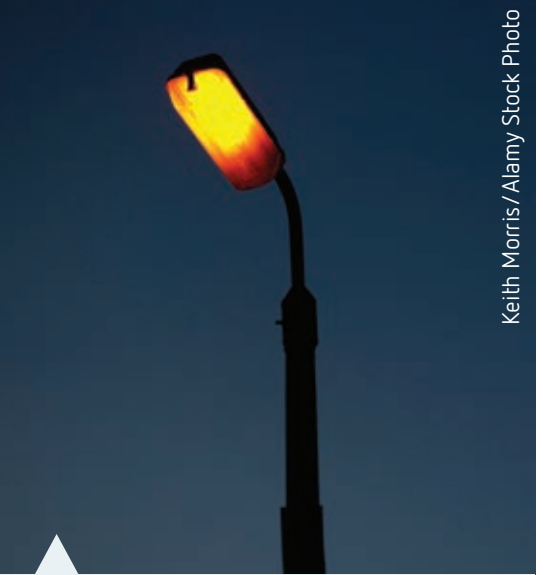
- Automatic street lights
- Night lights
Explanation of LEDs
- Electroluminescence: This is how LEDs make light when electricity passes through them.

Important
Remember that LEDs are not only about light but also about efficiency, which is a critical consideration in modern electronic design.
Advantages of LEDs
- Energy Efficiency: LEDs use less energy than old bulbs.
- Durability: They last longer than normal light sources, thereby reducing the replacement cost.
- Compactness: Good for different designs and installation flexibility.
Circuit Diagrams
- Schematic Explanation:
- LDRs can work with LEDs in a circuit to automatically manage light changes, which is essential for automating lighting solutions.
Note
Summary
- LDRs lower resistance with more light, changing circuit behaviour.
- They are used in systems like street and night lights.
- LEDs are efficient, replacing old lights with advantages like lower energy use and longer life.