Applied Finish (Process and Tools) (Junior Cert Wood Technology): Revision Notes
📚Revision Notes
Applied Finishes in Wood Technology
Overview
Applied finishes are vital in wood technology for both enhancing and protecting wood surfaces. They boost the appearance of wood, make it more durable, and shield it from environmental elements.
Definitions
- Finish: A protective coating put on wood to guard against moisture, dirt, and damage. Types include protective finishes like varnish (resistant to scratches and water), oils (soak into wood for a natural look), and decorative finishes like stains (enhance colour, requiring a top coat for protection) and paints (add both colour and a protective layer).
- Coat: A single layer of finish on wood. More coats can offer increased protection and improve look.
- Surface Preparation: Cleaning and smoothing wood before applying finishes. This step is essential for the finish to stick correctly and evenly.
Process of Applying Finishes
Use a step-by-step process to apply finishes:
-
Step 1: Surface Preparation
- Remove all scratches, dents, and marks.
- Thoroughly sand for a smooth surface.
-
Step 2: Application
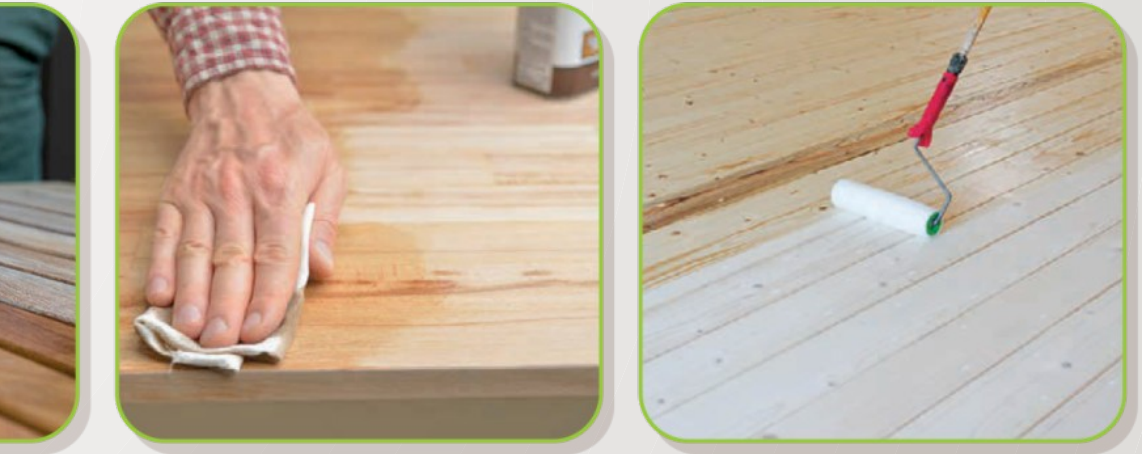
- Use a brush, roller, or cloth to apply the finish along the grain for evenness.
- Hold a spray gun 6-8 inches from the surface for a consistent coating.
-
Step 3: Drying and Curing
- Provide enough drying time between coats to prevent flaws.
-
Step 4: Final Curing
- Allow the final coat to cure completely to reach full hardness.
Worked Example
- Measure 10 ml of varnish.
- Apply using a brush along the grain.
- Wait 24 hours to dry.
- Lightly sand to achieve smoothness.
Tools Required for Applying Finishes
- Brushes: For precise tasks on edges and corners.
- Rollers: For large, flat areas for an even coat.
- Spray Guns: For a fine, misty finish, especially on complex surfaces.
- Cloths: For applying oils or stains to the wood.
Techniques for Applying Multiple Coats
- Confirm dry each coat before the next layer.
- Sand lightly between coats for smoothness and better grip.
- Employ thinning methods or a soft brush for the ultimate coat to avoid lines.
Common Mistakes to Avoid
Important
- Insufficient Surface Preparation: Results in weak adhesion.
- Over-application: May cause the coat to drip or sag.
- Improper Tool Use: May lead to uneven layers or visible marks.
Post-Application Care and Maintenance
- Clean regularly and avoid extra moisture to keep the finish intact.
- Polish occasionally, especially oil finishes, to maintain shine.
Note
Summary
- Key steps involve thorough surface preparation and proper tool use.
- Techniques for smooth finishes require careful application and drying.
- Avoid common mistakes for the best outcomes with professional-grade wood finishes.
Applying finishes carefully transforms wood products into durable, aesthetically pleasing, and long-lasting pieces.