Metals (Junior Cert Wood Technology): Revision Notes
📚Revision Notes
Metal Finishes
When working on woodwork projects, you'll often encounter metals in the form of hinges, screws, handles, brackets, tools, and decorative elements. However, metals have a significant weakness - they're susceptible to corrosion. This means iron and steel can rust, while copper, brass, and silver can tarnish over time. Applying the right metal finish acts as a protective barrier that shields the surface, extends the component's lifespan, and enhances its visual appeal.
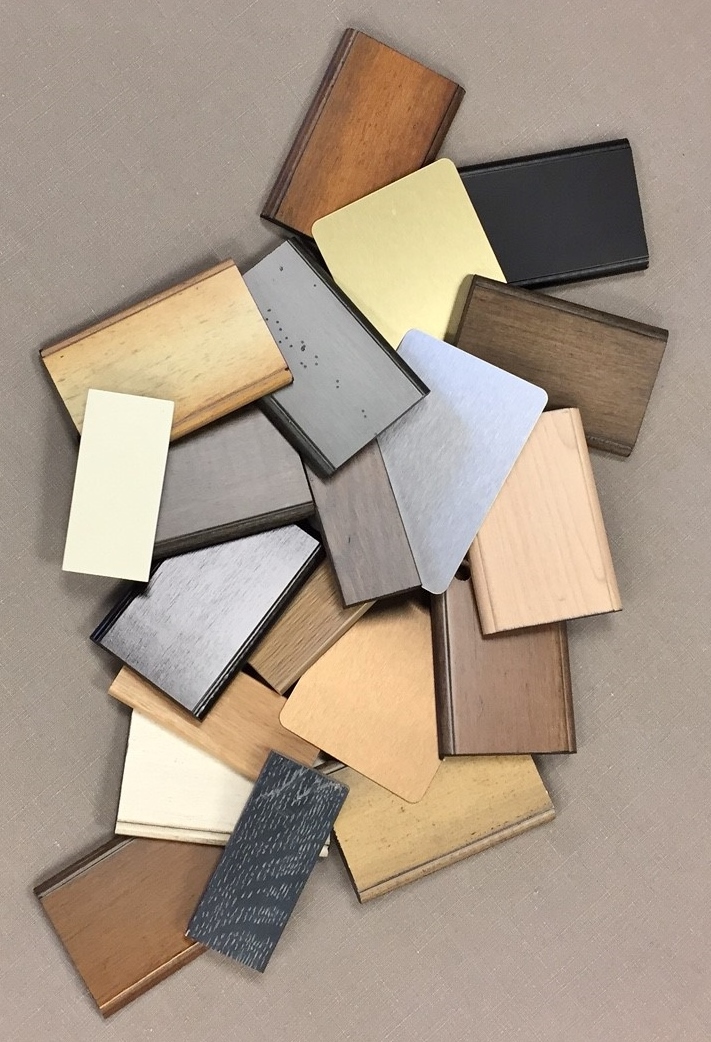
Why we need metal finishes
Metal finishes serve several crucial purposes that make them essential in both functional and decorative applications:
Protection - The primary benefit is preventing rust and tarnish, which significantly extends the life of metal components. Without proper finishing, expensive metal parts can deteriorate quickly when exposed to moisture and air.
Enhanced appearance - Finishes can transform the look of metal surfaces, providing bright polished effects, vibrant colours, or attractive shiny surfaces that complement your project's design.
Improved durability - Quality finishes help metal parts withstand daily wear and exposure to weather conditions, making them last much longer.
Safety considerations - Finishing removes rough edges and sharp surfaces that could cause injury during handling or use.
Easier maintenance - Finished surfaces are typically much easier to clean and keep in good condition compared to raw metal.
Note
The choice of metal finish often depends on the environment where the component will be used. Indoor applications may only need basic protection, while outdoor applications require more robust weatherproofing.
Common metal finishing techniques
Painting
This is perhaps the most widely recognised metal finishing method. The process begins with thoroughly cleaning the metal to remove any grease, dirt, or existing rust. Next, you apply a primer, which is a special undercoat designed specifically for metals that helps the final paint adhere properly. Finally, you apply oil-based or enamel paint for the topcoat.
The main advantage of painting is the vast range of colours available, plus it provides excellent protection against corrosion. However, painted surfaces can chip or scratch with heavy use, and they require regular maintenance to keep them looking good. You'll commonly see painted finishes on steel brackets, screws, and furniture fittings.
Important
Always use a metal primer before applying topcoat paint. Skipping this step is one of the most common mistakes that leads to poor adhesion and premature paint failure.
Lacquering
This technique involves first polishing the metal surface to achieve a brilliant shine, then applying a clear lacquer either by spraying or brushing. The lacquer acts as a transparent protective layer.
Lacquering is excellent for preserving the natural shiny appearance of metals whilst preventing tarnish, and it's relatively straightforward to apply. The downside is that the protective layer can gradually wear away over time and isn't as robust as paint. You'll often see lacquered finishes on brass handles, aluminium trims, and decorative screws.
Electroplating
This is a fascinating process that uses electrical current to deposit a thin layer of one metal onto the surface of another. For example, you might electroplate chromium onto steel or nickel onto brass.
The advantages include creating an attractive finish, adding corrosion resistance, and making inexpensive metals appear like costly ones. However, electroplating requires specialist equipment and the coating can wear away if the surface gets scratched. Chrome-plated taps, cutlery, and bicycle parts are common examples.
Note
Electroplating thickness is typically measured in microns (thousandths of a millimetre). Even these ultra-thin coatings can provide excellent protection when applied properly.
Galvanising
This process involves dipping iron or steel components into molten zinc, which creates a protective zinc coating on the surface.
Galvanising provides extremely strong protection against rust because zinc actually corrodes before the steel underneath, sacrificing itself to protect the base metal. The coating continues to protect even if scratched. The main drawback is the dull grey appearance unless painted over. You'll find galvanised finishes on outdoor nails, garden gates, hinges, and farm equipment.
Example
Worked Example: How Galvanising Works
When galvanised steel gets scratched:
- The zinc coating is exposed to air and moisture
- Zinc corrodes first (sacrificial protection)
- The steel underneath remains protected
- This continues until all zinc is consumed
This is why galvanised components can last decades even in harsh outdoor conditions.
Bluing (gun bluing)
This technique treats steel with heat or chemicals to create a thin, dark oxide coating on the surface.
Bluing produces an attractive black or blue appearance and offers some protection against rust. However, it only provides surface-level protection and is often combined with oiling for better results. This finish is commonly seen on tools, screws, and firearm components.
Powder coating
This modern technique involves spraying dry powder onto the metal using an electrostatic gun, then baking the coated item in an oven to form a hard finish.
Powder coating is exceptionally durable, offers a wide range of colours, and is highly scratch-resistant. The disadvantages are that it requires specialist equipment and isn't easy to repair if damaged. You'll see powder coating on school furniture frames, tool casings, and bicycle frames.
Note
Powder coating is considered more environmentally friendly than liquid paints because it produces virtually no volatile organic compounds (VOCs) and overspray can be reclaimed and reused.
Polishing
This is the simplest finishing method, involving buffing the surface with abrasive wheels or paste until it achieves a bright shine.
Polishing creates an attractive bright surface and is a straightforward process. However, it provides minimal corrosion protection unless combined with lacquering. Brass ornaments and stainless steel fittings often use this finish.
Quick reference guide
Note
Use this table as a quick reference when selecting the most appropriate finish for your specific application and requirements.
| Finish | How it works | Key advantages | Typical examples |
|---|---|---|---|
| Painting | Primer plus enamel/oil paint | Wide colour choice, strong protection | Brackets, screws |
| Lacquering | Clear coating over polished metal | Preserves shine, prevents tarnish | Brass handles, trims |
| Electroplating | Thin metal coating using electricity | Attractive appearance, corrosion resistant | Chrome taps, cutlery |
| Galvanising | Zinc coating by dipping in molten zinc | Excellent rust protection | Outdoor nails, gates |
| Bluing | Chemical/heat treatment creating oxide layer | Dark decorative colour, minor protection | Tools, screws |
| Powder coating | Electrostatic powder baked onto surface | Very tough, colourful, scratch-resistant | Furniture, bike frames |
| Polishing | Abrasive buffing until shiny | Attractive surface, simple process | Ornaments, fittings |
Summary
Key Points to Remember:
- Metal finishes protect against corrosion (rust and tarnish) whilst improving appearance
- Painting offers the widest colour choice but requires maintenance
- Galvanising provides the strongest rust protection for outdoor use
- Electroplating makes cheap metals look expensive but needs specialist equipment
- Always clean metal thoroughly before applying any finish for best results
- Different finishes suit different applications - consider durability needs when choosing