Rainforests and Deforestation (Junior Cert Wood Technology): Revision Notes
📚Revision Notes
Rainforest Ecosystems
Overview of Rainforests
- Significance: Rainforests are vital for the Earth's health. They absorb carbon dioxide and produce oxygen. Rainforests also provide a variety of wood that is important for wood technology, highlighting the need for sustainable management.
- Typical Locations: These forests are mainly near the equator, found in areas like South America, Africa, and Southeast Asia.
- Biodiversity: Rainforests are full of life. They have many species of plants, animals, insects, and small living things.
Definitions
- Rainforest: A thick forest that grows in wet areas. It is rich in different kinds of life and has many layers.
- Deforestation: Cutting down trees permanently, often for logging and farming, which harms the environment.
- Afforestation: Planting trees in empty areas to make new forests. It helps cut pollution and stop soil from washing away.
- Reforestation: Planting trees where forests were before. It helps forests grow back.
- Sustainable Logging: Cutting trees in a careful way to meet our needs and keep forests healthy.
The Role of Rainforests in the Global Ecosystem
- Critical Functions: Rainforests help control climate by taking in carbon dioxide and giving out oxygen. They are home to many animals and help keep weather and temperature steady.
- Biodiversity Support: Rainforests have four main layers - emergent layer, canopy, understorey, and forest floor. Each layer has different life forms.
Note
The different layers of rainforests each support unique ecosystems, contributing greatly to the overall biodiversity of these regions.
Causes and Effects of Deforestation
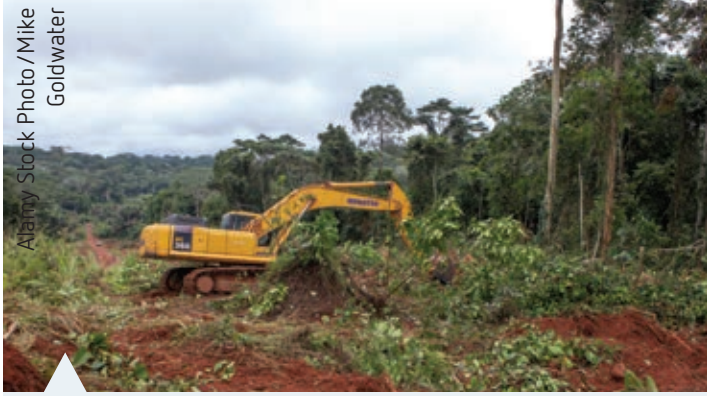
- Causes: Deforestation happens mostly because of logging for wood products, expanding farms, and new cities.
- Ecological Impacts: It leads to less biodiversity, more soil loss, and changes in water patterns. When tree cover is lost, soil becomes unstable, and rain patterns can change.
Important
Loss of tree cover due to deforestation can cause irreversible damage to ecosystems and alter climate cycles.
Sustainable Practices and Management
- Sustainable Logging Practices: Techniques like careful logging and growing different trees help balance tree use and nature protection. They keep species safe and habitats healthy.
- Afforestation and Reforestation: Important steps in making new forests and regrowing old ones. These actions are key for improving the environment and adding trees.
Case Studies of Protected and Managed Forests
- Examples of Protected Forests: Parks and protected areas are important for stopping tree loss. They use methods, like careful cutting and involving local people, to grow and protect forests.
- Management Techniques: Planned tree planting and using many species help keep balance and grow forests back quickly.
Note
- Rainforests are key for keeping life and climate balanced. They are important for wood technology.
- Industrial needs cause tree loss, harming the ecosystem, showing why sustainable actions are essential.
- Actions like making new forests and replanting are needed for wise forest use.
- Keeping and using forests wisely with modern and shared ways is key in stopping deforestation.